Early Pregnancy and Shortness of Breath: A Complete Clinical Guide for Patients
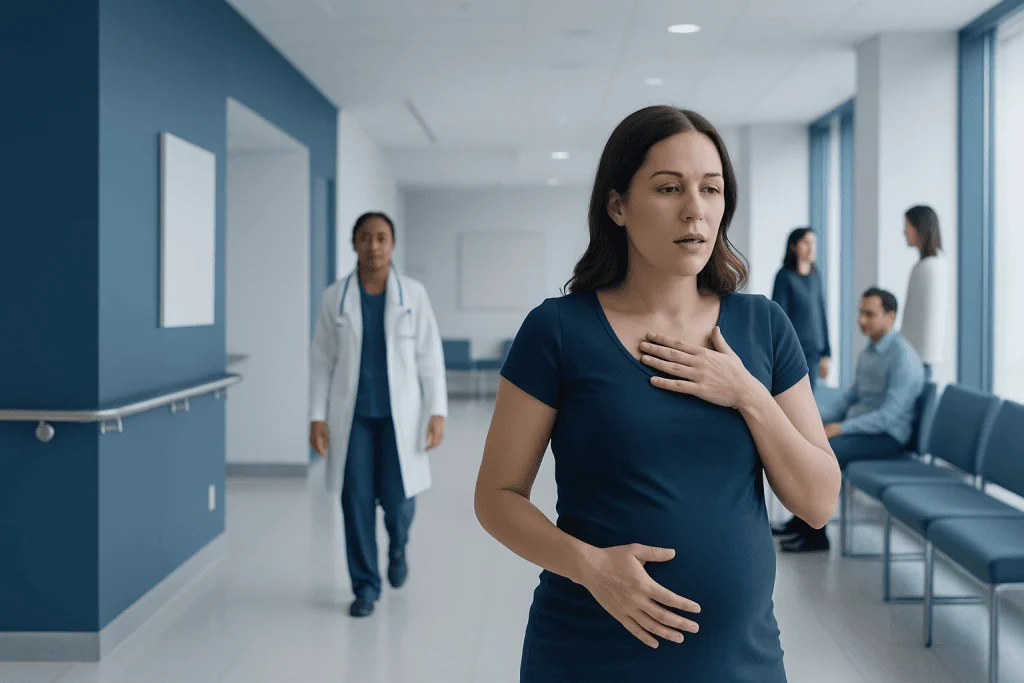
Feeling unable to take a satisfying deep breath can occur early in pregnancy because progesterone changes breathing patterns. Mild breathlessness without chest pain, fainting, fever, or symptoms at rest is often not dangerous, but should still be mentioned at prenatal visits.
Key Takeaways
- Feeling unable to take a satisfying deep breath can occur early in pregnancy because progesterone changes breathing patterns.
- Mild breathlessness without chest pain, fainting, fever, or symptoms at rest is often not dangerous, but should still be mentioned at prenatal visits.
- Anemia, asthma, respiratory infections, heart conditions, and blood clots are among the medical causes that may need assessment.
- Urgent medical care is needed for sudden or severe breathlessness, chest pain, coughing blood, fainting, blue lips, or one-sided leg swelling.
- Pacing activity, avoiding smoke, treating known asthma as advised, and attending prenatal care can support respiratory health during pregnancy.
Early pregnancy and shortness of breath is commonly related to normal hormonal changes that alter how breathing feels, sometimes even before the abdomen has grown. However, new breathing difficulty should be discussed with a maternity clinician, especially if it is sudden, severe, worsening, or occurs with chest pain, fainting, fever, or leg swelling.
Overview: Why Breathing Can Feel Different Early in Pregnancy
Early pregnancy and shortness of breath can be unsettling, particularly when it happens before visible body changes have begun. In many cases, mild breathlessness or a feeling of needing to sigh or take deeper breaths is a normal response to pregnancy hormones. It does not necessarily mean that the body is receiving too little oxygen.
Progesterone rises rapidly after conception. This hormone affects the brain’s breathing center and causes a pregnant person to breathe a little more deeply and sometimes more often. As a result, the level of carbon dioxide in the blood falls slightly, which can create an increased awareness of breathing or the sensation that a full breath is needed.
Pregnancy also increases blood volume and the workload of the heart over time. These normal circulatory adaptations can make physical activity feel more demanding than usual. Shortness of breath may be noticed during stairs, brisk walking, carrying items, or talking while moving, even in the first trimester.
Although this symptom is often benign, it should not automatically be attributed to pregnancy. A clinician can consider the timing, severity, medical history, associated symptoms, and examination findings to distinguish expected pregnancy changes from a condition needing treatment.
What Normal Pregnancy Breathlessness May Feel Like
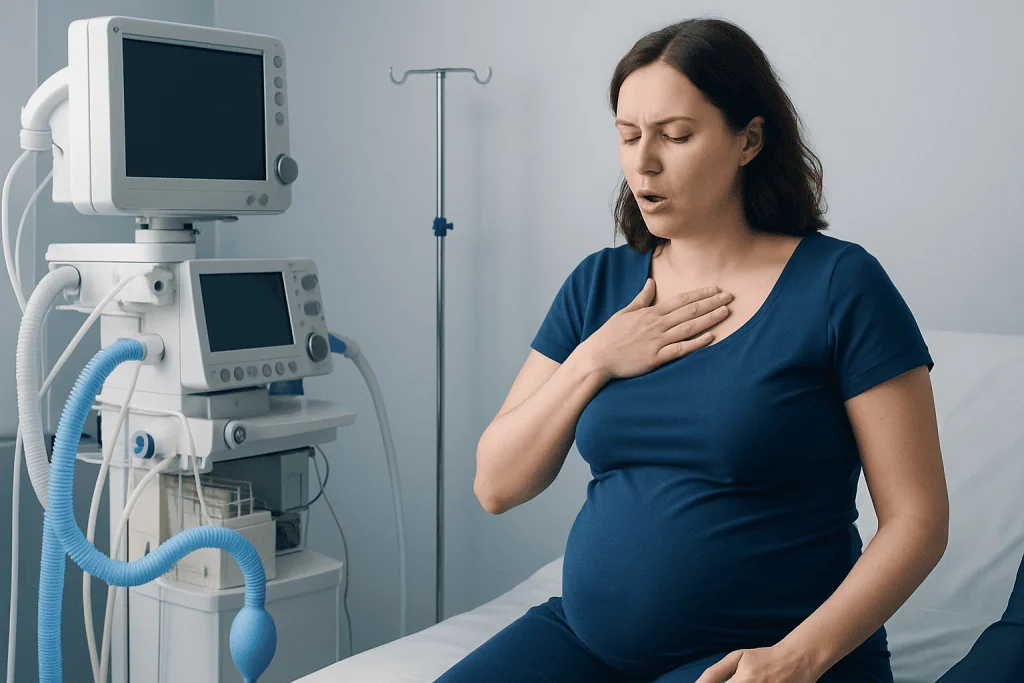
Normal pregnancy-related breathlessness is usually mild and intermittent. A person may feel that they cannot quite get a satisfying breath, need to pause when walking quickly, or become winded sooner than before pregnancy. Symptoms often improve with rest and are not usually associated with significant chest discomfort or an inability to speak in full sentences.
It can occur at rest as an awareness of breathing, but persistent breathlessness at rest should be discussed with a healthcare professional. The symptom may vary from day to day and can be more noticeable with fatigue, anxiety, warm weather, poor sleep, nasal congestion, or lower levels of physical fitness.
It is useful to notice the pattern rather than focusing only on the intensity of a single episode. Important details include when the symptom began, what triggers it, how long it lasts, whether it is worsening, and whether there is wheezing, cough, palpitations, dizziness, pain, or swelling.
- Breathlessness only with more demanding activity may fit normal early pregnancy changes.
- A gradual, mild sensation of needing deeper breaths is common.
- Symptoms that are sudden, progressive, or limiting ordinary daily activities warrant timely medical advice.
Other Causes and Risk Factors to Consider
Several health conditions can cause or worsen shortness of breath during pregnancy. Iron-deficiency anemia is a common example. Red blood cells carry oxygen, and anemia can lead to tiredness, reduced exercise tolerance, paleness, dizziness, headaches, or a racing heartbeat in addition to breathlessness. Prenatal blood tests often help identify anemia, and treatment depends on its cause and severity.
Asthma may change during pregnancy: symptoms improve for some people, remain stable for others, and worsen for others. Wheezing, chest tightness, cough, nighttime symptoms, or needing a reliever inhaler more often can suggest asthma is not well controlled. Asthma medications should not be stopped without medical advice, as maintaining good breathing control is important for both the pregnant person and the developing baby.
Respiratory infections, including viral illnesses, can also cause cough, fever, sore throat, congestion, and shortness of breath. More rarely, heart rhythm problems, heart disease, thyroid disorders, allergic reactions, or a blood clot in the lung may be responsible. Pregnancy increases the tendency of blood to clot, although a pulmonary embolism remains uncommon.
Risk factors that make clinical assessment especially important include a history of asthma or heart disease, prior blood clots, a known clotting disorder, smoking or vaping, recent surgery or prolonged immobility, multiple pregnancy, significant obesity, severe vomiting with dehydration, and a strong family history of clotting problems.
How Clinicians Assess Shortness of Breath in Pregnancy
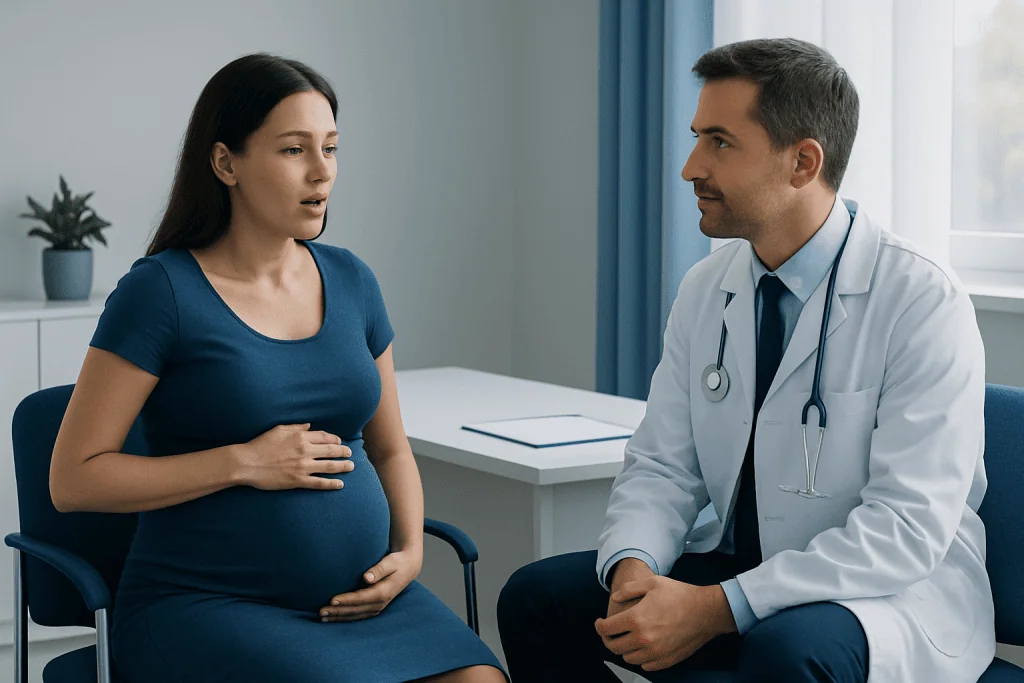
A maternity clinician, family physician, or obstetrician will begin by asking about symptoms, medical history, medications, allergies, and pregnancy history. They may ask whether breathlessness began suddenly or gradually, whether it occurs at rest or with exertion, and whether there are associated symptoms such as cough, fever, wheeze, chest pain, fast heartbeat, leg pain, or swelling.
The assessment usually includes checking temperature, pulse, blood pressure, oxygen saturation, and breathing rate. The clinician may listen to the heart and lungs and look for signs of anemia, infection, fluid retention, or a clot in a leg. Depending on findings, blood tests may include a complete blood count to assess for anemia and other tests tailored to the situation.
When imaging is clinically necessary, clinicians select the most appropriate test and consider pregnancy safety. For example, a chest X-ray, ultrasound of the legs, electrocardiogram, echocardiogram, or specialized lung imaging may be considered if there is concern about infection, heart disease, or a blood clot. Delaying important evaluation because of pregnancy can be riskier than undergoing an indicated test.
People should tell every healthcare professional that they are pregnant or may be pregnant. This helps the team interpret symptoms appropriately and choose investigations and treatments carefully.
Treatment Depends on the Cause
When early pregnancy breathlessness is due to normal hormonal adaptation and the examination is reassuring, treatment may consist of explanation, monitoring, and practical measures to stay comfortable. There is no need to restrict ordinary movement solely because of mild breath awareness, unless a clinician has advised otherwise. Gentle activity can often be continued at a pace that allows comfortable conversation.
If anemia is identified, the clinician may recommend dietary changes, iron supplementation, or further testing to identify why iron levels are low. Iron should be taken only as advised, as the appropriate approach depends on blood results, symptoms, diet, and individual medical needs.
For asthma, a personalized plan may include continuing prescribed controller medicines, reviewing inhaler technique, avoiding known triggers, and seeking help promptly for worsening symptoms. For infection, treatment depends on the likely cause and severity. A clinician can advise which medicines are appropriate during pregnancy rather than relying on over-the-counter products without guidance.
Conditions such as a pulmonary embolism, significant pneumonia, or heart disease require urgent specialist-led care. Prompt diagnosis allows treatment to be adapted for pregnancy and helps protect maternal health. Acibadem International’s multidisciplinary specialists and JCI-accredited hospitals can assess and treat pregnancy-related medical concerns for international patients when specialist care is needed.
Comfort Measures and Everyday Self-Care
For mild symptoms that have been assessed or that clearly occur with normal exertion, pacing can help. Taking breaks, slowing down on stairs, and allowing more time for tasks may reduce the sensation of air hunger. Good posture, including sitting upright or sleeping with the upper body slightly elevated if comfortable, may also make breathing feel easier.
Regular, pregnancy-appropriate movement can support cardiovascular fitness, mood, and sleep. Walking, swimming, or prenatal exercise may be suitable for many people, but the activity should be adjusted to individual fitness, pregnancy health, and medical advice. A practical guide is to avoid pushing through marked breathlessness, dizziness, chest pain, or feeling unwell.
A balanced diet that includes iron-rich foods, adequate fluids, and regular meals supports general health. Sources of iron include lean meats, legumes, fortified grains, leafy green vegetables, nuts, and seeds. Vitamin C-containing foods can help the body absorb plant-based iron, while a clinician can advise if supplements are needed.
Avoid smoking, vaping, and exposure to secondhand smoke, as these can irritate the airways and reduce respiratory health. It is also sensible to discuss any herbal remedies, supplements, or non-prescription cold medicines with a pharmacist, midwife, or doctor before use during pregnancy.
When to Seek Medical Care
Shortness of breath should be raised at a prenatal appointment even when it is mild, especially if it is new, persistent, or affecting normal routines. Contact a maternity unit, doctor, or urgent care service promptly if symptoms are getting worse, occur at rest, wake the person from sleep, or are accompanied by wheezing, a persistent cough, fever, palpitations, or unusual fatigue.
Emergency assessment is needed for sudden or severe trouble breathing, chest pain or pressure, coughing up blood, fainting, confusion, blue or gray lips, or a very fast or irregular heartbeat. These symptoms can have several causes, and urgent evaluation is the safest approach.
One-sided leg swelling, redness, warmth, or pain alongside breathlessness also requires urgent assessment because it can be a sign of a blood clot. People with asthma should seek urgent advice if their usual reliever inhaler is not helping, if symptoms are escalating, or if they struggle to speak comfortably.
It is always appropriate to seek care when a symptom feels significantly different from usual or causes concern. Healthcare teams are accustomed to assessing breathing symptoms during pregnancy and can provide reassurance when findings are normal while identifying problems that need treatment.
Frequently asked questions
Is shortness of breath normal in very early pregnancy?
Mild shortness of breath can be normal in very early pregnancy because progesterone changes the depth and pattern of breathing. However, it should be mentioned to a prenatal clinician, particularly if it is persistent, worsening, or affects daily activities.
Can shortness of breath be an early sign of pregnancy?
Some people notice changes in breathing early in pregnancy, although shortness of breath alone cannot confirm pregnancy. A missed period, a positive pregnancy test, and other symptoms should be evaluated together.
How can a pregnant person tell if breathlessness is serious?
Sudden, severe, or worsening breathlessness is not something to manage alone. Urgent assessment is especially important if there is chest pain, fainting, coughing blood, fever, blue lips, a rapid heartbeat, or one-sided leg swelling.
Does anemia cause shortness of breath in pregnancy?
Yes, anemia can reduce the blood's oxygen-carrying capacity and may cause breathlessness, fatigue, dizziness, paleness, or palpitations. A blood test can help confirm anemia, and a clinician can recommend the appropriate treatment.
Is it safe to exercise when short of breath in early pregnancy?
Gentle exercise is often safe in an uncomplicated pregnancy when symptoms are mild and a clinician has not advised restrictions. Exercise should be stopped and medical advice sought if there is marked breathlessness, chest pain, dizziness, faintness, or feeling unwell.
Should asthma medicines be stopped during pregnancy?
No, prescribed asthma medicines should not be stopped without speaking to a doctor. Poorly controlled asthma can pose risks, and clinicians can review medications and inhaler technique to maintain good symptom control during pregnancy.
References
- American College of Obstetricians and Gynecologists
- National Health Service
- Centers for Disease Control and Prevention
- Royal College of Obstetricians and Gynaecologists
- World Health Organization
This article is for general information only and is not a substitute for professional medical advice. Please consult a qualified doctor about your individual situation.
Explore treatments in Turkey — costs, top hospitals & a free quote
JCI-accredited · board-certified surgeons · reply within 24h
Add us as a Preferred Source to see more of our trusted health content across Google Search, AI Overviews and Discover.