Healthy BMI for Women: A Complete Medical Overview

For most adult women, a BMI of 18.5 to 24.9 is considered healthy. BMI is a useful screening tool, but it does not directly measure body fat or overall wellness.
Key Takeaways
- For most adult women, a BMI of 18.5 to 24.9 is considered healthy.
- BMI is a useful screening tool, but it does not directly measure body fat or overall wellness.
- Waist circumference, blood pressure, blood sugar, cholesterol, and lifestyle habits help give a fuller picture of health.
- Pregnancy, high muscle mass, aging, and some medical conditions can make BMI less informative.
- A doctor can help interpret BMI if weight changes are rapid, symptoms are present, or obesity-related risks are a concern.
A healthy BMI for women is generally between 18.5 and 24.9, but it is only one screening tool and does not measure body fat, fitness, or overall health by itself. The most accurate assessment considers BMI together with waist size, medical history, lifestyle, and other metabolic risk factors.
Overview: what is a healthy BMI for women?
A healthy BMI for women is usually defined as a body mass index between 18.5 and 24.9. BMI is calculated from height and weight and is used to estimate whether a person may be underweight, within a healthy weight range, overweight, or living with obesity.
For adult women, the standard BMI categories are generally the same as for adult men: below 18.5 is underweight, 18.5 to 24.9 is healthy weight, 25.0 to 29.9 is overweight, and 30 or above falls into obesity categories. These ranges are designed for population screening, not as a final diagnosis for any one person.
This distinction matters because BMI does not directly measure body fat, muscle mass, bone density, or where weight is carried in the body. A woman with a “normal” BMI can still have health risks if she has excess abdominal fat, high blood pressure, abnormal cholesterol, or elevated blood sugar. Likewise, a muscular woman may have a higher BMI without having excess body fat.
In clinical practice, BMI works best as a starting point. It can help identify who may benefit from a fuller health assessment, especially when combined with waist circumference, family history, physical activity, nutrition, sleep, and metabolic testing.
How BMI is calculated and how to interpret the range
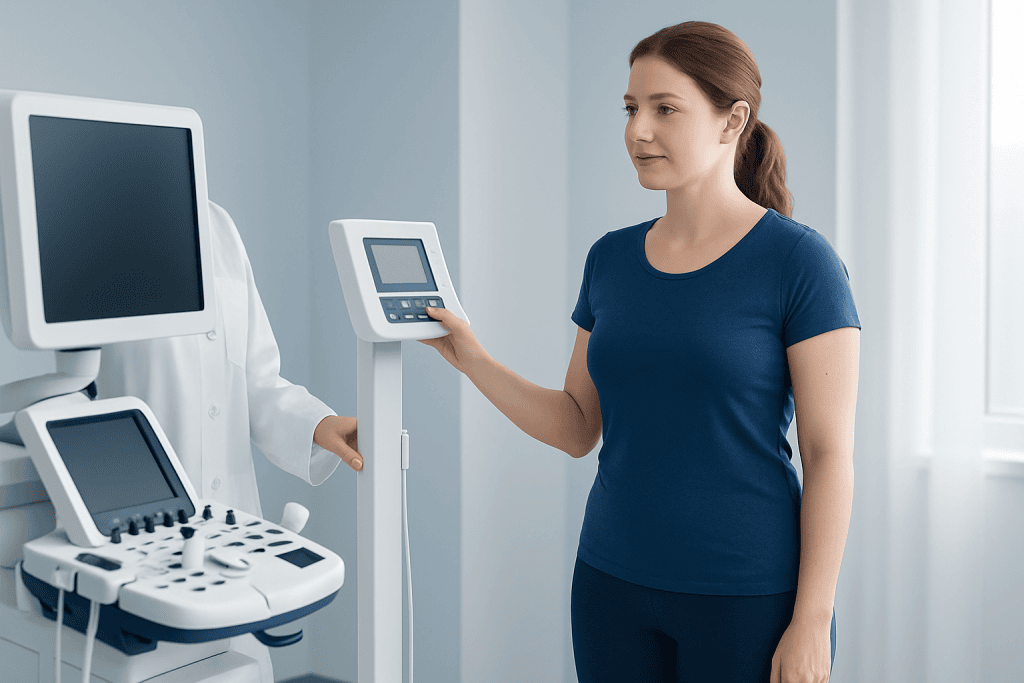
BMI stands for body mass index. It is calculated by dividing weight in kilograms by height in meters squared. Many people use an online calculator, but a doctor or dietitian can also help interpret the result correctly.
The main value of BMI is that it offers a simple and consistent way to group weight-related health risk. In women, a BMI in the healthy range is generally associated with lower risk of conditions linked to excess or insufficient weight, although risk still depends on many other factors.
- Below 18.5: underweight
- 18.5 to 24.9: healthy weight range
- 25.0 to 29.9: overweight
- 30.0 and above: obesity
BMI is intended for most non-pregnant adults. It is not interpreted the same way in children and teenagers, and it becomes less useful during pregnancy. Women who are postpartum, highly athletic, or living with chronic illness may also need a more individualized interpretation.
Why BMI alone does not tell the whole story

Although BMI is widely used, it has clear limits. It cannot show how much of a person’s weight comes from muscle versus fat, and it cannot identify how fat is distributed. This is important because abdominal fat is more strongly linked to heart disease, diabetes, fatty liver disease, and some other metabolic conditions than weight alone.
Body composition changes across the lifespan as well. As women age, they may gradually lose muscle and gain fat even if their body weight remains stable. A BMI in the healthy range may therefore hide changing cardiometabolic risk if waist circumference, strength, activity, and lab results are not also considered.
Ethnic background can also influence risk patterns. Some women may develop metabolic problems at a lower BMI, while others may have fewer complications at a higher BMI. For that reason, clinicians often use BMI together with waist measurement, blood pressure, cholesterol testing, and glucose testing rather than relying on a single number.
A practical way to think about BMI is that it screens for possible risk; it does not define health on its own. A woman can support her health through balanced nutrition, regular exercise, sleep, stress management, and routine checkups even while working toward weight goals or addressing other medical concerns.
What affects a woman’s healthy weight beyond BMI
A woman’s healthiest weight is shaped by more than height and weight. Age, genetics, hormonal status, physical activity, medications, sleep quality, and underlying medical conditions can all influence body composition and health risk. Menopause, for example, often changes where fat is stored and may increase abdominal fat even without major weight gain.
Hormonal and metabolic conditions may also affect weight and BMI interpretation. Thyroid disorders, polycystic ovary syndrome, insulin resistance, depression, and some medications can contribute to weight changes. In some cases, assessing obesity or related risks requires a broader medical review rather than focusing only on BMI.
Waist circumference is often especially helpful because it gives clues about central fat distribution. A woman with a BMI near the upper end of the healthy range but a larger waistline may have a different metabolic risk profile than someone with the same BMI and less abdominal fat.
Health professionals may also review dietary patterns, exercise tolerance, menstrual and reproductive history, recent weight trends, and emotional wellbeing. This broader view helps determine whether a given BMI reflects stable health, nutritional concerns, reduced muscle mass, or an increased risk of metabolic disease.
Health risks linked to BMI that is too low or too high
When BMI is below the healthy range, possible concerns may include undernutrition, low energy availability, menstrual irregularities, reduced fertility, vitamin and mineral deficiencies, decreased bone strength, and weakened immunity. In some women, low BMI is related to high activity levels and inadequate intake; in others, it may reflect digestive disorders, chronic disease, mental health conditions, or unintended weight loss.
When BMI is above the healthy range, risk may gradually rise for conditions such as high blood pressure, abnormal cholesterol, sleep apnea, joint strain, fatty liver disease, type 2 diabetes, and cardiovascular disease. The degree of risk depends not only on BMI but also on where fat is stored, how active the person is, and whether related conditions are already present.
Not every woman with a high BMI has the same health profile, and not every woman with a low or healthy BMI is automatically free from risk. Someone with a healthy BMI may still have poor diet quality, low fitness, smoking exposure, or metabolic abnormalities, while another woman with a higher BMI may have relatively favorable laboratory results and good physical function.
That is why clinicians usually look for patterns rather than judging a single number. If needed, they may suggest further evaluation, nutrition counseling, exercise guidance, or treatment options tailored to the individual’s goals and health status.
Medical evaluation: when BMI should be reviewed by a doctor
A doctor may review BMI in the context of a full health assessment rather than as an isolated measurement. This often includes blood pressure, waist circumference, medication history, family history, and blood tests such as glucose, HbA1c, lipids, thyroid function, or liver tests when appropriate.
Medical advice is especially useful if weight has changed quickly, periods have become irregular, fatigue is persistent, appetite has changed, or symptoms such as snoring, shortness of breath, reflux, joint pain, or swelling are present. Unintended weight loss or gain can sometimes be linked to hormonal, digestive, inflammatory, or mental health conditions.
For women with overweight or obesity, a clinician may discuss structured lifestyle treatment and, in selected cases, additional therapies such as obesity surgery or multidisciplinary weight management. The goal is not simply to reduce a number, but to lower health risk and improve quality of life in a safe, sustainable way.
In centers with multidisciplinary care, specialists may combine nutrition, endocrinology, internal medicine, and behavioral support. Acibadem International’s multidisciplinary specialists in JCI-accredited hospitals diagnose and treat weight-related conditions for international patients when more advanced evaluation is needed.
Supporting a healthy BMI through everyday habits
For most women, the safest way to support a healthy BMI is through long-term habits rather than rapid dieting. A balanced eating pattern built around vegetables, fruits, legumes, whole grains, lean protein sources, and healthy fats can help support both weight management and metabolic health. Regular meals and adequate protein may also help preserve muscle mass.
Physical activity is equally important. A combination of aerobic exercise, strength training, and routine daily movement supports heart health, insulin sensitivity, bone strength, and body composition. Strength training deserves special attention because it helps maintain muscle, which BMI alone cannot measure.
Sleep and stress also affect weight regulation. Poor sleep and chronic stress can influence appetite hormones, food choices, energy levels, and blood sugar balance. Women who struggle with emotional eating, very restrictive dieting, or repeated weight cycling may benefit from support from a doctor, registered dietitian, or mental health professional.
Some women with severe obesity or weight-related complications may need more than lifestyle measures alone. In carefully selected cases, procedures such as gastric sleeve surgery or gastric bypass may be considered as part of comprehensive care after medical assessment.
When to seek medical care
It is sensible to seek medical care if BMI is below 18.5 or above 25 and there are symptoms, concerns about nutrition, or a family history of metabolic disease. Medical review is also important if weight changes rapidly without trying, if menstrual cycles become irregular, or if there is ongoing fatigue, dizziness, hair loss, or digestive symptoms.
Women should also speak with a doctor if they have signs that may point to weight-related complications, such as increasing waist size, elevated blood pressure, loud snoring, daytime sleepiness, joint pain, or symptoms of high blood sugar. Pregnancy, postpartum changes, and menopause are additional times when individualized guidance can be helpful.
Emergency care is not usually about BMI itself, but urgent assessment is appropriate for severe weakness, fainting, chest pain, breathing difficulty, or signs of dehydration. If eating behaviors feel out of control or if food and weight are causing significant distress, prompt professional support is important and appropriate.
A compassionate medical conversation can clarify whether BMI reflects a simple lifestyle issue, a temporary life stage, or an underlying health condition that deserves treatment. Early guidance often makes weight-related concerns easier to manage and can help prevent complications over time.
Frequently asked questions
What is the healthy BMI range for women?
For most adult women, a healthy BMI range is 18.5 to 24.9. This range is used as a screening tool, but it does not fully define health without considering other factors such as waist size, fitness, and medical history.
Is BMI different for women and men?
The standard adult BMI categories are generally the same for women and men. However, the meaning of a BMI result may differ because body fat distribution, hormonal changes, and muscle mass patterns can vary between individuals.
Can a woman have a healthy BMI and still be unhealthy?
Yes. A woman can have a BMI in the healthy range but still have high blood pressure, high blood sugar, poor fitness, excess abdominal fat, or other health risks. That is why BMI should be interpreted together with broader health measures.
Does BMI change during pregnancy?
BMI is less useful during pregnancy because normal weight gain is expected and healthy. During this time, weight goals should be guided by an obstetrician or another qualified clinician rather than by standard adult BMI categories alone.
Why might BMI be misleading in athletic women?
BMI does not distinguish muscle from fat. Athletic women may have more muscle mass, which can raise BMI even when body fat is low and overall health is good.
Should women over 50 use BMI differently?
BMI can still be used after age 50, but it should be interpreted more carefully. Aging often brings changes in muscle mass, bone density, and fat distribution, so waist circumference, strength, function, and lab results become especially important.
This article is for general information only and is not a substitute for professional medical advice. Please consult a qualified doctor about your individual situation.
Medical weight-loss options in Turkey — costs & eligibility
JCI-accredited · board-certified surgeons · reply within 24h
Add us as a Preferred Source to see more of our trusted health content across Google Search, AI Overviews and Discover.
Check your numbers in seconds
BMI, calories, due date, blood pressure and 30+ more clinical calculators — free, instant, doctor-reviewed ranges.

More from the Health Library

Gallbladder Anatomy: What Patients Need to Know

Cholesterol Level Cholesterol: A Complete Medical Overview

Apheresis: An Evidence-Based Guide for Patients

Jaw Is Wired Shut: What Patients Need to Know

Thigh Chafing: A Complete Medical Overview