Understanding Will a Yeast Infection Heal Itself: A Complete Patient Guide

Some mild yeast infections may improve without treatment, but this is not reliable. Symptoms such as itching, burning, and discharge can also be caused by bacterial vaginosis or sexually transmitted infections.
Key Takeaways
- Some mild yeast infections may improve without treatment, but this is not reliable.
- Symptoms such as itching, burning, and discharge can also be caused by bacterial vaginosis or sexually transmitted infections.
- Over-the-counter antifungal treatment may help confirmed uncomplicated yeast infections, but recurrent or severe symptoms need medical assessment.
- Pregnancy, diabetes, recent antibiotic use, and a weakened immune system can raise the risk of yeast infections.
- Medical care is important if symptoms are severe, keep returning, or happen for the first time.
Will a yeast infection heal itself? Sometimes a mild yeast infection may improve on its own, but many do not fully clear without treatment, and similar symptoms can also be caused by other conditions. A proper diagnosis helps prevent delays, repeated discomfort, and unnecessary medication.
Overview: Can a Yeast Infection Go Away on Its Own?
Will a yeast infection heal itself? In some people, a mild vaginal yeast infection may improve without treatment, especially if the body’s natural balance is restored quickly. However, this does not happen consistently, and symptoms may last longer or come back if the underlying imbalance remains.
A yeast infection is usually caused by an overgrowth of Candida, a fungus that normally lives on the skin and in the body in small amounts. When the vaginal environment changes, Candida can multiply and lead to itching, irritation, burning, and discharge. Because other common conditions can cause similar symptoms, it is not always possible to know from symptoms alone whether a yeast infection is truly the cause.
For that reason, a “wait and see” approach is not ideal for everyone. If symptoms are new, strong, recurrent, or uncertain, a clinician can help confirm whether the problem is a yeast infection or another condition that needs different care, such as vaginitis.
What Symptoms Suggest a Yeast Infection?
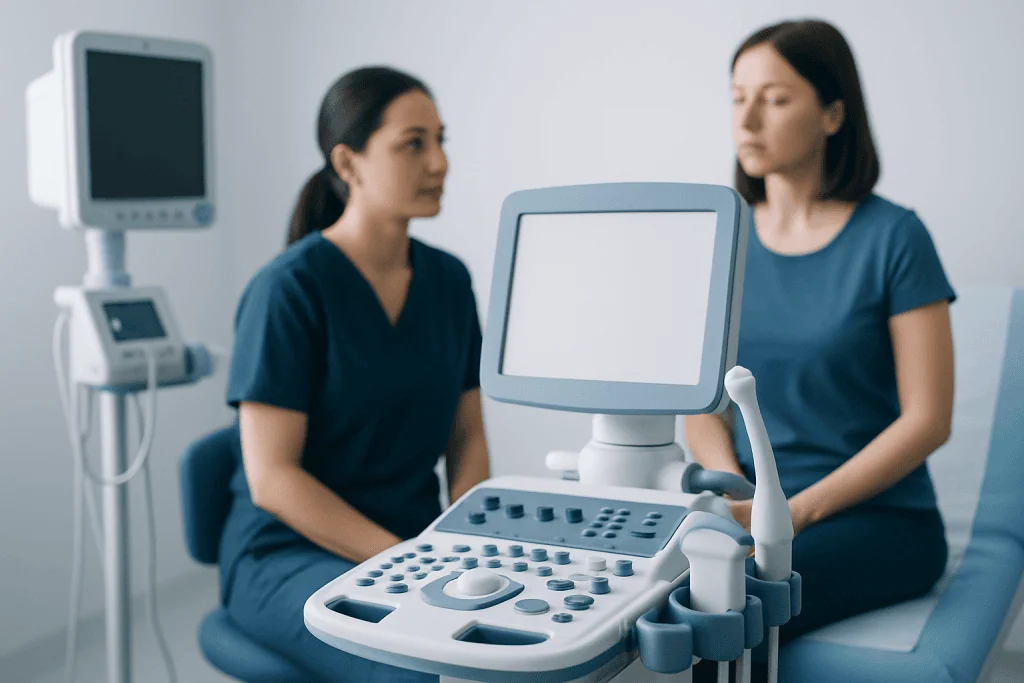
Typical symptoms of a vaginal yeast infection include itching around the vulva, burning, irritation, redness, and discomfort during urination or sex. Many people also notice a thick white discharge that may look cottage cheese-like, although discharge is not always present.
Symptoms can range from mild to more intense. A mild infection may cause occasional itching or soreness, while a more significant infection can lead to swelling, cracks in the skin, and marked discomfort that affects sleep, exercise, or daily activities.
It is important to remember that not all vaginal itching or discharge is caused by yeast. Bacterial vaginosis, skin conditions, allergic reactions, and sexually transmitted infections may cause overlapping symptoms. A fishy odor, yellow-green discharge, sores, pelvic pain, or fever suggest that something other than a simple yeast infection may be going on and should be evaluated.
- Common signs: itching, burning, redness, soreness
- Possible discharge: thick, white, often odorless
- Sometimes pain: during urination or intercourse
- Less typical features: strong odor, pelvic pain, fever, or sores
Why Yeast Infections Happen and Who Is More Likely to Get Them

Yeast infections often develop when the normal balance of bacteria and yeast in the vagina changes. Antibiotic use is a common trigger because antibiotics can reduce healthy bacteria that normally help keep Candida under control. Hormonal shifts, including pregnancy and changes around the menstrual cycle, may also affect the vaginal environment.
Some health factors make yeast overgrowth more likely. People with diabetes, especially if blood sugar is not well controlled, may have a higher risk. A weakened immune system, use of corticosteroids, or certain medical treatments can also increase susceptibility.
Everyday habits can contribute too, although they are not the sole cause. Prolonged moisture, tight non-breathable clothing, scented hygiene products, and vaginal douching may irritate tissue or disturb the natural balance. In people with ongoing or repeated infections, doctors may also consider whether there is a non-albicans Candida species or another diagnosis entirely, such as a fungal infection affecting nearby skin.
When It May Heal Itself — and When It Usually Will Not
A very mild yeast infection may settle without medication if the trigger is short-lived. For example, symptoms that begin after a temporary irritation or brief hormonal change may improve if the body re-establishes its natural balance. Even then, improvement can take time, and there is no reliable way to predict this at home.
Self-resolution is less likely if symptoms are moderate or severe, if they have lasted more than a few days, or if the infection keeps coming back. It is also less likely when there is an ongoing trigger, such as uncontrolled diabetes, antibiotic use, or immune suppression. In these situations, waiting may prolong discomfort and delay effective treatment.
Another reason not to rely on spontaneous healing is the possibility of a different diagnosis. A person may assume symptoms are due to yeast and wait for them to pass, when the cause is actually bacterial vaginosis, dermatitis, or a sexually transmitted infection. If symptoms are bothersome, persistent, or unusual, confirmation by a healthcare professional is the safest approach.
How Doctors Diagnose the Cause of Symptoms
Diagnosis usually begins with a discussion of symptoms, recent antibiotic use, menstrual and sexual history, past infections, and any health conditions such as diabetes. A clinician may ask whether this is the first episode, how long symptoms have lasted, and whether over-the-counter treatments have already been used.
An examination may be recommended to look for redness, swelling, skin changes, and the type of discharge present. In some cases, a sample of vaginal fluid is tested to look for yeast and to rule out other causes. This step can be especially helpful when symptoms are severe, recurrent, or not responding to standard treatment.
Accurate diagnosis matters because treatment depends on the cause. For example, medicines used for yeast will not treat bacterial vaginosis or some sexually transmitted infections. If testing is needed, a doctor may also assess whether there is a broader issue affecting vaginal or urinary health, including urinary tract infection when burning with urination is present.
Treatment Options and What to Expect
When a yeast infection is confirmed and uncomplicated, treatment often includes antifungal medication. This may be a vaginal cream, suppository, or an oral antifungal prescribed by a doctor, depending on the individual situation. Many uncomplicated infections improve within a few days of starting treatment, although full symptom relief may take a little longer.
People who have had a doctor-confirmed yeast infection before and recognize the same symptoms may sometimes use over-the-counter antifungal products. Still, if symptoms do not improve after treatment, come back within a short time, or seem different than usual, medical review is important. Repeated self-treatment without a diagnosis can mask another problem.
For recurrent or complicated infections, treatment may need to be longer or tailored based on testing. Doctors may investigate contributing issues such as diabetes, medication use, skin conditions, or resistant yeast species. Depending on the symptoms and findings, evaluation may include women’s health care and, if another condition is suspected, gynecology assessment or infectious diseases care.
Near the end of the care pathway, some patients seek coordinated international evaluation. Acibadem International’s multidisciplinary specialists and JCI-accredited hospitals diagnose and treat vaginal infections and related conditions for international patients when specialist input is needed.
Prevention and Self-care
Prevention focuses on supporting the vagina’s natural balance and reducing avoidable irritation. While no method can prevent every yeast infection, simple self-care steps may lower the chance of recurrence in some people.
Helpful habits include wearing breathable cotton underwear, changing out of wet clothing promptly, and avoiding scented sprays, harsh soaps, and douching. During antibiotic treatment, it may help to monitor closely for symptoms, especially in people who have had yeast infections before. Good blood sugar control is also important for people with diabetes.
At home, self-care can ease discomfort while waiting for advice or treatment. Keeping the area dry, avoiding scratching, and using gentle, unscented products can reduce irritation. It is best not to use home remedies inside the vagina unless specifically recommended by a qualified clinician, because some products may worsen irritation or delay proper diagnosis.
- Avoid douching and fragranced feminine products
- Choose breathable, non-tight clothing when possible
- Change out of damp workout wear or swimsuits
- Manage diabetes carefully if applicable
- Seek confirmation if infections keep returning
When to Seek Medical Care
Medical care is a good idea if this is the first time symptoms have happened, if symptoms are severe, or if they are not improving. A doctor should also be consulted during pregnancy, when there is diabetes or immune suppression, or when infections keep coming back. These situations may need testing or a different treatment plan.
Prompt evaluation is especially important if symptoms include fever, pelvic or lower abdominal pain, sores, bleeding unrelated to a period, strong odor, or unusual colored discharge. Burning with urination can occur with yeast, but it can also point to urinary or sexually transmitted infections. If symptoms return soon after treatment, the cause may not be yeast or may require longer therapy.
Patients who need specialist input may be referred for obstetrics and gynecology care. Seeking timely advice can reduce discomfort, prevent repeated self-treatment, and make sure the right condition is being treated.
Frequently asked questions
How long can a yeast infection last without treatment?
A mild yeast infection may improve within several days, but some last longer or worsen without treatment. There is no reliable way to know in advance which infections will clear on their own, so persistent symptoms should be checked by a doctor.
Is it safe to wait a few days before treating a suspected yeast infection?
If symptoms are mild and the person has had a doctor-confirmed yeast infection before with identical symptoms, some may choose to monitor briefly. However, if symptoms are new, strong, unusual, or not improving, medical advice is safer because other conditions can look similar.
Can a yeast infection turn into something serious?
Most uncomplicated vaginal yeast infections are not dangerous, but they can become very uncomfortable and may continue if untreated. The bigger concern is misdiagnosis, because symptoms may actually be caused by another infection or condition that needs different care.
Should over-the-counter treatment be used right away?
Over-the-counter antifungal treatment can help when a person is confident it is the same uncomplicated yeast infection they have had before. If symptoms are severe, recurrent, or do not improve after treatment, a healthcare professional should confirm the diagnosis.
What if symptoms keep coming back?
Repeated symptoms may mean recurrent yeast infections, resistant yeast, or a different diagnosis altogether. A doctor may recommend testing and look for contributing factors such as diabetes, antibiotic use, hormone changes, or skin conditions.
Can men get yeast infections too?
Yes, Candida can affect the genital skin in men, although the symptoms and causes may differ from vaginal yeast infections. Redness, itching, or irritation on the penis should be assessed if symptoms persist or recur.
References
- Centers for Disease Control and Prevention
- American College of Obstetricians and Gynecologists
- Mayo Clinic
- National Health Service
- Merck Manual Consumer Version
This article is for general information only and is not a substitute for professional medical advice. Please consult a qualified doctor about your individual situation.
Explore treatments in Turkey — costs, top hospitals & a free quote
JCI-accredited · board-certified surgeons · reply within 24h
Add us as a Preferred Source to see more of our trusted health content across Google Search, AI Overviews and Discover.