Big Lips Vaginal: A Complete Clinical Guide for Patients
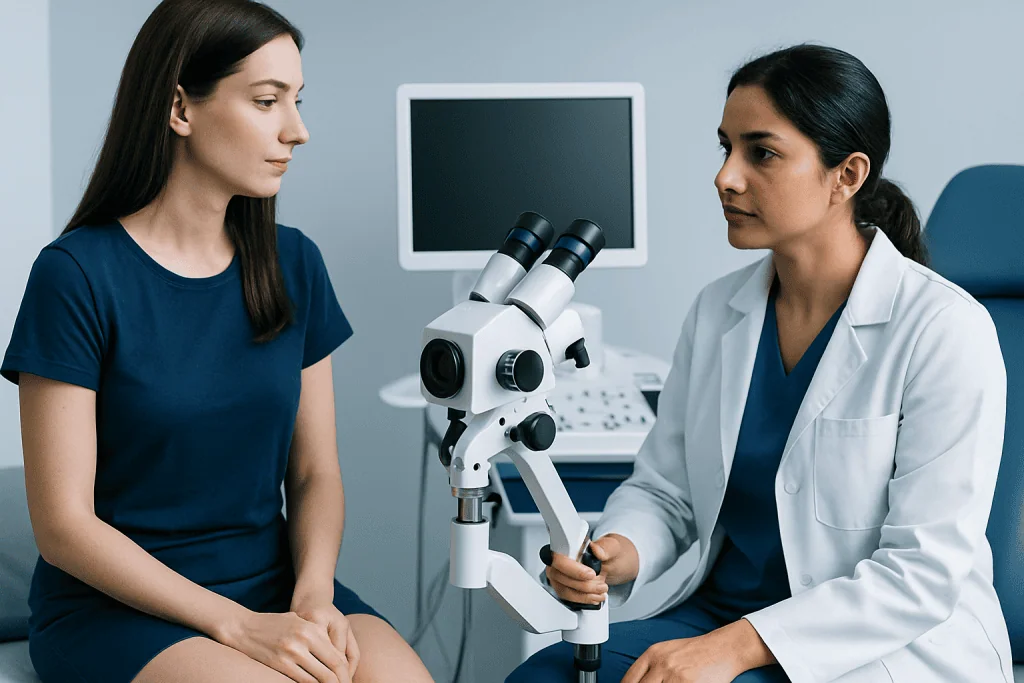
Larger labia are often a normal anatomical variation and do not always need treatment. Symptoms such as rubbing, pain, swelling, recurrent irritation, or discomfort during exercise or sex deserve medical assessment.
Key Takeaways
- Larger labia are often a normal anatomical variation and do not always need treatment.
- Symptoms such as rubbing, pain, swelling, recurrent irritation, or discomfort during exercise or sex deserve medical assessment.
- Doctors diagnose the cause through medical history and a gentle physical examination, not by size alone.
- Treatment depends on the cause and may include skin care, treating infection or inflammation, hormonal management, or surgery in selected cases.
- Sudden swelling, a new lump, bleeding, fever, or severe pain should be checked promptly.
Big lips vaginal usually describes larger inner or outer vaginal lips, called the labia. In many people this is a normal body variation, but an evaluation may be helpful if there is pain, irritation, asymmetry, swelling, or a recent change.
Overview: what “big lips vaginal” usually means
The phrase big lips vaginal is commonly used to describe larger vaginal lips, which are medically called the labia. The inner lips are the labia minora, and the outer lips are the labia majora. Labia vary widely in size, shape, color, thickness, and symmetry, and many differences are completely normal.
Some people are born with naturally larger labia. Others notice changes over time with puberty, aging, pregnancy, childbirth, weight changes, hormonal shifts, or chronic friction. A larger appearance may involve one side more than the other, and mild asymmetry is also common.
What matters most is not appearance alone, but whether there are symptoms or a recent change. If larger labia are associated with rubbing, recurring irritation, hygiene difficulty, discomfort in clothing, pain during sex, or swelling, a gynecologist can help identify the cause and discuss options.
Normal variation vs. a medical problem
There is no single “correct” size for the labia. In healthy vulvar anatomy, the inner lips may be hidden by the outer lips, or they may extend beyond them. One side may also be longer or fuller than the other. These differences are common and usually do not indicate disease.
A medical concern is more likely when the size appears to change suddenly, when there is persistent swelling, or when symptoms are present. For example, inflammation, infection, cysts, skin conditions, trauma, or fluid buildup can make the labia look enlarged. In some cases, the issue is not true enlargement but swelling caused by irritation or another underlying condition.
It can be helpful to think of vulvar size in context. Normal tissue that has always looked this way and causes no symptoms is different from tissue that becomes painful, red, itchy, tender, or develops a lump. A doctor can distinguish normal anatomy from conditions that need treatment, including some forms of vaginal infections.
Symptoms that may occur with large or swollen labia

Many people with larger labia have no symptoms at all. Others may notice physical discomfort during daily activities, especially if the tissue rubs against underwear, tight clothing, or sports equipment. Running, cycling, prolonged walking, and sexual activity can sometimes increase irritation.
Symptoms that may accompany larger or swollen labia include:
- Rubbing, chafing, or skin irritation
- Discomfort in tight clothing or swimsuits
- Pain or pulling during exercise
- Discomfort during sexual activity
- Itching, burning, or redness
- Swelling that comes and goes
- Visible asymmetry that is new or worsening
- Difficulty keeping the area dry and comfortable
If swelling is the main concern, additional symptoms may point to a cause. For example, infection can cause discharge, odor, burning, or pain. A cyst may feel like a tender lump near one side of the vaginal opening. A skin condition may lead to itching, cracking, or color changes. Sudden severe pain is not typical for simple anatomical variation and should be assessed.
Causes and risk factors
The most common reason for larger labia is simply natural anatomy. Genetics strongly influence vulvar appearance, and changes often become more noticeable during puberty. Hormonal changes may also affect tissue fullness and elasticity over time.
Other possible causes include repeated friction from exercise, pregnancy-related tissue stretching, childbirth, aging, and weight fluctuation. In some people, chronic irritation from soaps, scented products, panty liners, shaving, or tight clothing may lead to inflammation that makes the labia seem bigger.
Medical causes can include infections, allergic reactions, cysts such as Bartholin gland cysts, skin disorders, trauma, and less commonly benign growths or other vulvar conditions. Some people seek evaluation because one side has become enlarged or because swelling appears suddenly. If symptoms suggest an infectious or inflammatory cause, the doctor may also consider related issues such as vaginitis.
Risk factors for symptomatic labial enlargement or swelling include high-friction sports, sensitive skin, recurrent vulvar infections, exposure to irritants, recent childbirth, and a history of cysts or local trauma. However, symptoms can also occur without a clear trigger.
How doctors evaluate the concern
Evaluation begins with a medical history. The doctor may ask when the appearance was first noticed, whether it has changed, and whether there is pain, itching, discharge, bleeding, urinary symptoms, or discomfort with sex or exercise. Menstrual history, pregnancies, skin sensitivities, and use of hygiene products may also be relevant.
A gentle physical examination of the vulva is usually the main step in diagnosis. The doctor looks for normal anatomical variation, swelling, skin irritation, infection, cysts, scars, or signs of a dermatologic condition. Size alone does not determine whether there is a problem; symptoms, symmetry, skin health, and recent changes matter more.
Additional tests are only needed in selected cases. A vaginal swab may be used if infection is suspected. If a lump is present, the doctor may examine whether it is a cyst or another type of lesion. Rarely, biopsy or imaging is recommended if there is an unusual growth, persistent skin change, or a diagnosis that remains unclear.
Treatment options and when they are used
Treatment depends on the cause. If the labia are simply larger than average but healthy and symptom-free, no medical treatment is necessary. Reassurance and education about normal vulvar variation are often enough. If symptoms are mild, conservative steps such as softer underwear, reducing friction, avoiding irritants, and using physician-recommended skin care may help.
When enlargement is related to infection, inflammation, allergy, or a skin condition, treatment targets the underlying problem. This may include medication for infection, anti-inflammatory treatment, drainage or care of a cyst when needed, or management of a dermatologic disorder. If irritation is part of the problem, changing soaps, pads, lubricants, or clothing can make a noticeable difference.
For patients with ongoing physical discomfort despite conservative care, surgery may be considered in carefully selected cases. A gynecologist or plastic surgeon may discuss labiaplasty when enlarged labial tissue repeatedly causes chafing, hygiene difficulty, exercise limitations, or sexual discomfort. The aim is functional relief and informed decision-making, with a clear discussion of benefits, healing, and possible risks.
If another gynecologic issue is contributing to symptoms, treatment may involve a broader plan. Depending on findings, the doctor may recommend specialist assessment, testing, or related procedures in gynecology or gynecologic care.
Self-care and prevention of irritation
Self-care focuses on protecting the vulvar skin and reducing friction. Many people feel more comfortable in breathable cotton underwear, loose clothing, and moisture-wicking fabrics during exercise. Promptly changing out of wet workout clothes or swimsuits may also help reduce irritation.
Gentle vulvar care is important. In general, it is best to avoid scented soaps, douches, perfumed sprays, harsh wipes, and other products that can irritate delicate tissue. Washing with lukewarm water and a mild, fragrance-free cleanser if advised by a doctor is often enough. Over-washing can sometimes make symptoms worse.
For exercise-related rubbing, some patients benefit from supportive but non-tight clothing and activity adjustments. If shaving or hair removal causes irritation, changing technique or reducing frequency may help. Self-care is useful for comfort, but it should not replace medical assessment if there is ongoing pain, swelling, or a new mass.
When to seek medical care
Medical care is appropriate if larger labia cause daily discomfort, interfere with exercise or sex, or create recurrent irritation. A doctor should also evaluate any new swelling, especially if it affects only one side, develops quickly, or feels like a lump.
Prompt assessment is important for severe pain, fever, redness that is spreading, unusual discharge, bleeding, skin sores, or a sudden change in appearance. These symptoms may indicate infection, a cyst complication, trauma, or another condition that needs treatment.
If a patient is distressed about appearance, consultation can also be helpful. A clinician can explain what is normal, rule out medical causes, and discuss options without judgment. Acibadem International’s multidisciplinary specialists in JCI-accredited hospitals evaluate vulvar and gynecologic concerns for international patients, including conservative treatment and, when appropriate, plastic and reconstructive surgery.
Frequently asked questions
Is it normal to have big vaginal lips?
Yes. Labia come in many normal sizes and shapes, and larger labia are often a natural anatomical variation. If there is no pain, swelling, or recent change, treatment is usually not needed.
What is the difference between large labia and swollen labia?
Large labia are usually a stable body feature that has been present for a long time. Swollen labia typically appear enlarged because of irritation, infection, allergy, injury, or another condition and are more likely to cause tenderness or a sudden change.
Can large labia cause pain or discomfort?
They can in some people, especially during cycling, running, intercourse, or when wearing tight clothing. Friction and pulling of the tissue are common reasons for symptoms. A medical evaluation can help determine whether conservative care or treatment is appropriate.
When should someone worry about big lips vaginal?
Medical advice is recommended if the area becomes suddenly larger, painful, red, or itchy, or if there is a lump, discharge, bleeding, or fever. These features suggest something more than normal variation and deserve assessment.
How do doctors treat enlarged labia?
Treatment depends on the cause. Normal but larger labia may only need reassurance and skin-care advice, while infection, inflammation, or cysts require specific treatment. Surgery is usually considered only when symptoms persist and significantly affect comfort or daily life.
Is labiaplasty always necessary for large labia?
No. Labiaplasty is not necessary for everyone and is usually reserved for patients with ongoing physical symptoms or a clear functional problem. A careful discussion with a qualified specialist is important before considering surgery.
References
- American College of Obstetricians and Gynecologists
- Royal College of Obstetricians and Gynaecologists
- Merck Manual Professional Edition
- Mayo Clinic
- National Health Service
This article is for general information only and is not a substitute for professional medical advice. Please consult a qualified doctor about your individual situation.
Explore treatments in Turkey — costs, top hospitals & a free quote
JCI-accredited · board-certified surgeons · reply within 24h
Add us as a Preferred Source to see more of our trusted health content across Google Search, AI Overviews and Discover.

More from the Health Library



Related Specialists

Prof. Dr. Enis Rauf Coşkuner
Urology
Dr. Elif Gülek
Anesthesiology
Dr. Mehmet Bilhan Hayırlıoğlu
Anesthesiology
Embriyolog Sadık Doğan
Vitro Fertilization and Reproductive Medicine Center