Can You Die From Peripheral Neuropathy? Causes, Explanations, and Next Steps

Peripheral neuropathy usually does not directly cause death. The main concern is the underlying cause, such as diabetes, vitamin deficiency, infection, autoimmune disease, toxin exposure, or rarely cancer-related nerve damage.
Key Takeaways
- Peripheral neuropathy usually does not directly cause death.
- The main concern is the underlying cause, such as diabetes, vitamin deficiency, infection, autoimmune disease, toxin exposure, or rarely cancer-related nerve damage.
- Red-flag symptoms include rapidly worsening weakness, trouble walking, fainting, chest symptoms, breathing problems, or loss of bladder control.
- Diagnosis often includes a medical history, neurological exam, blood tests, and sometimes nerve conduction studies or imaging.
- Treatment focuses on the cause, symptom relief, and protecting the feet, skin, and balance to prevent complications.
In most cases, peripheral neuropathy itself is not fatal. However, the condition can sometimes reflect a serious underlying illness or lead to complications that need medical attention, especially if symptoms are sudden, progressive, or affect balance, breathing, or autonomic body functions.
Overview: Is Peripheral Neuropathy Life-Threatening?
For most people, the answer to “can you die from peripheral neuropathy” is no. Peripheral neuropathy commonly causes symptoms such as numbness, tingling, burning pain, or weakness in the hands and feet, and while these symptoms can be uncomfortable and disruptive, the nerve damage itself is often not life-threatening.
The more important question is why the neuropathy is happening and whether it is causing dangerous complications. Peripheral neuropathy can be linked to common conditions such as diabetes, alcohol-related nerve injury, vitamin deficiencies, medication side effects, or compressed nerves. In these situations, the outlook often depends on finding the cause early and managing it well.
In a smaller number of cases, neuropathy may be associated with more serious problems. These include severe infections, autoimmune nerve disorders, kidney disease, uncontrolled diabetes, or conditions that affect nerves controlling blood pressure, heart rate, digestion, or breathing. That is why persistent or changing neuropathy symptoms deserve proper medical evaluation rather than self-diagnosis.
How Peripheral Neuropathy Can Become Serious
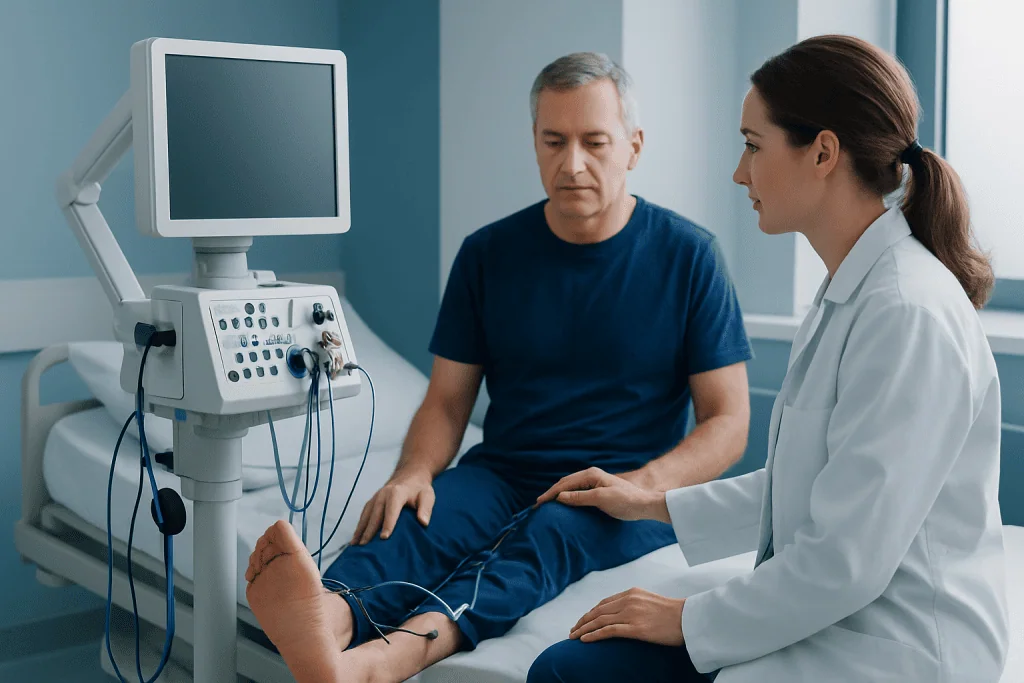
Peripheral neuropathy becomes more concerning when it does more than cause sensory symptoms. Nerves help control movement, reflexes, and automatic body functions, so widespread or rapidly progressive nerve injury can affect balance, muscle strength, blood pressure control, digestion, sweating, or bladder function. These complications may increase the risk of falls, injury, infection, dehydration, or other medical problems.
People with reduced feeling in the feet may not notice cuts, blisters, burns, or pressure sores. This is especially important in diabetes, where poor healing and infection can make a small wound much more serious over time. Neuropathy may therefore contribute indirectly to severe complications if skin injury goes unnoticed.
Some patterns of neuropathy also suggest a more urgent condition. Sudden weakness, symptoms spreading quickly over days, severe autonomic symptoms, or neuropathy together with shortness of breath can point to a serious neurological disorder that needs prompt medical care. When neuropathy is part of a broader illness, the underlying condition may be the real health threat rather than the neuropathy alone.
In some cases, doctors also consider whether symptoms could relate to other nerve disorders, including peripheral neuropathy itself as a defined neurological condition or overlapping neuromuscular disease. Careful assessment helps distinguish long-standing, relatively stable nerve damage from a process that is more urgent.
Symptoms That Should Not Be Ignored

Many neuropathy symptoms develop gradually and are not emergencies. Typical symptoms include pins-and-needles sensations, burning or stabbing pain, reduced ability to feel temperature, numbness in the toes or fingers, muscle cramps, or mild weakness. Even when these symptoms are not dangerous, they should still be assessed if they persist or interfere with sleep, walking, work, or daily activities.
Medical review is more urgent if symptoms are rapidly worsening, involve both sides of the body, or begin to affect strength rather than sensation alone. Difficulty lifting the feet, climbing stairs, standing from a chair, holding objects, or walking steadily can mean that motor nerves are involved. This deserves prompt attention because progressive weakness may lead to falls and loss of independence.
Warning signs that should never be ignored include:
- Sudden or rapidly spreading weakness
- Shortness of breath or trouble swallowing
- Fainting, severe dizziness, or large blood pressure swings
- Loss of bladder or bowel control
- New foot wounds, ulcers, or signs of infection
- Neuropathy symptoms after toxin exposure, a new medication, or a serious infection
If any of these symptoms are present, a doctor may need to assess the person urgently, especially if the pattern suggests a fast-moving inflammatory or systemic illness.
Common Causes and Risk Factors
Peripheral neuropathy is not one single disease. It is a pattern of nerve damage with many possible causes. Diabetes is one of the most common reasons, especially when blood sugar has been elevated over time. Other causes include alcohol misuse, vitamin B12 deficiency, thyroid disease, chronic kidney disease, autoimmune conditions, inherited neuropathies, infections, trauma, and exposure to certain medicines or toxins.
Age can increase risk, but neuropathy is not considered a normal part of aging. People may also be more likely to develop it if they have poor nutrition, repetitive pressure on a nerve, a history of chemotherapy, or another neurological condition. A doctor will usually look for patterns, such as whether symptoms started in the feet and moved upward, came on suddenly, or are accompanied by weight loss, fever, joint symptoms, or bowel changes.
Sometimes symptoms that feel like neuropathy may overlap with or be confused with disorders affecting the brain, spinal cord, or muscles. In selected cases, clinicians may evaluate for related conditions such as Parkinson's disease or other neurological disorders if the symptom pattern suggests a broader diagnosis. The goal is not to assume the worst, but to make sure the right cause is identified.
Because the causes vary so widely, the same symptom such as numb feet may have very different implications in different people. For one person it may reflect long-standing diabetic nerve damage; for another, it may be the first sign of a treatable deficiency or a more urgent inflammatory condition.
How Doctors Diagnose the Cause
Diagnosis starts with a careful history and neurological examination. A doctor will ask when symptoms began, whether they are getting worse, which parts of the body are involved, and whether there are triggers such as diabetes, alcohol use, infection, cancer treatment, or medication changes. They will also examine strength, sensation, reflexes, coordination, and gait.
Blood tests are often used to look for treatable causes. These may include glucose testing, vitamin levels, thyroid function, kidney and liver function, markers of inflammation, and tests for certain infections or autoimmune conditions when appropriate. This step is important because neuropathy can improve or stabilize if the underlying problem is found early.
Many people also need nerve conduction studies and electromyography to assess how well the nerves and muscles are working. These tests can help confirm neuropathy, estimate its severity, and suggest whether sensory, motor, or mixed nerves are involved. In some situations, doctors may also use imaging, such as MRI, if they need to rule out spinal cord, nerve root, or structural causes of symptoms.
Further testing depends on the individual case. Some people may need skin or nerve biopsy, autonomic testing, or referral to a neurologist. If weakness is prominent or the pattern is unusual, more specialized assessment may be needed to separate peripheral neuropathy from other neuromuscular disorders.
Treatment and What Recovery May Look Like
Treatment focuses first on the cause. If diabetes is contributing, improving glucose management is a key step. If a vitamin deficiency, thyroid disorder, kidney problem, medication side effect, or alcohol-related nerve injury is involved, addressing that issue may slow progression and sometimes improve symptoms. The earlier the cause is treated, the better the chance of preventing further nerve damage.
Doctors may also recommend treatments for symptom control. Depending on the type of pain and the person’s overall health, this may include prescription medicines for nerve pain, physical therapy, occupational therapy, foot care guidance, or assistive devices to improve safety and mobility. When there is significant weakness or balance trouble, physical therapy and rehabilitation can help reduce falls and support daily function.
Recovery varies. Some neuropathies improve when the cause is corrected, while others are chronic and managed over time. Many people do well with a combination of medical treatment, lifestyle changes, and regular monitoring. In more complex cases, evaluation in a center with neurology, endocrinology, rehabilitation, and pain expertise can be helpful. Acibadem International’s multidisciplinary specialists in JCI-accredited hospitals diagnose and treat neurological conditions for international patients, including cases that need coordinated care.
If symptoms are severe, worsening, or linked to a structural problem, a doctor may also arrange additional neurology evaluation to guide management. Treatment plans are individualized rather than one-size-fits-all.
Prevention, Self-Care, and When to Seek Medical Care
Prevention and self-care are important because even non-life-threatening neuropathy can lead to injury and loss of function. Helpful measures include managing diabetes carefully, limiting alcohol, maintaining good nutrition, checking the feet daily, wearing well-fitting shoes, protecting the hands and feet from burns or pressure, and staying physically active within safe limits. People with reduced sensation should be cautious with hot water, heating pads, and walking barefoot.
It is also useful to keep a record of symptoms. Noting whether numbness is spreading, whether weakness is developing, or whether balance is changing can help a doctor judge urgency and treatment response. Home safety changes such as better lighting, handrails, and removal of loose rugs may reduce fall risk.
Medical care should be sought promptly if neuropathy starts suddenly, becomes rapidly worse, causes weakness, affects walking, or comes with chest symptoms, fainting, breathing difficulty, or trouble swallowing. A person should also contact a doctor if they notice foot ulcers, signs of infection, unexpected weight loss, or new bowel or bladder symptoms. Emergency care is appropriate for severe breathing problems, sudden inability to walk, or rapidly ascending weakness.
Even when symptoms seem mild, ongoing numbness or burning should not simply be ignored. Early evaluation can identify reversible causes and help prevent long-term complications.
Frequently asked questions
Can peripheral neuropathy directly cause death?
Usually, no. Peripheral neuropathy itself is most often not fatal, but the underlying cause or complications can sometimes be serious and should be evaluated by a doctor.
What are the danger signs with peripheral neuropathy?
Warning signs include rapidly worsening weakness, trouble walking, fainting, breathing problems, trouble swallowing, and loss of bladder or bowel control. New foot wounds or signs of infection also need prompt attention, especially in people with diabetes.
Is diabetic neuropathy life-threatening?
Diabetic neuropathy is usually not directly life-threatening, but it can lead to important complications. Loss of feeling in the feet can increase the risk of ulcers, infection, and falls, so regular foot checks and blood sugar management are important.
Can peripheral neuropathy improve?
Sometimes it can. Improvement depends on the cause, how early it is treated, and how much nerve damage has already occurred; some cases stabilize, some improve, and others require long-term management.
How do doctors test for peripheral neuropathy?
Doctors usually begin with a medical history and neurological exam. They may also order blood tests, nerve conduction studies, electromyography, and sometimes imaging or other specialized tests to look for the cause.
When should someone go to the emergency room for neuropathy symptoms?
Emergency care is appropriate if neuropathy symptoms are sudden, spreading quickly, or affecting breathing, swallowing, or the ability to walk. Severe dizziness, fainting, or sudden major weakness also need urgent assessment.
References
- National Institute of Neurological Disorders and Stroke
- National Institute of Diabetes and Digestive and Kidney Diseases
- American Academy of Neurology
- Mayo Clinic
- MedlinePlus
This article is for general information only and is not a substitute for professional medical advice. Please consult a qualified doctor about your individual situation.
Peripheral Neuropathy in Turkey — costs, top hospitals & a free quote
JCI-accredited · board-certified surgeons · reply within 24h
Add us as a Preferred Source to see more of our trusted health content across Google Search, AI Overviews and Discover.
Check your numbers in seconds
BMI, calories, due date, blood pressure and 30+ more clinical calculators — free, instant, doctor-reviewed ranges.

Physical Medicine & Rehabilitation
Restoring movement and function after injury, surgery or neurological conditions.
150 specialists in this unit