Casodex — Explained by Medical Evidence, Not Myths

Casodex contains bicalutamide, an anti-androgen medicine mainly used in prostate cancer treatment. It works by blocking testosterone from stimulating prostate cancer cells.
Key Takeaways
- Casodex contains bicalutamide, an anti-androgen medicine mainly used in prostate cancer treatment.
- It works by blocking testosterone from stimulating prostate cancer cells.
- Casodex is often used together with other hormone-based treatments rather than as a stand-alone option.
- Common side effects can include breast tenderness, hot flashes, fatigue, and changes in liver tests.
- Regular follow-up is important to monitor response, side effects, and overall treatment goals.
- Any new or severe symptoms should be discussed promptly with a qualified doctor.
Casodex is the brand name for bicalutamide, a medicine used in prostate cancer care to block the effects of male hormones that can help cancer cells grow. It is not a cure on its own, but it can be an important part of a wider treatment plan designed by a specialist.
What Casodex Is and What It Is Used For
Casodex is a prescription medicine whose active ingredient is bicalutamide. It belongs to a group of medicines called anti-androgens. These medicines are used to reduce the effect of male hormones, especially testosterone, on prostate cancer cells. In many patients, this helps slow cancer growth or support other treatments.
Casodex is most commonly used in prostate cancer care, especially when hormone-sensitive disease is being treated. It may be prescribed alongside therapies that lower testosterone production, such as injections or surgery affecting hormone production. In some treatment plans, it may also be used in specific settings decided by an oncologist or urologist after reviewing the stage of disease, symptoms, and overall health.
The medicine is not intended for self-treatment and should only be taken under medical supervision. Because prostate cancer management can involve several approaches, Casodex is often discussed together with other options such as prostate cancer care, medical oncology, and urology assessment.
How Casodex Works in the Body
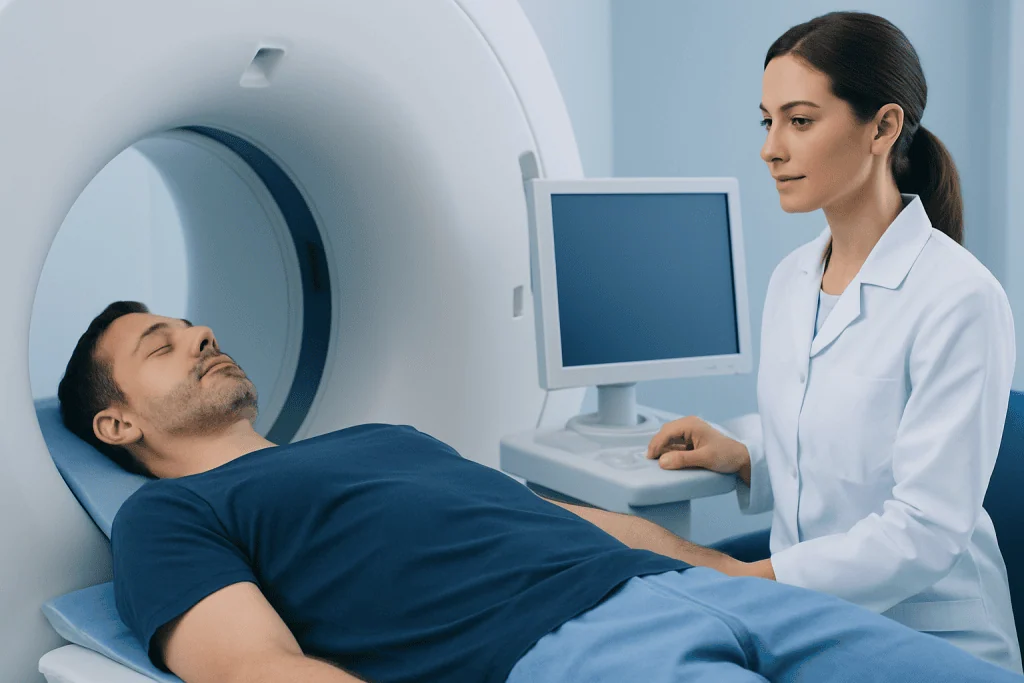
Prostate cancer cells often depend on androgens, the group of male hormones that includes testosterone, to grow and survive. Casodex works by blocking androgen receptors. This means the hormone may still be present in the body, but the cancer cells are less able to use it as a growth signal.
This is different from treatments that lower testosterone production itself. Because of this difference, Casodex is often combined with other forms of hormone therapy rather than replacing them. Doctors may use this strategy to create a stronger hormone-blocking effect, especially in certain stages of prostate cancer.
Patients sometimes hear broad claims online that hormone therapy either always works dramatically or never helps. In reality, response varies from person to person. The benefit depends on factors such as the type and stage of prostate cancer, prior treatment, and how the tumor responds to hormone-sensitive approaches.
Who May Be Prescribed Casodex

Casodex may be prescribed for men with prostate cancer when a doctor believes blocking androgen activity is likely to help. It is commonly considered in advanced or locally advanced disease, and sometimes around the time other hormone treatments are started. The exact role of the medicine has changed over time as newer therapies have become available, so treatment plans are individualized.
A specialist will consider several factors before prescribing it, including age, liver health, heart health, current medicines, and the goals of treatment. For some patients, the main aim is to control cancer growth. For others, it may be to relieve symptoms, support radiation therapy, or form part of a broader cancer treatment pathway.
Casodex is not suitable for everyone. A doctor will review the medical history carefully because some side effects and drug interactions require extra caution. This is one reason why treatment decisions are usually made through specialist cancer and urology services, sometimes with input from radiation oncology teams as well.
Possible Side Effects and Safety Considerations
Like all prescription medicines, Casodex can cause side effects. Many are manageable, but they should still be taken seriously and reported to the treating team. Commonly discussed effects include hot flashes, breast tenderness or enlargement, reduced sexual desire, erectile difficulties, fatigue, and stomach upset. Some people also notice changes in mood or energy levels during hormone-based treatment.
Doctors also monitor for less visible effects. Casodex can affect liver function, so blood tests may be needed before and during treatment. In some patients, hormone-related treatment may also influence body composition, bone health, or metabolic health over time, especially if it is part of long-term androgen deprivation therapy.
Some symptoms need prompt medical review rather than waiting for the next appointment. These include yellowing of the skin or eyes, dark urine, severe abdominal pain, unexplained shortness of breath, chest pain, or signs of an allergic reaction. Patients should also tell their doctor about all other medicines and supplements they take, because interactions can alter safety.
- Do not stop or restart Casodex without medical advice.
- Report persistent fatigue, breast changes, or troublesome hot flashes.
- Attend scheduled blood tests and follow-up visits.
- Ask before using over-the-counter supplements during cancer treatment.
How Doctors Monitor Treatment
Monitoring is an important part of safe and effective Casodex treatment. Doctors usually assess symptoms, side effects, and general well-being at follow-up visits. They may also use blood tests, including prostate-specific antigen (PSA) and liver function tests, to help understand how the treatment is working and whether it is being tolerated safely.
Imaging tests may sometimes be needed if there are concerns about disease progression or new symptoms. The exact follow-up schedule depends on the stage of cancer, whether Casodex is being used alone or with other therapies, and whether the patient has other medical conditions that need attention.
It is helpful for patients to keep a simple record of symptoms between visits. Changes in urination, bone pain, weight, mood, appetite, or sleep may all be worth mentioning. Good monitoring does not just focus on the cancer itself; it also supports quality of life and helps doctors adjust treatment when needed.
Myths and Facts About Casodex
There are many myths online about prostate cancer medicines, and Casodex is no exception. One common myth is that it is a form of chemotherapy. In fact, Casodex is hormone therapy, not chemotherapy. It works by blocking the action of androgens rather than directly killing rapidly dividing cells in the way chemotherapy typically does.
Another myth is that side effects are always severe. While some patients do experience troublesome symptoms, others tolerate the medicine relatively well, especially with careful follow-up and supportive care. Side effects also vary depending on whether Casodex is used alone or alongside other hormone-lowering treatments.
A further misunderstanding is that if PSA falls, treatment is permanently successful. A falling PSA can be a useful sign, but it is only one part of the picture. Doctors also consider symptoms, scans, examination findings, and how long the response lasts. This is why treatment decisions should rely on specialist review rather than online claims or anecdotal stories.
Self-Care During Treatment
Although Casodex is a medical treatment, day-to-day habits can still make a meaningful difference. Patients are often encouraged to maintain a balanced diet, stay physically active within their ability, and get enough rest. These basic steps may help with energy, weight management, mood, and general resilience during prostate cancer treatment.
It can also help to discuss symptoms openly, even if they feel personal or uncomfortable. Changes in sexual function, breast tenderness, sleep, or emotional well-being are all medically relevant and can affect quality of life. In many cases, practical support or treatment adjustments may help.
Smoking cessation, limiting alcohol, and attending all follow-up appointments are also sensible steps. If symptoms suggest disease spread or another related problem, specialists may evaluate for associated conditions such as metastatic cancer and advise on broader supportive care.
When to Seek Medical Care
Patients taking Casodex should seek medical advice if they develop new symptoms, troubling side effects, or concerns about how the medicine is affecting daily life. Prompt review is especially important if there is jaundice, severe weakness, chest pain, breathing difficulty, swelling, severe rash, or sudden worsening pain.
Medical review is also important if urinary symptoms worsen, bone pain appears or increases, or there is unexplained weight loss. These changes do not always mean the cancer is progressing, but they do need proper assessment. It is safer to ask early than to wait and hope symptoms settle on their own.
For people receiving international care, coordination between oncology, urology, imaging, and supportive services can be valuable. Acibadem International’s multidisciplinary specialists and JCI-accredited hospitals diagnose and treat prostate cancer and related treatment needs for international patients.
Frequently asked questions
Is Casodex the same as bicalutamide?
Yes. Casodex is a brand name for the medicine bicalutamide. Doctors and pharmacists may use either name when discussing treatment.
What type of cancer is Casodex used for?
Casodex is mainly used in prostate cancer treatment. It helps block the effect of male hormones that can encourage prostate cancer cells to grow.
Is Casodex chemotherapy?
No. Casodex is not chemotherapy. It is a type of hormone therapy called an anti-androgen, which works by blocking androgen signals rather than acting like traditional chemotherapy drugs.
What are the most common Casodex side effects?
Common side effects can include hot flashes, fatigue, breast tenderness or enlargement, reduced sex drive, and digestive upset. Some people also have changes in liver tests, which is why monitoring is important.
How long do patients take Casodex?
The length of treatment varies depending on the stage of cancer, other treatments being used, and the patient’s response. Only the treating specialist can say how long it should be continued in a specific case.
Can Casodex cure prostate cancer?
Casodex is generally used to control prostate cancer rather than cure it on its own. In some treatment plans, it helps slow disease growth or supports other therapies such as radiation or broader hormone treatment.
References
- National Cancer Institute
- American Cancer Society
- National Health Service
- European Association of Urology
- U.S. Food and Drug Administration
This article is for general information only and is not a substitute for professional medical advice. Please consult a qualified doctor about your individual situation.
Oncology care in Turkey — second opinion and treatment plan
JCI-accredited · board-certified surgeons · reply within 24h
Add us as a Preferred Source to see more of our trusted health content across Google Search, AI Overviews and Discover.