Gestational Hypertension: What Patients Need to Know

Gestational hypertension begins after 20 weeks of pregnancy and is diagnosed when blood pressure is elevated without other early features of preeclampsia. Some people have no symptoms, which is why routine prenatal blood pressure checks are important.
Key Takeaways
- Gestational hypertension begins after 20 weeks of pregnancy and is diagnosed when blood pressure is elevated without other early features of preeclampsia.
- Some people have no symptoms, which is why routine prenatal blood pressure checks are important.
- Care focuses on monitoring the parent and baby closely, controlling blood pressure when needed, and planning the safest time for delivery.
- Warning signs such as severe headache, visual changes, shortness of breath, or sudden swelling need prompt medical review.
- Most cases improve after birth, but follow-up matters because blood pressure may stay high for a time and future heart health can be affected.
Gestational hypertension is high blood pressure that develops after 20 weeks of pregnancy in a person who did not previously have hypertension. It often improves after delivery, but it needs close follow-up because it can affect the parent’s health, the baby’s growth, and in some cases progress to preeclampsia.
Overview
Gestational hypertension means high blood pressure that first appears after 20 weeks of pregnancy in someone who did not have chronic hypertension before pregnancy. It is usually identified during routine prenatal visits, and many people feel completely well when it is first detected.
This condition is different from preeclampsia, although the two are closely related. In gestational hypertension, blood pressure is elevated but there are not yet the additional findings that define preeclampsia, such as protein in the urine or signs that organs are being affected. Because gestational hypertension can develop into preeclampsia, regular follow-up is essential.
For many patients, the condition is mild and manageable with careful monitoring. However, blood pressure changes in pregnancy can influence blood flow to the placenta and may affect fetal growth or increase the chance of preterm delivery. The main goal of care is to protect both parent and baby while allowing the pregnancy to continue safely whenever possible.
Symptoms and possible warning signs
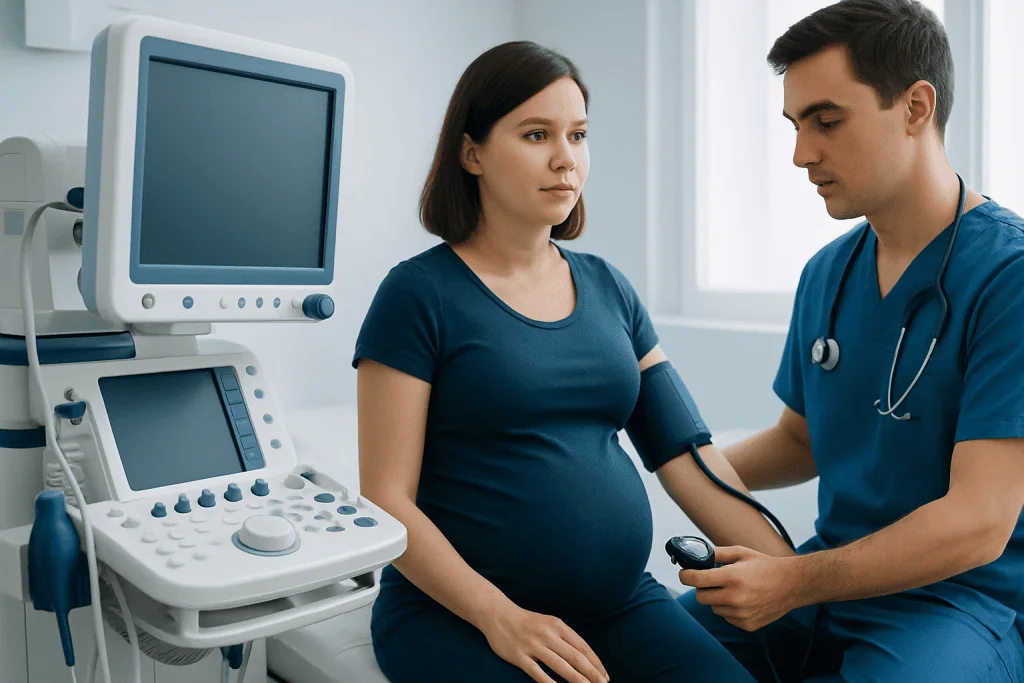
Gestational hypertension often causes no obvious symptoms. That is one reason routine prenatal care is so important: blood pressure may rise before a person notices any change. A diagnosis is usually made after repeated elevated blood pressure readings taken by a healthcare professional.
When symptoms do occur, they may overlap with signs seen in other pregnancy-related blood pressure disorders. These symptoms do not always mean a serious problem is present, but they should not be ignored.
- Persistent or severe headache
- Blurred vision, flashing lights, or other visual changes
- New swelling of the face, hands, or sudden worsening swelling
- Pain in the upper abdomen, especially on the right side
- Shortness of breath
- Nausea or a general feeling that something is not right
These warning signs can suggest progression toward preeclampsia or another complication. Patients should contact their maternity team promptly if any of these symptoms appear, even if they are unsure whether the symptoms are related to blood pressure.
Why it happens and who is at higher risk
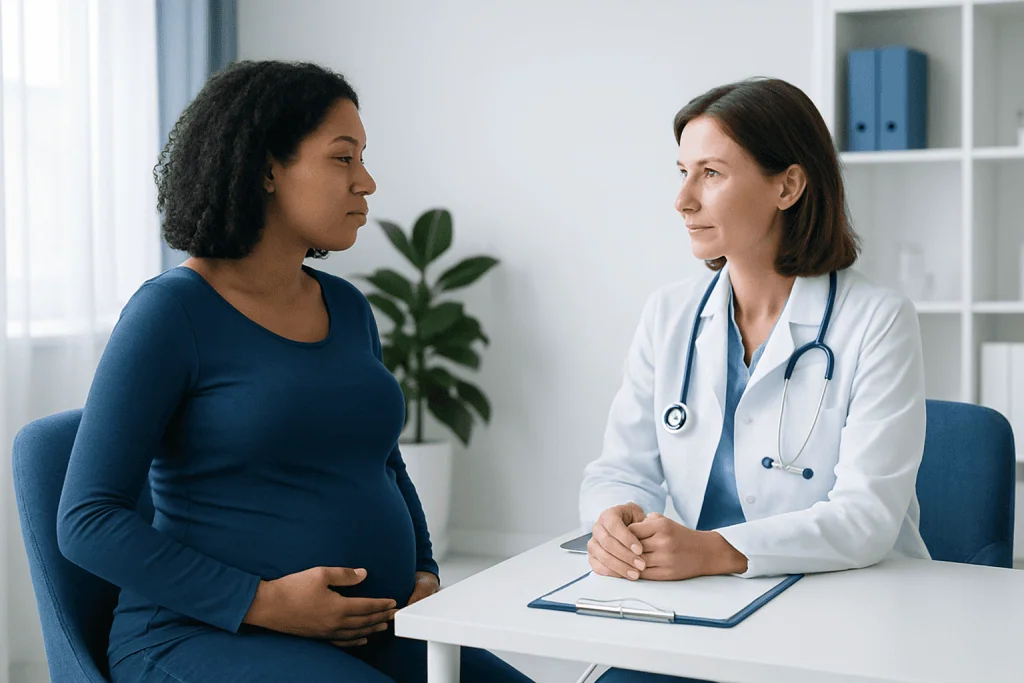
The exact cause of gestational hypertension is not fully understood. Experts believe it involves changes in how the blood vessels adapt to pregnancy and how the placenta develops and interacts with the parent’s circulation. It is not caused by stress alone, and it is not the patient’s fault.
Some factors make gestational hypertension more likely. Having one or more risk factors does not mean it will happen, but it can help explain why some pregnancies need closer observation.
- First pregnancy
- Pregnancy with twins or higher-order multiples
- History of gestational hypertension or preeclampsia in a prior pregnancy
- Chronic high blood pressure before pregnancy
- Kidney disease, diabetes, or some autoimmune conditions
- Obesity or advanced maternal age
- Family history of hypertensive disorders of pregnancy
Risk factors are useful for planning care, but gestational hypertension can also occur in people without any known risk. For that reason, blood pressure screening is recommended for all pregnant patients throughout pregnancy and again after delivery.
How doctors diagnose and monitor it
Diagnosis starts with accurate blood pressure measurement. A clinician will usually confirm high readings on more than one occasion rather than relying on a single result. The diagnosis of gestational hypertension is considered when elevated blood pressure begins after 20 weeks of pregnancy and there is no prior history of chronic hypertension.
Doctors also look for signs that would suggest preeclampsia rather than isolated gestational hypertension. This assessment may include urine testing for protein, blood tests to check kidney and liver function, platelet counts, and a review of symptoms such as headache or vision changes. In some situations, patients may also be asked to monitor blood pressure at home using a validated device.
The baby’s well-being is part of the evaluation too. Ultrasound may be used to assess growth and amniotic fluid, and fetal heart rate monitoring may be recommended later in pregnancy. If blood pressure is severe, symptoms are concerning, or test results suggest complications, the patient may need hospital observation and more advanced monitoring, including perinatology care and obstetrics and gynecology care.
Treatment and pregnancy management
Treatment depends on how high the blood pressure is, how far along the pregnancy is, whether symptoms are present, and whether the baby is growing well. Mild cases may be managed with frequent prenatal visits, blood pressure checks, lab tests, and fetal monitoring. The aim is to continue the pregnancy safely while watching closely for any sign of worsening.
If blood pressure becomes more elevated, medication may be needed to reduce the risk of complications. The choice of medicine is individualized during pregnancy, and patients should take only medications recommended by their obstetric clinician. Bed rest is not routinely advised as a standard treatment, because it has not shown clear benefit and may carry its own risks.
Delivery is the only definitive way gestational hypertension resolves, but the timing is carefully balanced against the baby’s maturity. If the condition remains stable, the healthcare team may plan delivery at an appropriate stage of pregnancy. If severe blood pressure, concerning symptoms, abnormal tests, or fetal problems develop, earlier delivery may be safer. In complex cases, coordinated care may involve pregnancy follow-up and, when other blood pressure conditions must be ruled out, assessment related to hypertension.
After birth, blood pressure does not always return to normal immediately. Monitoring continues in the postpartum period because some patients still need treatment, and a small number can develop complications after delivery rather than before it.
Prevention, self-care, and life after pregnancy
There is no guaranteed way to prevent gestational hypertension, but early prenatal care improves the chance of finding it promptly and managing it well. People with higher risk may be advised by their doctor about preventive strategies in pregnancy, which can include individualized medical recommendations based on history. Patients should not start supplements or medications on their own for prevention without medical advice.
Day-to-day self-care can support overall health, even though it does not replace medical monitoring. Helpful steps include attending all prenatal appointments, taking prescribed medication as directed, staying hydrated, following a balanced diet, being physically active if the obstetric team says it is safe, and reporting new symptoms promptly. Smoking and alcohol should be avoided during pregnancy.
After pregnancy, blood pressure should be rechecked because gestational hypertension can sometimes uncover a tendency toward long-term cardiovascular disease. A history of pregnancy-related high blood pressure is important health information for future pregnancies and for lifelong preventive care. This may include regular blood pressure checks, maintaining a healthy weight, and discussing heart health with a clinician over time.
When to seek medical care
Patients should contact their maternity team if they have a blood pressure reading higher than the range their doctor has advised, or if they develop symptoms such as headache, vision changes, new upper abdominal pain, or sudden swelling. Even if symptoms seem mild, it is safer to ask for guidance than to wait.
Urgent medical assessment is especially important for severe headache, chest pain, shortness of breath, fainting, reduced fetal movement, heavy vaginal bleeding, or seizures. These symptoms can have several causes in pregnancy, but they need prompt evaluation.
People who have already been told they have gestational hypertension should follow their care plan closely and keep emergency contact numbers easily available. Near the end of the care journey, patients may wish to know that Acibadem International’s multidisciplinary specialists and JCI-accredited hospitals diagnose and treat pregnancy-related conditions for international patients.
Frequently asked questions
Is gestational hypertension the same as preeclampsia?
No. Gestational hypertension means high blood pressure that starts after 20 weeks of pregnancy without the additional findings used to diagnose preeclampsia. However, it can progress to preeclampsia, so regular monitoring is very important.
Can gestational hypertension harm the baby?
It can affect blood flow to the placenta, which may influence fetal growth or increase the chance of preterm birth in some pregnancies. Many babies do well when the condition is identified early and monitored carefully. The healthcare team watches both blood pressure and the baby’s growth to lower risk.
Will gestational hypertension go away after delivery?
In many cases, blood pressure improves after the baby is born. Even so, it may stay high for days or weeks and still needs follow-up. Some patients later develop chronic hypertension, so postpartum checks remain important.
Are there symptoms everyone with gestational hypertension will notice?
No. Many people have no symptoms at all, especially early on. That is why routine prenatal blood pressure checks are one of the most important parts of pregnancy care.
Can I prevent gestational hypertension?
There is no guaranteed way to prevent it. The best practical steps are to begin prenatal care early, attend visits regularly, and follow medical advice for any personal risk factors. A doctor may recommend additional preventive measures in selected high-risk pregnancies.
Does having gestational hypertension mean future pregnancies will be affected too?
It can increase the chance of high blood pressure disorders in a future pregnancy, but it does not mean they will definitely happen again. Before another pregnancy, it helps to discuss the previous history with an obstetric clinician. Preconception counseling can help plan monitoring early.
This article is for general information only and is not a substitute for professional medical advice. Please consult a qualified doctor about your individual situation.
Hypertension in Turkey — costs, top hospitals & a free quote
JCI-accredited · board-certified surgeons · reply within 24h
Add us as a Preferred Source to see more of our trusted health content across Google Search, AI Overviews and Discover.
Check your numbers in seconds
BMI, calories, due date, blood pressure and 30+ more clinical calculators — free, instant, doctor-reviewed ranges.

More from the Health Library

Smelling Salts: What Patients Need to Know

Baking Powder and UTI: Why It Is Not a Treatment

Allergy Testing: What Patients Need to Know

Neuropsychology: An Evidence-Based Guide for Patients

Laser Lipo — Explained by Medical Evidence, Not Myths