Laser Lipo — Explained by Medical Evidence, Not Myths

Laser lipo is designed for body contouring, not major weight loss. It works best for small, stubborn fat areas in people near a stable weight.
Key Takeaways
- Laser lipo is designed for body contouring, not major weight loss.
- It works best for small, stubborn fat areas in people near a stable weight.
- Results vary by technique, skin quality, and overall health.
- Common side effects include swelling, bruising, tenderness, and temporary numbness.
- A qualified doctor should assess whether another option may be safer or more effective.
Laser lipo is a cosmetic body-contouring procedure that uses laser energy to target small, localized fat deposits. Medical evidence suggests it may help refine body shape in carefully selected adults, but it is not a treatment for obesity and does not replace long-term nutrition, movement, and medical care.
What laser lipo is—and what it is not
Laser lipo, also called laser lipolysis, is a procedure used to reduce small areas of unwanted fat and improve body contour. In medical terms, it uses laser energy to heat fat cells so they can be broken down and removed or gradually cleared by the body, depending on the technique used. It is most often chosen for localized areas such as the abdomen, flanks, thighs, arms, chin, or back.
One of the most important facts for patients is that laser lipo is not the same as general weight-loss treatment. It is not intended to treat obesity, metabolic disease, or the health risks linked to excess body weight. Instead, it is a shape-refining option for people who are already close to their target weight but have specific areas that have not responded well to diet and exercise.
The term “laser lipo” is sometimes used loosely in advertising, which can cause confusion. Some clinics use it to describe minimally invasive procedures performed through a small incision, while others use it for noninvasive treatments that apply energy through the skin. Because devices and methods differ, a careful medical consultation is essential before deciding whether laser lipo is appropriate.
How the procedure works
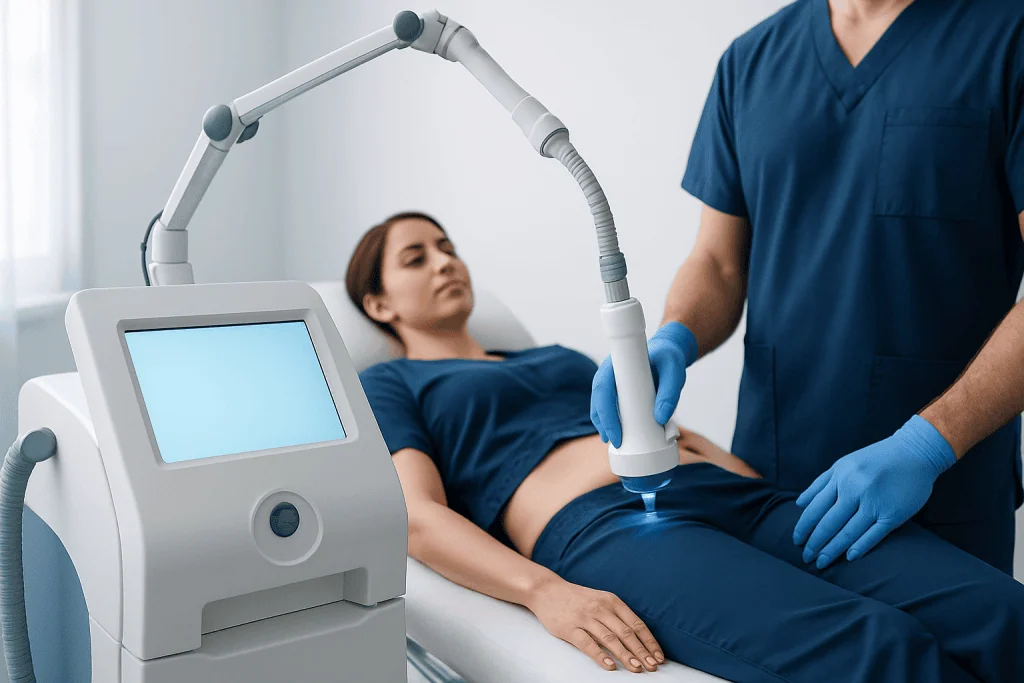
In minimally invasive laser lipolysis, a doctor makes a very small incision and inserts a thin fiber under the skin. The laser heats the fatty tissue, helping to disrupt fat cells and, in some cases, tighten the skin by stimulating collagen. The treated fat may then be suctioned out, or the body may gradually process it over time, depending on the exact method used.
Noninvasive approaches do not require incisions. Instead, a device is placed on the skin to deliver laser or light-based energy to a targeted area. These treatments usually involve less downtime, but they may also produce subtler results and may require more than one session.
Patients often compare laser lipo with standard liposuction, but they are not identical. Traditional liposuction physically removes larger amounts of fat and is usually more suitable when greater contour change is needed. Laser lipo may offer a smaller, more targeted adjustment and can be helpful when the goal is refinement rather than substantial volume reduction.
The procedure plan depends on the treatment area, the amount of fat present, skin elasticity, and whether the person has any medical conditions that affect healing. A doctor will also consider whether another approach, such as body contouring procedures or a broader bariatric surgery evaluation for obesity-related concerns, would better match the patient’s goals and health needs.
Who may be a good candidate

Laser lipo is generally considered for adults with small, persistent fat deposits who are at or near a stable weight and want improved contour rather than significant weight reduction. Good candidates usually have realistic expectations, understand that results are modest, and are able to maintain healthy habits after treatment.
Skin quality matters. People with mild to moderate skin laxity may see some tightening benefit from heat-based treatment, but laser lipo cannot correct major loose skin. When skin elasticity is poor, the cosmetic result may be limited, and another procedure may be more appropriate.
People may not be suitable candidates if they are pregnant, have uncontrolled medical conditions, active skin infections in the treatment area, bleeding disorders, or healing problems. Caution is also needed in smokers and in people with certain chronic illnesses, because blood flow and tissue repair can be affected. If excess weight is part of a wider health picture, evaluation for obesity and its related conditions may be more important than focusing on spot fat reduction alone.
A consultation should include discussion of goals, previous procedures, medications, allergies, and personal risk factors. This helps determine not only whether laser lipo is possible, but whether it is the best option among available evidence-based treatments.
What results to expect
Evidence suggests that laser lipo can improve contour in selected patients, especially when fat deposits are small and clearly localized. Results are usually not immediate. Swelling is common after treatment, and the final appearance may take weeks or months to become clearer as inflammation settles and the body adapts.
Expectations should be realistic. Laser lipo usually changes shape more than body weight. A person may notice a smoother line at the waist, reduced fullness under the chin, or a better fit in clothing, but it is not designed to create a dramatic reduction in body size.
Results can last if body weight remains stable. However, remaining fat cells can still enlarge if a person gains weight later. For that reason, long-term outcome depends not only on the procedure itself but also on eating patterns, physical activity, sleep, and overall metabolic health.
No contouring treatment can guarantee symmetry or perfection. Body shape is influenced by genetics, hormones, skin elasticity, age, and previous weight changes. A balanced medical discussion should focus on likely improvement rather than idealized images.
Risks, side effects, and limitations
Like any medical or cosmetic procedure, laser lipo has risks. Common short-term effects include swelling, bruising, soreness, redness, temporary numbness, and mild fluid drainage if an incision was used. These effects often improve gradually, but the recovery pattern varies from person to person.
Less common but more important risks can include burns, infection, uneven contour, prolonged pain, scarring, skin discoloration, firmness under the skin, or delayed healing. Minimally invasive techniques also carry small risks related to local anesthesia, bleeding, or fluid collection. The likelihood of complications depends partly on the treatment method and the experience of the treating team.
Another limitation is that laser lipo does not address the underlying causes of weight gain. If a person is dealing with hormonal issues, stress-related eating, inactivity, or conditions such as metabolic syndrome, contouring treatment alone will not solve those broader health concerns. In some cases, medical assessment for nutrition, endocrine, or weight-management needs is more useful than a cosmetic procedure.
- Laser lipo is not a substitute for healthy lifestyle habits.
- It is not meant for large-volume fat removal.
- It cannot reliably tighten severely loose skin.
- It should be performed only after a proper medical evaluation.
Preparation, recovery, and self-care
Before treatment, patients are usually advised to attend a full consultation, review their medications, and discuss smoking, alcohol use, and any medical conditions that could affect healing. The doctor may recommend avoiding certain medicines or supplements that can increase bruising or bleeding, but medication changes should only be made under professional guidance.
Recovery depends on whether the technique is invasive or noninvasive. After minimally invasive laser lipo, temporary tenderness, swelling, and bruising are common. Some people return to light activities relatively quickly, while others need more recovery time. Compression garments may be recommended in some cases to support healing and help shape the treated area.
Aftercare generally includes keeping the area clean, following wound-care instructions if there was an incision, staying well hydrated, and avoiding strenuous activity until the doctor advises it is safe. Gentle walking is often encouraged to support circulation. Results are usually better maintained when treatment is paired with regular movement and balanced nutrition rather than relying on the procedure alone.
Near the end of the treatment journey, some patients may benefit from follow-up review with specialists in aesthetic medicine, nutrition, or weight management. At Acibadem International, multidisciplinary specialists in JCI-accredited hospitals diagnose and treat patients seeking body contouring and related metabolic assessments, helping international patients understand which option is medically appropriate.
When to seek medical care
Medical attention is important if recovery does not follow the expected course. Patients should contact their doctor promptly if they develop increasing redness, warmth, severe swelling, worsening pain, fever, pus-like drainage, shortness of breath, chest pain, or significant asymmetry that appears suddenly. These symptoms do not always mean a serious problem, but they should be assessed without delay.
It is also wise to seek medical advice before the procedure if body contour concerns are accompanied by fatigue, rapid weight changes, menstrual changes, swelling, or symptoms suggesting an underlying health issue. In those situations, the priority may be evaluation for a medical cause rather than cosmetic treatment.
A careful consultation helps patients weigh benefits, limitations, and alternatives. People who want fat reduction but are unsure whether laser lipo is the right fit should ask about expected results, possible complications, recovery time, skin tightening, and whether a different evidence-based approach would better match their goals.
Frequently asked questions
Is laser lipo the same as liposuction?
No. Laser lipo usually refers to laser-based fat reduction or laser-assisted fat treatment, while liposuction is a procedure that physically removes fat through suction. Some laser techniques may be used alongside liposuction, but the terms are not interchangeable.
Does laser lipo help with weight loss?
Laser lipo is primarily a body-contouring treatment, not a weight-loss therapy. It may reduce small pockets of fat, but it does not treat the medical causes of excess weight or replace long-term nutrition and exercise habits.
How long do laser lipo results last?
Results can last if body weight remains stable and healthy habits are maintained. However, fat can still accumulate in treated or untreated areas if a person gains weight later.
Is laser lipo painful?
Discomfort varies by technique. Minimally invasive procedures may cause temporary soreness, tenderness, and bruising, while noninvasive methods are often associated with milder discomfort during or after treatment.
Who should avoid laser lipo?
People with uncontrolled medical conditions, active infection in the treatment area, certain bleeding or healing problems, or unrealistic expectations may not be good candidates. A qualified doctor should review medical history and treatment goals before proceeding.
Can laser lipo tighten loose skin?
It may provide mild skin-tightening benefits in some people because heat can stimulate collagen. However, it does not correct significant loose or hanging skin, and surgical options may be more effective in those cases.
This article is for general information only and is not a substitute for professional medical advice. Please consult a qualified doctor about your individual situation.
Explore treatments in Turkey — costs, top hospitals & a free quote
JCI-accredited · board-certified surgeons · reply within 24h
Add us as a Preferred Source to see more of our trusted health content across Google Search, AI Overviews and Discover.

More from the Health Library

Hydrogen Peroxide Mouthwash: What Patients Need to Know

Desonide Cream: An Evidence-Based Guide for Patients

High Sugar Fruits: A Complete Medical Overview

Primary Hypertension: An Evidence-Based Guide for Patients

Toasted Sesame Oil: An Evidence-Based Guide for Patients