Hydrogen Peroxide Mouthwash: What Patients Need to Know

Hydrogen peroxide mouthwash may help with minor gum irritation, plaque control, and cleaning around sore areas. It should only be used in an appropriate diluted form and not swallowed.
Key Takeaways
- Hydrogen peroxide mouthwash may help with minor gum irritation, plaque control, and cleaning around sore areas.
- It should only be used in an appropriate diluted form and not swallowed.
- Overuse can irritate the mouth, delay healing, or worsen dryness and sensitivity.
- It does not replace brushing, flossing, or a professional dental evaluation.
- Persistent pain, swelling, bleeding, ulcers, or bad breath should be assessed by a clinician.
Hydrogen peroxide mouthwash can be useful for short-term oral care because it helps lower bacteria and loosen debris. However, it is not right for every mouth problem, and safe use depends on the concentration, dilution, and frequency.
Overview: what hydrogen peroxide mouthwash does
Hydrogen peroxide mouthwash is an oral rinse used to help reduce bacteria, loosen mucus and debris, and gently cleanse the tissues inside the mouth. In many cases, it is used for short periods when the gums are mildly irritated, when there are minor mouth sores, or when a dentist recommends extra oral hygiene support.
It works through a bubbling, oxygen-releasing action that can help lift debris from the surface of the gums and cheeks. This is why some people notice foaming when they rinse. The effect may make the mouth feel cleaner, but it does not mean stronger or more frequent use is better.
Hydrogen peroxide mouthwash is not a cure for every oral symptom. Mouth pain, swelling, white patches, bleeding, or a persistent bad taste may have many causes, including gum disease, infection, dryness, irritation from dental appliances, or a problem unrelated to oral hygiene. A rinse may ease symptoms temporarily, but the underlying cause still matters.
For that reason, hydrogen peroxide mouthwash is best viewed as a supportive tool rather than a daily necessity for everyone. It can be helpful when used correctly, but it should be chosen thoughtfully and ideally with guidance from a dentist or doctor if symptoms continue.
Possible benefits and when it may be used
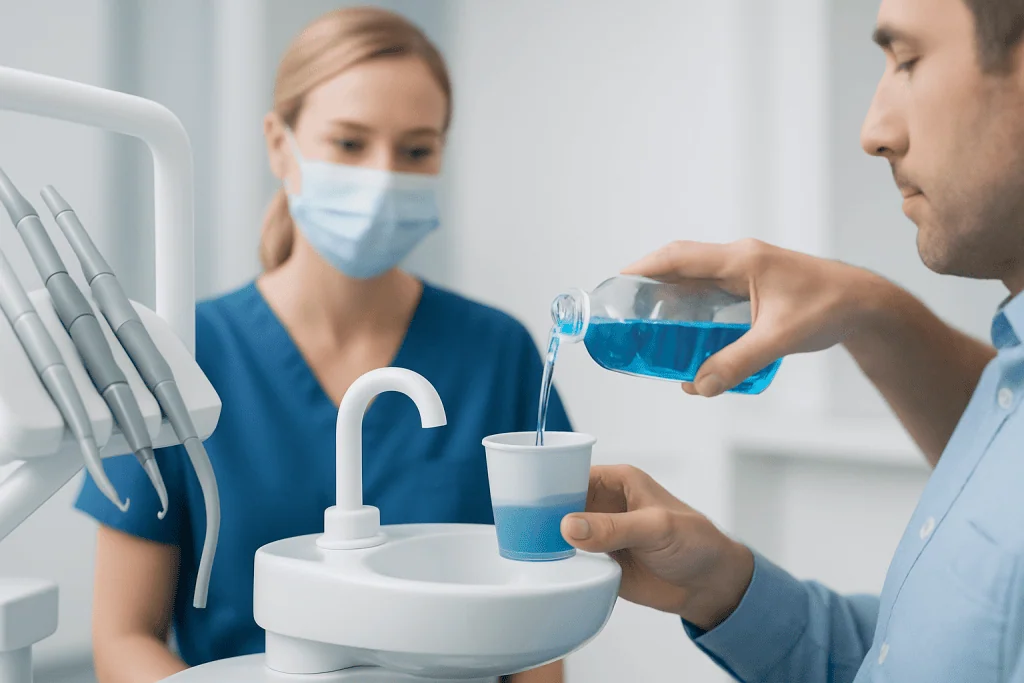
The main reason people use hydrogen peroxide mouthwash is to temporarily reduce the number of bacteria in the mouth and to clean areas that are tender or difficult to brush. Some clinicians may suggest it after minor irritation, around inflamed gums, or when a person has trouble keeping an area clean because of soreness.
It may be considered in situations such as mild gum irritation, canker sore discomfort, or plaque buildup around areas that are sensitive. It can also sometimes be used for short-term oral care after a dental procedure, but only if a dental professional specifically recommends it.
Possible short-term benefits may include:
- Helping cleanse the mouth when brushing is uncomfortable
- Reducing surface bacteria
- Loosening food particles and debris
- Supporting oral hygiene during brief periods of gum irritation
- Freshening the mouth temporarily
Even when these benefits are present, hydrogen peroxide mouthwash does not replace standard oral care. Brushing with fluoride toothpaste, cleaning between the teeth, staying hydrated, and treating the cause of irritation remain the foundation of mouth health. If bleeding gums or pain continue, evaluation for problems such as gum disease may be appropriate.
How to use hydrogen peroxide mouthwash safely

Safe use starts with the product and its concentration. Some mouth rinses are sold ready to use, while others require dilution. A patient should always follow the label instructions or the advice given by a dentist or doctor. Stronger solutions are not meant for routine oral rinsing unless specifically prescribed and explained by a professional.
In general, the rinse is swished gently in the mouth for a short period and then spit out completely. It should not be swallowed. After rinsing, it is usually sensible to wait a little before eating or drinking unless a clinician has provided other instructions.
Children, older adults with swallowing difficulties, and anyone who may accidentally ingest the rinse need extra caution. In these situations, a clinician may suggest an alternative mouth rinse that is easier and safer to use. People with dentures, braces, or recent dental work should also ask whether hydrogen peroxide mouthwash is suitable for their specific situation.
If there is uncertainty about technique or whether a rinse is appropriate after a procedure, professional advice is helpful. For example, care after certain oral treatments may involve a tailored hygiene plan rather than self-directed rinsing, especially after dental implant treatment or other dental procedures.
Risks, side effects, and who should be cautious
Although it is widely available, hydrogen peroxide mouthwash can irritate the mouth if it is too strong or used too often. A person may notice burning, stinging, altered taste, dryness, or peeling of the inside lining of the mouth. These effects are more likely when the rinse is used too frequently or left in contact with tissues for too long.
It may also worsen symptoms in people who already have a dry, sensitive, or inflamed mouth. If the tissues are fragile, repeated exposure can make eating and brushing more uncomfortable. In some cases, people mistake this irritation for worsening infection when it is actually a reaction to overuse.
Caution is especially important for people with active mouth ulcers, suspected oral infections, very sore gums, recent oral surgery, or chronic oral conditions. Individuals receiving cancer treatment, those with significant immune suppression, or those with persistent white patches should not rely on self-treatment alone. Some mouth symptoms need professional examination because they can overlap with conditions requiring specific care.
A patient should also avoid mixing mouth rinses or using several antiseptic products at the same time unless advised to do so. Combining products can increase irritation without improving outcomes. If there is concern about infection, severe tooth pain, or swelling, a dental assessment may be more useful than changing from one mouthwash to another. In some cases, proper treatment may involve root canal treatment or other targeted dental care rather than an over-the-counter rinse.
What hydrogen peroxide mouthwash cannot treat
One of the most important points for patients is understanding the limits of hydrogen peroxide mouthwash. It may help cleanse the mouth, but it does not remove tartar, repair cavities, cure deep gum disease, or treat a dental abscess. It also cannot diagnose why a symptom started.
If there is a cavity, a cracked tooth, severe gum inflammation, or trapped infection under the gumline, the rinse may temporarily reduce odor or surface debris while the main problem continues. That can delay care if a person assumes the bubbling effect means the issue is being fully treated.
Hydrogen peroxide mouthwash is also not a substitute for treating fungal infections, viral mouth sores, significant trauma, or unexplained lesions. A persistent ulcer, thick white coating, one-sided pain, or a swelling that does not improve should not be managed with mouthwash alone.
When symptoms point to a broader oral problem, the next step may be a full dental examination and cleaning, treatment of decay, or management of advanced tooth decay. If there is concern about alignment or areas that trap plaque repeatedly, a clinician may also discuss preventive dental care or, in selected cases, orthodontic treatment to improve long-term oral hygiene.
Safer alternatives and self-care for everyday oral health
For many people, gentler options are enough for day-to-day oral care. Salt-water rinses, alcohol-free mouthwashes, and regular brushing and flossing are often better choices for ongoing use. These approaches can support oral hygiene without exposing the soft tissues to repeated chemical irritation.
Daily mouth care is usually most effective when it includes a soft toothbrush, fluoride toothpaste, cleaning between the teeth, and good hydration. If the mouth feels dry, avoiding tobacco, limiting alcohol, and reviewing medications with a clinician may help. Dryness can increase irritation and make any mouthwash feel harsher.
For canker sores or mild irritation, it also helps to avoid triggers such as spicy foods, sharp foods, or aggressive brushing until the area settles. If braces, retainers, dentures, or rough dental surfaces are rubbing the tissues, the mechanical cause should be corrected. Otherwise, symptoms may keep returning.
A patient with repeated gum bleeding, recession, or ongoing tenderness may benefit more from professional cleaning and periodontal assessment than from changing rinses at home. In some cases, dentists may recommend periodontal care to address inflammation and improve long-term gum health.
When to seek medical or dental care
Hydrogen peroxide mouthwash is not meant to manage severe, persistent, or unexplained mouth symptoms. A patient should seek dental or medical care if pain lasts more than a few days, if the gums bleed often, or if a mouth sore does not heal. Swelling of the face or jaw, fever, pus, trouble swallowing, or worsening pain need prompt assessment.
Medical review is also important for white or red patches, numbness, a lump in the mouth, bad breath that does not improve, or pain linked to a damaged tooth. These symptoms can have several causes, and proper diagnosis usually matters more than trying different rinses. If a product causes burning or peeling, it should be stopped and discussed with a clinician.
People with diabetes, immune system conditions, cancer treatment, or recent oral surgery should be especially careful about self-treatment. They may need a specific plan for oral care based on healing, infection risk, and medications. For international patients who need evaluation and treatment, Acibadem International’s multidisciplinary specialists and JCI-accredited hospitals provide dental and medical assessment tailored to the underlying problem.
Used thoughtfully, hydrogen peroxide mouthwash can be part of short-term oral care. The safest approach is to use it only as directed, stop if it irritates the mouth, and arrange professional care when symptoms are persistent, severe, or unclear.
Frequently asked questions
Is hydrogen peroxide mouthwash safe to use every day?
It is not usually the best choice for long-term daily use unless a clinician specifically recommends it. Frequent use can irritate the soft tissues of the mouth, especially in people with dryness or sensitivity. Many patients do better with gentler daily oral care and occasional short-term use only when advised.
Should hydrogen peroxide mouthwash be diluted?
That depends on the product. Some rinses are sold ready to use, while others need dilution according to the label or professional instructions. A patient should never assume that a stronger mixture will work better, because it can increase irritation.
Can hydrogen peroxide mouthwash whiten teeth?
It may have a mild surface-brightening effect in some people, but it is not primarily a tooth-whitening treatment. It will not change deeper tooth color the way professionally guided whitening methods can. Overusing it for whitening can irritate the gums and oral tissues.
Can it help with bad breath?
It may temporarily improve bad breath by reducing some bacteria and removing debris. However, persistent bad breath often has an underlying cause such as gum disease, dental decay, dry mouth, sinus problems, or digestive issues. If the odor keeps returning, a proper evaluation is more useful than repeated rinsing.
Can hydrogen peroxide mouthwash treat gum disease?
No. It may support short-term cleaning, but it does not treat the deeper causes of gum disease. Effective care usually depends on professional cleaning, home oral hygiene, and sometimes more specific periodontal treatment.
What should someone do if the mouthwash burns or causes peeling?
The rinse should be stopped and the mouth allowed to recover. Burning, soreness, or peeling can be a sign that the product is too strong, used too often, or not suitable for that person. If symptoms do not settle quickly, a dentist or doctor should assess the mouth.
This article is for general information only and is not a substitute for professional medical advice. Please consult a qualified doctor about your individual situation.
Explore treatments in Turkey — costs, top hospitals & a free quote
JCI-accredited · board-certified surgeons · reply within 24h
Add us as a Preferred Source to see more of our trusted health content across Google Search, AI Overviews and Discover.

More from the Health Library

How to loosen a bowel blockage at home? A Doctor-Reviewed Answer

Lip Filler Aftercare: A Complete Medical Overview

Knee Ligaments: A Complete Medical Overview

Hot Stone Massage: An Evidence-Based Guide for Patients

Heart Rate Monitor: A Complete Medical Overview