Heart Rate Monitor: A Complete Medical Overview
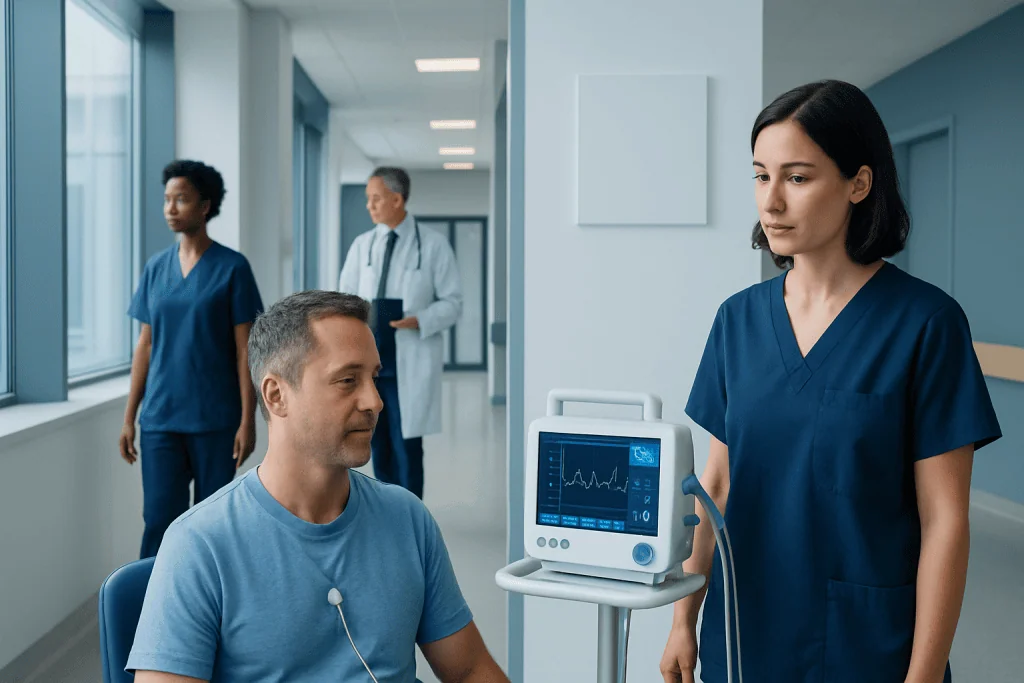
A heart rate monitor shows how fast the heart is beating, but it does not by itself diagnose a heart condition. Chest strap monitors are often more accurate during exercise than wrist-based devices, especially with vigorous movement.
Key Takeaways
- A heart rate monitor shows how fast the heart is beating, but it does not by itself diagnose a heart condition.
- Chest strap monitors are often more accurate during exercise than wrist-based devices, especially with vigorous movement.
- Normal heart rate varies by age, fitness level, medications, stress, hydration, and illness.
- Unexpected readings should be considered together with symptoms such as chest pain, fainting, shortness of breath, or palpitations.
- Persistent abnormal readings or bothersome symptoms should be reviewed by a qualified doctor.
A heart rate monitor is a device that tracks pulse rate in real time, usually through a chest strap, wrist sensor, smartwatch, or medical monitor. It can be useful for exercise, recovery, and symptom tracking, but readings are most helpful when interpreted alongside age, activity, medications, and overall health.
Overview: What a Heart Rate Monitor Does
A heart rate monitor is a device that measures how many times the heart beats per minute. Many people use one during exercise, but it can also help track recovery, stress, sleep, and symptoms such as palpitations or lightheadedness. In simple terms, it provides a real-time pulse reading that can help a person better understand how the body responds to activity and rest.
Heart rate monitors are available in several forms. Common options include chest straps that detect the heart’s electrical activity, wrist-worn devices that use light sensors to estimate pulse from blood flow, and medical-grade monitors used in clinics or hospitals. Some devices only show heart rate, while others also record rhythm trends, exercise zones, or alerts for unusually high or low readings.
It is important to understand what these devices can and cannot do. A heart rate monitor can be a useful tracking tool, but a single reading does not explain why the pulse is high, low, fast, or irregular. Context matters. Physical activity, caffeine, fever, emotional stress, poor sleep, dehydration, and certain medicines can all change heart rate without indicating a dangerous problem.
For some people, heart monitoring becomes part of a broader medical evaluation. If symptoms suggest a rhythm problem, a doctor may recommend formal testing or specialist assessment through services such as cardiology evaluation or more focused heart rhythm monitoring. Used appropriately, a heart rate monitor can support awareness, but it should not replace professional medical advice.
Types of Heart Rate Monitors and How They Work
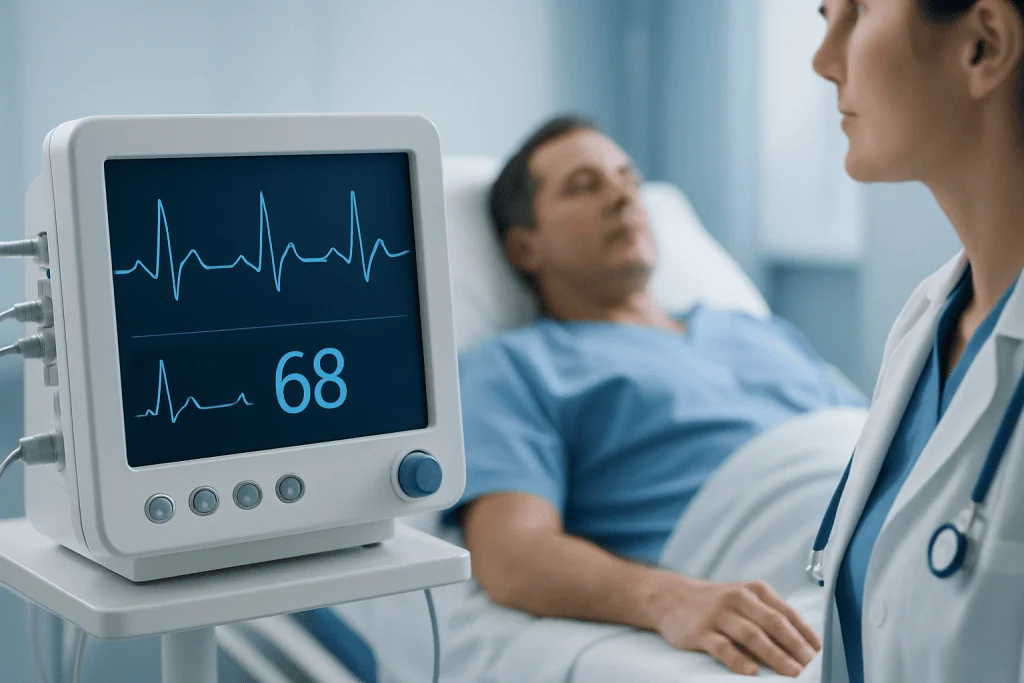
Not all heart rate monitors work in the same way. Chest strap devices are typically considered the most reliable for exercise because they detect the electrical signals generated by each heartbeat, similar in principle to a simple electrocardiographic measurement. These are often favored by athletes or anyone who wants more consistent readings during running, cycling, or interval training.
Wrist-based monitors and smartwatches usually use optical sensors. These sensors shine light into the skin and estimate pulse by detecting changes in blood flow. They are convenient and comfortable for daily use, but their accuracy can be affected by movement, skin tone, fit, temperature, sweat, tattoos, and the position of the device on the wrist.
Finger pulse oximeters can also display heart rate, although their main purpose is measuring oxygen saturation. In hospitals or clinics, medical teams may use bedside monitors, 12-lead electrocardiograms, or portable recorders such as Holter monitors if there is concern about an abnormal heart rhythm. These clinical tools can provide more detailed information than a consumer wearable.
Some newer devices include alerts for irregular pulse patterns. These features may encourage someone to seek assessment, but they are not the same as a diagnosis. If a wearable repeatedly flags irregular rhythm or a person notices racing, skipped, or pounding beats, further review may be needed to check for conditions such as arrhythmia.
What Is a Normal Heart Rate?
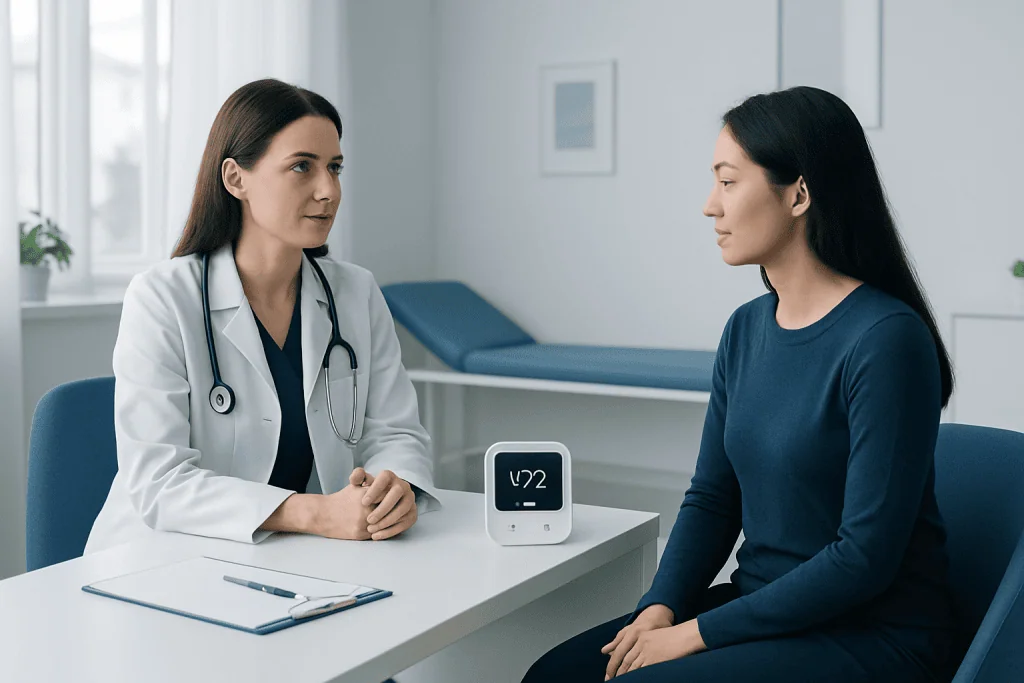
A normal resting heart rate for most adults is often described as roughly 60 to 100 beats per minute, but there is a healthy range within that range. People who are physically fit may naturally have lower resting rates, while children usually have faster heart rates than adults. During exercise, heart rate normally rises to meet the body’s increased demand for oxygen.
A reading should always be interpreted in context. A pulse of 95 beats per minute while resting quietly may be normal for one person but unusual for another. Likewise, a lower pulse may be normal in an endurance-trained adult but may need review in someone with dizziness, fainting, or fatigue. Age, fitness, anxiety, thyroid function, fever, pain, and medications all influence what is expected.
Heart rate can also change through the day. It may be higher after caffeine, alcohol, emotional stress, or poor sleep, and lower during relaxation or sleep. Temporary shifts are common. What matters more than one isolated number is the overall pattern and whether symptoms accompany the reading.
Many monitors also display exercise zones, usually based on a percentage of an estimated maximum heart rate. These zones can be useful for training plans, but they are not exact medical targets for every person. Anyone with a known heart condition, unexplained symptoms, or concerns about safe exercise intensity should ask a doctor for personalized guidance.
Accuracy, Limits, and Common Reasons for Unusual Readings
Heart rate monitor accuracy depends on the device type and the situation in which it is used. In general, chest straps tend to perform better during vigorous activity because they are less affected by motion. Wrist-based devices are often accurate enough for general wellness tracking, but they may be less reliable during high-intensity exercise, strength training, or activities with frequent arm movement.
A reading may be inaccurate if the device is too loose, poorly positioned, low on battery, or not making good skin contact. Cold hands, reduced circulation, excessive sweat, body hair, and bright ambient light can also affect some sensors. If a number does not match how the person feels, it is reasonable to pause, adjust the device, and recheck after resting.
There are also normal reasons for true heart rate changes. Exercise, emotional stress, heat, dehydration, fever, anemia, pregnancy, and stimulants can raise heart rate. Sleep, deep relaxation, certain heart medicines, and high fitness levels can lower it. This is why a monitor should be viewed as a tool that adds information rather than a device that explains the whole picture.
If a person repeatedly records unusually fast, slow, or irregular readings, especially with symptoms, formal testing may be needed. A doctor may listen to the heart, review medications, order blood tests, or request tests such as an electrocardiogram or portable monitor. In some cases, symptoms may overlap with other heart problems that deserve evaluation, including coronary artery disease when chest discomfort or breathlessness is present.
When a Heart Rate Monitor Can Be Helpful
For healthy adults, a heart rate monitor can be a practical way to guide exercise intensity. It can help a person avoid starting too hard, pace steady endurance activity, or monitor recovery between intervals. Some people also use it to see how sleep, stress, heat, or hydration influence their daily pulse patterns.
In symptom tracking, a monitor may help someone document what happens during episodes of palpitations, lightheadedness, or fatigue. Recording the time, activity, and reading can give a doctor more useful information than memory alone. Even so, the monitor cannot show the full cause of symptoms, and normal readings do not always rule out a problem.
People with known cardiovascular disease may also be advised to monitor heart rate during exercise or rehabilitation, but this should be done using medical advice tailored to the individual. A clinician may suggest safe targets, limits, or warning signs. For some patients, additional testing such as an ECG assessment or longer monitoring helps clarify whether symptoms are related to the heart’s rhythm.
Heart rate monitors can also support recovery after illness or periods of inactivity. A resting pulse that remains higher than usual for several days may reflect overtraining, infection, poor sleep, or dehydration. These trends are not diagnostic, but they can prompt a person to rest, hydrate, or seek medical advice if other symptoms are present.
Diagnosis and Medical Evaluation
Doctors do not diagnose a heart condition based only on a consumer heart rate monitor. Instead, they combine symptoms, medical history, physical examination, medication review, and formal tests. This broader assessment helps distinguish normal variation from a rhythm disorder, thyroid problem, anemia, infection, medication effect, or another cause.
If someone reports a fast or irregular pulse, the first step may include checking blood pressure, listening to the heart, and reviewing the pattern of episodes. Blood tests may be used to look for reversible causes such as anemia, electrolyte imbalance, or thyroid disease. Depending on the situation, a doctor may also ask about caffeine, alcohol, supplements, smoking, recent illness, sleep, and stress.
Further testing may include an electrocardiogram, exercise stress testing, echocardiography, or wearable rhythm recorders such as a Holter monitor. These tests can show whether the heart’s electrical system and structure appear normal. They are especially helpful when symptoms are intermittent and a standard office visit does not capture the episode.
If treatment is needed, the approach depends on the cause. Some people only need reassurance and lifestyle adjustment, while others may need specialist review through electrophysiology services or further imaging. Near the end of the care pathway, patients who travel for treatment may seek support from centers such as Acibadem International, where multidisciplinary specialists in JCI-accredited hospitals evaluate and treat heart rhythm and cardiovascular concerns for international patients.
Treatment, Prevention, and Self-Care
Treatment is aimed at the reason behind the abnormal reading, not the number alone. If a high resting heart rate is related to dehydration, fever, anxiety, or stimulant use, managing those factors may help. If a low pulse is linked to fitness and causes no symptoms, no treatment may be needed. If a rhythm disorder or another medical condition is found, treatment may include monitoring, medication changes, or a cardiology procedure.
Good self-care can improve the usefulness of a heart rate monitor and support overall cardiovascular health. Wearing the device correctly, checking trends rather than isolated numbers, staying hydrated, and allowing enough recovery after exercise can reduce unnecessary concern. Limiting excess caffeine or stimulant products may also help in people who notice racing or skipped beats.
General preventive habits remain important whether or not someone uses a monitor. These include regular physical activity, not smoking, eating a balanced diet, managing blood pressure, sleeping well, and keeping long-term conditions such as diabetes or thyroid disease under control. Monitoring can support these efforts, but it works best as part of a broader health plan.
Anyone who has a known heart condition should ask a doctor how to use monitor data safely. Personalized advice is especially important before starting a new exercise program, interpreting unusually high or low readings, or changing medication based on a wearable device. Consumer monitors should inform conversations with healthcare professionals, not replace them.
When to Seek Medical Care
A person should seek medical advice if a heart rate monitor repeatedly shows very fast, very slow, or irregular readings that are new or unexplained. Review is also appropriate if there are symptoms such as frequent palpitations, dizziness, unusual fatigue, shortness of breath, or reduced exercise tolerance. Even when symptoms seem mild, persistent changes deserve attention.
Urgent medical care is important if abnormal readings occur with chest pain, fainting, severe shortness of breath, confusion, or a feeling that the person may collapse. These symptoms do not always mean a serious emergency, but they need prompt assessment because they can be associated with significant heart or circulation problems.
It can help to bring useful details to the appointment. The person may note the time of episodes, what they were doing, the reading on the monitor, any medications or supplements taken, and whether symptoms improved with rest. This information can make evaluation more accurate and efficient.
For children, older adults, pregnant people, and those with existing heart disease, thresholds for concern may differ. In these situations, professional guidance is especially helpful. A qualified doctor can explain whether the monitor is showing expected variation or whether further testing is the safer next step.
Frequently asked questions
Is a heart rate monitor the same as an ECG?
No. A heart rate monitor usually shows pulse rate, while an ECG records the heart's electrical activity in more detail. Some wearable devices can capture limited ECG data, but they are still not a full substitute for clinical testing when symptoms or abnormal rhythms are suspected.
Which heart rate monitor is most accurate?
Chest strap monitors are often the most accurate during exercise because they detect electrical signals from the heart. Wrist-based devices are convenient for everyday use, but movement and fit can affect readings. For diagnosis, medical-grade tests are more reliable than consumer devices.
What should a person do if the monitor shows a very high heart rate at rest?
The person should stop and rest, check whether the device is fitted correctly, and recheck the reading after a few minutes. If the high rate persists or occurs with chest pain, fainting, severe shortness of breath, or marked dizziness, prompt medical assessment is important.
Can a heart rate monitor detect an irregular heartbeat?
Some devices can alert users to a possible irregular pulse pattern. However, they cannot confirm the exact cause of the irregularity on their own. A doctor may need to review symptoms and arrange an ECG or longer rhythm monitoring.
What is a normal resting heart rate?
For most adults, a resting heart rate between about 60 and 100 beats per minute is commonly considered normal. Still, what is normal can vary with fitness level, age, medications, and general health. The most meaningful interpretation comes from the person's usual pattern and any symptoms.
Can anxiety affect heart rate monitor readings?
Yes. Anxiety, stress, and panic can increase heart rate and make a monitor show higher readings than usual. This does not automatically mean there is a heart disease problem, but repeated episodes or troubling symptoms should still be discussed with a healthcare professional.
This article is for general information only and is not a substitute for professional medical advice. Please consult a qualified doctor about your individual situation.
Heart care in Turkey — expert evaluation and treatment
JCI-accredited · board-certified surgeons · reply within 24h
Add us as a Preferred Source to see more of our trusted health content across Google Search, AI Overviews and Discover.
Check your numbers in seconds
BMI, calories, due date, blood pressure and 30+ more clinical calculators — free, instant, doctor-reviewed ranges.

More from the Health Library

Sore Throat on One Side: An Evidence-Based Guide for Patients

Pomelo Fruit: What Patients Need to Know

Hematuria: A Complete Medical Overview

Fatal Mld: An Evidence-Based Guide for Patients

Chicken Pox: A Complete Medical Overview