

Lip Filler Aftercare: A Complete Medical Overview

Mild swelling, tenderness, and bruising are common after lip fillers and often improve over several days. Cold compresses, hydration, gentle lip care, and avoiding pressure on the lips can support healing.
Key Takeaways
- Mild swelling, tenderness, and bruising are common after lip fillers and often improve over several days.
- Cold compresses, hydration, gentle lip care, and avoiding pressure on the lips can support healing.
- Results may look uneven at first because swelling can temporarily change lip shape.
- Alcohol, intense exercise, heat exposure, and facial pressure are usually best avoided for the first day or two.
- Severe pain, skin color changes, worsening swelling, or signs of infection need prompt medical assessment.
Lip filler aftercare focuses on reducing swelling, protecting the treated area, and watching for warning signs while the lips heal. Most people recover well with gentle care, but knowing what is normal and what needs medical review is an important part of safe treatment.
Overview: What lip filler aftercare involves
Lip filler aftercare is the set of practical steps taken after an injectable lip procedure to support healing, reduce swelling, and lower the chance of complications. In most cases, the treatment area feels tender and looks fuller than expected at first because the lips are highly vascular and sensitive. Good aftercare is not complicated, but it does matter because the first hours and days can influence comfort, appearance, and safety.
Most modern lip fillers are made with hyaluronic acid, a substance that can temporarily attract water and add volume. Because of this, it is normal for lips to look more swollen immediately after treatment than they will later. A person should usually expect some short-term puffiness, firmness, and possible bruising before the final result becomes clearer.
Aftercare advice may vary slightly depending on the filler used, the injection technique, and a person’s skin sensitivity or medical history. The treating clinician’s instructions should always take priority. In general, however, the goals are the same: protect the lips, limit irritation, and monitor for symptoms that are not part of a routine recovery.
What is normal after lip filler

It is common to notice swelling, mild discomfort, small areas of bruising, and tenderness to touch after lip filler treatment. Some people also feel temporary firmness, tightness, or small bumps in the first few days. These changes often improve gradually as the filler settles and the surrounding tissues calm down.
The lips may appear uneven at first, especially if one side swells more than the other. This does not necessarily mean that the final result will be uneven. Early asymmetry often reflects inflammation rather than the long-term filler shape, so it is usually best not to judge the outcome too soon.
Recovery timelines differ, but many people find that the most visible swelling improves within a few days, while subtle settling can continue for longer. If bruising occurs, it may fade over several days to a couple of weeks. Gentle patience is often part of aftercare, since early appearance does not always represent the final cosmetic result.
- Mild to moderate swelling
- Tenderness or a stinging sensation
- Small bruises at injection points
- Temporary firmness or lumpiness
- Short-term asymmetry from uneven swelling
Best practices in the first 24 to 48 hours
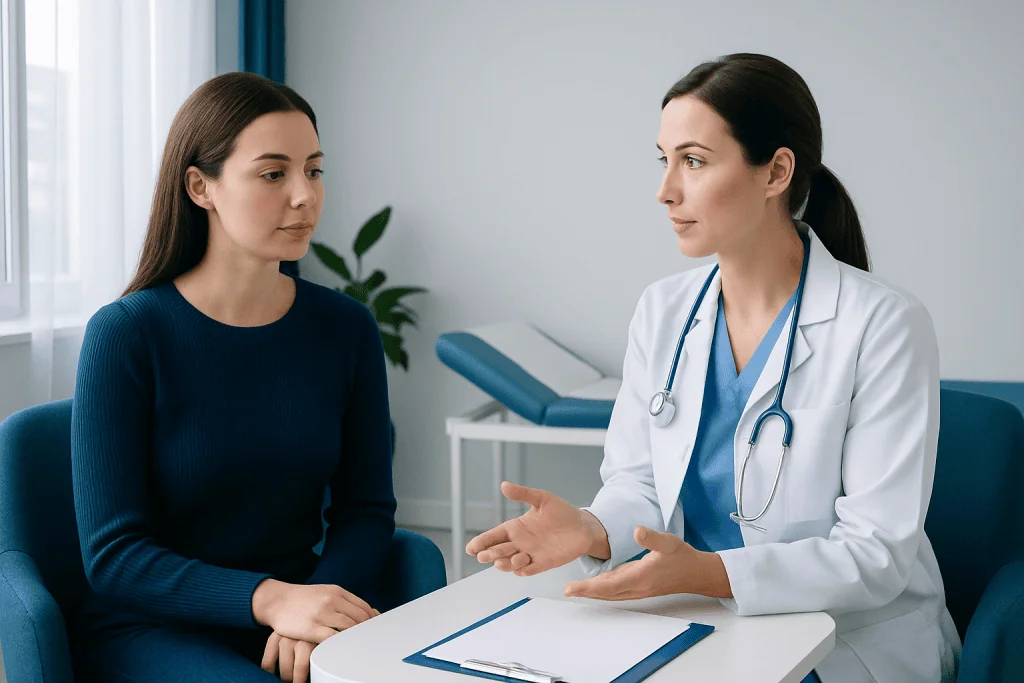
The first one to two days are usually the most important period for lip filler aftercare. Applying a clean, wrapped cold compress for short intervals may help reduce swelling and discomfort. It is generally best to avoid pressing hard on the lips, massaging them unless specifically advised, or sleeping face-down where pressure could affect comfort.
Hydration can be helpful, and many clinicians suggest keeping the lips clean and using a gentle, non-irritating lip moisturizer if needed. Makeup on or very near the injection sites may be best avoided for the first several hours, especially if the skin is punctured and still sensitive. A person should also avoid touching the lips unnecessarily, since frequent handling can increase irritation.
Many aftercare recommendations also focus on avoiding anything that may increase blood flow or inflammation soon after treatment. This often includes alcohol, strenuous exercise, hot baths, saunas, steam rooms, and intense sun or heat exposure for a short time. These steps are not about being restrictive; they are simply intended to limit extra swelling and discomfort while the lips begin to heal.
- Use a wrapped cold pack briefly and gently
- Sleep with the head slightly elevated if comfortable
- Avoid strenuous exercise for the period advised by the injector
- Do not smoke or use straws excessively if this irritates the lips
- Follow the clinician’s instructions about pain relief and skin care
How to care for lips during the first week
After the first 48 hours, the main focus shifts from controlling early swelling to supporting steady healing. The lips should be treated gently, especially when eating, brushing the teeth, cleansing the face, or applying lip products. Spicy or very salty foods may sting if the lips are sensitive, so some people prefer softer, milder foods for a short period.
It is often wise to avoid facials, strong exfoliants, waxing around the mouth, and dental work immediately after treatment unless the treating clinician says it is acceptable. Any procedure that stretches, presses, or irritates the lips and surrounding tissues may increase discomfort. If a person also receives other aesthetic procedures, a clinician can help decide on the safest timing.
If swelling has improved but small lumps can still be felt, it is usually best not to manipulate them without medical guidance. Many minor irregularities settle naturally. If there is concern about persistent nodules, poor healing, or questions about expected results, a follow-up review with the injector is usually more helpful than trying to self-correct the area at home.
People who are considering other cosmetic care may also benefit from understanding how injectables fit into a broader plan that can include medical aesthetics or specialist assessment in plastic and reconstructive surgery when a more individualized approach is needed.
Factors that can affect healing and results
Healing after lip filler is influenced by more than the procedure itself. Individual anatomy, lip size, circulation, skin sensitivity, the amount of product used, and whether the person bruises easily can all affect recovery. Some people naturally swell more than others, even when the treatment was straightforward.
Medical history also matters. A person with a history of cold sores around the lips should tell the treating clinician before the procedure, since injections can occasionally trigger a recurrence. Those who take blood-thinning medicines or supplements should only make medication changes under medical advice, but they should mention them in advance because they may affect bruising.
Aftercare quality and injector experience both play a role in the final outcome. Choosing an appropriately trained clinician and having treatment in a proper medical setting can improve safety. People with recurrent skin problems, previous filler issues, or concerns about reactions may benefit from a fuller evaluation, especially if there is overlap with broader skin diseases and disorders that could affect healing.
Complications to watch for
Although most lip filler recovery is routine, complications can happen and should not be ignored. Mild discomfort and swelling are expected, but severe pain is not. A person should be especially alert to symptoms that are rapidly worsening rather than slowly improving.
Important warning signs include marked skin blanching or a pale, mottled, bluish, or dusky color change; intense pain; increasing firmness; spreading redness; pus; fever; or swelling that seems disproportionate. These symptoms may suggest infection, allergy, or, more urgently, reduced blood flow to the tissues. Problems with circulation need immediate medical assessment.
Less urgent but still important concerns include persistent lumps, delayed swelling, ongoing asymmetry after the expected recovery period, or recurrent tenderness. In some situations, the filler may need review or treatment by a qualified clinician. For people who have persistent aesthetic or structural concerns, specialist consultation can help determine whether observation, correction, or another approach is most appropriate.
When necessary, management may involve treatments provided through services such as dermatology or, in selected cases, maxillofacial surgery if the issue relates to deeper tissue assessment around the mouth and face.
When to seek medical care
A person should seek prompt medical care if there is severe or increasing pain, major swelling that is worsening rather than improving, skin that turns pale or dark, blistering, or any sign that part of the lip is losing normal circulation. Urgent review is also important for trouble breathing, widespread hives, or swelling beyond the lips, which may suggest a serious allergic reaction.
Medical advice is also recommended if redness spreads, the area becomes hot, drainage appears, or fever develops, since these can be signs of infection. A person should contact the treating clinician if lumps persist, swelling lasts longer than expected, or the lips remain noticeably uneven after the early healing phase.
Follow-up care is part of safe aesthetic medicine. If assessment is needed, Acibadem International’s multidisciplinary specialists and JCI-accredited hospitals diagnose and treat complications and aesthetic concerns for international patients using an individualized approach.
Frequently asked questions
How long does swelling last after lip filler?
Swelling is usually most noticeable in the first one to two days and often improves over several days. Mild residual fullness or firmness can take longer to settle. Exact timing varies by person, product, and injection technique.
Can a person ice the lips after filler?
A wrapped cold compress is often used briefly to help reduce discomfort and swelling. It should be applied gently rather than with pressure. Direct ice on the skin is usually avoided because it can irritate sensitive tissue.
Is it normal for lips to look uneven right after treatment?
Yes, temporary unevenness is common because swelling is not always equal on both sides. Early asymmetry often improves as inflammation settles. The final shape usually cannot be judged immediately after the procedure.
What should be avoided after lip filler?
Common advice includes avoiding intense exercise, alcohol, heat exposure, and pressure on the lips for the first day or two. Many clinicians also recommend avoiding unnecessary touching, harsh lip products, and facial treatments near the mouth. The exact restrictions depend on the clinician's guidance.
When can makeup or lipstick be used again?
This depends on how sensitive the lips are and whether there are visible puncture sites. Many people wait until the skin has settled and the initial irritation has eased. The treating clinician can give the safest timing based on the procedure.
How can someone tell the difference between normal swelling and a problem?
Normal swelling is usually mild to moderate and gradually improves. A problem is more likely if there is severe pain, worsening swelling, color change, spreading redness, pus, or fever. When in doubt, it is safest to contact a qualified clinician promptly.
References
- American Society of Plastic Surgeons
- American Academy of Dermatology
- British Association of Aesthetic Plastic Surgeons
- U.S. Food and Drug Administration
- National Health Service
This article is for general information only and is not a substitute for professional medical advice. Please consult a qualified doctor about your individual situation.
Explore treatments in Turkey — costs, top hospitals & a free quote
JCI-accredited · board-certified surgeons · reply within 24h
Add us as a Preferred Source to see more of our trusted health content across Google Search, AI Overviews and Discover.

More from the Health Library

Nurse Practitioner: What Patients Need to Know

UTI Sore Back: A Complete Medical Overview

Medicine Parkinson’s — Explained by Medical Evidence, Not Myths

Turmeric Tea — Explained by Medical Evidence, Not Myths

Psoriasis: An Evidence-Based Guide for Patients

Weak Immune System: What Patients Need to Know
Aesthetic Plastic & Reconstructive Surgery Specialists at Acibadem

Dr. Okan Acicbe
Aesthetic Plastic & Reconstructive Surgery
Dr. Ömercan Yağız Öksüz
Aesthetic Plastic & Reconstructive Surgery
Dr. Şenol Durukan
Aesthetic Plastic & Reconstructive Surgery
Dr. Serkan Tokgönül
Aesthetic Plastic & Reconstructive Surgery