Nurse Practitioner: What Patients Need to Know

A nurse practitioner is an advanced practice nurse with graduate-level clinical training. Nurse practitioners can often diagnose illnesses, order tests, prescribe medications, and manage chronic conditions.
Key Takeaways
- A nurse practitioner is an advanced practice nurse with graduate-level clinical training.
- Nurse practitioners can often diagnose illnesses, order tests, prescribe medications, and manage chronic conditions.
- Their scope of practice varies by country, region, and healthcare setting.
- Patients may see a nurse practitioner for routine checkups, common illnesses, preventive care, or long-term condition management.
- Nurse practitioners work independently in some systems and collaboratively with physicians and other clinicians in others.
- The best choice depends on the patient’s needs, the complexity of the problem, and local healthcare regulations.
A nurse practitioner is an advanced practice registered nurse who can evaluate symptoms, diagnose many common conditions, order tests, prescribe treatments in many settings, and provide ongoing care. For patients, this often means accessible, whole-person medical care focused on prevention, treatment, education, and follow-up.
Overview: What a Nurse Practitioner Does
A nurse practitioner is a registered nurse who has completed advanced clinical education and training, usually at the graduate level, and is qualified to provide a broad range of healthcare services. In many settings, a nurse practitioner can take a medical history, perform a physical exam, assess symptoms, diagnose common conditions, order and interpret tests, recommend treatment, prescribe medicines where regulations allow, and provide follow-up care.
For patients, seeing a nurse practitioner often feels similar to seeing another primary or specialty care clinician. The appointment may include discussion of symptoms, review of medications, preventive care advice, and a treatment plan. Nurse practitioners are trained to combine medical decision-making with patient education, communication, and a whole-person approach that considers lifestyle, mental well-being, and long-term health goals.
Nurse practitioners work in many areas of healthcare. These include family medicine, internal medicine, pediatrics, women’s health, emergency care, oncology, cardiology, mental health, and hospital-based services. Some provide primary care across age groups, while others focus on a particular population or type of illness.
Training, Qualifications, and Scope of Practice
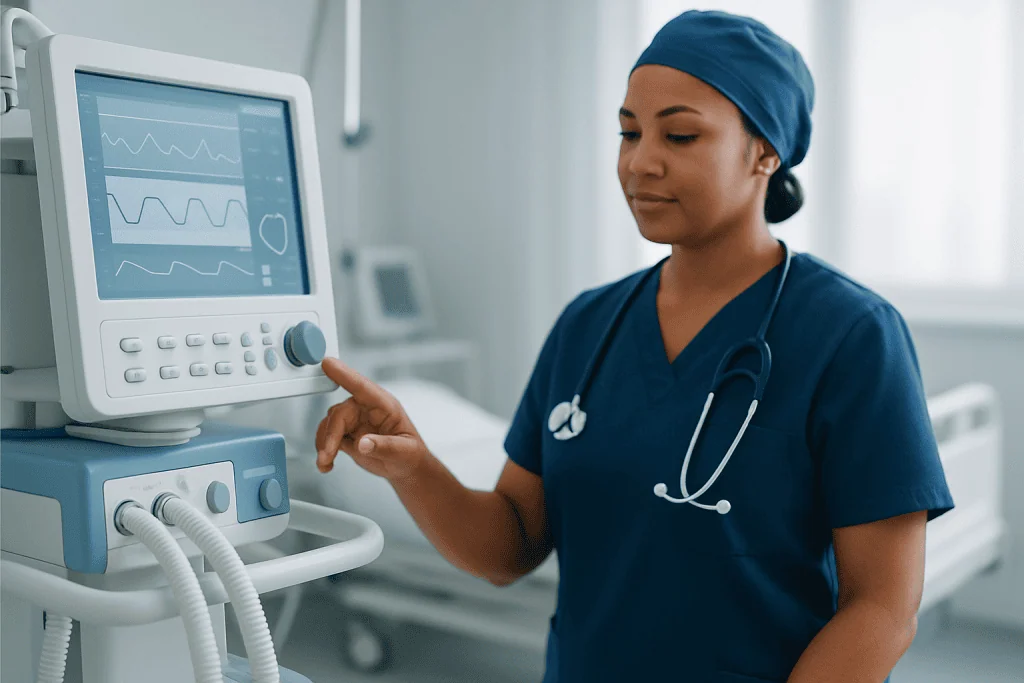
To become a nurse practitioner, a person typically first qualifies as a registered nurse and then completes advanced education in assessment, diagnosis, pharmacology, and clinical management. Their preparation includes supervised clinical practice in patient care. Depending on the country and local regulations, nurse practitioners may hold a master’s degree, doctoral degree, or equivalent advanced credential.
Scope of practice means the medical tasks a clinician is legally allowed to perform. For nurse practitioners, this can vary significantly between healthcare systems and even between regions in the same country. In some places, they can practice independently and prescribe medications without physician oversight. In others, they work in structured collaboration with a doctor or within specific legal limits.
Because rules differ, patients should not assume every nurse practitioner can provide exactly the same services everywhere. However, in general, nurse practitioners are equipped to manage many everyday health concerns, support preventive care, and recognize when a patient needs a specialist, urgent evaluation, or hospital-based treatment.
- They often provide primary care and health screenings.
- They may diagnose and treat common acute illnesses.
- They commonly help manage chronic diseases over time.
- They can refer patients for specialist care when needed.
How a Nurse Practitioner Differs From Other Clinicians

Patients often compare a nurse practitioner with a physician, physician assistant, or registered nurse. A nurse practitioner is not the same as a registered nurse working in bedside or outpatient nursing alone. The nurse practitioner role includes advanced clinical assessment and medical management responsibilities that go beyond standard registered nursing practice.
Compared with physicians, nurse practitioners generally have different training pathways, but there is meaningful overlap in the care they provide, especially in primary care and follow-up of stable long-term conditions. Many patients see a nurse practitioner for annual visits, blood pressure checks, respiratory infections, skin concerns, medication reviews, and preventive counseling. More complex, rare, or rapidly changing conditions may require physician-led or specialist care.
Rather than asking which professional is “better,” it is usually more helpful to ask which professional best matches the patient’s needs at that moment. Healthcare is often delivered by teams. A nurse practitioner may work closely with internists, pediatricians, surgeons, pharmacists, therapists, and specialists. If a patient’s symptoms suggest a condition such as diabetes or high blood pressure, the nurse practitioner may begin evaluation and treatment, then coordinate broader care when appropriate.
When Patients Commonly See a Nurse Practitioner
Many people see a nurse practitioner as their first point of contact in the healthcare system. This may be for a general health check, a new symptom, a recurring problem, or advice about prevention. Common reasons include fever, sore throat, cough, urinary symptoms, headaches, minor skin rashes, digestive complaints, fatigue, medication refills, and routine follow-up after a diagnosis.
Nurse practitioners also play an important role in long-term care. They may help monitor blood pressure, blood sugar, cholesterol, asthma symptoms, or recovery after illness. They can discuss test results, review side effects, update treatment plans, and support lifestyle changes such as smoking cessation, nutrition improvement, sleep hygiene, and physical activity.
In some specialty settings, a nurse practitioner may be part of care before and after a procedure or during treatment for a chronic disease. For example, they may guide patients through evaluation for a preventive health check-up, help with symptom monitoring in respiratory illness, or coordinate referrals for cardiology care when a heart-related concern needs further assessment.
What to Expect During an Appointment
A visit with a nurse practitioner usually begins with a conversation about the patient’s main concern, health history, medications, allergies, and any recent changes in symptoms. The nurse practitioner may ask targeted questions about when the problem started, what makes it better or worse, and whether there are any warning signs such as fever, chest pain, shortness of breath, or weight loss.
Next, the nurse practitioner may perform a physical examination and decide whether additional testing is needed. Depending on the situation, this might include blood tests, urine tests, swabs, blood pressure monitoring, or imaging referrals. The goal is to make a safe, evidence-based decision about whether the patient can be treated right away, monitored over time, or referred for more specialized evaluation such as MRI imaging or another diagnostic service.
Before the visit ends, patients should expect a clear explanation of the likely diagnosis, treatment options, how to take any prescribed medicine, possible side effects, and what warning signs should prompt follow-up. A good appointment also includes practical self-care advice and a plan for what happens next if symptoms do not improve.
Benefits and Limits of Nurse Practitioner Care
One of the main strengths of nurse practitioner care is accessibility. In many healthcare systems, nurse practitioners help patients get timely assessment and treatment, especially for common problems and routine follow-up. Their practice often emphasizes communication, education, and prevention, which can help patients better understand their health and feel more involved in decisions.
Nurse practitioners are also well placed to support people living with ongoing conditions. Chronic illness usually requires regular monitoring, medication review, and realistic lifestyle guidance, not just one-time treatment. In this setting, continuity and rapport can be especially valuable.
At the same time, nurse practitioner care has limits, just as all healthcare roles do. A nurse practitioner may refer a patient if symptoms suggest a serious, unusual, or rapidly worsening condition, or if advanced procedures, hospitalization, or highly specialized expertise are needed. This referral process is a normal part of safe care, not a sign that something has gone wrong. At Acibadem International, multidisciplinary specialists and JCI-accredited hospitals diagnose and treat complex conditions for international patients when broader team-based care is required.
How to Prepare and Get the Most From the Visit
Patients can make appointments more useful by preparing a short summary of symptoms before arriving. It helps to note when symptoms began, how often they happen, what medicines have already been tried, and whether there are triggers such as food, stress, exercise, or infection. Bringing a medication list, previous test results, and information about allergies can save time and improve safety.
It is also helpful to ask questions. Patients may want to know what the most likely diagnosis is, whether tests are needed, what treatment options exist, when improvement should be expected, and what side effects or warning signs to watch for. If the care plan includes home monitoring, such as checking blood pressure, blood sugar, or peak flow, the patient should ask for clear instructions.
When the visit is for ongoing concerns rather than a simple short-term illness, follow-up matters. Patients should arrange recommended rechecks, take medications as directed, and report new or worsening symptoms promptly. If symptoms continue despite treatment, the nurse practitioner may adjust the plan or arrange specialist review.
When to Seek Medical Care
A nurse practitioner can be an appropriate first contact for many health concerns, but some symptoms need urgent medical attention. Patients should seek prompt care for chest pain, severe shortness of breath, sudden weakness, fainting, seizures, heavy bleeding, serious injury, signs of stroke, severe allergic reactions, or confusion. These situations may require emergency services rather than a routine clinic visit.
Medical advice should also be sought when symptoms persist, return frequently, or interfere with daily life. Fever that does not improve, ongoing vomiting, dehydration, worsening pain, unexplained weight loss, a lump, blood in urine or stool, or a lasting cough should not be ignored. Early assessment can help identify whether the cause is minor, needs treatment, or requires referral.
People with chronic illnesses, pregnancy, weakened immunity, or complex medication regimens should be especially cautious about new symptoms. If there is uncertainty about where to start, contacting a nurse practitioner or another qualified clinician is a sensible first step. They can assess urgency, begin evaluation, and direct the patient to the most appropriate level of care.
Frequently asked questions
What is a nurse practitioner in simple terms?
A nurse practitioner is an advanced practice registered nurse with extra education and clinical training. They can provide many medical services, including assessing symptoms, diagnosing common conditions, ordering tests, and offering treatment and follow-up care.
Can a nurse practitioner prescribe medication?
In many healthcare systems, nurse practitioners can prescribe medications, but the exact rules depend on local laws and the setting where they work. Some practice independently, while others prescribe within collaborative arrangements or specific legal limits.
Is it okay to see a nurse practitioner instead of a doctor?
Yes, for many routine and common health concerns, seeing a nurse practitioner is appropriate. If the problem is complex, severe, or unusual, the nurse practitioner can refer the patient to a physician or specialist.
What conditions can a nurse practitioner treat?
Nurse practitioners commonly treat minor infections, allergies, skin conditions, digestive complaints, headaches, blood pressure issues, and other everyday health concerns. They also help manage long-term conditions such as asthma, diabetes, and high blood pressure, depending on their specialty and local scope of practice.
How is a nurse practitioner different from a registered nurse?
A registered nurse provides essential nursing care, monitoring, education, and support, but usually does not have the same authority to diagnose and prescribe. A nurse practitioner has advanced clinical training that allows for broader assessment and medical management responsibilities.
Do nurse practitioners work alone or with doctors?
Both models exist. Some nurse practitioners work independently, while many work as part of a team with doctors, specialists, pharmacists, and other healthcare professionals.
References
- World Health Organization
- International Council of Nurses
- American Association of Nurse Practitioners
- National Institutes of Health
- Centers for Disease Control and Prevention
This article is for general information only and is not a substitute for professional medical advice. Please consult a qualified doctor about your individual situation.
Explore treatments in Turkey — costs, top hospitals & a free quote
JCI-accredited · board-certified surgeons · reply within 24h
Add us as a Preferred Source to see more of our trusted health content across Google Search, AI Overviews and Discover.
Check your numbers in seconds
BMI, calories, due date, blood pressure and 30+ more clinical calculators — free, instant, doctor-reviewed ranges.

More from the Health Library

Big Testicles — Explained by Medical Evidence, Not Myths

Intracranial Hypertension: A Complete Medical Overview

Embolism: What Patients Need to Know

Onychorrhexis: A Complete Medical Overview

Pins and Needles in the Lips — Explained by Medical Evidence, Not Myths