Hot Stone Massage: An Evidence-Based Guide for Patients
Hot stone massage combines massage therapy with carefully heated stones placed on specific areas of the body. It may help with relaxation, temporary relief of muscle tightness, and overall comfort.
Key Takeaways
- Hot stone massage combines massage therapy with carefully heated stones placed on specific areas of the body.
- It may help with relaxation, temporary relief of muscle tightness, and overall comfort.
- People with certain health conditions, skin problems, nerve damage, or circulation issues may need to avoid it or get medical advice first.
- Safe treatment depends on proper stone temperature, hygiene, communication, and a trained practitioner.
- Hot stone massage does not replace medical evaluation for persistent pain, numbness, weakness, swelling, or unexplained symptoms.
Hot stone massage is a massage technique that uses smooth, heated stones to promote relaxation and reduce muscle tension. It may help some people feel less stressed and more comfortable, but it also has risks and is not the right choice for every medical situation.
Overview: What hot stone massage is and what it can do
Hot stone massage is a form of massage therapy that uses smooth, warmed stones along with hands-on massage techniques. The heat is intended to help muscles relax, which may allow the therapist to work more comfortably on tense areas. For many people, the main effect is a sense of relaxation and temporary relief from everyday muscle tightness.
It is important to understand hot stone massage as a supportive wellness practice rather than a medical cure. Evidence suggests that massage in general can help reduce stress, improve short-term comfort, and support well-being in some people. However, results vary, and it should not be relied on to diagnose or treat an underlying disease.
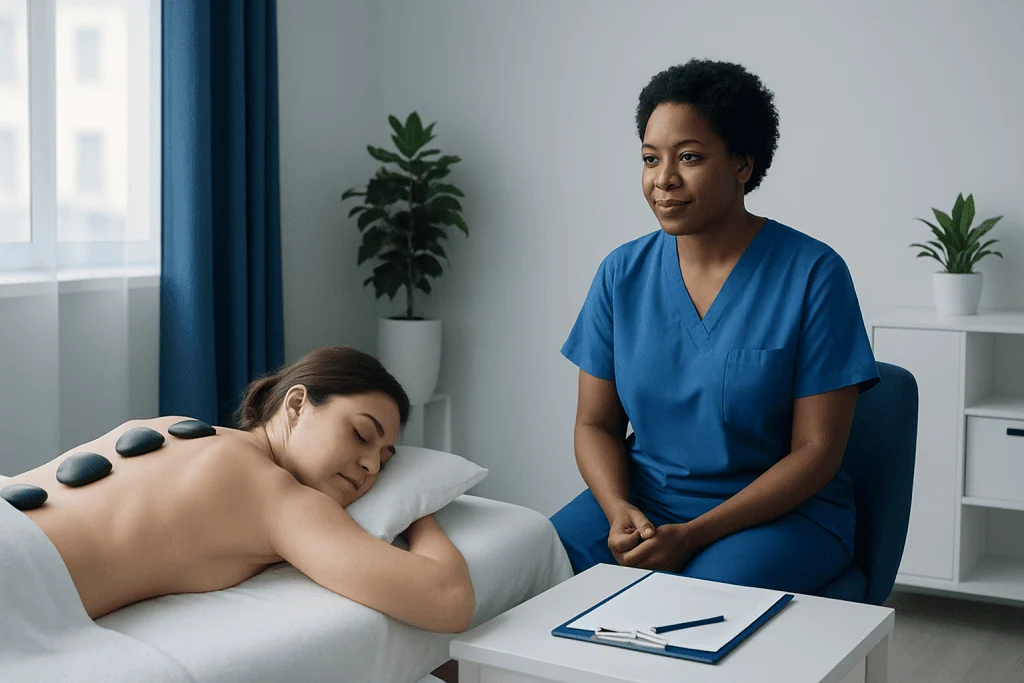
The stones are usually made of basalt, a type of volcanic rock that retains heat well. They may be placed on the back, shoulders, legs, or in the hands, while the therapist also uses traditional massage strokes. A properly delivered session should feel warm and soothing, not painfully hot.
How hot stone massage works
The warmth from the stones can increase the feeling of looseness in superficial muscles and soft tissues. This may make pressure feel more comfortable and may reduce the sensation of stiffness during the session. Some people also find the heat calming, which can contribute to stress relief.
During a session, the therapist may place stones on selected points and may also hold the stones while performing massage strokes. The exact approach depends on the person’s goals, comfort level, and health history. Communication matters throughout the session so temperature and pressure can be adjusted promptly.
Hot stone massage is often used for general muscle tension in the neck, shoulders, or back. It may also be chosen by people who prefer warmth over deeper manual pressure. In people with chronic pain conditions, however, heat can be helpful for some and aggravating for others, so a personalized approach is essential.
Possible benefits and what the evidence says
The most consistent potential benefit of hot stone massage is relaxation. Many people report feeling calmer, less tense, and more physically comfortable after treatment. Massage therapy more broadly has been studied for stress reduction, short-term pain relief, and improved sense of well-being, although the quality and size of the benefit can differ between studies.
For muscle soreness and tension, heat plus massage may provide temporary relief by helping tight areas feel less guarded. This can be useful after long periods of desk work, mild overuse, or general everyday stress. Some people also notice better sleep on the day of treatment because they feel more relaxed afterward.
There are limits to what can be concluded from current evidence. Research often evaluates massage as a whole rather than hot stone massage specifically, and results can depend on technique, session length, and the reason for treatment. Patients should view it as one option within a broader self-care plan, especially if symptoms are recurrent or linked to a condition such as a herniated disc or fibromyalgia.
- May support relaxation and stress reduction
- May provide short-term relief of muscle tightness
- May improve comfort during massage for people who dislike firmer pressure
- May contribute to a general sense of well-being
Risks, side effects, and who should avoid it
The main specific risk of hot stone massage is thermal injury, including skin irritation or burns if the stones are too hot or left in one place too long. Temporary soreness, redness, or sensitivity can also occur, especially if the person has delicate skin or does not usually receive massage. A session should be stopped immediately if the heat feels intense, sharp, or uncomfortable.
Not everyone is a good candidate for this therapy. Extra caution is needed in people who have reduced sensation, nerve damage, poor circulation, active skin disease, open wounds, recent surgery, bleeding disorders, or a history of blood clots. People with diabetes, peripheral neuropathy, severe varicose veins, or frail skin should ask a clinician before booking heat-based treatments.
Massage may also be inappropriate in some situations involving fever, infection, unexplained swelling, severe osteoporosis, or a recent injury. If a person has ongoing back pain, leg pain, or numbness, it is wise to rule out conditions that may need medical care first, such as sciatica. In some cases, a doctor may suggest alternatives such as physical therapy and rehabilitation instead of massage.
What to expect during a safe session
A safe hot stone massage begins with a brief health review. The therapist should ask about medical conditions, medications, skin sensitivity, pregnancy, pain patterns, and recent procedures or injuries. This helps determine whether heat, pressure, or certain body areas should be modified or avoided.
The stones should be heated with professional equipment designed to control temperature. They should never feel painfully hot on contact. The therapist may test the stone first, use barriers such as towels when appropriate, and check in regularly about comfort.
Basic hygiene and communication are part of safe care. Stones, linens, and surfaces should be clean, and the person receiving treatment should feel able to speak up at any point. If the goal is to manage musculoskeletal discomfort, patients may also wish to discuss evidence-based options like pain management or orthopedic rehabilitation when symptoms are limiting daily life.
When to seek medical care
Hot stone massage should not be used to self-treat unexplained or persistent symptoms. Medical evaluation is important if pain lasts for weeks, keeps returning, wakes a person at night, or is accompanied by weakness, numbness, fever, swelling, or weight loss. These features can point to causes that need diagnosis rather than symptom masking.
Urgent medical care is needed for severe chest pain, sudden shortness of breath, sudden weakness, loss of bladder or bowel control, or a rapidly spreading rash or burn. These are not situations for massage or home care. If a person develops a burn, blistering, marked skin discoloration, or unusual swelling after treatment, they should seek prompt assessment.
For people with recurring muscle or spine-related symptoms, a clinician may recommend imaging, rehabilitation, or specialist care depending on the pattern of symptoms and the examination findings. Acibadem International’s multidisciplinary specialists and JCI-accredited hospitals diagnose and treat musculoskeletal and pain-related conditions for international patients when further evaluation is needed.
Self-care tips and how to choose a practitioner
People considering hot stone massage can take a few simple steps to improve safety and comfort. It helps to stay hydrated, avoid treatment over sunburned or irritated skin, and postpone the session if feeling unwell with fever or infection. Clear communication about pressure, temperature, and pain is one of the best ways to reduce the chance of an unpleasant experience.
Choosing a qualified practitioner matters. Patients can ask about training, experience with hot stone techniques, cleaning procedures, and how stone temperature is controlled. It is also reasonable to ask whether the therapist is comfortable adapting the session for medical conditions, sensitive skin, or areas that should not be treated.
After the session, mild tenderness may settle with rest, fluids, and gentle movement. However, massage should not leave a person with significant pain, bruising, or skin injury. If symptoms worsen instead of improving, it is best to stop further sessions and discuss next steps with a qualified doctor.
Frequently asked questions
Is hot stone massage safe?
Hot stone massage is generally safe when performed by a trained practitioner who uses proper temperature control and checks comfort throughout the session. It is not safe for everyone, especially people with reduced sensation, certain circulation problems, active skin conditions, or recent injuries unless a doctor advises otherwise.
What are the benefits of hot stone massage?
The most common benefits are relaxation and temporary relief of muscle tightness. Some people also feel less stressed and more comfortable afterward, but the effects are usually supportive and short term rather than curative.
Can hot stone massage help back or neck pain?
It may help some people with mild muscle tension in the back or neck feel looser and more relaxed. However, persistent, severe, or radiating pain should be medically assessed because underlying causes may need targeted treatment.
Who should avoid hot stone massage?
People with poor circulation, nerve damage, fragile skin, open wounds, active infections, fever, or a tendency to burn easily may need to avoid it. Anyone with a significant medical condition, pregnancy, recent surgery, or unexplained pain should ask a clinician before treatment.
Can hot stone massage cause burns?
Yes, burns are possible if the stones are too hot or left in one place too long. A safe session should feel pleasantly warm, and the person should immediately tell the therapist if the heat feels too strong.
How is hot stone massage different from a regular massage?
The main difference is the use of heated stones to add warmth during the massage. Some people find this more relaxing and more comfortable than firmer manual pressure alone, but it also adds a heat-related risk that regular massage may not have.
This article is for general information only and is not a substitute for professional medical advice. Please consult a qualified doctor about your individual situation.
Explore treatments in Turkey — costs, top hospitals & a free quote
JCI-accredited · board-certified surgeons · reply within 24h
Add us as a Preferred Source to see more of our trusted health content across Google Search, AI Overviews and Discover.

More from the Health Library

Mosquito Bites: What Patients Need to Know

Loss of Appetite and Tired: A Complete Medical Overview

How to increase hemoglobin? A Doctor-Reviewed Answer

Genetic Predisposition: A Complete Medical Overview

Dysania: What Patients Need to Know