How to increase hemoglobin? A Doctor-Reviewed Answer

Low hemoglobin is a lab finding, not a diagnosis, so the cause should be identified first. Iron deficiency is common, but vitamin B12 deficiency, folate deficiency, chronic disease, kidney disease, and inherited blood disorders can also lower hemoglobin.
Key Takeaways
- Low hemoglobin is a lab finding, not a diagnosis, so the cause should be identified first.
- Iron deficiency is common, but vitamin B12 deficiency, folate deficiency, chronic disease, kidney disease, and inherited blood disorders can also lower hemoglobin.
- Food choices can support healthy hemoglobin, but some people need medical treatment such as iron therapy, vitamin replacement, or care for bleeding or chronic illness.
- Self-treating with iron is not always appropriate and may delay diagnosis of a more serious cause.
- Medical review is important if symptoms are significant, hemoglobin drops quickly, or there are signs of bleeding.
How to increase hemoglobin usually depends on why it is low. In many cases, hemoglobin improves by treating iron deficiency, low vitamin B12 or folate, blood loss, or another underlying health condition rather than by one food or supplement alone.
Overview: the safest way to increase hemoglobin
How to increase hemoglobin depends on the reason it is low. Hemoglobin is the protein in red blood cells that carries oxygen around the body, so the most effective approach is to identify the cause and correct it. For some people, that means improving iron intake or absorption; for others, it may mean replacing vitamin B12 or folate, treating blood loss, or managing an underlying disease.
It is important to know that low hemoglobin and anemia are related but not exactly the same conversation in everyday practice. Hemoglobin is one number on a blood test, while anemia is a condition in which red blood cells or hemoglobin are too low to meet the body’s needs. Because many different conditions can lead to anemia, a doctor will usually look at the complete blood count and sometimes iron studies, vitamin levels, kidney function, and other tests before recommending treatment.
A patient-friendly rule is simple: nutrition can help, but it is not always the whole answer. If hemoglobin is only mildly low and caused by diet, eating iron-rich foods and correcting deficiencies may help. If the cause is heavy menstrual bleeding, stomach ulcers, kidney disease, inflammation, or a blood disorder such as anemia, treatment needs to address that problem directly.
Common signs of low hemoglobin
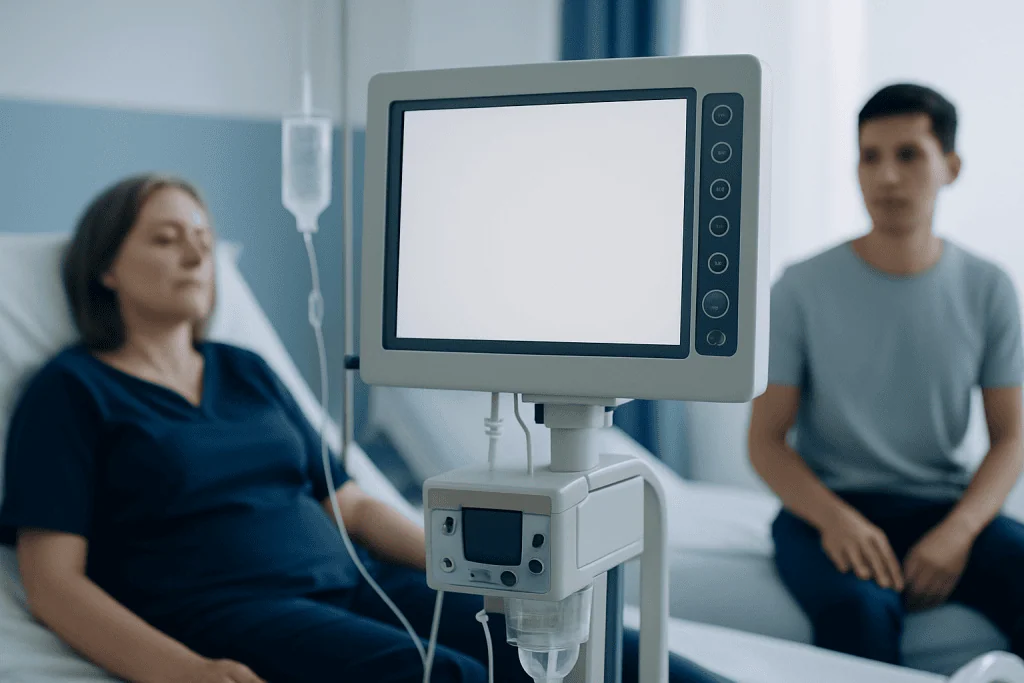
Some people with mildly low hemoglobin have no symptoms and only discover it on a routine blood test. When symptoms do occur, they often develop gradually. Common complaints include tiredness, weakness, reduced exercise tolerance, feeling short of breath with activity, dizziness, headaches, or looking pale.
Depending on the cause, there may be additional clues. Iron deficiency can sometimes be associated with brittle nails, hair thinning, sore tongue, or cravings for non-food items such as ice. Vitamin B12 deficiency may also cause tingling, numbness, balance problems, or memory changes. If low hemoglobin is caused by bleeding, a person may notice heavy periods, black stools, blood in the stool, vomiting blood, or frequent nosebleeds.
Symptoms do not always match the blood test exactly. A slow, mild drop may cause few noticeable problems, while a sudden fall in hemoglobin can make someone feel much more unwell. That is one reason doctors consider both the lab result and the overall clinical picture.
Why hemoglobin becomes low

There are three broad reasons hemoglobin can fall: the body may not make enough red blood cells, it may lose blood, or red blood cells may break down faster than normal. Iron deficiency is one of the most common causes worldwide, but it is far from the only one. Low vitamin B12 or folate, chronic kidney disease, inflammatory illnesses, infections, bone marrow disorders, and inherited conditions can all contribute.
Blood loss is another major cause. In adults, doctors often think about menstrual blood loss, gastrointestinal bleeding, recent surgery, injuries, or frequent blood donation. Some people also absorb iron poorly because of digestive disorders, previous stomach or bowel surgery, or medications that reduce stomach acid. Conditions affecting the digestive tract may need further evaluation, sometimes with tests such as endoscopy if a clinician suspects internal bleeding or another source in the upper digestive system.
Inherited blood conditions are less common but important. Disorders such as thalassemia can cause lifelong anemia and should not be mistaken for simple iron deficiency. In these cases, taking iron without confirmation of deficiency may not help and can sometimes be harmful. A structured medical assessment helps distinguish nutritional causes from conditions like thalassemia or chronic disease-related anemia.
Foods and nutrients that support hemoglobin
If the cause is nutritional, diet can play an important role in improving hemoglobin. Iron-rich foods include red meat, poultry, fish, eggs, lentils, beans, chickpeas, tofu, dark leafy greens, fortified cereals, pumpkin seeds, and dried fruit. Iron from animal foods is usually absorbed more efficiently than iron from plant foods, but both can contribute to a healthy diet.
Vitamin C helps the body absorb non-heme iron, the type found in plant foods. Combining iron-rich meals with foods like citrus fruits, strawberries, kiwi, tomatoes, bell peppers, or broccoli may be helpful. At the same time, tea, coffee, and high-calcium foods can reduce iron absorption if taken together with iron-rich meals or iron supplements, so spacing them apart may improve absorption.
Hemoglobin production also depends on nutrients beyond iron. Vitamin B12 is found mainly in meat, fish, dairy products, and fortified foods, while folate is present in leafy greens, beans, peas, asparagus, avocado, and fortified grains. A balanced plan usually works better than focusing on a single “superfood,” especially when the goal is long-term correction of a deficiency.
- Helpful foods: lean meats, fish, beans, lentils, spinach, fortified cereals
- Absorption boosters: oranges, lemon, berries, peppers, tomatoes
- Nutrients to remember: iron, vitamin B12, folate, and adequate protein
Supplements and medical treatment
Some people need more than food alone. If testing confirms iron deficiency, a doctor may recommend oral iron supplements. These can be effective, but they may cause stomach upset, constipation, nausea, or dark stools, and they should be taken exactly as advised. Because not every case of low hemoglobin is caused by iron deficiency, starting supplements without guidance is not ideal.
When iron tablets are not tolerated, not absorbed well, or the deficiency is severe, clinicians may consider intravenous iron through hematology care. If vitamin B12 or folate is low, replacement is directed at that specific deficiency. If bleeding is the cause, treatment focuses on stopping the blood loss. For example, heavy menstrual bleeding, ulcers, polyps, hemorrhoids, or bowel disease may all need separate evaluation and treatment.
In some cases, raising hemoglobin means treating a chronic condition rather than replacing nutrients. Kidney disease, inflammatory disorders, cancer, or bone marrow problems can interfere with red blood cell production. More advanced care may involve a wider workup, and specialists may use blood tests or procedures such as bone marrow biopsy when clinically necessary to clarify the diagnosis.
What doctors do to find the cause
Because the best way to increase hemoglobin depends on the cause, diagnosis is a key step. Doctors usually begin with a history and physical examination, asking about diet, menstrual bleeding, digestive symptoms, fatigue, medications, family history, and chronic illnesses. They then review blood work, including the complete blood count and red cell indices, which can suggest whether iron deficiency, vitamin deficiency, or another pattern is more likely.
Additional tests may include ferritin and iron studies, vitamin B12 and folate levels, kidney function tests, thyroid tests, inflammation markers, stool tests for hidden blood, or tests for hemolysis. In selected cases, a doctor may recommend imaging or a referral to a specialist. If digestive blood loss is suspected, evaluation of the stomach or intestines may be appropriate.
This step matters because treatment can differ greatly. One person may need dietary advice and iron tablets; another may need treatment for ulcers, fibroids, celiac disease, chronic kidney disease, or an inherited blood disorder. A correct diagnosis helps avoid unnecessary supplements and speeds appropriate care.
Prevention and everyday self-care
Not every case of low hemoglobin can be prevented, but healthy habits can lower the risk of common nutritional causes. Eating regular meals that include iron, vitamin B12, folate, and protein is a practical foundation. People who follow vegetarian or vegan diets may benefit from extra attention to plant iron sources, fortified foods, and vitamin B12 intake.
It may also help to review factors that interfere with nutrient absorption. Long-term digestive symptoms, unexplained weight loss, chronic diarrhea, or prior stomach or bowel surgery can affect iron or vitamin absorption and deserve medical review. People who menstruate heavily, are pregnant, recently gave birth, or donate blood frequently may also need closer monitoring of hemoglobin and iron stores.
Simple self-care should stay within safe limits. Increasing iron-rich foods is generally reasonable, but high-dose supplements should not be started casually, especially in men, postmenopausal women, or anyone with no obvious reason for iron deficiency. Near the end of the care pathway, some international patients choose centers such as Acibadem International, where multidisciplinary specialists in JCI-accredited hospitals evaluate and treat low hemoglobin and its underlying causes.
When to seek medical care
Medical advice is important if symptoms are persistent, worsening, or interfering with daily life. A person should arrange a prompt evaluation for unusual fatigue, shortness of breath, chest discomfort, dizziness, fainting, rapid heartbeat, or a lab result showing low hemoglobin. These symptoms do not always mean an emergency, but they do need professional assessment.
Urgent care is needed if there are signs of significant blood loss or severe anemia. Warning signs include black or bloody stools, vomiting blood, very heavy menstrual bleeding, severe weakness, confusion, chest pain, shortness of breath at rest, or sudden worsening after an injury or procedure. Children, older adults, pregnant people, and those with chronic medical conditions should be assessed sooner because anemia may affect them more quickly.
If low hemoglobin keeps returning despite treatment, specialist review may help identify hidden bleeding, poor absorption, or a less common blood disorder. Ongoing follow-up ensures that hemoglobin not only rises, but stays stable over time.
Frequently asked questions
What is the fastest way to increase hemoglobin?
The fastest safe way depends on why hemoglobin is low. If iron deficiency is confirmed, iron treatment and addressing the reason for iron loss are often effective, but some people need vitamin replacement or treatment for bleeding or another illness. A doctor can advise the right approach after blood tests.
Can hemoglobin be increased naturally with food?
Yes, if low hemoglobin is related to diet or mild iron deficiency, food choices can help. Iron-rich foods, adequate vitamin B12 and folate, and pairing plant iron with vitamin C may support recovery. However, food alone may not be enough when anemia is more severe or caused by bleeding or chronic disease.
Should someone take iron supplements without testing?
It is usually better not to start iron supplements without medical advice. Low hemoglobin is not always caused by iron deficiency, and taking iron unnecessarily may cause side effects or delay diagnosis of another problem. Testing helps confirm whether iron is actually needed.
How long does it take for hemoglobin to improve?
The timeline varies with the cause and the treatment used. Some people begin to feel better within a few weeks of appropriate therapy, but rebuilding iron stores or correcting deficiencies may take longer. Follow-up blood tests are often used to confirm that treatment is working.
Which foods are best for increasing hemoglobin?
Helpful foods include lean red meat, poultry, fish, beans, lentils, chickpeas, tofu, leafy greens, fortified cereals, and eggs. Foods rich in vitamin C, such as oranges, berries, peppers, and tomatoes, can improve iron absorption when eaten with iron-rich meals. A varied diet usually works better than relying on one specific food.
Can dehydration cause low hemoglobin?
Dehydration more often makes hemoglobin look higher because the blood becomes more concentrated. Low hemoglobin generally suggests a true issue with red blood cells, blood loss, nutrient deficiency, or another medical condition. If a result is unexpected, repeat testing may be recommended.
References
- World Health Organization
- National Heart, Lung, and Blood Institute
- Centers for Disease Control and Prevention
- National Institute of Diabetes and Digestive and Kidney Diseases
- American Society of Hematology
This article is for general information only and is not a substitute for professional medical advice. Please consult a qualified doctor about your individual situation.
Explore treatments in Turkey — costs, top hospitals & a free quote
JCI-accredited · board-certified surgeons · reply within 24h
Add us as a Preferred Source to see more of our trusted health content across Google Search, AI Overviews and Discover.