Intermittent Claudication: A Complete Medical Overview

Intermittent claudication usually causes leg discomfort during activity that improves after a short period of rest. The most common cause is peripheral artery disease, in which narrowed arteries reduce blood flow to the leg muscles.
Key Takeaways
- Intermittent claudication usually causes leg discomfort during activity that improves after a short period of rest.
- The most common cause is peripheral artery disease, in which narrowed arteries reduce blood flow to the leg muscles.
- Diagnosis often includes a physical exam, pulse assessment, and tests such as the ankle-brachial index and vascular imaging.
- Treatment focuses on exercise therapy, stopping smoking, controlling risk factors, and medicines; some people need procedures to restore blood flow.
- New or worsening leg pain, pain at rest, or non-healing foot wounds should be assessed by a doctor promptly.
Intermittent claudication is cramping, aching, or tiredness in the legs that appears during walking or exercise and eases with rest. It is most often a sign of reduced blood flow from peripheral artery disease and should be evaluated because it can affect mobility and overall vascular health.
What Intermittent Claudication Means
Intermittent claudication is a symptom, not a disease by itself. It describes muscle pain, cramping, tightness, heaviness, or unusual fatigue in the legs that begins during walking or other activity and settles with rest. The discomfort most often affects the calf, but it can also involve the thigh, buttock, or foot depending on which arteries are narrowed.
The most common reason for intermittent claudication is reduced blood flow to the leg muscles. During activity, muscles need more oxygen. If the arteries cannot deliver enough blood because they have become narrowed, the muscles become painful until activity stops and their oxygen demand falls again.
In many people, intermittent claudication is linked to peripheral artery disease, often called PAD. This is a circulation problem caused by atherosclerosis, the buildup of fatty deposits and inflammation inside artery walls. Although symptoms are felt in the legs, PAD can also signal a higher risk of heart attack and stroke, so it deserves careful medical attention.
Common Symptoms and How They Feel
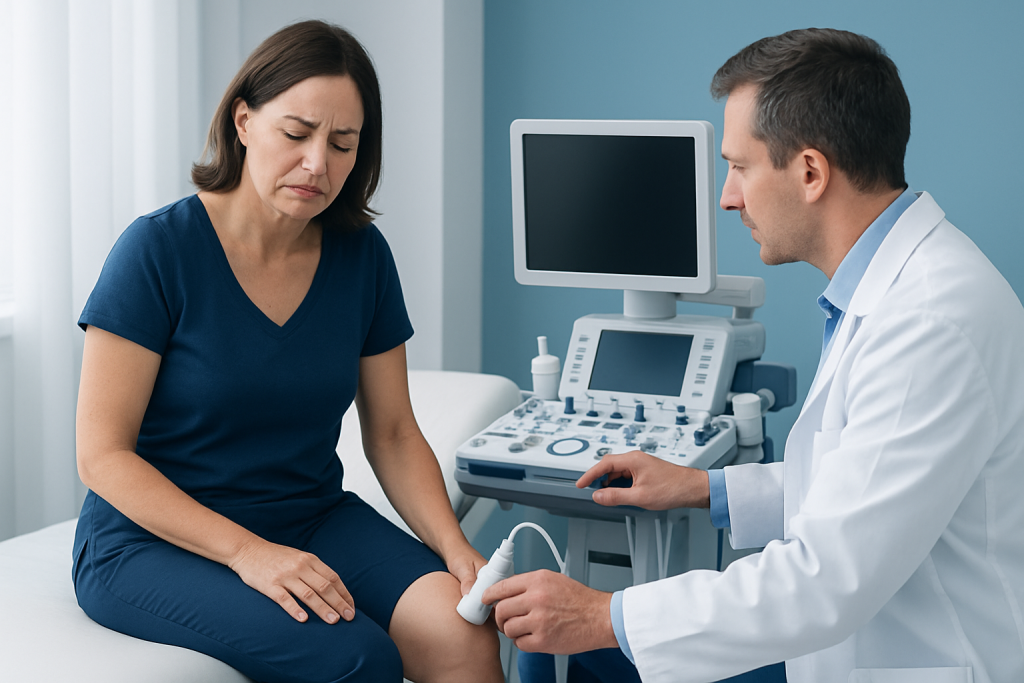
The classic symptom is leg pain during walking that improves within minutes of resting. Many people do not describe it as “pain” at first. They may say the leg feels tight, weak, numb, burning, or unusually tired after a certain walking distance. The symptoms often return in a fairly predictable way with similar levels of exertion.
The location of the discomfort can offer clues. Calf symptoms are common when narrowing affects arteries lower in the leg. Pain in the thigh or buttock may suggest disease higher in the pelvis or upper leg. Some people notice one leg is worse than the other, while others have symptoms in both legs.
Other signs of poor circulation may occur as PAD progresses. These can include cool skin, slower nail growth, hair loss on the legs, weak pulses in the feet, or slow-healing sores. In advanced cases, pain may occur even at rest, especially at night, which is different from intermittent claudication and needs prompt evaluation.
- Cramping or aching during walking
- Heaviness or fatigue in the legs with exertion
- Symptoms that improve after rest
- Reduced walking distance over time
- Possible foot wounds or color changes in more severe disease
Causes and Risk Factors

The leading cause of intermittent claudication is atherosclerosis in the arteries of the legs. Over time, plaque narrows the vessel opening and limits blood flow, especially during exercise. Less commonly, similar symptoms can come from spinal stenosis, nerve compression, joint disease, or problems in the veins, which is why a full assessment matters.
Several factors increase the risk of PAD and therefore intermittent claudication. Smoking is one of the strongest risk factors because it damages blood vessels and accelerates atherosclerosis. Diabetes, high blood pressure, high cholesterol, older age, kidney disease, obesity, and a family history of vascular disease also raise risk.
People who have already been diagnosed with coronary artery disease, carotid artery disease, or stroke risk factors should take leg symptoms seriously. Intermittent claudication may be an early clue that atherosclerosis is affecting multiple parts of the body. Early recognition can help protect both mobility and long-term cardiovascular health.
How Doctors Diagnose It
Diagnosis begins with a careful history and physical examination. A doctor will ask when the pain starts, how far the person can walk before it appears, whether rest relieves it, and whether there are symptoms such as numbness, wounds, or pain at rest. The examination usually includes checking pulses in the groin, knee, ankle, and foot, as well as looking at skin temperature and color.
One of the most useful first-line tests is the ankle-brachial index, or ABI. This compares blood pressure at the ankle with blood pressure in the arm. A lower pressure in the ankle can suggest blocked or narrowed leg arteries. Doctors may repeat the ABI after exercise if symptoms are present but resting results are normal.
If more detail is needed, ultrasound is often used to assess blood flow and locate narrowing. In some cases, CT angiography, MR angiography, or catheter-based angiography may be recommended, especially when planning treatment. These vascular imaging methods can help determine whether a person may benefit from procedures such as angiography followed by targeted intervention.
Because leg pain during walking is not always caused by PAD, doctors may also evaluate for other conditions such as arthritis or nerve-related pain. This step helps avoid unnecessary treatment and ensures the true source of symptoms is addressed.
Treatment Options and What Usually Helps
Treatment aims to improve walking ability, reduce symptoms, and lower the risk of cardiovascular complications. For many people, the foundation of care is structured exercise therapy. Regular walking under medical guidance can help the body use oxygen more efficiently and may encourage the development of alternative blood flow pathways. Improvement usually happens gradually rather than overnight.
Stopping smoking is one of the most important steps, as continued smoking can worsen symptoms and speed disease progression. Doctors also focus on controlling blood pressure, cholesterol, and diabetes. Medicines may be prescribed to reduce the risk of blood clots, manage cholesterol, and in selected cases improve walking distance. The best medication plan depends on each person’s overall health and vascular risk.
If symptoms remain limiting despite medical therapy and exercise, or if circulation is severely reduced, procedures may be considered. These can include minimally invasive options such as balloon angioplasty and stent to open narrowed arteries, or surgery in more complex cases. The choice depends on the location and extent of disease, symptoms, and general fitness for treatment.
Some patients with extensive blockage may need bypass surgery to reroute blood around a narrowed artery. Treatment planning is individualized, and the goal is to balance symptom relief with long-term vascular health. In suitable cases, vascular specialists may combine lifestyle measures, medicines, and procedures for the best overall result.
Daily Habits, Prevention, and Self-care
Self-care plays a major role in managing intermittent claudication. A doctor-approved walking plan is often recommended, typically involving repeated walking until moderate discomfort begins, resting briefly, and then starting again. Over time, many people can walk farther with less limitation. It is important to follow a plan designed for personal health needs, especially if there are heart or balance concerns.
Protecting the feet is also important, particularly for people with diabetes or reduced sensation. Daily foot checks, well-fitting shoes, and early attention to blisters or cuts can help prevent complications. Good skin care and prompt treatment of any wound may reduce the risk of infection and delayed healing.
Long-term prevention focuses on lowering atherosclerosis risk. Helpful measures include not smoking, staying physically active, eating a heart-healthy diet, maintaining a healthy weight, and taking prescribed medicines consistently. Regular follow-up helps monitor symptoms and adjust treatment if walking distance changes or new signs appear.
When to Seek Medical Care
Medical evaluation is recommended for any repeated leg pain that occurs with walking and improves with rest, especially in adults with smoking history, diabetes, high blood pressure, or high cholesterol. Even mild symptoms can be worth discussing because they may reflect underlying arterial disease that affects more than the legs.
Prompt care is especially important if symptoms suddenly worsen, occur at rest, wake a person at night, or are accompanied by coldness, color change, numbness, weakness, or foot sores that do not heal. These features can suggest more severe loss of blood flow and should not be ignored.
People who have both leg symptoms and signs of heart or brain circulation problems, such as chest discomfort or neurologic symptoms, should seek urgent medical advice. At centers such as Acibadem International, multidisciplinary specialists in JCI-accredited hospitals evaluate and treat vascular conditions for international patients, including cases that may need advanced imaging or revascularization.
Frequently asked questions
Is intermittent claudication the same as peripheral artery disease?
Not exactly. Intermittent claudication is a symptom pattern, while peripheral artery disease is the most common underlying condition that causes it. A person can have PAD without noticeable claudication, especially in early stages.
What does intermittent claudication feel like?
It often feels like cramping, aching, tightness, or heaviness in the leg muscles during walking. The discomfort usually improves after resting for a few minutes and returns with activity.
Can intermittent claudication go away on its own?
Symptoms may vary from day to day, but the underlying circulation problem usually does not simply disappear without attention to risk factors and treatment. Many people improve significantly with exercise therapy, smoking cessation, and medical care.
Is walking safe if someone has intermittent claudication?
In many cases, yes, and supervised or doctor-guided walking is actually a key part of treatment. However, a person should first be assessed by a healthcare professional to confirm the diagnosis and make sure an exercise plan is safe.
When is leg pain more serious than typical claudication?
Pain that begins suddenly, occurs at rest, is associated with a cold or pale foot, or comes with non-healing wounds needs prompt medical attention. These features may suggest more severe reduction in blood flow than stable intermittent claudication.
Can intermittent claudication affect only one leg?
Yes. It can affect one leg or both, depending on which arteries are narrowed and how severe the blockage is. One-sided symptoms may still indicate significant vascular disease and should be evaluated.
This article is for general information only and is not a substitute for professional medical advice. Please consult a qualified doctor about your individual situation.
Explore treatments in Turkey — costs, top hospitals & a free quote
JCI-accredited · board-certified surgeons · reply within 24h
Add us as a Preferred Source to see more of our trusted health content across Google Search, AI Overviews and Discover.
Check your numbers in seconds
BMI, calories, due date, blood pressure and 30+ more clinical calculators — free, instant, doctor-reviewed ranges.

More from the Health Library

Intussusception: An Evidence-Based Guide for Patients

Veggie Straws: What Patients Need to Know

Zzzquil: An Evidence-Based Guide for Patients

Sauced Pasta: An Evidence-Based Guide for Patients

Carbonated Water: What Patients Need to Know