Sauced Pasta: An Evidence-Based Guide for Patients

Sauced pasta is not inherently unhealthy; overall nutrition depends on ingredients, portion size, and meal balance. Tomato, cream, cheese, oil, and spicy sauces affect digestion differently and may trigger symptoms in some people.
Key Takeaways
- Sauced pasta is not inherently unhealthy; overall nutrition depends on ingredients, portion size, and meal balance.
- Tomato, cream, cheese, oil, and spicy sauces affect digestion differently and may trigger symptoms in some people.
- Adding vegetables, legumes, fish, or lean protein can improve fullness and nutritional quality.
- People with reflux, diabetes, kidney disease, or IBS may need specific sauce and portion adjustments.
- Medical advice is important if pasta meals regularly cause pain, vomiting, swallowing difficulty, or persistent bowel changes.
Sauced pasta can be part of a balanced eating pattern, but its health impact depends on the type of pasta, the sauce ingredients, the portion size, and a person’s digestive or metabolic needs. For many people, the main questions are not whether sauced pasta is “good” or “bad,” but which versions are easier to digest, more filling, and better suited to conditions such as reflux, diabetes, or irritable bowel symptoms.
What Sauced Pasta Means for Health
Sauced pasta is a broad food category rather than a single dish. It may include plain pasta with olive oil, tomato-based sauces, cream sauces, cheese sauces, pesto, meat sauces, or mixed vegetable preparations. From a health perspective, the nutritional effect of sauced pasta depends more on the recipe and portion than on the name itself.
For many patients, the practical question is whether sauced pasta fits their personal health needs. In general, it can fit well into a balanced diet when it is served in moderate portions and paired with fiber-rich vegetables and a suitable source of protein. Whole-grain or legume-based pasta may also improve fullness and support steadier blood sugar responses for some people.
Sauced pasta may be less suitable in certain situations. Rich cream sauces, high-salt packaged sauces, very spicy sauces, or large portions may worsen symptoms such as heartburn, bloating, or abdominal discomfort. People living with acid reflux, diabetes, kidney disease, or irritable bowel symptoms often benefit from choosing sauces more carefully and paying attention to how their body responds.
How Pasta and Sauce Affect Digestion and Energy
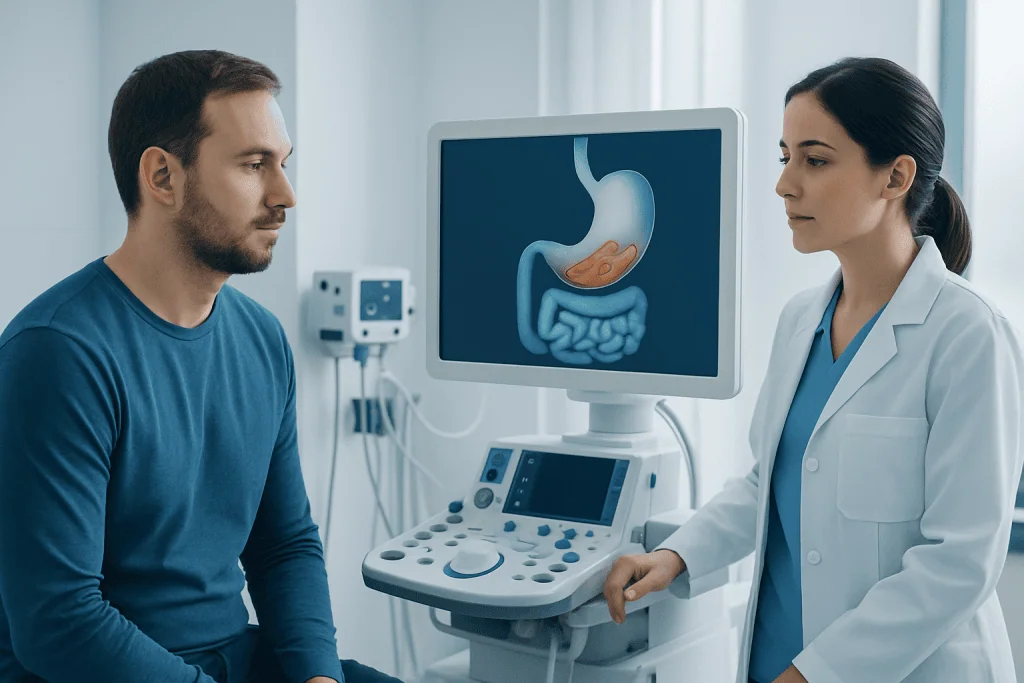
Pasta is mainly a source of carbohydrate, which the body uses for energy. When eaten alone in a large portion, refined pasta may raise blood sugar more quickly than a mixed meal. However, digestion and absorption slow when pasta is eaten with vegetables, beans, olive oil, yogurt-based sauces, fish, chicken, or other proteins.
The sauce matters because it changes the meal’s fat, fiber, sodium, and acidity. Tomato sauces may provide beneficial nutrients such as lycopene, but they can feel irritating to some people with reflux or a sensitive stomach. Cream and cheese sauces may be satisfying, yet they are often higher in saturated fat and can feel heavy, especially when eaten late in the evening.
Digestion is also influenced by eating habits. Large portions, eating very quickly, and lying down soon after a meal can make sauced pasta harder to tolerate. A smaller serving eaten slowly, with water and a side salad or cooked vegetables, is often easier on the stomach and may help with satiety.
- Refined pasta usually digests faster than whole-grain or legume pasta.
- Higher-fat sauces may delay stomach emptying and sometimes worsen fullness or nausea.
- Spicy, acidic, or garlic-heavy sauces may trigger symptoms in sensitive individuals.
- Balanced meals with protein and fiber can reduce hunger later in the day.
Which Sauces Are Healthier or Easier to Tolerate?

There is no single best sauce for everyone. Tomato-based sauces are often lower in calories than cream sauces and can be a good everyday option, especially when they are made with limited added salt and sugar. Adding vegetables such as zucchini, spinach, mushrooms, carrots, or eggplant can increase volume, fiber, and micronutrients without making the meal overly heavy.
Olive oil-based sauces may work well for people who prefer simpler flavors or want to avoid cream. Pesto and oil-based sauces can be part of a healthy meal, but they are energy-dense, so portion awareness remains important. Cream and cheese sauces can still be enjoyed, although many people do better with smaller servings or by reserving them for occasional meals.
For sensitive digestion, a mild sauce is often better tolerated than one that is highly spicy, acidic, or rich. Some people with bloating may notice symptoms after onion, garlic, or large amounts of dairy. In those cases, a clinician or dietitian may suggest tailored changes, especially if symptoms raise concern for irritable bowel syndrome.
- Often easier choices: simple tomato sauce, olive oil with herbs, vegetable-based sauces.
- Possible triggers for some people: very spicy sauces, heavy cream sauces, extra cheese, large garlic or onion content.
- Helpful additions: beans, lentils, grilled chicken, fish, tofu, or cooked vegetables.
Sauced Pasta and Common Medical Conditions
People with gastroesophageal reflux may find that certain pasta dishes trigger burning, regurgitation, or throat irritation. Tomato, chili, large amounts of garlic, and high-fat creamy sauces are common concerns, although triggers vary from person to person. Smaller meals and avoiding late-night eating are often as important as the sauce choice itself.
For diabetes or insulin resistance, sauced pasta is usually best approached as a carbohydrate-containing meal that benefits from portion planning. Whole-grain or legume pasta, added vegetables, and lean protein may help improve fullness and support a gentler rise in blood sugar. A doctor or dietitian may recommend individualized meal strategies when blood glucose control is a concern.
People with chronic kidney disease, high blood pressure, or heart disease may need to be more cautious about sodium in bottled or restaurant sauces. Processed meat sauces can also add saturated fat and salt. If weight management is a goal, portion size often has a larger effect than eliminating pasta entirely, and some patients may benefit from structured weight management treatment when lifestyle measures are not enough.
Anyone with frequent abdominal pain, ongoing bloating, diarrhea, constipation, or food-related discomfort should discuss symptoms with a clinician rather than assuming pasta is the only cause. In some cases, evaluation by a specialist in gastroenterology care may help identify reflux, food intolerance, celiac disease, or another digestive condition.
How to Build a More Balanced Sauced Pasta Meal
A practical approach is to view sauced pasta as one part of the plate rather than the whole meal. Many people do well when pasta is paired with non-starchy vegetables and a protein source. This can improve fullness, reduce the likelihood of overeating, and create a meal with a more balanced nutritional profile.
Portion size is important because even a nutritious sauce can become a very large energy load when the serving is oversized. Using a moderate amount of pasta and increasing vegetables is often a simple, sustainable adjustment. Cooking methods matter too: baking with excess cheese or butter typically makes the dish heavier than a lightly dressed stovetop preparation.
- Choose whole-grain, high-fiber, or legume pasta when suitable and well tolerated.
- Use sauces with visible ingredients rather than highly processed, salty options.
- Add vegetables generously for fiber, volume, and nutrients.
- Include a protein source such as beans, lentils, chicken, fish, tofu, or yogurt-based toppings.
- Eat slowly and stop when comfortably satisfied rather than overly full.
These adjustments do not require strict food rules. Many patients succeed by making sauced pasta meals more balanced most of the time, while still allowing flexibility for enjoyment, culture, and appetite.
Practical Self-Care Tips for Sensitive Stomachs
When pasta meals seem to cause discomfort, a symptom diary can be useful. It may help identify whether the problem is related to tomato, spice, onions, garlic, dairy, portion size, or meal timing. This is often more helpful than assuming all sauced pasta should be avoided.
Patients with reflux may benefit from smaller portions, limiting very acidic or fatty sauces, avoiding tight clothing after meals, and waiting before lying down. Those with bloating may feel better with simpler sauces and well-cooked vegetables rather than large, very rich restaurant servings. Adequate fluid intake and regular physical activity also support healthy digestion.
If dairy appears to be a trigger, lactose-free alternatives or reduced amounts of cheese may help. If symptoms continue despite simple changes, medical review is sensible because persistent digestive complaints can have many causes. In some cases, doctors may recommend testing or endoscopy to evaluate ongoing upper digestive symptoms.
When to Seek Medical Care
Occasional fullness or mild heartburn after a heavy pasta meal is common and not usually a sign of serious disease. However, medical advice is important if symptoms are frequent, worsening, or affecting daily life. Repeated discomfort after eating should not be ignored, especially if self-care steps do not help.
A person should speak with a doctor if sauced pasta or other meals regularly cause chest burning, persistent abdominal pain, nausea, vomiting, troublesome bloating, diarrhea, constipation, or unplanned weight loss. Difficulty swallowing, pain with swallowing, black stools, blood in vomit or stool, dehydration, or severe chest pain need prompt medical assessment.
Near the end of a diagnostic journey, coordinated care can be helpful. Acibadem International’s multidisciplinary specialists and JCI-accredited hospitals diagnose and treat digestive and metabolic conditions for international patients when evaluation is needed.
Frequently asked questions
Is sauced pasta unhealthy?
Sauced pasta is not automatically unhealthy. Its nutritional quality depends on the type of pasta, the ingredients in the sauce, the portion size, and what else is eaten with it. A moderate serving with vegetables and protein can fit well into a balanced diet.
Can sauced pasta cause acid reflux?
It can trigger reflux symptoms in some people, especially when the sauce is tomato-based, spicy, high in fat, or eaten in a large portion. Eating late at night and lying down soon after the meal can also make reflux more likely. Triggers vary, so individual patterns matter.
Which pasta sauce is best for a sensitive stomach?
Many people tolerate simple, mildly seasoned sauces better than rich, spicy, or very acidic ones. Olive oil-based sauces or gentle vegetable sauces may be easier for some individuals than cream-heavy or chili-rich preparations. The best choice depends on personal symptoms and any underlying digestive condition.
Is whole-grain pasta better than regular pasta?
Whole-grain pasta often contains more fiber and may help with fullness and steadier blood sugar responses. However, some people with digestive sensitivity may find regular pasta easier to tolerate. The better option is the one that supports both nutritional goals and symptom control.
Can people with diabetes eat sauced pasta?
Yes, many people with diabetes can include pasta in a meal plan. It is usually helpful to pay attention to portion size, choose higher-fiber options when suitable, and pair pasta with vegetables and protein. Individual guidance from a doctor or dietitian is important for blood sugar management.
Why do I feel bloated after eating sauced pasta?
Bloating may relate to a large portion, a rich sauce, fast eating, or specific ingredients such as garlic, onion, dairy, or certain vegetables. It may also reflect an underlying digestive issue rather than pasta alone. Persistent or painful bloating should be discussed with a healthcare professional.
References
- World Health Organization
- National Institute of Diabetes and Digestive and Kidney Diseases
- American Gastroenterological Association
- Academy of Nutrition and Dietetics
- National Health Service
This article is for general information only and is not a substitute for professional medical advice. Please consult a qualified doctor about your individual situation.
Persistent digestive symptoms? Get evaluated in Turkey
JCI-accredited · board-certified surgeons · reply within 24h
Add us as a Preferred Source to see more of our trusted health content across Google Search, AI Overviews and Discover.

More from the Health Library



Related Specialists

Prof. Dr. Bilgi Baca
General Surgery
Prof. Dr. Meriç Şengöz
Radiation Oncology
Dr. Abdullah Etöz
Aesthetic Plastic & Reconstructive Surgery
Prof. Dr. Beril Akman
Internal Medicine