Unbearable Period Pain and Vomiting: Possible Causes and When to Seek Care

Severe cramping can trigger nausea and vomiting through pain-related body responses and prostaglandins. Vomiting with periods is not something a person needs to simply accept when it interferes with daily life.
Key Takeaways
- Severe cramping can trigger nausea and vomiting through pain-related body responses and prostaglandins.
- Vomiting with periods is not something a person needs to simply accept when it interferes with daily life.
- Pain that begins later in life, worsens over time or occurs between periods may suggest an underlying gynecological condition.
- Sudden severe pelvic pain, fainting, fever, heavy bleeding or possible pregnancy requires urgent medical assessment.
- A symptom diary and medical evaluation can help identify the cause and guide treatment.
Unbearable period pain and vomiting may result from intense menstrual cramps, but pain that is new, worsening, disabling or accompanied by other symptoms should be assessed by a healthcare professional. Conditions such as endometriosis, adenomyosis, fibroids, pelvic infection or pregnancy-related complications can sometimes cause similar symptoms.
Overview: Why Period Pain Can Cause Vomiting
Unbearable period pain and vomiting can happen when menstrual cramps are particularly intense. During menstruation, the uterus contracts to shed its lining. Chemical messengers called prostaglandins help drive these contractions, but higher levels may lead to stronger cramps and can also affect the digestive system, causing nausea, vomiting, diarrhea, sweating or dizziness.
Some people experience severe cramps from the start of their periods without another identifiable pelvic condition. This is called primary dysmenorrhea. However, severe or changing symptoms can also be related to conditions such as endometriosis, adenomyosis, uterine fibroids, ovarian cysts or pelvic inflammatory disease. A healthcare professional can help distinguish typical menstrual cramps from pain that needs further investigation.
Although nausea may occur with menstrual pain, repeated vomiting, inability to keep fluids down, or pain that prevents normal activities deserves medical attention. Effective treatments are available, and assessment should focus on both symptom relief and identifying any underlying cause.
Symptoms That May Occur Alongside Severe Cramps
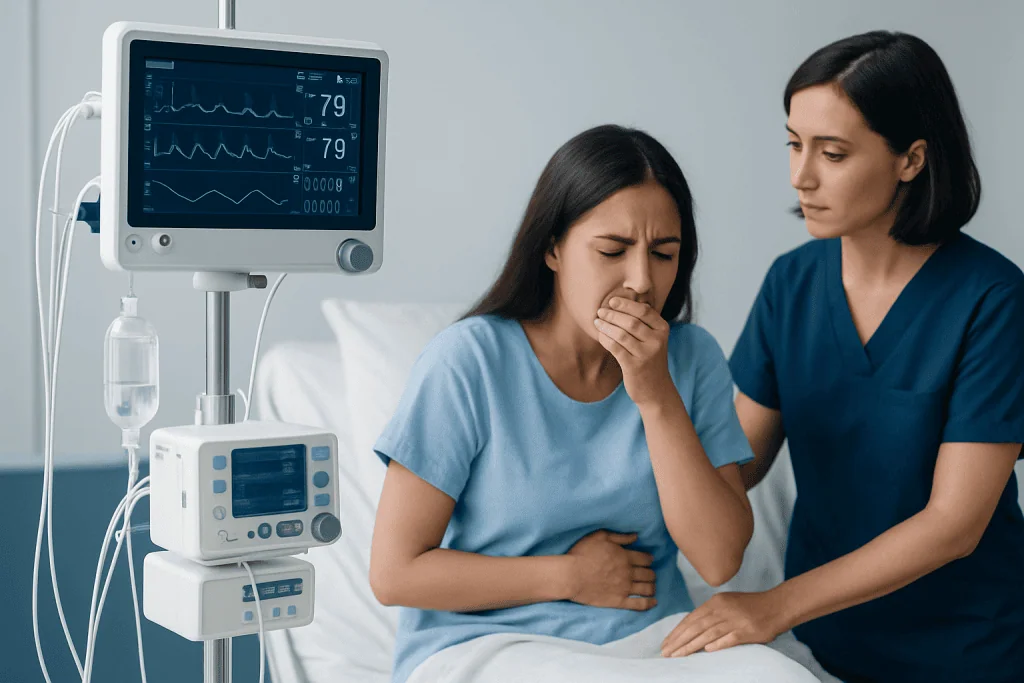
Menstrual cramps often feel like aching, pressure, throbbing or spasms in the lower abdomen. The pain may spread to the lower back, hips, groin or thighs. It commonly begins shortly before bleeding starts or during the first day or two of a period, then gradually improves.
When cramps are severe, the nervous system and digestive tract can respond to the pain and to prostaglandins. A person may have nausea, vomiting, loose stools, bloating, fatigue, headache, light-headedness, sweating or shakiness. These symptoms can be distressing, but they are not a measure of how well a person is coping.
Symptoms that are especially important to mention during a medical appointment include pain between periods, pain during sex, pain when passing stool or urine during menstruation, unusually heavy or prolonged bleeding, difficulty becoming pregnant, and new pain after years of relatively manageable periods. These patterns can provide useful clues about the cause.
Possible Causes of Unbearable Period Pain and Vomiting
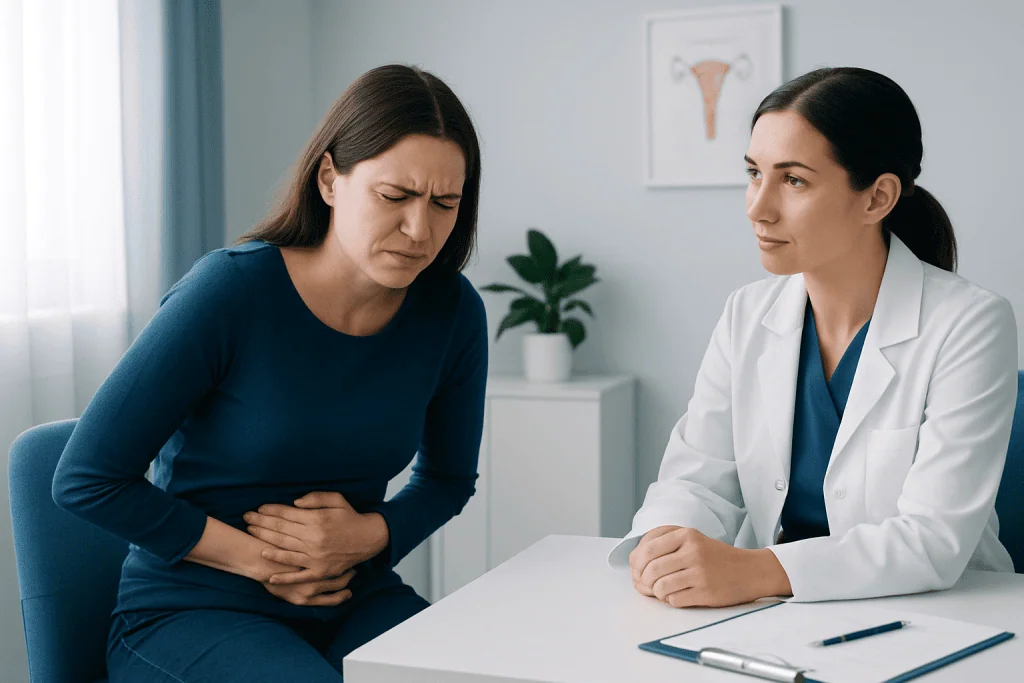
Primary dysmenorrhea is a common cause of painful periods, particularly in adolescents and younger adults. It is not caused by a structural problem in the pelvis. In this form of dysmenorrhea, increased prostaglandin activity can produce forceful uterine contractions and gastrointestinal symptoms, including vomiting.
Secondary dysmenorrhea means that menstrual pain is associated with another condition. Endometriosis is one important possibility: tissue similar to the uterine lining grows outside the uterus and may cause severe period pain, pain with sex, bowel or bladder symptoms, and fertility concerns. Adenomyosis, in which similar tissue grows into the uterine muscle, may cause heavy bleeding and a tender, enlarged uterus.
Other possible causes include fibroids, ovarian cysts, pelvic inflammatory disease, cervical narrowing, and adhesions after pelvic surgery. Not all of these conditions cause vomiting directly; rather, severe pain can trigger nausea and vomiting. A clinician will consider age, symptoms, examination findings and medical history when assessing the most likely explanation.
- Fibroids: noncancerous growths in or around the uterus that may contribute to heavy bleeding and pelvic pressure.
- Pelvic inflammatory disease: an infection of the reproductive organs that may cause pelvic pain, fever, unusual discharge or pain during sex.
- Ovarian cyst complications: a ruptured or twisted ovary can cause sudden, severe pain and needs urgent evaluation.
- Pregnancy-related causes: pain and bleeding in a possible pregnancy, including ectopic pregnancy, should be assessed urgently.
How Doctors Assess Severe Menstrual Pain
Assessment begins with a detailed discussion of the pain: when it began, where it is felt, how long it lasts, what makes it better or worse, and how it affects school, work, sleep and daily activities. A clinician may also ask about bleeding patterns, vomiting, bowel or urinary symptoms, sexual health, past surgery, medications and the possibility of pregnancy.
A physical examination may be recommended, depending on the person’s age, symptoms and preferences. This may include an abdominal and pelvic examination. Tests can include a pregnancy test, blood tests when heavy bleeding or infection is suspected, testing for sexually transmitted infections, and a pelvic ultrasound to examine the uterus and ovaries.
Ultrasound can identify some causes, including fibroids or ovarian cysts, but it does not rule out every condition. Endometriosis, for example, may not always be visible on imaging. If symptoms continue despite initial treatment, a gynecologist may recommend further evaluation and discuss whether procedures such as laparoscopy are appropriate.
Treatment Options and Symptom Relief
Treatment depends on the suspected cause, symptom severity, medical history and future pregnancy plans. For primary dysmenorrhea, nonsteroidal anti-inflammatory drugs (NSAIDs), when safe for the individual, are often used because they reduce prostaglandin production. They tend to work best when started at the first sign of pain or bleeding, or as advised by a clinician. A doctor or pharmacist can help determine whether these medicines are suitable, especially for people with stomach ulcers, kidney disease, bleeding disorders or certain other health conditions.
Hormonal methods that reduce or regulate menstruation may also improve painful periods for many people. These can include combined hormonal contraceptives, progestogen-only options, hormonal intrauterine devices or other treatments selected with a clinician. Antinausea medicine may be considered when vomiting is significant, while treatment for a diagnosed underlying condition is tailored to that condition.
For example, care for endometriosis may include pain management, hormonal treatment and, in selected situations, surgery. Endometriosis treatment is individualized according to symptoms, findings and reproductive goals. Fibroids, infections, ovarian conditions and other causes have different management approaches, so establishing the diagnosis is important before choosing longer-term treatment.
Supportive measures may ease symptoms but should not replace medical review for disabling pain. A heat pad, warm bath, gentle movement, adequate rest and regular hydration may help. If vomiting is present, taking small, frequent sips of water or oral rehydration fluid can be easier than drinking a large amount at once.
When to Seek Medical Care
Medical care should be arranged soon if period pain and vomiting repeatedly interrupt normal activities, do not improve with usual measures, are becoming worse, or start after a history of less painful periods. It is also appropriate to seek assessment for heavy bleeding, bleeding between periods, pain during sex, infertility concerns, fever, unusual vaginal discharge, or bowel and bladder symptoms that occur around menstruation.
Urgent medical assessment is important for sudden severe pelvic or abdominal pain, fainting or near-fainting, confusion, shoulder-tip pain, fever with pelvic pain, persistent vomiting, or signs of dehydration such as very little urine, marked weakness or inability to keep fluids down. These symptoms can have causes beyond routine menstrual cramps.
Anyone who could be pregnant and has pelvic pain, vaginal bleeding, dizziness or vomiting should seek urgent medical advice. This is important because ectopic pregnancy and miscarriage can cause symptoms that may initially be mistaken for a painful period. Emergency services should be used when symptoms are severe or a person feels unsafe to travel independently.
Preparing for an Appointment and Supporting Ongoing Care
A menstrual symptom diary can make a consultation more useful. For two or three cycles, a person can record when pain starts, its severity, bleeding amount, vomiting episodes, other symptoms, medicines used and their effect. It can also help to note missed work, school or social activities, since the impact of symptoms is clinically relevant.
People should tell their clinician about all medicines and supplements they use, including over-the-counter pain medicines. It is helpful to mention a family history of endometriosis, fibroids or bleeding disorders, as well as any past pelvic infection, surgery or pregnancy. Open discussion supports a plan that fits the individual’s needs and preferences.
Acibadem International’s multidisciplinary specialists and JCI-accredited hospitals diagnose and treat gynecological conditions for international patients. Persistent or disabling menstrual symptoms should be discussed with a qualified gynecologist, who can recommend appropriate testing and treatment rather than expecting the person to manage severe pain alone.
Frequently asked questions
Is vomiting during a period normal?
Nausea or occasional vomiting can occur with severe menstrual cramps because prostaglandins and pain can affect the digestive system. However, vomiting that is recurrent, severe, prevents fluid intake or disrupts daily life should be discussed with a healthcare professional. It may be possible to improve both the cramps and the nausea with appropriate treatment.
Can endometriosis cause vomiting during periods?
Endometriosis can cause severe menstrual pain, and severe pain can be associated with nausea or vomiting. Not everyone with endometriosis has vomiting, and vomiting alone does not confirm the condition. A gynecological assessment is needed to consider endometriosis alongside other possible causes.
When is period pain considered too severe?
Period pain is considered significant when it causes someone to miss work, school or usual activities, leads to vomiting or faintness, or does not respond to commonly used symptom measures. New pain, pain that worsens over time, or pain occurring outside menstruation also warrants medical review. Severe pain deserves assessment even if it has been present for many years.
Could severe cramps and vomiting mean pregnancy?
Pregnancy-related conditions can sometimes cause pelvic pain, nausea, vomiting and bleeding that may be mistaken for a period. Anyone who may be pregnant should take a pregnancy test and seek urgent medical advice for pain, bleeding, dizziness, fainting or shoulder-tip pain. Ectopic pregnancy is a medical emergency and needs prompt evaluation.
What can help while waiting to see a doctor?
A person may find heat, rest, gentle movement and small frequent sips of fluid helpful. Over-the-counter anti-inflammatory pain medicine may be appropriate for some people, but it should be used only as directed and avoided when a clinician has advised against it. Persistent vomiting, dehydration, sudden severe pain or possible pregnancy should not be managed at home.
Will an ultrasound show the cause of painful periods?
A pelvic ultrasound can be very useful for identifying conditions such as fibroids, some ovarian cysts and certain uterine changes. However, a normal ultrasound does not exclude every cause of severe period pain, including endometriosis. Further assessment may be recommended if symptoms remain severe despite initial treatment.
References
- American College of Obstetricians and Gynecologists
- National Institute for Health and Care Excellence
- Mayo Clinic
- World Health Organization
This article is for general information only and is not a substitute for professional medical advice. Please consult a qualified doctor about your individual situation.
Explore treatments in Turkey — costs, top hospitals & a free quote
JCI-accredited · board-certified surgeons · reply within 24h
Add us as a Preferred Source to see more of our trusted health content across Google Search, AI Overviews and Discover.