Vasopressin — Explained by Medical Evidence, Not Myths

Vasopressin helps the kidneys conserve water and also supports blood vessel tone. Low vasopressin activity can lead to excessive thirst and large amounts of diluted urine.
Key Takeaways
- Vasopressin helps the kidneys conserve water and also supports blood vessel tone.
- Low vasopressin activity can lead to excessive thirst and large amounts of diluted urine.
- High vasopressin activity can contribute to low sodium levels and fluid imbalance.
- Doctors evaluate vasopressin-related problems with history, blood tests, urine tests, and sometimes imaging.
- Treatment depends on the cause and may include fluids, medication changes, hormone replacement, or treating an underlying disease.
Vasopressin is a natural hormone, also called antidiuretic hormone, that helps the body control water balance and support blood pressure. Medical evidence shows that both too little and too much vasopressin can cause important health problems, so symptoms should be assessed in context rather than explained by myths or oversimplified advice.
Overview: what vasopressin really is
Vasopressin is a hormone made in the hypothalamus and released by the pituitary gland. It is also called antidiuretic hormone, or ADH. Its main job is to help the body keep the right amount of water by signaling the kidneys to reabsorb water instead of letting too much leave in urine.
Vasopressin also has a second important role: it helps support blood pressure by narrowing blood vessels when the body needs it. This is why the hormone matters not only in everyday hydration, but also during illness, blood loss, infection, and other forms of physical stress.
Public discussions sometimes describe vasopressin as a simple “hydration hormone” or confuse it with lifestyle trends. In reality, vasopressin is part of a tightly regulated system involving the brain, kidneys, heart, blood vessels, and sodium balance. Understanding it correctly is useful because symptoms linked to vasopressin are common, but the causes can be very different.
How vasopressin works in the body
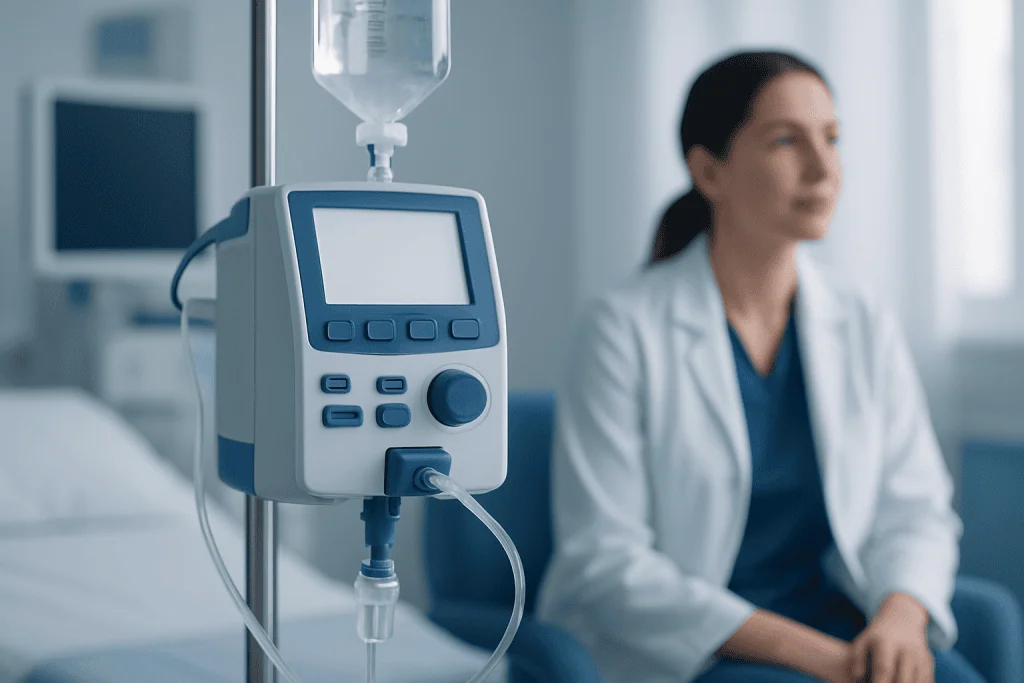
When the body senses that blood is becoming more concentrated, or when blood volume falls, vasopressin release increases. The hormone travels through the bloodstream to the kidneys, where it acts on collecting ducts and tells them to return more water to the body. As a result, urine becomes more concentrated and the body loses less fluid.
If the body has enough water, vasopressin release falls. The kidneys then allow more water to leave in urine, which becomes more diluted. This constant adjustment helps keep blood sodium and overall fluid balance within a healthy range.
Vasopressin release can also rise during pain, nausea, stress, surgery, or serious illness. Certain medications affect it as well. Because the system is influenced by many factors, doctors do not usually interpret a single symptom or lab result in isolation.
- Main actions: water conservation and blood pressure support
- Main target organs: kidneys and blood vessels
- Main control signals: blood concentration, blood volume, stress, and some medications
What happens when vasopressin is too low or too high

Too little vasopressin, or reduced kidney response to it, can cause the body to lose large amounts of water in urine. This may lead to intense thirst, frequent urination, nighttime urination, dehydration, and fatigue. A classic condition in this group is diabetes insipidus, which is different from diabetes mellitus and is not caused by high blood sugar.
Too much vasopressin can have the opposite effect. The body may hold on to more water than it should, diluting sodium in the blood. This can happen in a condition called syndrome of inappropriate antidiuretic hormone secretion, often shortened to SIADH. Symptoms of low sodium can include headache, nausea, confusion, muscle cramps, and in severe cases seizures.
It is important not to assume that thirst, frequent urination, swelling, or fatigue automatically point to a vasopressin problem. Many other conditions can cause similar symptoms, including kidney disease, uncontrolled diabetes mellitus, medication effects, hormonal disorders, and heart or liver disease. Proper evaluation helps distinguish among them.
Symptoms and signs that may suggest a vasopressin-related problem
Symptoms depend on whether vasopressin activity is too low, too high, or the kidneys are not responding normally. Low activity often leads to excessive urination and strong thirst. People may describe carrying water everywhere, waking multiple times at night to urinate, or feeling dehydrated despite drinking often.
High activity may be less obvious at first. Water retention from excess vasopressin can cause low sodium rather than visible swelling, so symptoms may include headache, low energy, poor concentration, nausea, or balance problems. If sodium drops significantly, confusion, vomiting, or seizures can occur and need urgent care.
Doctors also consider context. Symptoms that begin after head injury, brain surgery, major infection, new medication use, or a recent hospital stay deserve particular attention. In children and older adults, signs can be less specific, so medical history and testing are especially important.
- Excessive thirst
- Passing large volumes of pale urine
- Frequent nighttime urination
- Dry mouth or dehydration
- Headache, nausea, or confusion
- Muscle cramps or weakness related to low sodium
Causes, risk factors, and related conditions
Vasopressin problems can begin in the brain, where the hormone is produced and released, or in the kidneys, where it carries out its water-balancing action. Low vasopressin can follow head trauma, pituitary or hypothalamic disorders, neurosurgery, inflammation, or rarely inherited conditions. Kidney resistance to vasopressin may be linked to certain medications, chronic kidney disease, high calcium, low potassium, or genetic causes.
Excess vasopressin can develop in response to lung disease, infections, brain disorders, pain, nausea, or some cancers. It can also be triggered by medications such as certain antidepressants, anti-seizure drugs, or chemotherapy agents. SIADH is a common clinical pattern doctors look for when sodium is low and water handling appears abnormal.
Related endocrine or pituitary disorders may also need assessment, especially when symptoms are persistent or appear with headaches, visual changes, or other hormonal symptoms. In some cases, a person may need evaluation by specialists in endocrinology or nephrology to identify the exact reason for the imbalance.
How doctors diagnose vasopressin disorders
Diagnosis starts with a careful history. A doctor will ask about thirst, urine volume, recent illness, weight changes, medications, family history, and any brain injury or surgery. This matters because symptoms alone cannot reliably show whether vasopressin is low, high, or blocked at the kidney level.
Blood and urine tests are central to evaluation. Doctors often check sodium, glucose, kidney function, blood concentration, and urine concentration. In some situations, further tests may be used to assess how the body responds to fluid balance changes. These assessments are interpreted cautiously because dehydration, medications, and acute illness can change the results.
If the pattern suggests a problem in the hypothalamus or pituitary gland, imaging such as MRI may be recommended. When a structured hormonal evaluation is needed, doctors may also investigate the pituitary in more detail because vasopressin regulation can overlap with other hormone pathways.
Treatment options and everyday self-care
Treatment depends on the underlying cause rather than the hormone name alone. If vasopressin is too low because of central diabetes insipidus, doctors may use a synthetic form of the hormone and guide fluid intake carefully. If the kidneys are resistant to vasopressin, treatment focuses more on the cause, medication review, and measures that reduce excess water loss.
When vasopressin is too high, the goal is to correct the trigger and restore sodium balance safely. Depending on the severity, treatment may include fluid restriction, adjustment of medications, treatment of infection or lung disease, or other therapies chosen by the medical team. Sodium problems should not be corrected too quickly, so management is individualized and monitored.
At home, self-care should stay simple and evidence-based. People should avoid making major fluid changes without medical advice, especially if sodium abnormalities are suspected. Keeping a symptom diary, noting thirst and urine patterns, and bringing a medication list to appointments can help the evaluation. For patients with complex causes, multidisciplinary teams such as pituitary disease specialists may be involved.
Near the end of the care pathway, some patients may benefit from coordinated international evaluation. Acibadem International’s multidisciplinary specialists and JCI-accredited hospitals diagnose and treat vasopressin-related conditions for international patients when specialist assessment is needed.
When to seek medical care
Medical advice is appropriate if a person develops persistent excessive thirst, very frequent urination, repeated nighttime urination, or unexplained fatigue and dehydration. These symptoms do not always mean a vasopressin problem, but they do deserve assessment, especially if they are new or worsening.
Prompt medical attention is important if symptoms appear after head injury, brain surgery, severe infection, or starting a new medication. Care is also important if there are signs of low sodium such as headache, nausea, confusion, muscle cramps, or unusual drowsiness.
Emergency care is needed for seizures, severe confusion, fainting, inability to keep fluids down, or signs of serious dehydration. A qualified doctor can determine whether the cause relates to vasopressin, another hormone issue, kidney disease, or a different medical condition.
Frequently asked questions
Is vasopressin the same as antidiuretic hormone?
Yes. Vasopressin and antidiuretic hormone, or ADH, refer to the same natural hormone. The two names highlight its different actions: water conservation in the kidneys and effects on blood vessel tone.
What are the most common signs of low vasopressin?
Low vasopressin activity often causes excessive thirst and passing large amounts of dilute urine. Some people also develop nighttime urination, dry mouth, tiredness, or dehydration if fluid losses are not replaced.
Can high vasopressin be dangerous?
Yes, because too much vasopressin can lead to water retention and low sodium levels. Mild cases may cause headache or nausea, while more serious sodium changes can affect thinking, balance, or seizures and require urgent treatment.
How is vasopressin-related illness different from diabetes mellitus?
Diabetes insipidus involves a problem with vasopressin production, release, or kidney response, leading to excess water loss. Diabetes mellitus is a blood sugar disorder involving insulin and glucose regulation. They are separate conditions even though both can cause frequent urination and thirst.
Can drinking more water fix a vasopressin problem?
Not always. Drinking water may help replace losses in some situations, but in others, especially when sodium is low, too much water can make the problem worse. This is why fluid advice should follow medical evaluation rather than guesswork.
Which doctor treats vasopressin disorders?
The right specialist depends on the cause. Endocrinologists often manage hormone-related causes, nephrologists evaluate kidney response and fluid balance, and neurologists or neurosurgeons may be involved when the brain or pituitary is affected.
This article is for general information only and is not a substitute for professional medical advice. Please consult a qualified doctor about your individual situation.
Explore treatments in Turkey — costs, top hospitals & a free quote
JCI-accredited · board-certified surgeons · reply within 24h
Add us as a Preferred Source to see more of our trusted health content across Google Search, AI Overviews and Discover.
Check your numbers in seconds
BMI, calories, due date, blood pressure and 30+ more clinical calculators — free, instant, doctor-reviewed ranges.

More from the Health Library

Bumps on the Head of the Penus: What Patients Need to Know

Liver Ultrasound: What Patients Need to Know

Fun Facts on the Cardiovascular System: An Evidence-Based Guide for Patients

Trazodone — Explained by Medical Evidence, Not Myths

Pomelo Fruit: What Patients Need to Know