

Fun Facts on the Cardiovascular System: An Evidence-Based Guide for Patients

The cardiovascular system includes the heart, blood, and a network of arteries, veins, and capillaries that deliver oxygen and nutrients throughout the body. The heart is a powerful muscle that beats continuously and adjusts its work based on the body’s needs, such as rest, exercise, stress, and sleep.
Key Takeaways
- The cardiovascular system includes the heart, blood, and a network of arteries, veins, and capillaries that deliver oxygen and nutrients throughout the body.
- The heart is a powerful muscle that beats continuously and adjusts its work based on the body’s needs, such as rest, exercise, stress, and sleep.
- Blood vessels are not passive tubes; they actively widen, narrow, and help regulate blood pressure, temperature, and blood flow.
- Heart health is influenced by daily habits including physical activity, diet, sleep, smoking status, and management of blood pressure, cholesterol, and diabetes.
- Symptoms such as chest pain, fainting, sudden shortness of breath, or stroke-like signs should be assessed by a medical professional promptly.
Fun facts on the cardiovascular system can do more than satisfy curiosity—they can help patients understand how the heart, blood, and blood vessels support every organ in the body. This guide shares evidence-based cardiovascular facts in plain language, along with practical tips on heart health and signs that need medical attention.
Overview: What the Cardiovascular System Does
Fun facts on the cardiovascular system reveal a remarkable truth: this system is not just about the heart alone. It is a coordinated network made up of the heart, blood, and blood vessels, all working together to move oxygen, nutrients, hormones, and immune cells around the body. At the same time, it helps remove carbon dioxide and other waste products.
In simple terms, the cardiovascular system is the body’s transport system. The heart acts as a pump, arteries carry blood away from the heart, veins return blood to it, and capillaries allow exchange between blood and tissues. Every organ depends on this steady flow, including the brain, kidneys, skin, and muscles.
One reason people enjoy learning cardiovascular facts is that they connect everyday experiences—such as feeling the pulse after exercise or seeing a blush in the face—to real body processes. Understanding these basics can also make it easier to recognize why blood pressure, cholesterol, smoking, diabetes, and physical activity matter so much for long-term health.
Interesting Facts About the Heart
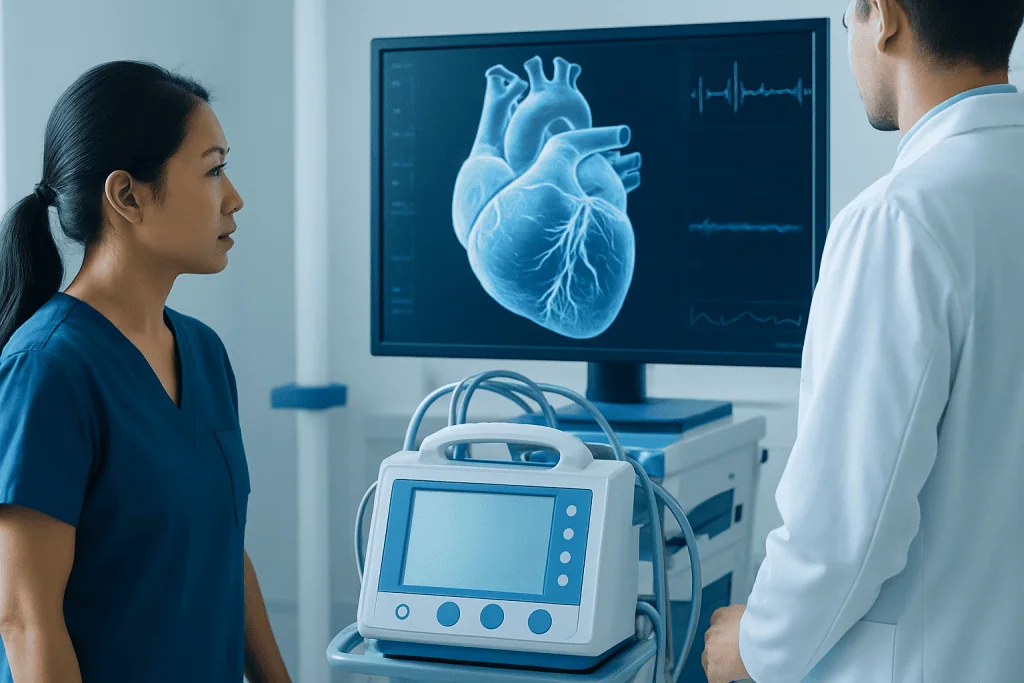
The heart is a fist-sized muscle for most adults, yet it performs continuous work from before birth through the end of life. It has four chambers that guide blood in the correct direction and valves that act like one-way doors. This organized flow helps oxygen-poor blood travel to the lungs and oxygen-rich blood return to the body.
One of the most interesting cardiovascular system facts is that the heart responds quickly to the body’s changing demands. During exercise, stress, fever, or excitement, it can beat faster and pump more blood. During sleep or relaxation, it often slows down. This flexibility is a sign of a responsive, well-regulated system.
The heart also has its own electrical conduction system. Specialized cells generate and transmit signals that coordinate each heartbeat. When this rhythm becomes abnormal, it may cause palpitations, dizziness, or fainting in some people. In certain situations, a doctor may evaluate this with tests and treatment for heart rhythm problems.
- The right side of the heart sends blood to the lungs.
- The left side sends oxygen-rich blood to the rest of the body.
- Heart valves help keep blood moving in one direction.
- The heartbeat is controlled by electrical impulses, not just muscle strength.
Blood Vessels Do More Than Carry Blood
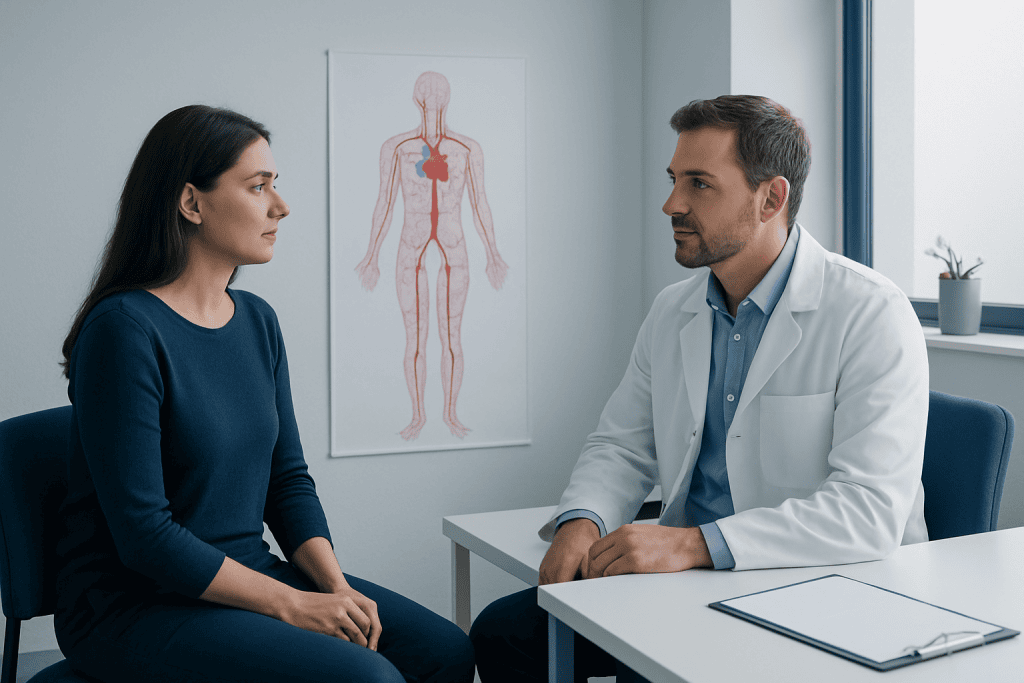
Arteries, veins, and capillaries are often described as pipes, but they are much more dynamic than that. Their walls can widen or narrow to help regulate blood flow and blood pressure. This means blood vessels actively participate in circulation rather than simply serving as passive channels.
Arteries usually carry blood away from the heart under relatively higher pressure, while veins bring blood back under lower pressure. Many veins contain valves that help prevent blood from flowing backward, especially in the legs. Capillaries are the smallest vessels and are thin enough to allow oxygen and nutrients to pass into tissues while waste products move out.
Blood vessels also help the body regulate temperature. When the body needs to release heat, certain vessels near the skin can widen. When it needs to conserve heat, they can narrow. This is one reason the skin may look red in warmth or pale in cold conditions.
Problems affecting blood vessels can involve narrowing, blockage, weakness, or reduced flexibility. For example, plaque buildup in the arteries can contribute to coronary artery disease, a common cause of reduced blood flow to the heart muscle.
How Blood Supports Every Organ
Another important part of fun facts on the cardiovascular system is blood itself. Blood is not just a red liquid; it is a living tissue with several components. Red blood cells carry oxygen, white blood cells help defend against infection, platelets support clotting, and plasma transports nutrients, hormones, proteins, and waste.
Blood’s movement through the body supports every organ system. The brain depends on a steady blood supply for oxygen and glucose. The kidneys filter blood to help control fluid balance and remove waste. Muscles rely on circulation to meet increased demands during activity. Even wound healing depends on blood bringing clotting factors and immune cells to an injured area.
The body also carefully regulates how blood is distributed. During exercise, more blood is directed toward working muscles and the skin. After a meal, circulation to the digestive system increases. In emergencies, the body can redirect blood flow to protect vital organs. These shifts happen automatically through the nervous system and hormonal signals.
What Affects Cardiovascular Health
Cardiovascular health is shaped by a combination of age, family history, medical conditions, and lifestyle factors. Some risks cannot be changed, such as getting older or having a close relative with early heart disease. However, many major influences are modifiable, which means patients can take meaningful steps to protect long-term heart and vessel health.
High blood pressure, high cholesterol, diabetes, smoking, excess alcohol use, physical inactivity, poor sleep, and long-term stress can all strain the cardiovascular system. Over time, they may damage blood vessels, increase inflammation, raise the heart’s workload, or contribute to plaque buildup. Maintaining a healthy weight and following a balanced eating pattern can also support better blood pressure, glucose, and lipid control.
Regular movement is one of the most practical ways to support circulation. Physical activity can improve heart efficiency, help blood vessels function better, and lower risk factors such as insulin resistance and elevated blood pressure. For some patients with symptoms or known heart disease, doctors may recommend a formal evaluation, especially before starting a more demanding exercise routine.
If a person develops ongoing chest discomfort, reduced exercise tolerance, or other concerning symptoms, clinicians may assess for conditions such as heart disease and discuss treatment options, which in selected cases can include coronary angiography to look at blood flow in the heart’s arteries.
How Doctors Check the Cardiovascular System
Doctors evaluate the cardiovascular system using a combination of history, physical examination, and targeted tests. Basic clues include blood pressure, pulse, oxygen level, heart sounds, leg swelling, and symptoms such as chest pain, palpitations, breathlessness, or dizziness. Family history, medications, and smoking history are also important.
Common tests may include blood tests, an electrocardiogram to assess heart rhythm, and imaging studies such as echocardiography to examine heart structure and function. Exercise testing, heart rhythm monitoring, and vascular ultrasound may also be used depending on the symptoms. These tools help clinicians understand whether a problem involves the heart muscle, valves, rhythm, or blood vessels.
In some situations, advanced imaging or procedures are needed to clarify the diagnosis and guide treatment. Examples include stress imaging or cardiac MRI for a more detailed look at the heart. The goal is not simply to find disease, but to match testing to the patient’s symptoms, risk profile, and overall health needs.
Prevention and Everyday Self-Care
Many evidence-based steps that support heart health are also helpful for overall well-being. A heart-conscious lifestyle does not require perfection; steady, sustainable habits matter more than short-term efforts. Patients are often encouraged to work with a healthcare professional to create goals that fit their age, medical history, and daily routine.
Helpful self-care measures include staying physically active, choosing a balanced diet rich in vegetables, fruits, whole grains, legumes, and healthy fats, limiting tobacco exposure, and getting enough sleep. Managing blood pressure, cholesterol, and diabetes is especially important because these factors can damage the heart and blood vessels over time even when a person feels well.
Stress management also plays a role. Stress does not cause all heart disease, but chronic stress can affect sleep, eating habits, activity levels, and blood pressure. Relaxation practices, social support, and regular medical follow-up can all contribute to a healthier cardiovascular profile.
- Know personal numbers such as blood pressure, blood sugar, and cholesterol if a doctor recommends monitoring them.
- Take prescribed medicines as directed and ask before stopping them.
- Seek urgent help for severe or sudden symptoms rather than waiting to see if they pass.
- Arrange routine checkups if there are risk factors or a family history of heart disease.
For international patients who need further evaluation, Acibadem International’s multidisciplinary specialists and JCI-accredited hospitals diagnose and treat cardiovascular conditions using a range of modern medical and imaging approaches.
When to Seek Medical Care
Not every flutter, brief ache, or tired day signals a serious problem, but certain symptoms should not be ignored. Medical assessment is especially important for chest pain or pressure, sudden shortness of breath, fainting, severe palpitations, new swelling in the legs, or unexplained exercise intolerance. These signs can have many causes, but some require prompt treatment.
Urgent care is also needed for possible stroke symptoms, such as sudden weakness on one side, trouble speaking, facial drooping, or sudden vision changes. Because the cardiovascular and nervous systems are closely linked, problems with blood flow can affect the brain as well as the heart.
Patients with known heart disease, high blood pressure, diabetes, or a strong family history should be especially attentive to new symptoms. It is reasonable to seek medical advice early rather than waiting for symptoms to become more frequent or intense. Timely evaluation often helps clarify whether the cause is minor, manageable, or in need of urgent treatment.
Frequently asked questions
What are some simple fun facts on the cardiovascular system?
The cardiovascular system includes the heart, blood, and blood vessels, all working together to supply oxygen and nutrients throughout the body. The heart has four chambers, blood vessels can widen and narrow to control flow, and blood helps transport hormones, immune cells, and waste products.
Is the cardiovascular system the same as the circulatory system?
These terms are often used interchangeably in everyday language. In many medical explanations, the cardiovascular system refers specifically to the heart and blood vessels, while the broader circulatory system may also include the lymphatic system.
Why does the heart beat faster during exercise?
During exercise, muscles need more oxygen and nutrients, so the heart increases its rate and pumping strength to deliver more blood. This is a normal response in most people, although unusual symptoms during exercise should be discussed with a doctor.
Can a person have cardiovascular disease without obvious symptoms?
Yes. Conditions such as high blood pressure, high cholesterol, and early artery disease can develop quietly over time. That is why routine checkups and risk assessment are important, especially for people with diabetes, smoking history, or a family history of heart disease.
What daily habits best support cardiovascular health?
Helpful habits include regular physical activity, a balanced diet, avoiding smoking, getting adequate sleep, and managing blood pressure, cholesterol, and blood sugar. Taking prescribed medicines as directed and keeping follow-up appointments also support long-term heart health.
When should someone worry about heart-related symptoms?
Symptoms that deserve prompt medical attention include chest pain or pressure, sudden shortness of breath, fainting, severe palpitations, and stroke-like symptoms such as facial drooping or trouble speaking. Even if the cause turns out not to be serious, it is safest to have these symptoms assessed quickly.
References
- American Heart Association
- Centers for Disease Control and Prevention
- National Heart, Lung, and Blood Institute
- World Health Organization
This article is for general information only and is not a substitute for professional medical advice. Please consult a qualified doctor about your individual situation.
Heart care in Turkey — expert evaluation and treatment
JCI-accredited · board-certified surgeons · reply within 24h
Add us as a Preferred Source to see more of our trusted health content across Google Search, AI Overviews and Discover.
Check your numbers in seconds
BMI, calories, due date, blood pressure and 30+ more clinical calculators — free, instant, doctor-reviewed ranges.

More from the Health Library



Related Specialists

Merve Güvendi
Physical Medicine & Rehabilitation
Prof. Dr. Yılmaz Büyükuncu
General Surgery
Prof. Dr. Eser Kaya
Nuclear Medicine
Dr. Kutay Çolakoğlu
Anesthesiology