Tears: What Patients Need to Know

Tears are made of water, oils, and mucus that work together to protect the eye surface. Both too many tears and too few tears can cause discomfort, blurred vision, and irritation.
Key Takeaways
- Tears are made of water, oils, and mucus that work together to protect the eye surface.
- Both too many tears and too few tears can cause discomfort, blurred vision, and irritation.
- Common causes of tear problems include dry eye, allergies, infection, eyelid problems, and blocked tear drainage.
- Eye doctors diagnose tear-related symptoms with an eye exam and simple tests of tear production and drainage.
- Treatment depends on the cause and may include artificial tears, allergy care, eyelid hygiene, or treatment of blocked tear ducts.
- Sudden eye pain, vision loss, or severe redness should be assessed promptly by a doctor.
Tears are a normal and essential part of eye health. They keep the eye surface moist, clear away debris, and help protect against infection, but changes in tearing can sometimes point to an eye problem that needs attention.
Overview: what tears do and why they matter
Tears are not just a sign of emotion. They are a natural fluid that constantly covers the surface of the eye, helping it stay smooth, comfortable, and clear. Healthy tears wash away dust and small particles, reduce friction when blinking, and support the eye’s natural defenses against germs.
Each tear film has several important parts. A thin oily layer helps prevent evaporation, a watery layer provides moisture, and a mucus layer helps tears spread evenly across the eye. When any part of this system is out of balance, a person may develop symptoms such as dryness, burning, watering, redness, or blurred vision.
Many people assume watery eyes always mean the eyes are producing too many tears. In fact, excess tearing can also happen when the eyes are too dry or irritated, which triggers reflex tearing. This is why symptoms need to be assessed in context rather than treated based on one sign alone.
Different types of tears
Tears are often grouped into three types based on why they are produced. Basal tears are present all the time and keep the eyes moist and protected. Reflex tears are produced in response to irritation, such as smoke, wind, an eyelash in the eye, or cutting onions. Emotional tears occur with feelings such as sadness, stress, or joy.
Although these types of tears are produced for different reasons, they all rely on the same tear system. The lacrimal glands make much of the watery part of tears, while glands in the eyelids add oils that help keep the tears from evaporating too quickly. The tears then drain through tiny openings near the inner corners of the eyelids into the tear ducts.
When production or drainage is disrupted, symptoms can overlap. A person may feel dry and watery at the same time, especially if the tear film is unstable. Understanding this balance helps explain why eye symptoms are sometimes confusing and why medical evaluation can be useful when they persist.
Symptoms of tear problems

Tear-related problems can cause more than simple watering. Common symptoms include stinging, burning, grittiness, itching, redness, stringy mucus, light sensitivity, tired eyes, and intermittent blurred vision that improves after blinking. Some people feel as though something is in the eye even when no foreign body is present.
Too few tears often cause symptoms associated with dry eye, including soreness, irritation, and fluctuating vision. Too many tears may spill over onto the cheeks, blur vision, and make reading or driving uncomfortable. In children and older adults, persistent tearing may also point to a drainage problem.
Associated symptoms can provide clues to the cause. Itching often suggests allergy, while crusting around the eyelids may occur with eyelid inflammation. Thick discharge may raise concern for infection. Pain, marked light sensitivity, or reduced vision are not typical of simple irritation and should be assessed promptly.
- Dryness or grittiness
- Excess watering
- Redness or burning
- Blurred or fluctuating vision
- Light sensitivity
- Discharge or crusting
Common causes and risk factors
Tear problems may happen when the eyes do not make enough tears, when tears evaporate too quickly, or when normal drainage is blocked. Dry environments, prolonged screen use, aging, contact lens wear, and some medications can reduce tear quality or production. Eyelid gland dysfunction is also a frequent cause of instability in the tear film.
Allergies and irritation are other common triggers. Pollen, dust, smoke, cosmetics, and air pollution can make the eyes water and itch. Infections such as conjunctivitis may cause tearing together with redness and discharge. Eyelid conditions, inward- or outward-turning lids, and incomplete blinking can also affect how tears spread and drain.
Some people produce plenty of tears but still have watery eyes because the drainage pathway is narrowed or blocked. This may involve the puncta, canaliculi, or nasolacrimal duct. A doctor may assess whether symptoms relate to a blocked drainage system such as tear duct obstruction. Medical conditions that affect the immune system, hormones, or skin can also contribute to chronic eye surface symptoms.
How doctors diagnose tear disorders
Diagnosis begins with a careful history. A doctor will ask when the symptoms started, whether they affect one or both eyes, what makes them better or worse, and whether there are related symptoms such as itching, pain, discharge, or vision changes. Information about screen use, contact lenses, medications, and past eye surgery can also be important.
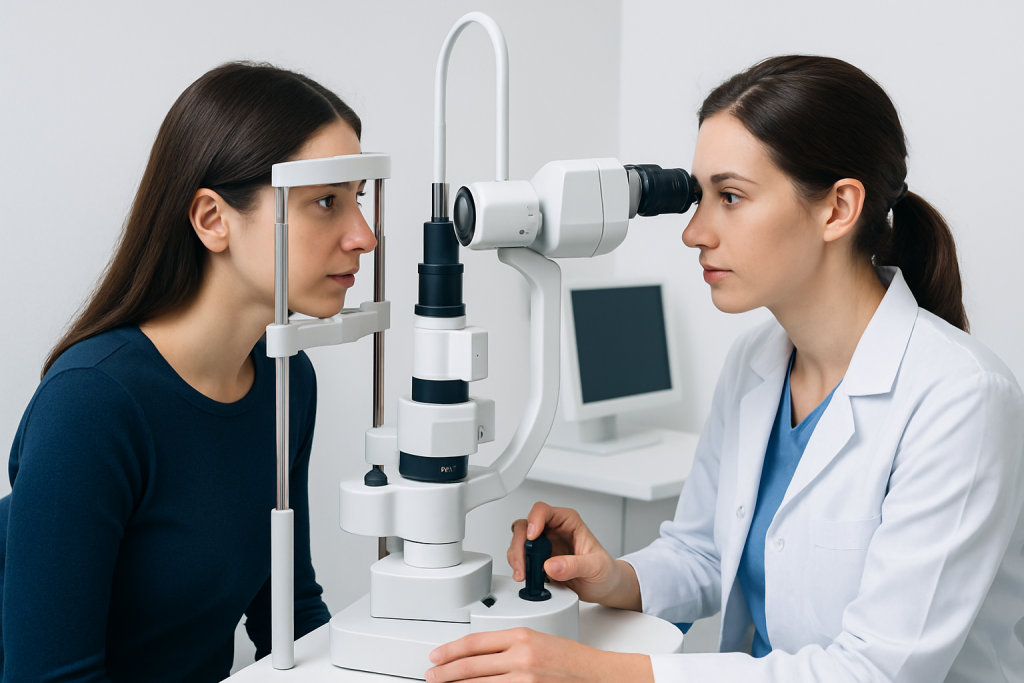
An eye examination may include checking vision, looking at the eyelids and tear film, and examining the surface of the eye under magnification. Special dyes can show dry spots or damage on the cornea. In some cases, tear quantity and quality are measured, or tests are done to see how quickly tears evaporate.
If watering seems out of proportion to irritation, the doctor may assess tear drainage. This can include irrigation of the tear passages or imaging studies in selected cases. When symptoms are persistent or complex, specialist evaluation in ophthalmology care helps identify the exact cause and guide treatment safely.
Treatment options for too many or too few tears
Treatment depends on the cause rather than the symptom alone. For dry eye, doctors often recommend dry eye treatment such as lubricating eye drops, environmental adjustments, and treatment of eyelid gland dysfunction. Some people also benefit from warm compresses, lid hygiene, or prescription therapies when symptoms are ongoing.
If allergies are the main cause, reducing exposure to triggers and using doctor-recommended allergy treatments may help. Infections may require medical treatment depending on whether they are viral, bacterial, or related to the eyelids. Contact lens users may need a temporary break from lenses until the eye surface has recovered.
When tears do not drain normally, treatment may focus on opening or bypassing the blockage. Depending on the site and severity, options can range from simple office procedures to tear duct surgery for persistent obstruction. If another eye condition is contributing, care may overlap with treatment for conjunctivitis or other causes of surface inflammation.
People should avoid self-medicating with redness-relief drops for long periods, as these may worsen irritation in some cases. Because eye symptoms can have several causes at once, a tailored plan from a qualified doctor is usually more effective than trying multiple over-the-counter products without guidance.
Prevention and self-care
Many everyday habits can support healthier tears. Blinking regularly during screen use, taking visual breaks, staying hydrated, and avoiding direct air from fans or car vents may reduce evaporation. Using a humidifier in dry indoor spaces can also help some people, especially during winter or in air-conditioned environments.
Good eyelid hygiene is useful when eyelid glands are blocked or inflamed. A doctor may suggest warm compresses and gentle cleaning of the lid margins. For people who wear contact lenses, careful lens hygiene and following replacement schedules are important to avoid irritation and infection.
Protective eyewear can help reduce wind and dust exposure outdoors. People who know they have allergies may benefit from managing triggers and discussing safe treatment options with a clinician. Over-the-counter artificial tears can be helpful for mild dryness, but preservatives may irritate some users if drops are used very frequently.
At the end of the care pathway, some patients prefer assessment at specialized centers. Acibadem International’s multidisciplinary specialists and JCI-accredited hospitals diagnose and treat tear-related eye conditions for international patients when more detailed evaluation is needed.
When to seek medical care
Occasional tearing or mild dryness is common and often improves with simple measures. Medical advice is advisable if symptoms last more than a few days, keep returning, or interfere with reading, driving, work, or sleep. Ongoing symptoms deserve evaluation because chronic irritation can affect comfort and the surface of the eye.
Prompt medical care is especially important if there is significant eye pain, sudden change in vision, marked sensitivity to light, swelling around the eye, or thick discharge. These features may suggest a condition that needs treatment rather than simple self-care. A symptom affecting only one eye persistently may also need closer assessment.
Infants with constant tearing, adults with recurrent infections near the inner corner of the eye, and anyone who has had eye trauma or recent eye surgery should seek professional evaluation. When in doubt, it is safest to have persistent or unusual eye symptoms checked by a qualified doctor.
Frequently asked questions
Are tears only related to crying?
No. Most tears are produced continuously to keep the eyes moist, comfortable, and protected. Emotional crying is only one part of a larger tear system that supports eye health every day.
Why do eyes water when they are dry?
Dry or irritated eyes can trigger reflex tearing. These extra tears may be watery and do not always provide the balanced lubrication the eye needs, so a person can feel dry and watery at the same time.
Can too many tears be a sign of a blocked tear duct?
Yes. If tears are produced normally but cannot drain well, they may overflow onto the cheeks. A doctor can examine the drainage system to see whether blockage or narrowing is present.
What is the difference between dry eye and watery eye?
Dry eye usually means the tear film is not providing stable, effective lubrication. Watery eye describes visible overflow of tears, which may happen from irritation, allergy, infection, or poor tear drainage.
When should someone worry about changes in tears?
Medical assessment is important if tearing or dryness is persistent, worsening, or affecting daily life. Urgent evaluation is needed for symptoms such as severe pain, vision loss, significant redness, or light sensitivity.
Can screen time affect tears?
Yes. People often blink less while using phones, computers, or tablets, which can increase tear evaporation and eye discomfort. Regular breaks and conscious blinking may help reduce symptoms.
This article is for general information only and is not a substitute for professional medical advice. Please consult a qualified doctor about your individual situation.
Explore treatments in Turkey — costs, top hospitals & a free quote
JCI-accredited · board-certified surgeons · reply within 24h
Add us as a Preferred Source to see more of our trusted health content across Google Search, AI Overviews and Discover.

More from the Health Library

Sweat Bees — Explained by Medical Evidence, Not Myths

Green Lipped Mussel: What Patients Need to Know

Yellow Jacket Sting: What Patients Need to Know

Subarachnoid Hemorrhage: A Complete Medical Overview

Post Operative Care: An Evidence-Based Guide for Patients