Pepsinogen: A Complete Medical Overview

Pepsinogen is a precursor to pepsin, a stomach enzyme involved in protein digestion. Pepsinogen levels and the pepsinogen I/II ratio can help doctors assess the stomach lining.
Key Takeaways
- Pepsinogen is a precursor to pepsin, a stomach enzyme involved in protein digestion.
- Pepsinogen levels and the pepsinogen I/II ratio can help doctors assess the stomach lining.
- Abnormal pepsinogen results do not diagnose a condition on their own; they need clinical context.
- Testing may be used when evaluating gastritis, reduced stomach acid, or stomach cancer risk in selected patients.
- Digestive symptoms such as persistent pain, anemia, weight loss, or trouble swallowing should be medically assessed.
Pepsinogen is an inactive protein made mainly in the stomach and converted into pepsin, an enzyme that helps digest protein. In medical care, pepsinogen is most often discussed as a blood test marker that can provide clues about stomach lining health, acid production, and certain digestive conditions.
Overview: what pepsinogen is and why it matters
Pepsinogen is an inactive form of pepsin, a digestive enzyme that helps break down proteins in the stomach. It is produced by specialized cells in the stomach lining and released into the stomach, where stomach acid converts it into active pepsin. A smaller amount of pepsinogen also enters the bloodstream, which is why it can be measured with a blood test.
In everyday digestion, pepsinogen works quietly in the background. It becomes medically important when doctors use pepsinogen levels as a marker of how healthy the stomach lining is. In particular, blood levels of pepsinogen I, pepsinogen II, and the ratio between them may help identify changes such as chronic inflammation, reduced acid-producing tissue, or atrophic gastritis.
Pepsinogen itself does not usually cause symptoms. Instead, it is part of the body’s normal digestive system, and concerns arise when test results suggest an underlying stomach problem. For that reason, understanding pepsinogen is less about the enzyme alone and more about what it can reveal about stomach function and the condition of the gastric mucosa.
How pepsinogen works in digestion
The stomach produces hydrochloric acid and several digestive substances, each with a specific role. Pepsinogen is released by chief cells and some mucous neck cells in the stomach lining. Once it encounters the acidic environment of the stomach, it is converted into pepsin, which starts the digestion of dietary proteins into smaller fragments.
There are two main forms measured in blood: pepsinogen I and pepsinogen II. Pepsinogen I is produced mainly in the upper part of the stomach, especially the body and fundus. Pepsinogen II is produced more broadly, including in the lower stomach and the first part of the small intestine. This difference helps explain why the pepsinogen I/II ratio can provide useful clinical information.
If the acid-producing part of the stomach becomes inflamed or thinned over time, pepsinogen I may fall, while pepsinogen II may stay relatively stable or change differently. A lower ratio can therefore suggest atrophic changes in the stomach lining. This is why the test is sometimes used as a noninvasive way to screen for stomach mucosal changes in selected populations.
When doctors check pepsinogen levels

A pepsinogen test is not part of routine blood work for everyone. It is usually requested when a doctor wants more information about the stomach lining, especially in people with ongoing upper digestive symptoms, a history that raises concern for chronic gastritis, or a need to estimate the likelihood of reduced acid-producing tissue in the stomach.
It may be used alongside other tests rather than alone. Depending on the situation, the doctor may also consider testing for Helicobacter pylori infection, checking blood counts for anemia, measuring vitamin B12 or iron levels, or arranging an upper endoscopy. In some settings, pepsinogen testing is part of a broader strategy to identify people who may benefit from closer evaluation for stomach cancer risk.
Doctors may also interpret pepsinogen results in relation to symptoms such as:
- Persistent upper abdominal discomfort
- Bloating or early fullness after meals
- Nausea
- Unexplained loss of appetite
- Iron deficiency anemia or low vitamin B12
- A family history of significant stomach disease
On its own, the test does not confirm a diagnosis. Instead, it helps guide the next step, such as watchful follow-up, treatment of an infection, or further evaluation with imaging or endoscopy.
What abnormal pepsinogen results may suggest
Pepsinogen results are interpreted in patterns rather than as a single isolated number. A low pepsinogen I level or a low pepsinogen I/II ratio may suggest atrophic gastritis, particularly in the body of the stomach, where acid-producing glands are located. This can be important because long-standing atrophic changes may affect digestion, nutrient absorption, and, in some cases, future disease risk.
Higher or less specific changes can occur with active inflammation of the stomach lining, including gastritis related to Helicobacter pylori infection. Because pepsinogen II may rise with inflammation, the ratio may fall even when the underlying issue is inflammatory rather than advanced atrophy. This is one reason doctors combine the test with symptoms, examination, and other investigations.
Several factors can influence interpretation. Age, medications that affect stomach acid, prior stomach surgery, and the presence of infection or autoimmune disease may all matter. For example, people being evaluated for gastritis may have pepsinogen changes that reflect irritation or inflammation rather than permanent damage.
Pepsinogen testing can be helpful, but it has limits. It is not a replacement for endoscopy when alarm symptoms are present, and it cannot by itself distinguish all causes of stomach disease. A healthcare professional should explain the result in the full medical context.
Symptoms and related conditions linked to pepsinogen testing
Pepsinogen itself does not create a recognizable symptom pattern, but the conditions associated with abnormal pepsinogen may do so. People with chronic gastritis or reduced stomach acid may notice vague upper abdominal discomfort, a heavy feeling after eating, bloating, nausea, or poor appetite. Some people have no symptoms at all and are investigated only because of anemia, low B12, or a family history.
Low stomach acid and stomach lining changes can sometimes interfere with absorption of nutrients such as iron and vitamin B12. Over time, that may contribute to tiredness, weakness, paleness, numbness or tingling, or difficulty concentrating. These symptoms are not specific to stomach disease, but they may lead a doctor to investigate the digestive tract more closely.
Pepsinogen may also be discussed in people who have reflux-type or ulcer-like symptoms, although many different conditions can cause these complaints. Depending on the overall picture, doctors may consider reflux, ulcer disease, H. pylori infection, medication effects, or functional digestive disorders. If structural disease is suspected, an upper endoscopy may be the most informative next step.
Diagnosis and follow-up: what other tests may be needed
If pepsinogen testing suggests a possible stomach lining problem, the next step depends on the person’s age, symptoms, risk factors, and other lab results. Doctors often pair pepsinogen results with H. pylori testing, because this common infection can cause chronic inflammation and alter pepsinogen patterns. A complete blood count and iron or vitamin B12 studies may also help show whether the stomach changes are affecting overall health.
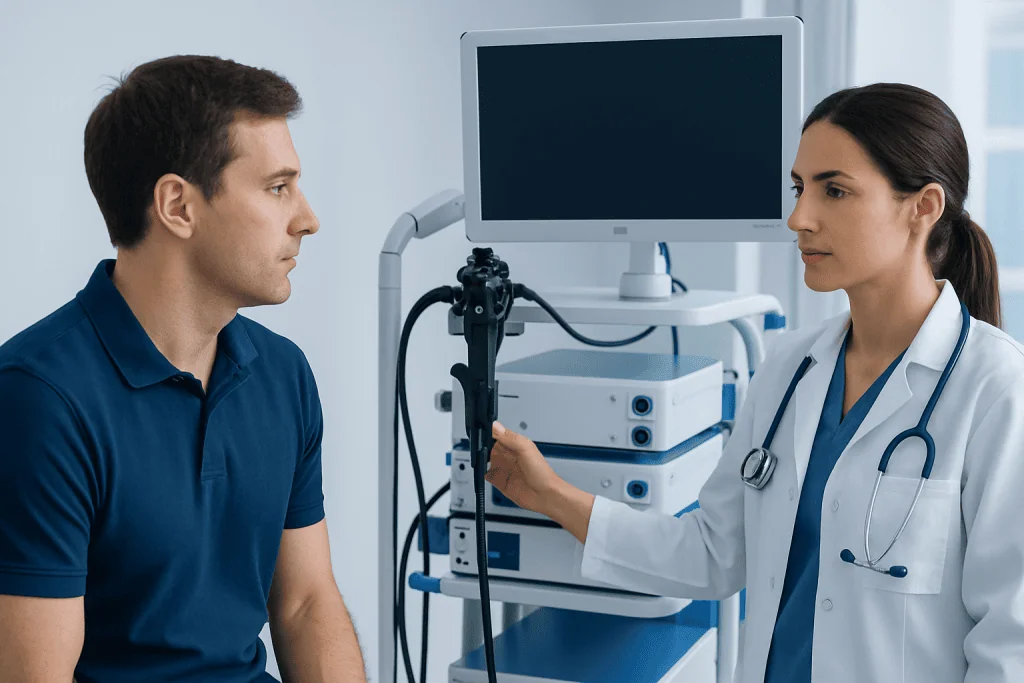
When symptoms are persistent or concerning, upper endoscopy is often the most direct way to examine the stomach lining. During the procedure, the doctor can look for inflammation, ulcers, atrophy, polyps, or other abnormalities, and can take biopsies if needed. This makes endoscopy especially useful when pepsinogen results are abnormal but not conclusive.
Additional tests may be considered in selected cases, including stool tests, breath tests for H. pylori, or pathology review of biopsy samples. The goal is not simply to label the pepsinogen result as high or low, but to identify the underlying cause and decide whether treatment or surveillance is needed.
At centers with comprehensive digestive services, assessment may involve both laboratory medicine and specialist gastroenterology review. When appropriate, a person may be referred for gastroenterology evaluation to interpret test findings and plan follow-up in a structured way.
Treatment and management of underlying stomach conditions
There is no treatment aimed at “fixing” pepsinogen itself. Management focuses on the condition causing the abnormal result. If H. pylori infection is found, treatment is usually directed at eradicating the infection. If the stomach lining shows chronic inflammation or atrophy, the doctor may monitor symptoms, nutrient levels, and, in some cases, the need for follow-up endoscopy.
When low stomach acid or stomach lining damage contributes to iron or vitamin B12 deficiency, the person may need nutritional replacement and ongoing review. If medicines are contributing to symptoms, the doctor may adjust the treatment plan. For people with ulcer symptoms, reflux symptoms, or complicated gastritis, treatment depends on the exact diagnosis rather than on pepsinogen values alone.
Supportive care may include measures such as avoiding smoking, limiting alcohol if it worsens symptoms, reducing unnecessary anti-inflammatory pain medicines when medically possible, and following a balanced diet. These steps can support stomach health but should not replace medical evaluation when symptoms persist.
For international patients who need further assessment, Acibadem International’s multidisciplinary specialists in JCI-accredited hospitals diagnose and treat stomach and digestive conditions, including endoscopic evaluation when indicated through services such as comprehensive diagnostic check-ups.
When to seek medical care
A person should seek medical care if digestive symptoms are ongoing, recurring, or not improving with simple measures. Symptoms such as persistent upper abdominal pain, early satiety, nausea, poor appetite, or unexplained bloating deserve professional review, especially when they last more than a few weeks.
More urgent assessment is important if there are warning signs. These include difficulty swallowing, vomiting blood, black stools, unexplained weight loss, persistent vomiting, anemia, or severe weakness. While these symptoms do not always indicate a serious illness, they should not be ignored.
People with a family history of major stomach disease, previous H. pylori infection, autoimmune gastritis, or known nutrient deficiencies may also benefit from discussing stomach evaluation with a doctor. Timely assessment helps clarify whether symptoms are related to inflammation, ulcers, atrophy, or another digestive condition and whether more detailed testing is needed.
Frequently asked questions
What is pepsinogen?
Pepsinogen is an inactive protein made mainly by the stomach lining. When it reaches stomach acid, it is converted into pepsin, an enzyme that helps digest proteins.
What does a pepsinogen blood test show?
A pepsinogen blood test can give clues about the condition of the stomach lining, especially whether there may be chronic inflammation or atrophic changes. Doctors often look at pepsinogen I, pepsinogen II, and the ratio between them rather than a single value alone.
Does a low pepsinogen level mean cancer?
No. A low pepsinogen level does not mean a person has cancer. It may suggest changes in the stomach lining that need further evaluation, but diagnosis requires clinical assessment and sometimes endoscopy with biopsy.
Can gastritis change pepsinogen levels?
Yes. Gastritis, especially when related to Helicobacter pylori infection, can affect pepsinogen levels and the pepsinogen I/II ratio. The pattern depends on whether the stomach lining is actively inflamed, thinned, or both.
Is pepsinogen testing enough to diagnose stomach disease?
No. Pepsinogen testing is a supportive tool, not a stand-alone diagnosis. Doctors may combine it with symptom review, blood tests, H. pylori testing, and endoscopy when needed.
Do medications affect pepsinogen results?
They can. Medicines that alter stomach acid or affect the stomach lining may influence interpretation, which is why the doctor should know about all prescription and nonprescription medicines being used.
This article is for general information only and is not a substitute for professional medical advice. Please consult a qualified doctor about your individual situation.
Persistent digestive symptoms? Get evaluated in Turkey
JCI-accredited · board-certified surgeons · reply within 24h
Add us as a Preferred Source to see more of our trusted health content across Google Search, AI Overviews and Discover.

More from the Health Library

LH Surge: An Evidence-Based Guide for Patients

Popped Blood Vessel in Eye: A Complete Medical Overview

Insomnia Causes: An Evidence-Based Guide for Patients

Sunosi — Explained by Medical Evidence, Not Myths

Teratogens: What Patients Need to Know