Subluxation: What Patients Need to Know

Subluxation means a joint is partially out of place, not fully dislocated. Common symptoms include pain, swelling, reduced motion, and a sense that the joint may slip or give way.
Key Takeaways
- Subluxation means a joint is partially out of place, not fully dislocated.
- Common symptoms include pain, swelling, reduced motion, and a sense that the joint may slip or give way.
- Causes include injury, repetitive strain, loose ligaments, and some underlying medical conditions.
- Diagnosis usually involves a physical exam and imaging such as X-rays or MRI, depending on the joint involved.
- Treatment may include rest, immobilization, physical therapy, pain relief, or procedures to restore joint stability.
- Prompt medical care is important if there is severe pain, deformity, numbness, weakness, or difficulty using the joint.
Subluxation is a partial dislocation of a joint, meaning the bones have moved out of their normal position but are not completely separated. It can cause pain, swelling, limited movement, and a feeling that the joint is unstable, and it should be assessed by a qualified clinician to guide treatment and protect the joint.
Overview: what a subluxation is
Subluxation is a medical term for a partial dislocation of a joint. In a subluxation, the joint surfaces lose their normal alignment, but they are not completely separated. This can happen suddenly after an injury or develop over time when a joint repeatedly shifts because of loosened supporting tissues.
Any joint can be affected, but subluxations are often discussed in the shoulder, kneecap, jaw, fingers, spine, and other mobile joints. Symptoms vary by location, yet many people notice pain, swelling, weakness, or a feeling that the joint is slipping. Some episodes settle quickly, while others keep returning and lead to ongoing instability.
Patients sometimes hear the word used in different ways outside standard medical practice. In evidence-based medicine, subluxation usually refers to a structural partial displacement seen on examination, imaging, or both. Because treatment depends on the exact joint and cause, a proper diagnosis is important rather than assuming all joint pain or “misalignment” is the same problem.
Symptoms and how it may feel
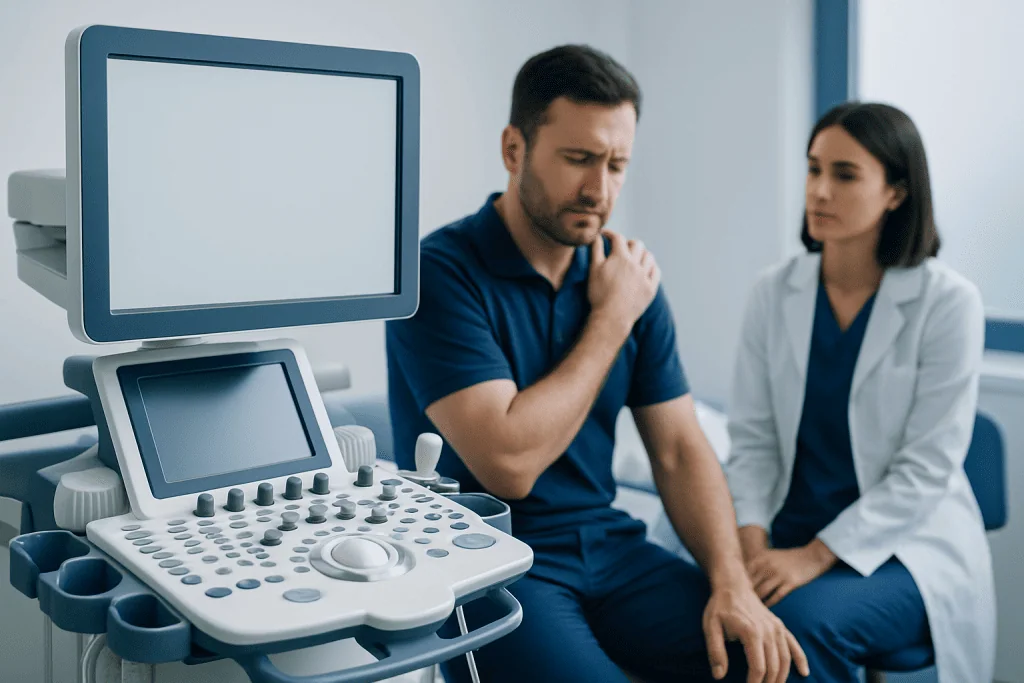
The symptoms of subluxation depend on which joint is involved and how much the tissues around it have been injured. A person may feel sudden pain after a fall, twist, or impact. In other cases, symptoms build more gradually, especially when a joint has become unstable from repeated strain or earlier injuries.
Common symptoms include localized pain, swelling, tenderness, bruising, and difficulty moving the joint normally. Some people describe a catching, popping, or shifting sensation. Others report that the joint feels weak, loose, or as if it may slip out again during everyday movements.
If nearby nerves or blood vessels are affected, there may also be numbness, tingling, coolness, color change, or unusual weakness. These symptoms need prompt attention because they can suggest more than a simple soft tissue strain.
- Pain with movement or weight-bearing
- Visible change in joint position or contour
- Reduced range of motion
- A feeling of instability or repeated “giving way”
- Swelling, bruising, or muscle spasm around the joint
Causes and risk factors

A subluxation usually occurs when forces on a joint are greater than the strength of the tissues holding it in place. This can happen in sports injuries, falls, motor vehicle accidents, or awkward twisting movements. Even a relatively minor event can cause a subluxation if ligaments have already been stretched or weakened.
Some people are more prone to joint instability than others. Prior dislocations or subluxations, naturally loose ligaments, weak muscles around the joint, and poor movement mechanics can all raise the risk. Repetitive overhead activity, contact sports, or jobs that place repeated stress on certain joints may also contribute.
Underlying conditions can matter too. Connective tissue disorders and some neurological or orthopedic problems may make joints more likely to shift. In children and adults with recurrent kneecap or shoulder instability, a specialist may also look for anatomical factors that increase the chance of repeated episodes. Depending on the body area involved, doctors may evaluate related problems such as shoulder impingement syndrome or other causes of chronic joint pain and dysfunction.
How subluxation is diagnosed
Diagnosis begins with a careful history and physical examination. The clinician asks how the problem started, whether the joint has slipped before, what movements trigger symptoms, and whether there is numbness, weakness, or inability to bear weight. Examining the joint helps assess tenderness, swelling, alignment, stability, and range of motion.
Imaging is often used to confirm the diagnosis and check for associated injuries. X-rays can show bone alignment and help identify fractures. In some situations, ultrasound, CT, or MRI is useful to evaluate ligaments, cartilage, tendons, or other soft tissues that may have been damaged when the joint shifted.
The diagnosis also includes ruling out other conditions that can mimic subluxation, such as a complete dislocation, severe sprain, tendon injury, fracture, or inflammatory joint disease. If neck or back symptoms are present, the evaluation may include the spine and surrounding nerves, especially when there is radiating pain or neurological change.
Treatment options and recovery
Treatment depends on the joint involved, the cause, and whether there is damage to ligaments, cartilage, bone, or nearby nerves. In many cases, the first goals are to control pain, reduce swelling, protect the joint, and restore normal alignment. A clinician may recommend rest, ice, temporary immobilization, and avoiding movements that trigger further slipping.
If the joint is still out of position, a trained medical professional may need to reduce it, meaning gently guide it back into alignment. This should not be attempted at home because incorrect handling can worsen tissue injury. After the acute phase, rehabilitation is often a central part of care. Physical therapy can help improve strength, stability, movement control, and confidence using the joint again. For some patients, structured physical therapy and rehabilitation is the main treatment that prevents repeated episodes.
When there is recurrent instability, large soft tissue injury, associated fracture, or failure of non-surgical treatment, a specialist may discuss procedures to stabilize the joint. Depending on the location, care may involve orthopedic evaluation and, in selected cases, surgery. For shoulder instability related to repeated subluxation, the approach may overlap with treatment used for shoulder dislocation or other joint-stabilizing procedures. If advanced imaging is needed to clarify ligament or cartilage injury, tests such as MRI may be part of the assessment.
Recovery time varies widely. A mild episode may improve in days to weeks, while recurrent or more complex cases can take longer and need ongoing rehabilitation. Following the treatment plan carefully matters because returning to sport or heavy activity too early can increase the risk of another subluxation.
Self-care and preventing future episodes
Self-care is supportive, not a substitute for diagnosis. In the first day or two after an injury, limiting activity, applying ice packs wrapped in cloth, and keeping the affected area supported may help reduce discomfort and swelling. Over-the-counter pain relief may be appropriate for some adults, but patients should follow package directions and seek medical advice if they have stomach, kidney, bleeding, or other health concerns.
Once the acute pain improves, prevention focuses on improving joint stability and movement patterns. Exercises prescribed by a clinician or physical therapist can strengthen the muscles that support the joint and reduce the chance of repeat slipping. Good warm-up habits, gradual return to exercise, and protective equipment where appropriate may also help.
People who have had more than one episode should not ignore recurring symptoms. Repeated subluxations can damage cartilage and supporting structures over time. Early specialist assessment may help preserve function and reduce long-term problems, particularly in active individuals and those whose work depends on reliable joint movement.
- Follow advice on braces, slings, or taping if prescribed
- Do rehabilitation exercises regularly
- Avoid high-risk movements until cleared by a clinician
- Address muscle weakness, poor posture, or technique issues
- Seek review if the joint feels unstable again
When to seek medical care
Medical assessment is recommended for any suspected subluxation, especially after a fall, sports injury, or sudden onset of deformity and pain. While some symptoms may seem mild at first, an untreated joint injury can lead to repeated instability, reduced function, or missed associated injuries such as fractures or ligament tears.
Urgent care is needed if there is severe pain, a visibly misshapen joint, inability to move the limb, numbness, tingling, weakness, pale or cool skin, or signs of poor circulation. These features may suggest nerve or blood vessel involvement, a complete dislocation, or another injury that needs prompt treatment.
If symptoms are recurring rather than sudden, a planned specialist review is still worthwhile. Ongoing clicking, slipping, swelling, or fear that a joint may “come out” again can often be investigated and treated. Near the end of the care pathway, some patients may choose evaluation at centers with multidisciplinary musculoskeletal teams; Acibadem International’s specialists in JCI-accredited hospitals diagnose and treat joint instability and related conditions for international patients.
Frequently asked questions
Is a subluxation the same as a dislocation?
No. A subluxation is a partial dislocation, which means the joint surfaces are partly out of alignment but still have some contact. In a complete dislocation, the bones are fully separated at the joint.
Can a subluxation heal on its own?
Some mild cases may settle with rest and supportive care, but the joint should still be assessed to confirm the diagnosis and check for associated injuries. Recurrent instability, ligament damage, or an unrecognized fracture may need more specific treatment.
Should a person try to push the joint back in place at home?
No. Attempting to reduce a suspected subluxation or dislocation without medical training can worsen injury to ligaments, cartilage, nerves, or blood vessels. It is safer to support the joint and seek prompt medical care.
What tests are used to diagnose subluxation?
Doctors usually start with a physical examination and often order X-rays to assess joint alignment and look for fractures. MRI, CT, or ultrasound may be used when soft tissue injury or more detailed imaging is needed.
Can subluxation happen repeatedly?
Yes. Once a joint has become unstable, it may be more likely to slip again, especially if ligaments are stretched or muscles around the joint are weak. Rehabilitation and, in some cases, specialist procedures can help reduce recurrence.
How long does recovery take after a subluxation?
Recovery depends on the joint involved, the severity of tissue damage, and whether the problem is a first episode or recurrent. Some people improve within a few weeks, while others need a longer period of rehabilitation or further treatment.
This article is for general information only and is not a substitute for professional medical advice. Please consult a qualified doctor about your individual situation.
Joint and spine care in Turkey — expert assessment & treatment
JCI-accredited · board-certified surgeons · reply within 24h
Add us as a Preferred Source to see more of our trusted health content across Google Search, AI Overviews and Discover.

More from the Health Library

Vabbing: A Complete Medical Overview

Penile: A Complete Medical Overview

Sertraline and Alcohol: What Patients Need to Know

Baader Meinhof Phenomenon: What Patients Need to Know
Hepatomegaly: An Evidence-Based Guide for Patients