Stiffness: A Complete Medical Overview

Stiffness is a symptom rather than a disease and can affect muscles, joints, or the whole body. Common causes include overuse, poor posture, aging, arthritis, injury, and some neurological or inflammatory conditions.
Key Takeaways
- Stiffness is a symptom rather than a disease and can affect muscles, joints, or the whole body.
- Common causes include overuse, poor posture, aging, arthritis, injury, and some neurological or inflammatory conditions.
- The pattern of stiffness matters: morning stiffness, stiffness after activity, or sudden stiffness can point to different causes.
- Treatment depends on the underlying reason and may include exercise, physical therapy, medicines, or specialist care.
- Urgent medical assessment is important if stiffness appears suddenly with weakness, fever, severe pain, or trouble walking.
Stiffness is a common symptom that makes movement feel tight, restricted, or uncomfortable in the muscles, joints, or entire body. It often improves with rest, stretching, and treatment of the cause, but persistent or severe stiffness may need medical evaluation.
Overview: what stiffness means
Stiffness is a feeling of reduced ease of movement. A person may notice tight muscles, joints that do not move freely, or a general sense that the body is less flexible than usual. It can affect one area, such as the neck, back, hands, or knees, or involve several parts of the body at the same time.
In many cases, stiffness happens after unusual activity, prolonged sitting, poor posture, minor strain, or normal age-related changes. It may be temporary and improve with movement, stretching, rest, or simple self-care. However, stiffness can also be a sign of inflammation, joint disease, nerve-related problems, infection, or another medical condition.
Rather than being a diagnosis on its own, stiffness is best understood as a symptom. The most helpful questions are where it occurs, how long it lasts, what makes it better or worse, and whether it comes with pain, swelling, weakness, numbness, fever, or fatigue. These details often help doctors identify the likely cause and guide treatment.
How stiffness can feel
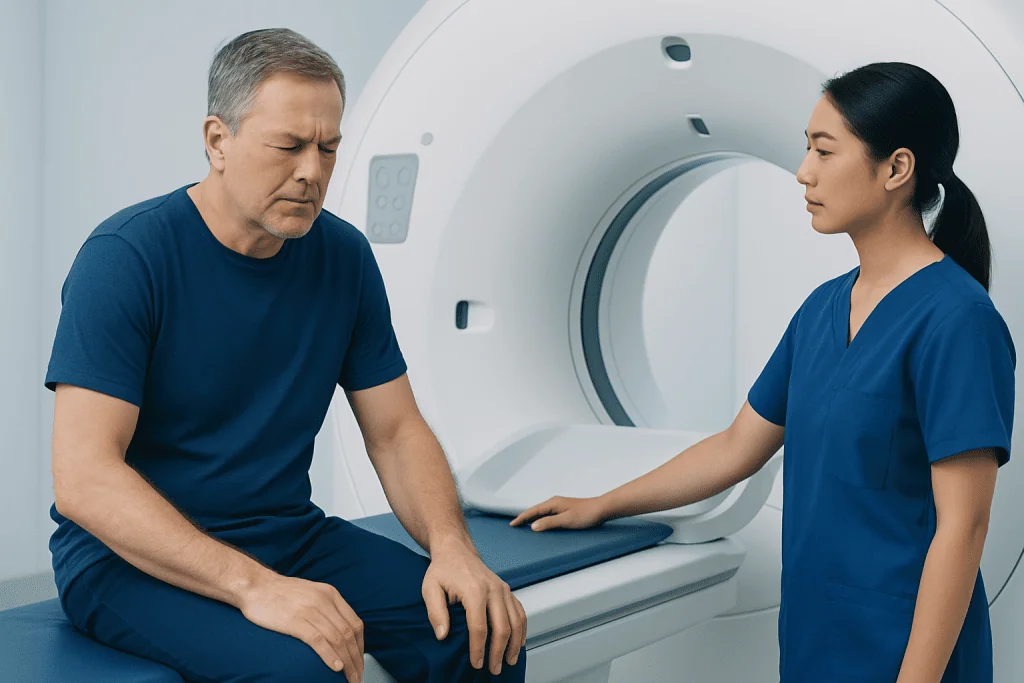
People describe stiffness in different ways. Some feel a pulling or tight sensation in the muscles. Others notice that a joint feels hard to bend, especially after resting. Some experience whole-body stiffness, especially in the morning or during illness.
The timing can offer useful clues. Morning stiffness that lasts a short time may occur with wear-and-tear changes, while prolonged morning stiffness can suggest inflammatory conditions. Stiffness after exercise may reflect muscle overuse, whereas stiffness after sitting for long periods is common with back, hip, or knee problems.
Other symptoms may appear alongside stiffness, including:
- Pain or soreness
- Swelling, warmth, or redness around a joint
- Reduced range of motion
- Muscle cramps or spasms
- Weakness or fatigue
- Numbness or tingling
- Headache, fever, or general unwellness
When stiffness begins suddenly, becomes severe, or interferes with walking, dressing, turning the neck, or using the hands, medical assessment becomes more important.
Common causes and risk factors

Stiffness can come from many body systems, but the most common sources are muscles, joints, and the spine. Everyday causes include overuse, repetitive movements, lack of activity, prolonged desk work, poor sleep position, dehydration, and recovery after exercise. With aging, tissues can become less flexible, and joints may lose some smoothness of motion, making stiffness more noticeable.
Joint-related causes include osteoarthritis, inflammation of the joint lining, old injuries, and conditions that affect the spine. A person with ongoing back or neck stiffness may have muscle strain, disc-related problems, or posture-related tension. In some cases, stiffness is related to broader conditions such as rheumatoid arthritis, autoimmune disease, or disorders that affect movement and muscle control.
Illness can also trigger stiffness. Viral infections may cause body aches and temporary stiffness. Less commonly, severe infection, meningitis, or certain metabolic problems may cause marked stiffness along with other serious symptoms. Some medicines may contribute to muscle symptoms, and stress can increase muscle tension, especially in the neck, shoulders, and jaw.
Risk factors depend on the cause but often include older age, sedentary lifestyle, obesity, repetitive work, previous injury, inflammatory disease, and poor ergonomics. Athletes and physically active people may develop stiffness from training load, while office workers may notice it after long periods without movement.
How doctors evaluate stiffness
Evaluation begins with a careful history. A doctor will usually ask when the stiffness started, where it is located, whether it is worse in the morning or after activity, and if there are symptoms such as swelling, weakness, fever, rash, weight loss, or numbness. This history helps separate common mechanical causes from inflammatory, neurological, or systemic ones.
A physical examination may assess posture, gait, muscle tone, tenderness, joint swelling, and range of motion. The doctor may also look for signs of nerve involvement, such as altered reflexes, sensory changes, or reduced strength. For neck or back symptoms, evaluation may include checking whether movement triggers pain into the arms or legs.
Tests are not always needed for mild, short-lived stiffness. When symptoms persist or the cause is unclear, blood tests may be used to look for inflammation, infection, autoimmune disease, thyroid problems, or muscle injury. Imaging such as X-rays, ultrasound, or MRI may be recommended if arthritis, soft tissue injury, or spinal problems are suspected. In selected cases, specialists in physical therapy and rehabilitation or related fields may help clarify movement-related causes.
Treatment options for stiffness
Treatment depends on the cause of stiffness. For simple muscle or postural stiffness, the first steps often include gentle movement, stretching, heat, rest from aggravating activities, and gradual return to normal function. Short periods of inactivity can help after strain, but prolonged immobility often makes stiffness worse.
When stiffness is linked to joint disease or inflammation, management may include pain-relieving medicines, anti-inflammatory treatment, exercise therapy, and lifestyle changes. Structured strengthening and flexibility programs can improve mobility and reduce recurrent symptoms. For persistent back, neck, or joint stiffness, a personalized plan through orthopedic rehabilitation may support recovery and function.
Some people benefit from targeted treatment for the underlying condition, such as arthritis care, spine evaluation, or neurological assessment. If stiffness is associated with chronic neck or back symptoms, doctors may investigate for problems such as herniated disc or other spine-related conditions. In cases where daily activities are limited, referral to orthopedics and traumatology or another relevant specialty may be appropriate.
Surgery is not needed for most causes of stiffness, but it may be considered when there is major structural joint damage, severe nerve compression, or symptoms that do not improve with conservative care. The best approach is individualized and based on the location, severity, and duration of symptoms.
Self-care, movement, and prevention
Many cases of stiffness can be improved or prevented with regular movement. Gentle daily activity helps keep joints mobile and muscles flexible. Walking, stretching, low-impact exercise, and strength training suited to the person’s health status can all support healthy movement patterns.
Good ergonomics also matter. Adjusting chair height, screen position, mattress support, and work habits can reduce repeated strain on the neck, shoulders, wrists, and lower back. People who sit for long periods often benefit from brief movement breaks every 30 to 60 minutes. Warm-up before exercise and cool-down afterward can also reduce muscle tightness.
Other helpful measures may include staying hydrated, maintaining a healthy weight, getting enough sleep, and managing stress. Heat may relax tight muscles, while cold may help after acute strain or swelling. Self-care is most useful when symptoms are mild and improving; it should not replace medical assessment when stiffness is persistent, progressive, or unexplained.
When to seek medical care
Medical care is advisable if stiffness lasts more than a few weeks, keeps returning, or limits everyday activities such as walking, climbing stairs, reaching overhead, or getting out of bed. It is also important to seek evaluation when stiffness affects one joint with swelling or when morning stiffness is prolonged and occurs regularly.
Urgent assessment is needed if stiffness develops suddenly with high fever, severe headache, confusion, chest pain, trouble breathing, new weakness, loss of bladder or bowel control, or difficulty speaking. These symptoms may point to conditions that need prompt treatment. Severe neck stiffness with fever or a rash should also be assessed immediately.
If there is numbness, tingling, significant pain spreading into the arms or legs, or weakness in the limbs, a doctor may need to check for nerve compression or neurological causes. For international patients who need coordinated assessment, Acibadem International’s multidisciplinary specialists and JCI-accredited hospitals diagnose and treat conditions associated with stiffness using evidence-based care.
Frequently asked questions
Is stiffness normal as people get older?
Some increase in stiffness can happen with age because joints and soft tissues may become less flexible over time. However, persistent, severe, or worsening stiffness is not something that should simply be ignored, especially if it affects daily function or comes with swelling or weakness.
What is the difference between muscle stiffness and joint stiffness?
Muscle stiffness usually feels like tightness, soreness, or reduced flexibility in the soft tissues around the body. Joint stiffness is more often felt as difficulty bending or straightening a specific joint, sometimes with swelling, clicking, or pain.
Why is stiffness often worse in the morning?
Stiffness can feel worse in the morning because the body has been inactive for several hours during sleep. Inflammatory conditions may also cause prolonged morning stiffness, so the length and pattern of symptoms can help a doctor understand the cause.
Can dehydration cause stiffness?
Dehydration can contribute to muscle tightness, cramps, and a general sense of discomfort, especially after exercise or heat exposure. It is not a common explanation for ongoing joint stiffness, so persistent symptoms should be assessed more broadly.
Should a person exercise when feeling stiff?
Gentle movement often helps mild stiffness, especially when it is related to inactivity or muscle tension. However, intense exercise may worsen symptoms after an injury or during active inflammation, so it is best to choose low-impact activity and seek advice if pain or swelling is significant.
Can stiffness be a sign of arthritis?
Yes, stiffness is a common symptom of several types of arthritis. It may occur with pain, swelling, warmth, and reduced range of motion, and the timing of stiffness, such as after rest or in the morning, can provide clues about the type involved.
References
- World Health Organization
- Centers for Disease Control and Prevention
- National Institute of Arthritis and Musculoskeletal and Skin Diseases
- MedlinePlus
- National Health Service
This article is for general information only and is not a substitute for professional medical advice. Please consult a qualified doctor about your individual situation.
Joint and spine care in Turkey — expert assessment & treatment
JCI-accredited · board-certified surgeons · reply within 24h
Add us as a Preferred Source to see more of our trusted health content across Google Search, AI Overviews and Discover.

More from the Health Library

Debilitating: What Patients Need to Know

Boxer’s Fracture: An Evidence-Based Guide for Patients

Obesity Classes: A Complete Medical Overview

Flavonoids: An Evidence-Based Guide for Patients

Verapamil: A Complete Medical Overview