Obesity Classes: A Complete Medical Overview

Obesity classes are based mainly on body mass index, or BMI. Class 1, class 2, and class 3 obesity reflect increasing levels of health risk on average.
Key Takeaways
- Obesity classes are based mainly on body mass index, or BMI.
- Class 1, class 2, and class 3 obesity reflect increasing levels of health risk on average.
- BMI is helpful for screening but does not measure body fat distribution or muscle mass directly.
- Assessment often includes waist circumference, blood pressure, blood sugar, cholesterol, and other obesity-related conditions.
- Treatment may include nutrition changes, physical activity, behavior support, medicines, and sometimes bariatric surgery.
- A medical review is important if weight is affecting breathing, sleep, mobility, blood sugar, blood pressure, or daily life.
Obesity classes are BMI-based categories used to describe the degree of obesity and help guide care. They are useful screening tools, but doctors also consider waist size, body composition, and obesity-related health conditions when assessing overall risk.
Overview: what obesity classes mean
Obesity classes are medical categories used to describe obesity based mainly on body mass index, or BMI. In adults, obesity usually begins at a BMI of 30, and it is then divided into class 1, class 2, and class 3 obesity. These classes help doctors estimate health risk and plan treatment, but they are only one part of a fuller medical assessment.
The standard adult BMI obesity classes are: class 1 obesity, BMI 30.0 to 34.9; class 2 obesity, BMI 35.0 to 39.9; and class 3 obesity, BMI 40.0 or higher. In the past, class 3 was sometimes called “morbid obesity,” but many clinicians prefer the more neutral term class 3 obesity. This patient-friendly language focuses on health rather than labels.
BMI is calculated from height and weight, making it simple and widely used. However, it does not directly measure body fat, muscle mass, or where fat is carried in the body. For that reason, obesity classes are best understood as a screening framework rather than a complete diagnosis on their own.
Doctors usually combine obesity classification with other factors such as waist circumference, blood pressure, blood sugar, cholesterol levels, liver health, sleep symptoms, joint pain, and daily function. This broader view helps identify who may benefit most from structured lifestyle care, medication, or bariatric surgery.
How obesity is classified in adults
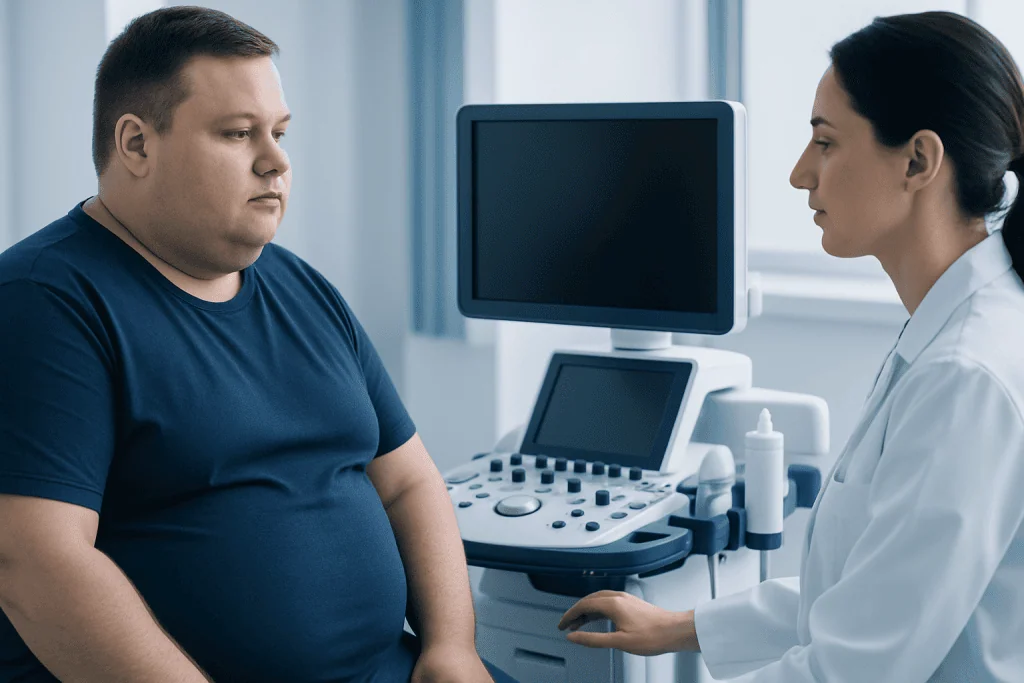
Body mass index is calculated by dividing weight in kilograms by height in meters squared. Although the formula is straightforward, the meaning of BMI is clinical: it helps sort body weight into categories associated with different average risks. In adults, the categories are generally underweight, healthy weight, overweight, and obesity classes 1 through 3.
For obesity specifically, the class ranges are widely accepted:
- Class 1 obesity: BMI 30.0 to 34.9
- Class 2 obesity: BMI 35.0 to 39.9
- Class 3 obesity: BMI 40.0 or above
These ranges are used because higher BMI levels tend to be linked with a greater chance of developing conditions such as type 2 diabetes, high blood pressure, heart disease, fatty liver disease, sleep apnea, and osteoarthritis. Even so, risk does not depend on BMI alone. Two people with the same BMI can have different health profiles depending on age, body composition, activity level, and other medical factors.
Obesity classification in children and adolescents is different. In younger patients, BMI is interpreted using age- and sex-specific growth charts rather than adult cutoffs. This is one reason families should avoid applying adult obesity classes to children without guidance from a pediatric clinician.
Limits of BMI and why waist size also matters

BMI is useful because it is quick, low-cost, and consistent across many healthcare settings. Still, it has important limits. It does not distinguish fat from muscle, so some athletic people may have a high BMI without excess body fat, while some older adults may have a “normal” BMI but low muscle mass and higher health risk.
Another key limit is that BMI does not show where fat is stored. Fat around the abdomen, sometimes called central or visceral fat, is more strongly linked with metabolic and cardiovascular disease than fat stored elsewhere. That is why doctors often measure waist circumference in addition to BMI when discussing obesity classes.
Body shape, ethnicity, age, sex, medications, sleep quality, and hormone disorders can all affect metabolic risk. Conditions such as polycystic ovary syndrome may be associated with weight gain or insulin resistance, while some medicines can influence appetite or fluid balance. Looking beyond BMI can help avoid oversimplifying a person’s health.
In practice, obesity is now often approached as a chronic, complex disease rather than a matter of willpower alone. This view encourages a more supportive plan that considers biology, environment, eating patterns, mental health, sleep, mobility, and social factors together.
Symptoms and health effects linked to obesity classes
Obesity itself may not cause obvious symptoms early on, which is one reason some people feel well despite having a BMI in the obesity range. Over time, however, excess body fat can affect many systems in the body. The likelihood of complications tends to rise as obesity classes increase, although individual experience varies.
Possible effects include shortness of breath with activity, snoring, poor sleep, daytime fatigue, reflux, joint pain, back pain, reduced stamina, swelling in the legs, and difficulty with mobility. Some people also notice irregular menstrual cycles, fertility concerns, or skin irritation in body folds. Emotional effects, including stigma, low mood, or reduced self-confidence, can also be significant and deserve attention.
Medical conditions commonly linked to obesity include type 2 diabetes, high blood pressure, abnormal cholesterol, coronary artery disease, stroke, fatty liver disease, gallstones, kidney disease, osteoarthritis, and sleep apnea. Risk tends to be higher with class 2 and class 3 obesity, but important health problems can also occur with class 1 obesity, especially when waist circumference is high.
Because obesity can affect so many areas of health, doctors often focus less on the number alone and more on whether complications are already present. This helps shift the conversation from weight as an appearance issue to weight as part of overall medical care.
Causes and risk factors
Obesity develops through a combination of factors rather than a single cause. Weight gain occurs when energy intake regularly exceeds energy use, but the reasons behind that imbalance are often complex. Genetics, appetite regulation, hormones, sleep habits, medications, stress, food environment, and physical limitations can all play a role.
Family history may increase susceptibility, and some people are biologically more prone to gaining weight or finding it difficult to lose. Sleep deprivation, shift work, chronic stress, depression, and highly processed foods can also influence hunger signals and eating behavior. Limited access to safe exercise spaces or affordable nutritious foods may make healthy routines harder to maintain.
Certain medical conditions can contribute to weight changes, including endocrine disorders such as hypothyroidism or Cushing syndrome, though these are less common than lifestyle and environmental causes. Medicines used for diabetes, mood disorders, seizures, inflammation, or contraception may also affect weight in some people.
Understanding these influences matters because effective care is individualized. Rather than assuming all obesity has the same cause, clinicians try to identify what is most relevant for each person and then match treatment to those drivers.
How doctors assess obesity and related risks
Medical assessment usually begins with height, weight, BMI, and waist circumference. A doctor will also ask about eating patterns, physical activity, sleep, medications, previous weight-loss attempts, family history, and how weight affects daily life. This conversation helps clarify both risk and realistic treatment goals.
Blood pressure and laboratory tests are often part of the evaluation. These may include blood glucose or HbA1c, cholesterol levels, liver tests, kidney function, and sometimes thyroid testing if symptoms suggest an endocrine cause. Depending on the person’s symptoms, doctors may also screen for fatty liver disease, sleep apnea, reflux, depression, or joint disease.
Importantly, the goal is not only to confirm obesity classes but also to identify obesity-related complications and barriers to care. Someone with class 1 obesity and uncontrolled diabetes may need more intensive support than someone with class 2 obesity who has no metabolic complications. This more complete assessment supports safer, more effective treatment decisions.
In some cases, referral to specialists is helpful. Endocrinologists, dietitians, sleep specialists, psychologists, physiotherapists, and bariatric surgeons may all contribute to care, especially when obesity is severe or associated with multiple conditions.
Treatment options: from lifestyle care to surgery
Treatment is guided by obesity class, overall health, complications, and personal preferences. Lifestyle treatment remains the foundation for all obesity classes and usually includes nutrition counseling, increased physical activity, behavior-change strategies, sleep support, and regular follow-up. The goal is not simply rapid weight loss, but meaningful, sustainable improvement in health.
Nutrition plans vary. Some people do well with portion awareness and balanced meals, while others benefit from structured programs that reduce ultra-processed foods, improve protein and fiber intake, and support consistent meal timing. Physical activity is best tailored to fitness level and joint health; even gradual increases in walking, strength work, or low-impact exercise can improve blood sugar, blood pressure, sleep, and mood.
For some adults, anti-obesity medication may be appropriate when lifestyle changes alone have not been enough and BMI or obesity-related complications meet treatment criteria. Medication decisions should be made with a qualified doctor, especially when there are other medical conditions or pregnancy considerations. Some patients may also need evaluation and treatment for related conditions such as sleep apnea treatment or diabetes care.
Bariatric or metabolic surgery may be considered for selected patients, particularly with class 2 or class 3 obesity or when serious obesity-related disease is present. Procedures such as gastric bypass or sleeve gastrectomy can improve weight and metabolic health, but they require careful assessment, long-term follow-up, and lasting lifestyle changes. Near the end of the care pathway, some international patients choose centers such as Acibadem International, where multidisciplinary specialists in JCI-accredited hospitals evaluate and treat obesity and its complications.
Prevention, self-care, and when to seek medical care
Prevention and self-care focus on realistic routines rather than perfection. Helpful steps include regular meals, more minimally processed foods, limiting sugary drinks, building daily movement into normal life, protecting sleep, and reducing long periods of sitting. Tracking habits, seeking social support, and setting small goals can make changes more sustainable.
It is also helpful to focus on health markers beyond the scale. Better energy, improved stamina, lower blood pressure, better sleep, and improved blood sugar are meaningful signs of progress. Many people benefit from guidance by a dietitian, primary care doctor, or structured weight-management team rather than trying repeated unsupervised diets.
Medical care should be sought if weight gain is rapid, if obesity is accompanied by breathlessness, chest pain, loud snoring, daytime sleepiness, severe joint pain, swelling, menstrual changes, or signs of high blood sugar such as thirst and frequent urination. A doctor should also review unexplained weight changes, medication-related weight gain, or symptoms suggesting a hormonal problem.
Prompt medical advice is especially important when obesity is affecting mobility, mental well-being, fertility, pregnancy planning, or control of conditions such as diabetes and high blood pressure. Early support can reduce complications and help create a safer, more effective long-term plan.
Frequently asked questions
What are the three obesity classes?
The three obesity classes in adults are based on BMI. Class 1 obesity is a BMI of 30.0 to 34.9, class 2 obesity is 35.0 to 39.9, and class 3 obesity is 40.0 or higher. These categories help estimate health risk and guide treatment discussions.
Is BMI enough to diagnose obesity-related health risk?
No. BMI is a useful screening tool, but it does not directly measure body fat or show where fat is stored. Doctors often add waist circumference, blood pressure, blood tests, and a review of obesity-related conditions to get a more accurate picture.
Does class 1 obesity always cause health problems?
Not always. Some people with class 1 obesity may have few immediate symptoms, while others may already have diabetes, sleep apnea, high blood pressure, or joint pain. Risk depends on the whole clinical picture, not BMI alone.
Can a person move from a higher obesity class to a lower one?
Yes, weight reduction can change BMI and move a person from one obesity class to another. Even modest weight loss may improve blood sugar, blood pressure, sleep, and mobility. A healthcare professional can help set safe, realistic goals.
When is obesity surgery considered?
Bariatric surgery may be considered when obesity is severe or when obesity-related health conditions are present and other treatments have not been enough. Suitability depends on BMI, medical history, psychological readiness, and willingness to follow long-term care. A specialist team usually performs a full assessment before surgery is recommended.
Are obesity classes used for children the same way as adults?
No. In children and adolescents, BMI is interpreted using age- and sex-specific growth charts rather than fixed adult cutoffs. Because growth and development vary, a pediatric clinician should assess weight concerns in younger patients.
This article is for general information only and is not a substitute for professional medical advice. Please consult a qualified doctor about your individual situation.
Obesity in Turkey — costs, top hospitals & a free quote
JCI-accredited · board-certified surgeons · reply within 24h
Add us as a Preferred Source to see more of our trusted health content across Google Search, AI Overviews and Discover.
Check your numbers in seconds
BMI, calories, due date, blood pressure and 30+ more clinical calculators — free, instant, doctor-reviewed ranges.

More from the Health Library

Palo Santo — Explained by Medical Evidence, Not Myths

S I G H: An Evidence-Based Guide for Patients

Pineapple — Explained by Medical Evidence, Not Myths

Neer Test — Explained by Medical Evidence, Not Myths

Mini Heart Attack: An Evidence-Based Guide for Patients