

Can You Get Mono Twice? A Doctor-Reviewed Answer

Most people develop lasting immunity after their first episode of mono caused by Epstein-Barr virus. Tiredness, sore throat, and swollen glands that return later are often due to another infection rather than “getting mono again.”
Key Takeaways
- Most people develop lasting immunity after their first episode of mono caused by Epstein-Barr virus.
- Tiredness, sore throat, and swollen glands that return later are often due to another infection rather than “getting mono again.”
- A doctor may use symptom history, an exam, and blood tests to tell past EBV infection from a current illness.
- Medical care is important for trouble breathing, severe abdominal pain, dehydration, prolonged fever, or symptoms lasting longer than expected.
- Rest, fluids, and avoiding contact sports during recovery are common parts of self-care.
Usually, a person does not get classic mono twice from a brand-new Epstein-Barr virus infection. However, symptoms can seem to return because the virus stays in the body, another illness can mimic mono, or—rarely—EBV can reactivate and need medical review.
Overview: Can Mono Happen More Than Once?
In most cases, the answer to can you get mono twice is no—not in the sense of getting a completely new first-time Epstein-Barr virus (EBV) infection again. After classic infectious mononucleosis, the immune system usually develops long-term protection. That is why a true second episode of mono from a new EBV infection is uncommon.
Even so, people sometimes feel as if mono has come back. This can happen because tiredness may linger for weeks or months after the original illness, because EBV remains inactive inside the body for life, or because another infection causes very similar symptoms. A “mono-like” illness can be due to cytomegalovirus, strep throat, influenza, COVID-19, or other viral infections.
Most of the time, this is not an emergency. However, symptoms such as severe throat swelling, difficulty breathing, dehydration, yellowing of the skin or eyes, or strong pain in the upper left abdomen deserve prompt medical attention. After ruling out urgent problems, a doctor can use a physical exam and targeted blood tests to clarify whether symptoms reflect recovery, reactivation, or a different infection entirely.
Why People Think They Have Mono Again
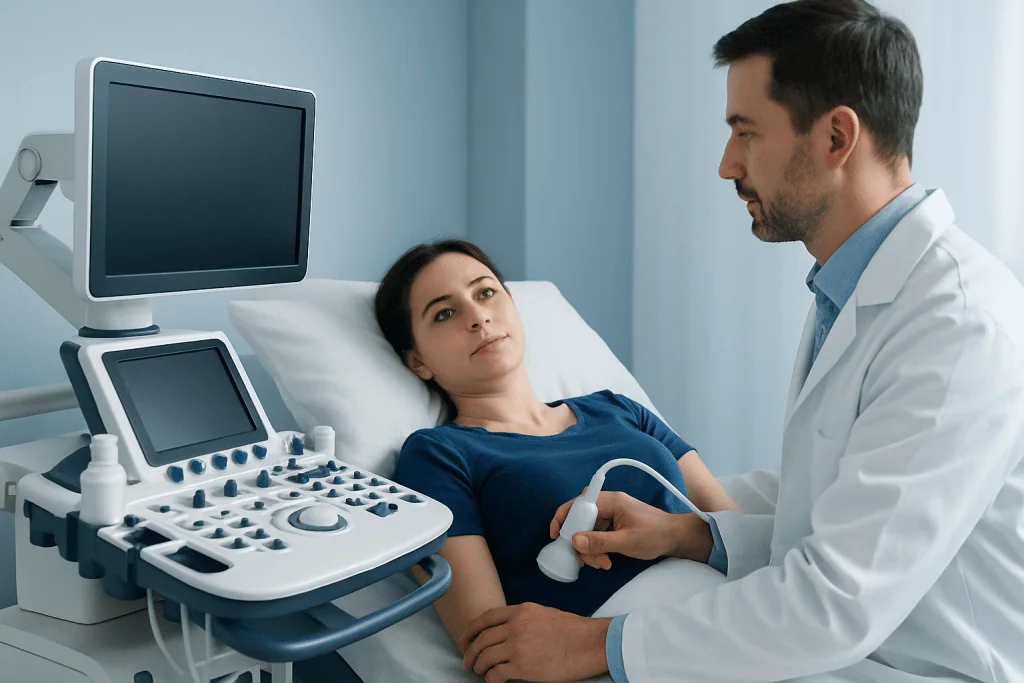
Mono is best known for causing profound fatigue, fever, sore throat, swollen lymph nodes, and sometimes an enlarged spleen. These symptoms are not unique to EBV. Because they overlap with many other common illnesses, a later episode of similar symptoms may feel like mono returning, even when the cause is different.
Another reason for confusion is that EBV does not fully leave the body after infection. Instead, it becomes dormant in certain cells. In healthy people, this inactive state usually causes no problems. Rarely, the virus may reactivate, but reactivation often causes few or no symptoms and may not look like classic mono.
Lingering fatigue is also common after mono and can be frustrating. A person may feel better, then have a setback during stress, poor sleep, or another mild illness. That pattern does not necessarily mean a second mono infection. It often means the body is still recovering or responding to a different trigger.
- Classic mono again is uncommon.
- Persistent or returning fatigue is not always active EBV.
- Many infections and noninfectious conditions can mimic mono.
Symptoms That May Suggest Mono or a Mono-Like Illness

Symptoms of mono often develop gradually. Many people first notice unusual tiredness, followed by a sore throat, fever, body aches, headache, and swollen glands in the neck. Some also develop enlarged tonsils, poor appetite, or mild swelling of the liver or spleen.
If symptoms return months or years later, they may look similar but are not automatically due to EBV. Doctors pay attention to the overall pattern: how long symptoms last, whether there is a cough or nasal congestion, whether there is known exposure to strep or COVID-19, and whether fatigue is the main complaint.
Warning signs matter more than the label. A person should seek urgent medical care if there is trouble breathing, inability to swallow fluids, confusion, severe weakness, a stiff neck, chest pain, or sharp pain in the left upper abdomen, which can be a sign of spleen enlargement or injury.
- Common mono symptoms: fatigue, fever, sore throat, swollen lymph nodes
- Possible associated findings: enlarged tonsils, rash, enlarged spleen or liver
- Concerning signs: breathing trouble, dehydration, severe abdominal pain, jaundice
Causes and Risk Factors: If It Is Not Mono Again, What Could It Be?
Epstein-Barr virus is the most common cause of mono, especially in teenagers and young adults. It spreads mainly through saliva. Once infected, a person usually carries the virus for life. This is why testing can sometimes show old EBV antibodies even when current symptoms are due to another illness.
Other infections can cause a mono-like picture. Cytomegalovirus, acute HIV infection, viral hepatitis, toxoplasmosis, influenza, adenovirus, and COVID-19 can all lead to fatigue, fever, swollen glands, and sore throat. Bacterial causes such as strep throat may also overlap. In some people, noninfectious issues such as anemia, thyroid disease, sleep problems, or autoimmune conditions can contribute to persistent fatigue.
Risk factors for a more complicated course include weakened immunity, certain medications that affect the immune system, pregnancy, and underlying health conditions. In these situations, doctors may look more closely at whether EBV reactivation or another condition is involved. If there are throat symptoms, swollen glands, or concern for infection, evaluation may also include related causes such as tonsillitis.
How Doctors Diagnose Returning Mono-Like Symptoms
Diagnosis begins with a careful history and examination. A doctor asks when symptoms started, whether there was a previous confirmed mono diagnosis, how severe the fatigue is, and whether there are red flags such as abdominal pain or trouble swallowing. During the exam, they may check the throat, lymph nodes, liver, and spleen.
Blood tests can help separate past EBV exposure from a current problem. A heterophile antibody test, often called a Monospot, may support mono in some settings, but it is not perfect, especially early in illness or in younger children. More detailed EBV antibody tests can show whether infection is recent or occurred in the past. A complete blood count and liver function tests may also be useful.
If symptoms are not typical, doctors may test for alternatives such as strep, influenza, COVID-19, cytomegalovirus, or other causes. Imaging is not routine, but it may be considered if there is significant abdominal pain or concern about spleen enlargement. In selected cases, supportive assessments such as blood tests and a medical check-up help guide safe next steps.
Treatment and Recovery
There is no specific cure that makes uncomplicated EBV mono go away instantly. Treatment is usually supportive and focuses on relieving symptoms while the body recovers. Rest, fluids, regular meals as tolerated, and over-the-counter pain or fever medicine advised by a clinician are often enough. Antibiotics do not treat EBV itself, though they may be used if there is a separate bacterial infection.
Activity should return gradually. Many people need extra rest for several weeks, especially if fatigue is marked. Contact sports and heavy lifting are often avoided for a period if the spleen may be enlarged, because of the risk of injury. A doctor can advise when it is safe to resume full activity.
If symptoms are caused by another illness, treatment depends on that cause. For example, strep throat requires different management than viral mono. If there are ongoing ENT symptoms such as severe tonsil swelling or repeated throat infections, a specialist may assess for related problems including tonsil stones or chronic tonsillar disease. For patients needing specialist evaluation, Acibadem International’s multidisciplinary teams in JCI-accredited hospitals diagnose and treat infectious and ENT-related conditions for international patients.
Self-Care and Prevention
Prevention is not always possible because EBV is common and often spreads before people realize they are ill. Still, good hygiene can reduce transmission of many infections that resemble mono. Avoid sharing drinks, utensils, lip products, or toothbrushes when someone is sick, and wash hands regularly.
During recovery, practical self-care matters. Adequate sleep, hydration, balanced meals, and pacing daily activity can help reduce setbacks. Alcohol is often avoided during acute illness because mono can affect the liver. It is also wise to avoid intense exercise until a clinician confirms that returning to sports is safe.
Most people recover fully, even if fatigue lasts longer than expected. If symptoms continue beyond a few weeks, or if new symptoms appear, a review with a doctor is reasonable. Sometimes recovery support includes broader assessments such as internal medicine evaluation to look for other causes of prolonged tiredness.
When to Seek Medical Care
Medical review is a good idea if a person thinks mono has returned and symptoms are moderate, persistent, or unusual. An appointment is especially helpful if fever lasts more than a few days, swollen glands are enlarging, the sore throat is severe, or fatigue interferes with normal daily life for an extended period.
Urgent care is needed for trouble breathing, inability to swallow liquids, fainting, severe dehydration, confusion, yellowing of the skin or eyes, or significant pain in the upper left side of the abdomen. These symptoms may point to complications or to another illness that needs prompt treatment.
Doctors do not assume every repeat episode is “mono again.” Instead, they first look for warning signs, then confirm the likely cause with exam findings and tests if needed. That approach is reassuring as well as practical: most cases are manageable, but the right evaluation helps avoid missing conditions that need specific care.
Frequently asked questions
Can you get mono twice from Epstein-Barr virus?
Usually, no. After a first EBV infection, the immune system generally provides lasting protection, so a true second case of classic mono is uncommon. When similar symptoms happen later, another infection or lingering recovery is often the reason.
Why do I feel like my mono came back?
The most common explanations are ongoing fatigue from the original illness, stress on the body during recovery, or a different infection that causes similar symptoms. EBV can also remain dormant in the body and rarely reactivate, but this does not always cause classic mono symptoms. A doctor can help sort out the cause.
How can a doctor tell if it is mono again or something else?
A doctor will review symptoms, examine the throat and lymph nodes, and consider how the illness started. They may order blood tests to look for recent EBV infection, past exposure, or another infection such as strep, influenza, or COVID-19. This is important because old EBV antibodies can stay positive for life.
How long can mono symptoms last?
Sore throat and fever often improve within a couple of weeks, but fatigue can last much longer in some people. Recovery time varies, and energy may return gradually rather than all at once. If symptoms persist or worsen, medical review is sensible.
Is it dangerous if mono-like symptoms return?
Usually, no, and many cases turn out to be mild viral illnesses or slow recovery rather than a serious problem. Still, symptoms such as breathing difficulty, severe abdominal pain, dehydration, jaundice, or fainting should be assessed promptly. These signs need medical attention regardless of the cause.
Can adults get mono again years later?
Adults can certainly develop mono-like symptoms years later, but this is often not a new EBV infection. Another virus, a throat infection, or a noninfectious cause of fatigue may be responsible. Proper testing can clarify what is happening.
References
- Centers for Disease Control and Prevention
- National Institute of Allergy and Infectious Diseases
- Mayo Clinic
- American Academy of Family Physicians
This article is for general information only and is not a substitute for professional medical advice. Please consult a qualified doctor about your individual situation.
Explore treatments in Turkey — costs, top hospitals & a free quote
JCI-accredited · board-certified surgeons · reply within 24h
Add us as a Preferred Source to see more of our trusted health content across Google Search, AI Overviews and Discover.

More from the Health Library



Related Specialists

Prof. Dr. İsmail Hamzaoğlu
General Surgery
Asst. Prof. Dr. Gökhan Arslanhan
Cardiovascular Surgery
Dr. C. Elif Erol
Gynecology & Obstetrics
Prof. Dr. Uğur Öziç
Orthopedic Surgery & Traumatology