Retainer Cleaner: What Patients Need to Know

Retainer cleaner can help reduce odor, plaque, and staining when used as directed. Daily rinsing and gentle brushing are still important for most retainers.
Key Takeaways
- Retainer cleaner can help reduce odor, plaque, and staining when used as directed.
- Daily rinsing and gentle brushing are still important for most retainers.
- Harsh chemicals, hot water, and abrasive toothpaste may damage retainer materials.
- Different retainers need different care, especially clear plastic and wire designs.
- Persistent bad smell, mouth sores, or gum irritation should be assessed by a dental professional.
Retainer cleaner is a product used to remove plaque, odor, and surface buildup from orthodontic retainers, but it works best as part of a daily care routine rather than as a substitute for gentle brushing and rinsing. Choosing the right cleaner depends on the retainer type, the material, and whether there are signs of damage, irritation, or infection that need professional advice.
Overview: What a Retainer Cleaner Does
A retainer cleaner is designed to help keep an orthodontic retainer free of plaque, film, odor, and visible deposits. In practical terms, it supports oral hygiene by cleaning a device that sits closely against the teeth and gums for many hours a day. Because retainers can trap saliva, bacteria, food particles, and minerals from the mouth, regular cleaning is important for comfort and long-term wear.
There is no single product that suits every person or every retainer. Some cleaners come as tablets that dissolve in water, while others are foams, sprays, or liquids. These products usually aim to loosen buildup and reduce odor, but they are not all intended for the same materials. A clear plastic retainer may need gentler care than a traditional wire-and-acrylic retainer.
Most patients benefit from thinking of retainer cleaner as one part of a routine rather than a complete solution on its own. Daily rinsing after removal, gentle brushing when recommended, safe storage, and regular dental checkups all help reduce problems. A clinician can advise the safest method for a specific retainer, especially after orthodontic treatment or if the device is older, cracked, or uncomfortable.
Why Retainers Need Regular Cleaning
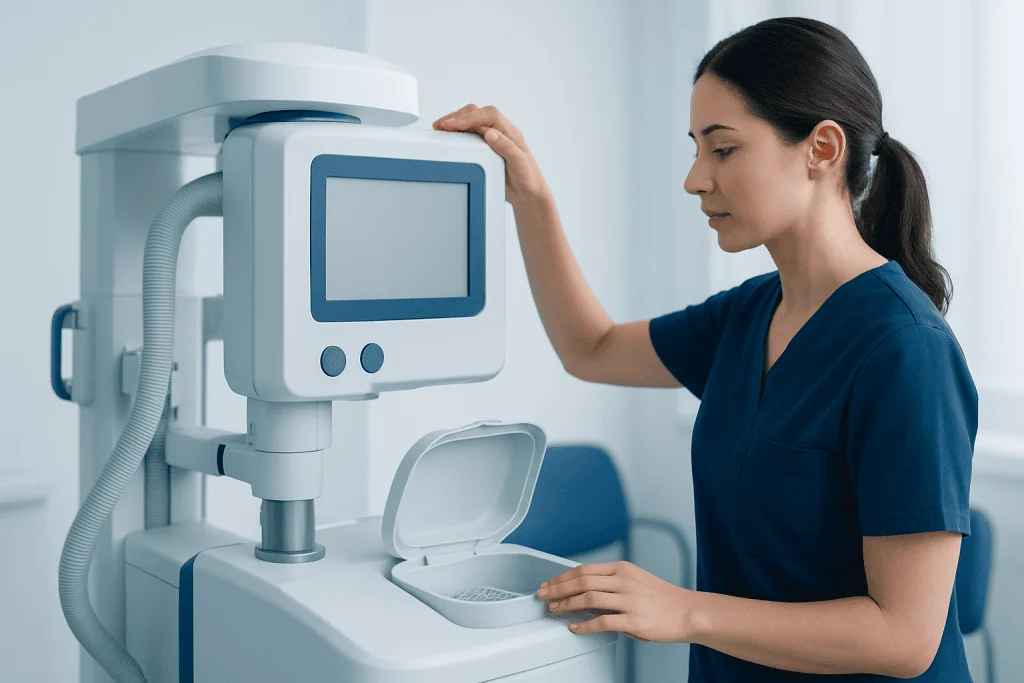
Retainers sit in a warm, moist environment, which allows plaque and biofilm to collect. Even if the teeth are brushed well, the retainer itself can hold onto bacteria and yeast. Over time, this may lead to unpleasant odor, a cloudy appearance, rough spots, or hardened mineral deposits. These changes can make a retainer less comfortable and harder to keep clean.
Good retainer hygiene also helps protect the mouth. A dirty appliance can contribute to gum irritation, bad breath, and a less pleasant taste. In some people, especially those with dry mouth, braces history, or inconsistent oral hygiene, the risk of irritation may be higher. Cleaning the retainer properly helps reduce the chance that the device will add to existing oral health problems.
Another reason for careful cleaning is to preserve the retainer itself. Certain substances can weaken plastic, discolor acrylic, or bend metal parts. This matters because a damaged retainer may not fit correctly, and an ill-fitting retainer may not support teeth alignment as intended. If the device no longer fits, a dental assessment is more useful than trying stronger cleaning methods at home.
Types of Retainer Cleaners and How to Choose
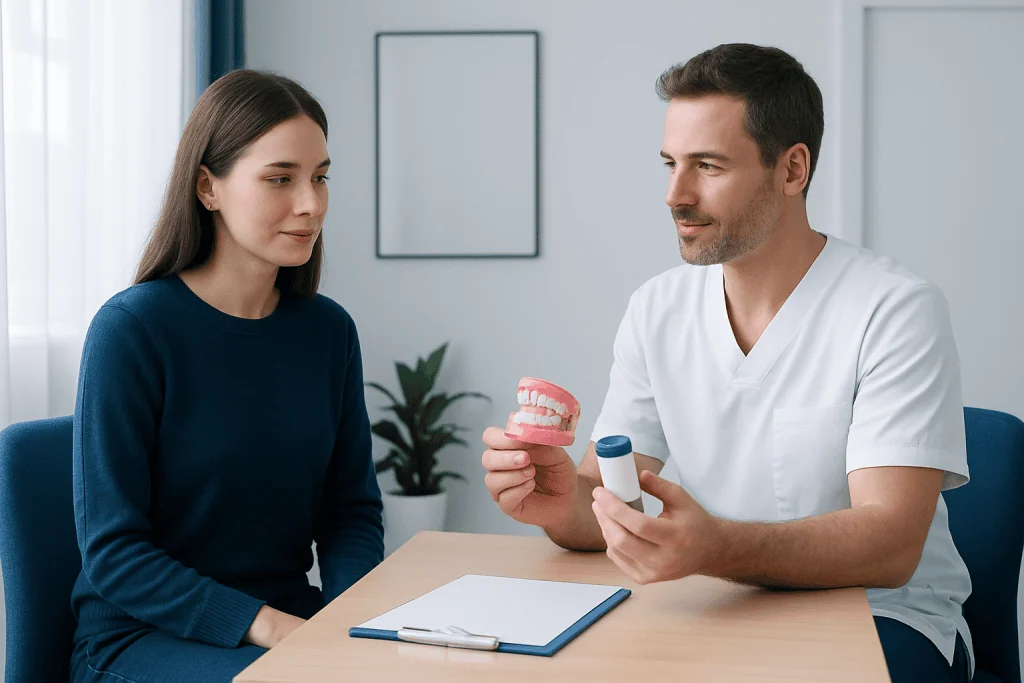
Retainer cleaners are available in several forms. Effervescent soaking tablets are commonly used to loosen plaque and reduce odor. Foams and gels may be applied directly and then brushed off gently. Some people use mild soap with water when advised by their dentist or orthodontist. The best choice depends on the retainer material and the manufacturer’s instructions.
Clear retainers, such as vacuum-formed plastic appliances, usually require the most caution. They can warp with heat and become cloudy with harsh products. Wire retainers with acrylic bases may tolerate somewhat different methods, but they can still be damaged by abrasive scrubbing or strong chemicals. For that reason, patients should avoid assuming that methods used for dentures, aligners, or mouthguards are always interchangeable.
When comparing products, it helps to look for a cleaner specifically labeled for retainers, aligners, or removable orthodontic appliances. Strong household cleaners, alcohol-based products, bleach, and boiling water should not be used. If there is a history of mouth irritation, allergies, or frequent oral infections such as oral thrush, a dentist may suggest a simpler cleaning plan and may check whether the symptoms are due to the appliance, the cleaner, or another oral condition.
- Choose a cleaner matched to the retainer material.
- Follow timing instructions carefully; longer soaking is not always better.
- Avoid hot water, bleach, and abrasive powders.
- Replace the retainer or seek review if it is cracked, rough, or warped.
How to Clean a Retainer Safely at Home
For many retainers, a safe routine starts with rinsing the appliance in lukewarm or cool water as soon as it is removed. This helps prevent saliva and debris from drying onto the surface. If brushing is recommended, a soft toothbrush can be used gently to remove film. Many clinicians advise avoiding regular toothpaste because some formulas are abrasive and can scratch clear plastic.
Soaking with a retainer cleaner may then be added according to the product directions. After soaking, the retainer should usually be rinsed thoroughly before it goes back into the mouth. This step matters because leftover cleaning solution may irritate the soft tissues. The storage case should also be cleaned and dried regularly, since a clean retainer placed into a dirty case can quickly become contaminated again.
Some home practices are best avoided. Hot water can distort shape. Mouthwash may stain or dry some materials. Vinegar and baking soda are often discussed online, but they are not ideal for every appliance and may be too harsh or simply ineffective for certain deposits. If buildup persists despite routine care, it is safer to ask a dental professional than to increase the strength or frequency of cleaning on one’s own.
Patients who also use removable appliances, splints, or a dental treatment device for another reason should keep care routines separate unless a clinician confirms the same cleaner is suitable for all of them. This helps reduce accidental damage and ensures each device is maintained correctly.
Common Problems: Odor, Stains, Buildup, and Fit Changes
A bad smell is one of the most common reasons people start looking for a retainer cleaner. Odor usually means biofilm has collected on the appliance or in the storage case. In many cases, improving daily rinsing, brushing gently, and soaking regularly can help. However, if odor returns quickly, it may point to deeper deposits, dry mouth, gum inflammation, or a retainer that is aging and difficult to clean completely.
Staining and cloudiness are also common, especially with clear retainers. Coffee, tea, tobacco, pigmented foods, and some mouth rinses can discolor the material. Surface stains may improve with a product designed for clear appliances, but scratches in the plastic can trap pigment and make the retainer look dull permanently. A professional can advise whether cleaning is enough or replacement is more appropriate.
White or yellow mineral deposits may develop if saliva dries on the appliance often. These hardened deposits can be difficult to remove with brushing alone. If a retainer feels rough, looks crusted, or no longer sits smoothly, a dental professional may need to clean it or confirm whether it has become damaged. Ongoing irritation around the gums can sometimes overlap with gum disease, which also deserves evaluation.
A fit change is a different issue from cleanliness. If the retainer suddenly feels tight, loose, or distorted, cleaning products are unlikely to solve the problem. This may happen if teeth have shifted, the device has warped, or the retainer has cracked. Continued use of a damaged appliance can worsen discomfort, so professional advice is recommended.
Prevention and Daily Retainer Self-care
The best retainer cleaning routine is usually the one a person can follow consistently. Simple habits make a meaningful difference. Rinsing the retainer each time it is removed, not wrapping it in tissue, and placing it in a clean case reduce contamination and accidental loss. Letting dried residue build up for days makes later cleaning more difficult.
Oral hygiene matters as much as appliance hygiene. Brushing the teeth and cleaning between them help reduce what transfers onto the retainer. This is particularly important after orthodontic treatment, since plaque retention areas may still be present around the gumline. Some patients benefit from a dental review if they are having repeated plaque buildup or bad breath despite cleaning carefully.
Retainers should also be protected from pets, heat, and physical damage. Many appliances are accidentally bent or chewed after being left out. A deformed retainer can irritate the mouth and may stop fitting as intended. In some cases, a dentist or orthodontist may recommend repair or replacement rather than repeated cleaning attempts.
Regular checkups remain useful even when the retainer seems fine. During routine visits, a clinician can assess the fit, inspect the material, and look for tooth or gum issues that may be related to appliance wear. If needed, they may also suggest a more suitable cleaning product or discuss whether another removable appliance, such as teeth whitening trays, should be cared for differently.
When to Seek Medical Care
Most retainer cleaning concerns can be handled with better routine care and advice from a dentist or orthodontist. However, medical or dental review is sensible if there is persistent gum swelling, pain, mouth ulcers, bleeding, a white coating in the mouth, or a strong odor that does not improve with cleaning. These symptoms may reflect irritation, infection, or another oral health problem rather than a simple hygiene issue.
Prompt assessment is also important if the retainer cracks, develops sharp edges, causes pressure spots, or no longer fits. A poorly fitting appliance can rub against the tissues or stop supporting tooth position properly. It is usually better not to force a distorted retainer back into place.
People with diabetes, reduced immunity, dry mouth, or a history of recurrent oral infections may need earlier evaluation if symptoms appear. In these situations, even minor mouth irritation can become more troublesome. If there is uncertainty, a qualified clinician can decide whether the issue is related to the retainer, oral hygiene, or another condition.
For patients seeking specialist assessment, Acibadem International’s multidisciplinary teams in JCI-accredited hospitals diagnose and treat dental and oral health concerns for international patients, including appliance-related problems that need professional review.
Frequently asked questions
Can retainer cleaner replace brushing the retainer?
Usually no. Retainer cleaner can help loosen buildup and reduce odor, but many retainers still benefit from gentle brushing and rinsing. The safest routine depends on the retainer type and the clinician's instructions.
Is it safe to use toothpaste on a retainer?
Not always. Many toothpastes are abrasive and can scratch clear plastic, making the retainer look cloudy and collect more plaque. A dentist or orthodontist may suggest a soft brush with water or a cleaner made for removable appliances.
How often should a retainer be cleaned?
Most retainers should be rinsed after removal and cleaned regularly as part of daily care. Soaking frequency varies by product and appliance type. Following the manufacturer's instructions and the clinician's advice is the safest approach.
Why does a retainer still smell bad after cleaning?
A persistent smell can mean there is stubborn plaque or mineral buildup, a dirty storage case, dry mouth, or an oral health issue such as gum irritation or infection. It can also happen when the retainer is old or scratched. If odor returns quickly, a dental review is reasonable.
Can hot water disinfect a retainer?
Hot water is not recommended for most retainers, especially clear plastic ones. Heat can warp the material and change the fit. A warped retainer may become uncomfortable and less effective.
When should a retainer be replaced instead of cleaned?
Replacement may be needed if the retainer is cracked, warped, rough, badly stained, or no longer fits correctly. Cleaning cannot repair structural damage. A dentist or orthodontist can confirm whether professional cleaning, adjustment, or replacement is best.
This article is for general information only and is not a substitute for professional medical advice. Please consult a qualified doctor about your individual situation.
Explore treatments in Turkey — costs, top hospitals & a free quote
JCI-accredited · board-certified surgeons · reply within 24h
Add us as a Preferred Source to see more of our trusted health content across Google Search, AI Overviews and Discover.

More from the Health Library

Monkfruit Sweetener: A Complete Medical Overview

Sleep Meds: An Evidence-Based Guide for Patients

Hypochromia — Explained by Medical Evidence, Not Myths

Lip Discoloration: What Patients Need to Know

Cedar Point Dragster Height: What Patients Need to Know