Skin Graft — Explained by Medical Evidence, Not Myths
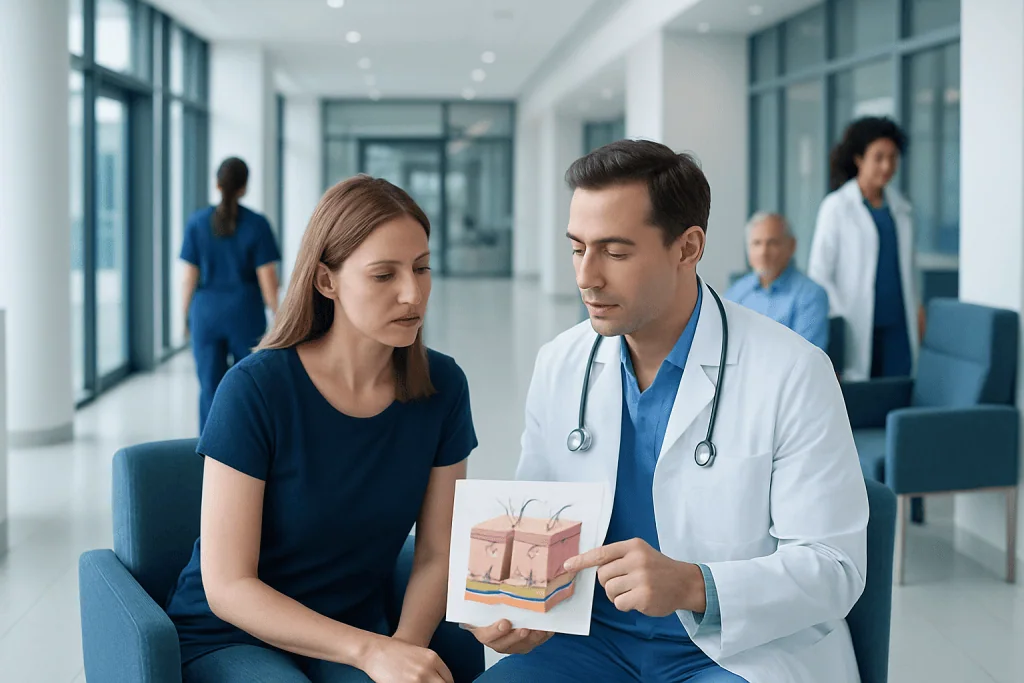
A skin graft covers and protects wounds that cannot close well by themselves. The two main types are split-thickness and full-thickness skin grafts, chosen based on wound depth, location, and goals.
Key Takeaways
- A skin graft covers and protects wounds that cannot close well by themselves.
- The two main types are split-thickness and full-thickness skin grafts, chosen based on wound depth, location, and goals.
- Successful healing depends on good blood supply, wound preparation, infection control, and careful aftercare.
- Recovery includes care of both the graft site and the donor site, plus follow-up to check that the graft is taking well.
- Patients should seek medical care promptly for spreading redness, fever, worsening pain, foul drainage, or a graft that turns dark or does not attach.
A skin graft is a surgical procedure that moves healthy skin from one area of the body to another area that has lost skin because of injury, burns, surgery, or disease. It is used when a wound is too large, too deep, or too slow to heal safely on its own.
What a skin graft is and why it is used
A skin graft is a procedure in which a surgeon removes healthy skin from one part of the body, called the donor site, and places it over another area where skin has been lost. The goal is to cover exposed tissue, reduce fluid loss, lower infection risk, support healing, and improve function. In simple terms, a skin graft is not a cosmetic shortcut; it is a reconstructive method used when the body needs help restoring a protective skin barrier.
Doctors may recommend a skin graft after burns, traumatic injuries, infections, removal of skin cancers, or surgery that leaves a wound too large to close directly. It may also be used for some chronic wounds, such as pressure injuries or diabetic foot wounds, when other treatments have not been enough and the wound bed is ready. In some cases, a graft is part of broader reconstructive surgery to restore both appearance and everyday function.
A skin graft is different from a skin flap. A graft is moved without its own blood supply and must connect to blood vessels at the new site to survive. A flap keeps its own blood supply when transferred. This distinction matters because wound depth, location, and blood flow strongly affect which option is safest and most effective.
Main types of skin graft
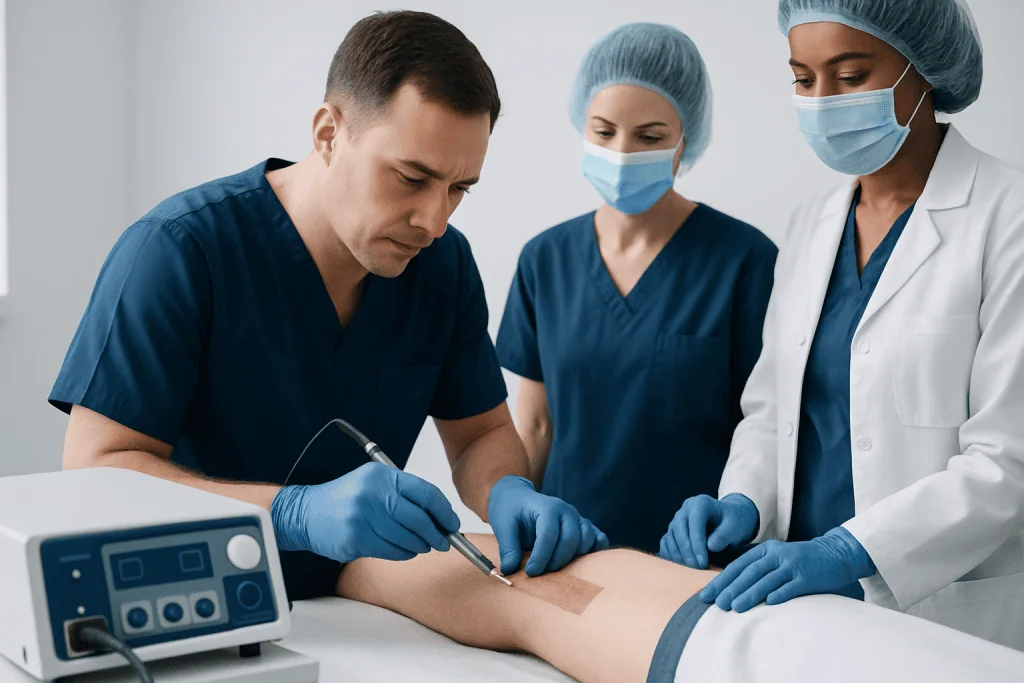
There are two main types of skin graft used most often. A split-thickness skin graft includes the outer layer of skin and part of the deeper layer. A full-thickness skin graft includes the outer layer and all of the deeper layer of skin in the donor area. The choice depends on the wound, the body area involved, and the desired balance between durability, appearance, and healing time.
Split-thickness grafts are commonly used for larger wounds, including many burns. Because they are thinner, they are more likely to take successfully on a wider range of wound beds. The donor site usually heals on its own, somewhat like a superficial abrasion, but it may be uncomfortable during recovery.
Full-thickness grafts are often chosen for smaller areas where texture, strength, and cosmetic match matter more, such as parts of the face or hands. These grafts may contract less during healing and can give a better long-term appearance, but they require a well-prepared recipient site with good blood supply. Some patients who need wound closure after skin cancer removal may also learn about related options in skin cancer.
- Split-thickness graft: thinner, useful for larger wounds, donor site heals by itself.
- Full-thickness graft: thicker, often better color and texture match, used for selected smaller defects.
- Other graft approaches: mesh grafts, temporary biologic coverings, or engineered substitutes may be used in certain situations.
When doctors consider a skin graft
Not every wound needs a skin graft. Many cuts and surgical incisions can be closed with stitches, staples, or dressings alone. A graft becomes more relevant when the body cannot easily bridge the gap because too much skin is missing, the wound is deep, or the surrounding skin is not healthy enough to stretch and close safely.
Common reasons include burns, road injuries, crush injuries, severe abrasions, infected wounds after cleaning and control of infection, and defects left after surgery. Skin grafting may also follow treatment of some chronic wounds, especially when swelling, poor pressure relief, poor circulation, or infection have already been addressed. For some patients with complex soft tissue loss, management overlaps with burn treatment or other reconstructive care.
Before recommending a graft, the clinical team looks closely at the wound bed. Healthy granulation tissue, control of bacteria, adequate blood flow, and absence of dead tissue are all important. If these conditions are not present, the graft may fail, so preparation of the wound is just as important as the graft itself.
How skin graft surgery is planned and performed
Skin graft surgery begins with careful assessment of the wound and overall health of the patient. The team considers the size and depth of the defect, blood supply, infection risk, pressure on the area, smoking history, diabetes, circulation problems, and medicines that may affect healing. Photographs or imaging may be used in selected cases, but the decision is usually based mainly on clinical examination.
During the procedure, the wound is cleaned and any unhealthy tissue is removed. The donor skin is then taken from a site chosen for safety, healing potential, and the best possible match. Common donor areas include the thigh, buttock, upper arm, or area near the wound, depending on the type of graft. The graft is shaped to fit the wound and secured with sutures, staples, glue, or dressings.
After placement, the graft needs close contact with the wound bed to allow small blood vessels to grow into it. Dressings help prevent movement, fluid buildup, and contamination. Some wounds benefit from negative pressure dressings to improve contact and remove excess fluid. In more complex cases, patients may be cared for by specialists in plastic and reconstructive surgery.
Anesthesia may be local, regional, or general, depending on the wound and the amount of skin being grafted. The donor site also needs care because it is a second wound created to heal the first. Patients are usually given detailed instructions about keeping the area still, clean, and protected while early healing begins.
Healing, recovery, and what to expect
Recovery after a skin graft involves healing at two places: the graft site and the donor site. In the first days after surgery, the main goal is for the graft to “take,” meaning it stays in contact with the wound bed and develops a reliable blood supply. Mild swelling, tenderness, and color change can be part of normal healing, but the appearance changes over time and should be assessed by the surgical team.
The donor site may feel sore, raw, or sensitive. Split-thickness donor sites often heal within a few weeks, while full-thickness donor sites are usually closed with stitches and may leave a more defined scar. Itching, temporary tightness, and altered sensation can occur at either site as nerves and tissue recover.
Movement may need to be limited, especially if the graft is near a joint or in a place that rubs against clothing or bedding. Dressings should be changed only as advised. Sun protection is important because new skin can darken or discolor easily. In some cases, rehabilitation, scar management, or compression garments are recommended to improve function and reduce contracture, particularly after larger burns.
Even when a graft heals well, color and texture may not perfectly match surrounding skin. This does not always mean something is wrong. Long-term results depend on the cause of the wound, location on the body, skin type, and whether the area is exposed to friction, swelling, or ongoing disease.
Risks, complications, and factors that affect graft success
Like any surgery, skin grafting has possible risks. The most common concern is graft failure, which means the graft does not survive fully or only takes in part. This can happen if there is poor blood supply, infection, fluid or blood collecting under the graft, too much movement, pressure on the area, or ongoing smoking. Sometimes only part of a graft is lost and further wound care is enough; in other cases, another procedure may be needed.
Other possible complications include pain, bleeding, delayed healing, scarring, color mismatch, contour changes, and reduced sensation or abnormal sensitivity. Donor sites can also become infected or heal slowly. In wounds related to diabetes or poor circulation, the medical team may first evaluate and treat underlying problems such as diabetic foot complications or vascular disease before grafting.
Certain factors make healing more difficult. These include uncontrolled diabetes, poor nutrition, smoking, severe swelling, pressure on the wound, poor circulation, and repeated trauma. Medicines that affect immunity or blood clotting may also matter. This is why doctors often stress that wound optimization before surgery is not a delay in care; it is part of making the graft more likely to succeed.
- Signs of possible graft problems: increasing redness, pus, foul odor, fever, darkening of the graft, severe swelling, or the graft lifting away from the wound.
- Common healing obstacles: infection, nicotine use, pressure, poor circulation, and uncontrolled blood sugar.
Self-care after surgery and when to seek medical care
Home care after a skin graft should follow the instructions of the treating team. In general, patients are asked to keep dressings dry unless told otherwise, avoid stretching or bumping the area, take prescribed medicines as directed, and attend follow-up visits. Good nutrition, hydration, and control of medical conditions such as diabetes support healing. Smoking cessation is especially important because nicotine reduces blood flow and can harm graft survival.
Scar care may begin only after the wound has healed enough and should be guided by the doctor. Depending on the location, this may include moisturizers, silicone products, massage, pressure garments, and gentle range-of-motion exercises. New skin is fragile, so patients should avoid direct sun exposure and use protective clothing or sunscreen once the doctor says it is safe.
Medical care should be sought promptly if there is spreading redness, increasing warmth, fever, worsening pain, bleeding that does not stop, thick or foul-smelling drainage, or if the graft turns pale, blue, gray, or black. Help is also needed if dressings come off early, the wound opens, or movement becomes difficult. Early review can sometimes prevent a small problem from becoming a larger setback.
For people seeking coordinated evaluation and treatment, Acibadem International’s multidisciplinary specialists in JCI-accredited hospitals diagnose and treat wounds that may require skin grafting and related reconstructive care for international patients.
Frequently asked questions
Is a skin graft the same as a skin transplant?
In everyday language, people may use these terms similarly, but doctors usually say skin graft. It means moving a piece of skin from one body area to another to help a wound heal. It does not usually involve organ-transplant-style immune matching when the skin comes from the same person.
How long does a skin graft take to heal?
Initial healing often begins over the first one to two weeks, but full recovery takes longer. The graft site and the donor site heal at different speeds, and the final color, texture, and scar can keep changing for months. Healing time depends on the wound size, location, blood supply, and overall health.
Is skin graft surgery painful?
Some pain or discomfort is expected, especially at the donor site, which many patients find more sensitive than the grafted area. The care team uses pain-control methods and dressing plans to make recovery more manageable. Pain that suddenly worsens should be reported to a doctor.
Can a skin graft fail?
Yes, a skin graft can fail partly or completely if it does not establish enough blood supply or if infection, pressure, movement, or fluid buildup interferes with healing. Doctors try to reduce this risk by preparing the wound carefully and giving detailed aftercare instructions. If there are signs of failure, prompt medical assessment is important.
Will a skin graft leave a scar?
Yes, both the graft site and the donor site can leave scars. The appearance varies with the type of graft, the location on the body, skin tone, and how the area heals over time. Scar management strategies may help improve comfort and appearance once healing is established.
What is the difference between split-thickness and full-thickness skin grafts?
A split-thickness graft uses the top layer of skin and part of the deeper layer, so it is thinner and often used for larger wounds. A full-thickness graft includes all of the deeper skin layer and is usually used for smaller areas where a closer cosmetic and structural match is important. The best choice depends on the wound and the goals of treatment.
This article is for general information only and is not a substitute for professional medical advice. Please consult a qualified doctor about your individual situation.
Explore treatments in Turkey — costs, top hospitals & a free quote
JCI-accredited · board-certified surgeons · reply within 24h
Add us as a Preferred Source to see more of our trusted health content across Google Search, AI Overviews and Discover.

More from the Health Library

Oxytocin: An Evidence-Based Guide for Patients
E Stim — Explained by Medical Evidence, Not Myths

Fortified: An Evidence-Based Guide for Patients

Saline Solution for Septum Piercings: A Complete Medical Overview

Bruised Knuckles: Care Steps and When to Seek Help