Jejunostomy Tube: A Complete Medical Overview

A jejunostomy tube delivers nutrition directly into the small intestine. It is often used when eating by mouth or feeding into the stomach is not possible or safe.
Key Takeaways
- A jejunostomy tube delivers nutrition directly into the small intestine.
- It is often used when eating by mouth or feeding into the stomach is not possible or safe.
- Daily care focuses on skin hygiene, correct feeding technique, and watching for tube blockage or leakage.
- Common problems include irritation, clogging, displacement, diarrhea, and infection around the site.
- Medical follow-up helps ensure the tube is working properly and nutrition needs are being met.
A jejunostomy tube is a soft feeding tube placed directly into the jejunum, part of the small intestine, so nutrition, fluids, and some medicines can be given when oral feeding is not suitable. It is commonly used after certain digestive surgeries, swallowing problems, or conditions that make stomach feeding difficult or unsafe.
Overview: what a jejunostomy tube is and why it is used
A jejunostomy tube, often called a J tube, is a narrow tube placed through the abdominal wall into the jejunum, which is the middle section of the small intestine. It is used to deliver liquid nutrition, water, and in some cases medication when a person cannot eat enough by mouth or when food should bypass the stomach. This may be temporary during recovery or long term, depending on the underlying condition.
This type of tube feeding is part of enteral nutrition, meaning the digestive tract is still used. A J tube can be helpful for people who have severe swallowing difficulty, ongoing vomiting, delayed stomach emptying, certain cancers, major digestive surgery, or a high risk of aspiration from stomach feeding. Compared with feeding into the stomach, feeding into the jejunum is usually given more slowly and carefully because the small intestine is more sensitive to volume and rate.
A jejunostomy tube may be placed during surgery, by an endoscopic technique, or with image guidance, depending on the person’s anatomy and medical needs. Some tubes are dedicated J tubes, while others are part of a gastrojejunostomy system. The best choice depends on why nutritional support is needed, how long it will be needed, and whether the stomach can still be used safely.
Who may need a J tube
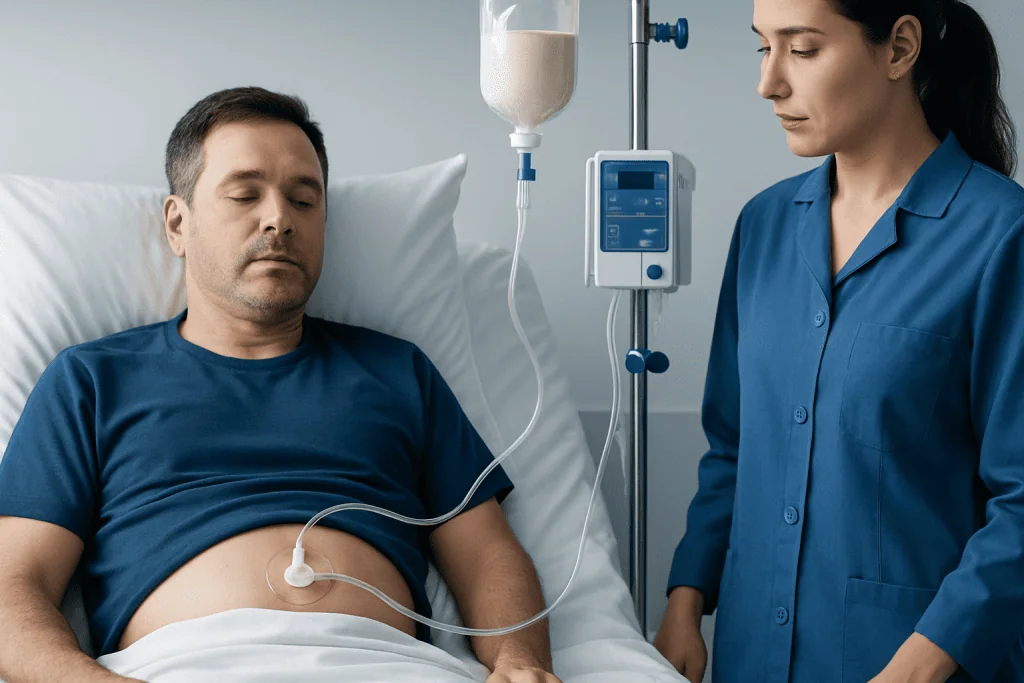
Doctors consider a jejunostomy tube when the body needs reliable nutrition but normal eating is not enough or not safe. It may be recommended after upper digestive surgery, in people with blockage of part of the digestive tract, or when severe reflux or repeated aspiration makes stomach feeding risky. It may also be used for people with prolonged illness who are expected to need nutritional support for more than a short period.
Common clinical situations include recovery after major esophageal or stomach surgery, some pancreatic conditions, severe gastroparesis, and neurological disorders that affect swallowing. In some patients, a J tube is used after treatment for stomach cancer or during care for esophageal cancer if oral intake is not adequate.
A J tube is not always the first option. If short-term support is needed, a tube through the nose may be used first. If the stomach works well and aspiration risk is low, feeding into the stomach may be simpler. The decision is individualized and usually involves the treating doctor, surgeon or gastroenterologist, and a dietitian.
How a jejunostomy tube is placed
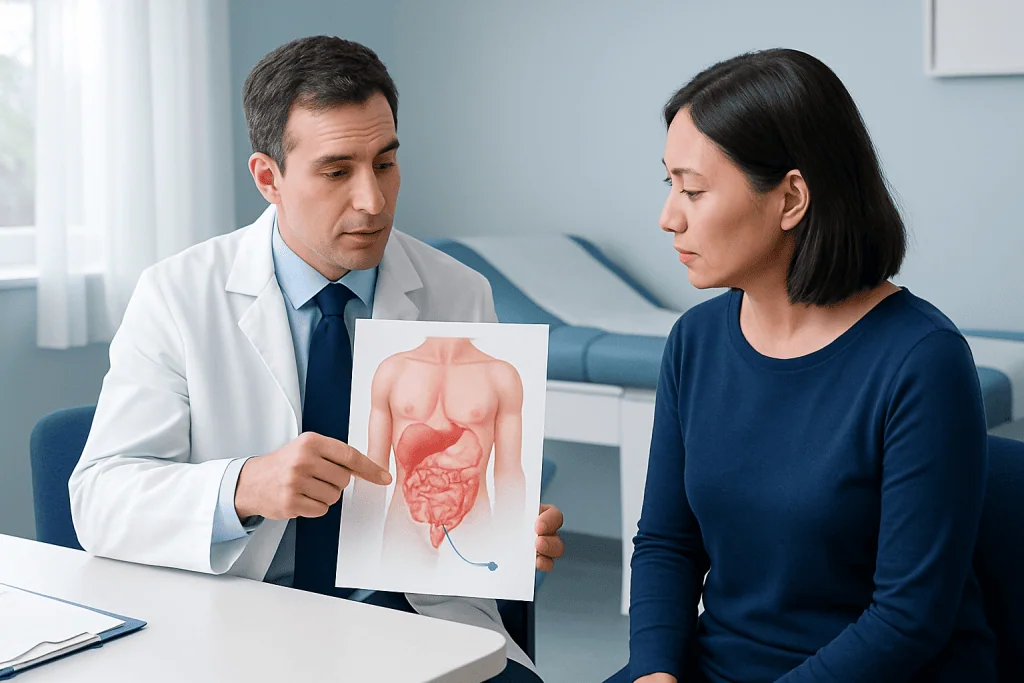
Placement methods vary. A surgical jejunostomy may be created during an abdominal operation, especially if a person is already having surgery on the esophagus, stomach, or nearby organs. In other cases, specialists can place feeding access using endoscopy or imaging guidance. Before the procedure, the medical team reviews overall health, medications, bleeding risk, and the reason for tube feeding.
After placement, the tube exits through a small opening on the abdomen called a stoma. The tube is secured so it stays in position, and instructions are given about when feeding can begin. In many cases feeding starts gradually, allowing the intestine to adjust. The team also explains how to flush the tube, protect the skin, and recognize warning signs.
People often wonder whether placement is painful. Some discomfort around the insertion site is common at first, but this usually improves as healing progresses. Follow-up is important because the team may need to check position, adjust the tube, or review whether the feeding plan is meeting calorie, protein, and fluid needs.
Daily care, feeding, and living with the tube
Jejunostomy tube care usually becomes part of a daily routine. The skin around the tube should be kept clean and dry, and hands should be washed before handling feeds, connectors, or syringes. The tube is usually flushed with water before and after feeds and medicines to reduce the chance of blockage. Because feeding goes directly into the small intestine, it is commonly delivered by pump at a controlled rate rather than as a large rapid bolus.
Feeds are prescribed by the clinical team and tailored to age, weight, hydration needs, and the underlying illness. Medicines may need to be adjusted because not all tablets are suitable for tube administration. Crushing the wrong medication can block the tube or change how the drug works, so medicine instructions should always come from a doctor or pharmacist.
Many people with a J tube can still take some food or drink by mouth if their doctor says it is safe. Others rely fully on tube feeding. With planning, normal daily activities can often continue, though swimming, exercise, travel, and sleep position may require individualized advice. If the tube was placed as part of postoperative support after esophageal surgery or stomach surgery, recovery instructions may include both wound care and nutrition monitoring.
- Keep the site clean and check the skin every day.
- Flush exactly as instructed to help prevent clogging.
- Use only prescribed formula and approved medication methods.
- Store feeds safely and follow hygiene guidance.
- Report new pain, leakage, redness, or tube movement promptly.
Possible risks and complications
Most people use a jejunostomy tube without major problems, but complications can happen and are best managed early. Skin irritation, minor bleeding, soreness, and leakage around the stoma are relatively common, especially soon after placement. Tubes can also become blocked, kinked, or accidentally pulled out. If the tube appears shorter or longer than usual, or if feeds are not flowing properly, medical advice is needed.
Infection around the tube site may cause increasing redness, swelling, warmth, pus, or fever. Feeding-related problems can include diarrhea, bloating, abdominal cramping, nausea, or dehydration. These issues may be related to feed rate, formula type, flushing technique, medication effects, or the underlying disease rather than the tube itself. A review by the care team often helps identify the cause.
Less commonly, more serious complications can occur, such as significant displacement, intestinal injury, or aspiration of oral contents in vulnerable patients. These are uncommon but important reasons to maintain follow-up and not attempt major tube adjustments at home unless specifically trained to do so. If long-term nutrition support is needed, specialists may also assess broader digestive conditions such as gastroesophageal reflux disease when this is relevant to the overall care plan.
How doctors monitor a jejunostomy tube
Ongoing monitoring is a key part of safe tube feeding. Doctors and dietitians review weight trends, hydration, bowel pattern, comfort during feeds, and whether energy and protein goals are being met. Blood tests may be used to assess electrolyte balance, kidney function, and signs of malnutrition or dehydration, especially in people with complex illness.
If the tube is painful, leaking, repeatedly clogging, or thought to be out of place, the team may inspect the stoma and in some cases use imaging to confirm position. Not every problem needs a hospital visit, but problems that affect feeding delivery or cause significant symptoms should be evaluated quickly. Timely review may prevent more serious issues and help avoid interruption of nutrition.
For patients with digestive cancers or after major abdominal procedures, follow-up can involve several specialties. Depending on the reason for the tube, care may include nutrition review, surgery follow-up, and treatment planning such as gastroenterology care or general surgery review. Near the end of treatment or recovery, the team may assess whether the tube can be removed safely.
Prevention, self-care, and when a tube may be removed
Good self-care can lower the risk of common complications. Following the recommended feeding schedule, using clean equipment, and flushing properly are among the most effective preventive steps. It also helps to keep a simple record of feed amounts, water flushes, bowel movements, symptoms, and any concerns with the tube site. This information can guide adjustments during follow-up appointments.
Nutrition plans often change over time. As swallowing improves or the underlying condition stabilizes, some people transition from full tube feeding to partial support and then back to oral intake. A swallowing specialist or dietitian may help determine whether foods and fluids can be reintroduced safely. The tube should not be removed until the clinical team confirms that nutrition and hydration can be maintained without it.
When removal is appropriate, it is usually done by a trained clinician using the method suited to that tube type. The opening often begins to close on its own, though healing time varies. For international patients who need evaluation or ongoing care, Acibadem International’s multidisciplinary specialists and JCI-accredited hospitals diagnose and treat conditions that may require jejunal feeding support.
When to seek medical care
Medical advice should be sought if there is increasing redness, swelling, pus, bad odor, fever, or worsening pain around the tube site. These may suggest infection or local tissue irritation that needs treatment. Care is also needed if the tube is cracked, blocked and cannot be flushed, or appears to have moved.
Urgent assessment is important if feeds suddenly cause severe abdominal pain, repeated vomiting, marked bloating, faintness, signs of dehydration, or if the tube falls out. People should also contact their doctor if they are losing weight despite feeds, having persistent diarrhea, or are unsure whether medicines are being given correctly through the tube. Early review is usually the safest approach when there is doubt.
Frequently asked questions
What is the difference between a jejunostomy tube and a gastrostomy tube?
A jejunostomy tube delivers nutrition into the jejunum, while a gastrostomy tube delivers it into the stomach. A J tube is often chosen when stomach feeding is not tolerated well or when there is a higher risk that stomach contents could move upward and be aspirated.
Can a person eat normally with a jejunostomy tube?
Some people can still eat or drink by mouth, but only if their doctor says it is safe. Others depend entirely on tube feeding for a period of time or long term. The ability to eat depends on the reason the tube was placed and how well swallowing and digestion are working.
How long can a J tube stay in place?
A J tube may be used for weeks, months, or longer depending on the medical condition. Some are temporary during recovery after surgery, while others are needed for longer-term nutrition support. Regular follow-up helps determine whether the tube is still needed and functioning well.
Is feeding through a jejunostomy tube painful?
Feeding itself is usually not painful when the tube is working properly and the feed rate is appropriate. Mild discomfort can happen early after placement or if feeds are too fast, the formula is not well tolerated, or the tube site is irritated. New or severe pain should be assessed by a clinician.
What should be done if the jejunostomy tube gets blocked?
The tube should not be forced, as this can damage it. Many minor clogs can be reduced by proper flushing techniques recommended by the care team. If the tube remains blocked or feeding cannot continue, a doctor or nurse should be contacted.
Can medicines be given through a J tube?
Many medicines can be given through a J tube, but not all forms are suitable. Some tablets should not be crushed, and some liquids may still need adjustment. A doctor or pharmacist should advise how each medicine should be prepared and administered.
This article is for general information only and is not a substitute for professional medical advice. Please consult a qualified doctor about your individual situation.
Persistent digestive symptoms? Get evaluated in Turkey
JCI-accredited · board-certified surgeons · reply within 24h
Add us as a Preferred Source to see more of our trusted health content across Google Search, AI Overviews and Discover.
Check your numbers in seconds
BMI, calories, due date, blood pressure and 30+ more clinical calculators — free, instant, doctor-reviewed ranges.

More from the Health Library

Pallor: A Complete Medical Overview

Jak2 Mutation: A Complete Medical Overview

Meat Sweats: A Complete Medical Overview

Delayed Onset Muscle Soreness — Explained by Medical Evidence, Not Myths

Baby Hairs — Explained by Medical Evidence, Not Myths