Embolization — Explained by Medical Evidence, Not Myths

Embolization treats disease by blocking targeted blood vessels without major open surgery. It may be used for bleeding, uterine fibroids, aneurysms, arteriovenous malformations, enlarged prostate, and some cancers.
Key Takeaways
- Embolization treats disease by blocking targeted blood vessels without major open surgery.
- It may be used for bleeding, uterine fibroids, aneurysms, arteriovenous malformations, enlarged prostate, and some cancers.
- The procedure is usually performed by an interventional radiologist using imaging guidance through a small catheter.
- Recovery is often shorter than with open surgery, but risks and follow-up depend on the treated condition.
- Prompt medical assessment is important for severe pain, heavy bleeding, fever, weakness, or symptoms of stroke after treatment.
Embolization is a minimally invasive procedure that intentionally blocks selected blood vessels to stop bleeding or reduce blood flow to a problem area. It is used in several conditions, including fibroids, aneurysms, arteriovenous malformations, some tumors, and emergency bleeding, with treatment tailored to the person and the condition.
What embolization means in practical terms
Embolization is a medical procedure that deliberately blocks one or more blood vessels in a precise, controlled way. The goal is not to reduce circulation everywhere, but to stop or limit blood flow only to the area that is causing a problem. Doctors may use it to control bleeding, shrink a growth that depends on a strong blood supply, or prevent blood from reaching an abnormal blood vessel.
The procedure is usually performed by an interventional radiologist or another specialist trained in catheter-based treatments. Using X-ray or other imaging guidance, the doctor passes a thin tube called a catheter through a blood vessel, often starting from the wrist or groin, and guides it to the target area. Tiny materials such as coils, particles, glue-like agents, or plugs are then placed to block the vessel.
Because embolization is minimally invasive, it often avoids the need for a large incision. This can mean a shorter hospital stay and recovery period for many patients. Even so, it is still a significant medical treatment, and the expected benefits, possible side effects, and follow-up plan depend on why it is being done.
Why doctors use embolization
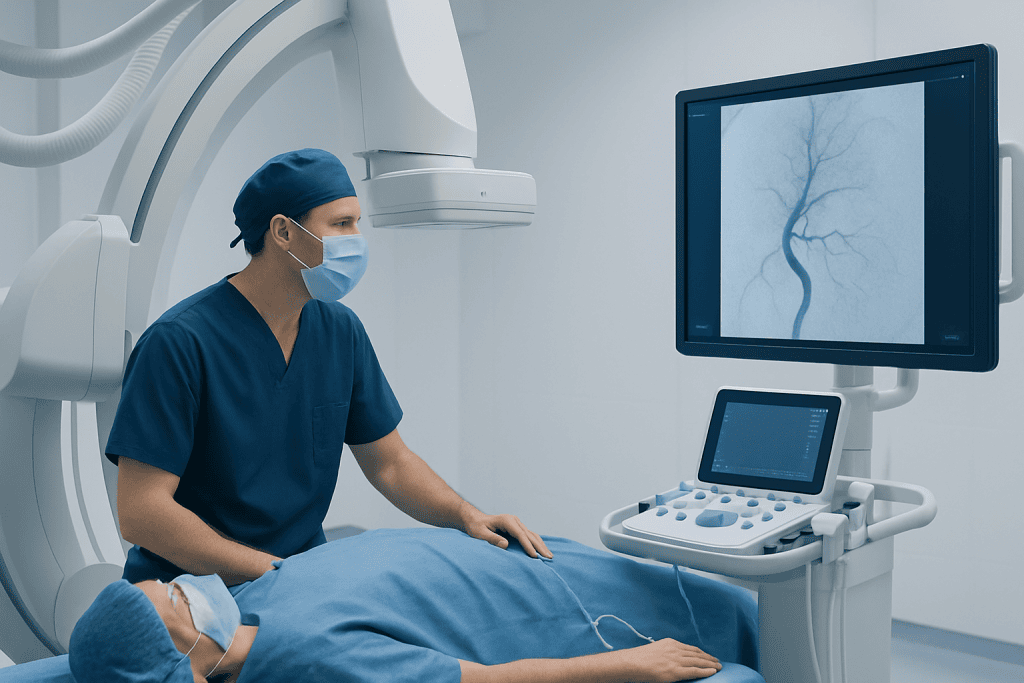
Embolization is not a single disease treatment but a technique used across different specialties. One common reason is to stop active bleeding, such as bleeding after trauma, surgery, childbirth, or from the digestive tract. In urgent situations, it can be life-saving because it can control hemorrhage quickly without open surgery.
It is also used for conditions where reducing blood flow can improve symptoms or lower risk. Examples include uterine fibroids, enlarged prostate, varicoceles, some benign bone or soft-tissue lesions, and certain cancers before surgery or as part of cancer care. In the brain or elsewhere in the body, embolization may be used to treat abnormal connections between arteries and veins, or to help manage aneurysms in carefully selected cases.
People may hear related terms such as uterine artery embolization, prostate artery embolization, or chemoembolization. These describe the same basic idea—blocking targeted blood vessels—but the details vary according to the organ being treated and whether medicine is delivered through the catheter at the same time.
- Emergency use: controlling internal bleeding
- Planned use: shrinking fibroids or reducing blood supply to a lesion
- Adjunctive use: making surgery safer by reducing bleeding risk beforehand
- Specialized use: treating vascular abnormalities such as aneurysms or arteriovenous malformations
How the procedure is performed

Before embolization, the care team reviews the person’s symptoms, scans, blood tests, medicines, allergies, and overall health. They may ask about blood thinners, kidney function, and any previous reactions to contrast dye. Depending on the situation, the procedure may be planned electively or performed urgently.
During the procedure, the patient usually receives local anesthetic at the entry site and may also receive sedation. Through a tiny skin puncture, the doctor inserts a catheter into an artery or vein and advances it under imaging guidance. Contrast dye is often used to map the blood vessels and confirm the source of bleeding or the vessel feeding the target tissue.
Once the catheter is in the correct position, the doctor delivers the embolic material. The exact material is chosen for the condition being treated and may be temporary or permanent. Afterward, the catheter is removed, pressure is applied or a closure device is used, and the patient is monitored for pain, bleeding, and circulation at the access site.
Some people go home the same day, while others stay in hospital overnight or longer. This depends on the reason for embolization, the body area involved, and how the patient feels afterward.
Conditions commonly treated with embolization
One of the best-known uses of embolization is for symptomatic uterine fibroids. In uterine artery embolization, blood supply to fibroids is reduced so they can shrink over time and symptoms such as heavy periods or pelvic pressure may improve. For people comparing options, doctors may discuss embolization alongside surgery such as myomectomy for fibroids based on age, symptom severity, fertility goals, and the number and location of fibroids.
In blood vessel disorders, embolization may help seal off an aneurysm or reduce the risks linked to an arteriovenous malformation. The exact plan depends on the anatomy and location. For example, some patients are evaluated for brain aneurysm treatment or management of arteriovenous malformation with embolization as part of a broader care strategy.
In cancer care, embolization may reduce blood flow to a tumor, deliver treatment directly to it, or help control bleeding. It is also used in the liver and in some pelvic conditions. For selected people with liver tumors, doctors may discuss approaches such as chemoembolization as part of multidisciplinary cancer management.
Other uses include controlling severe nosebleeds, pelvic congestion, kidney bleeding, trauma-related hemorrhage, and enlarged prostate. Because the same technique can serve very different purposes, patients benefit from asking what the procedure is expected to achieve in their specific case: symptom relief, bleeding control, preparation for surgery, or disease management.
Benefits, risks, and possible side effects
The main advantage of embolization is that it targets the source of the problem through a small catheter rather than a large incision. Many patients experience less blood loss, a shorter recovery period, and less disruption to surrounding tissues than with conventional surgery. In some settings, it can also preserve organ function or avoid emergency operations.
Like any procedure, embolization has risks. These can include bruising or bleeding where the catheter was inserted, pain after the procedure, infection, allergic reaction to contrast dye, blood vessel injury, or unintended blockage of nearby vessels. The seriousness of these risks varies depending on the organ being treated and the person’s overall health.
Some patients develop a temporary cluster of symptoms known as post-embolization syndrome. This often includes pain, low-grade fever, tiredness, nausea, or a general unwell feeling for a few days. It can be uncomfortable, but it is commonly manageable with rest, fluids, and medicines recommended by the treating team.
Not every case is suitable for embolization. In some situations, surgery, medication, endoscopy, or watchful monitoring may be safer or more effective. Shared decision-making is important, especially when the treatment could affect fertility, future pregnancy, organ function, or the need for repeat procedures.
Recovery and self-care after embolization
Recovery depends on the body area treated and whether embolization was planned or done as an emergency. Mild soreness at the catheter site and fatigue are common for a few days. Some people can return to light daily activities quite quickly, while others need more time if the procedure involved significant inflammation or treatment of a large area.
Patients are usually advised to drink fluids, avoid strenuous activity for a short period, and watch the puncture site for swelling, bleeding, increasing pain, or color changes. The doctor may recommend short-term pain relief and provide instructions about bathing, driving, lifting, and when to restart usual medicines.
Follow-up matters because embolization is often one step in a broader treatment plan. Imaging may be needed to confirm that blood flow has been successfully blocked or that a fibroid, aneurysm, or tumor is responding as expected. Symptom tracking is also important, since improvement may be immediate in bleeding emergencies but gradual in conditions like fibroids.
For complex vascular or neurologic conditions, embolization may be paired with other therapies. Some patients later need surgery, repeat embolization, or another minimally invasive approach such as endovascular treatment, depending on the findings over time.
When to seek medical care
Patients should contact their doctor promptly if they develop worsening pain, persistent vomiting, fever, redness or discharge at the catheter site, or bleeding that does not stop with gentle pressure. New weakness, numbness, trouble speaking, chest pain, shortness of breath, fainting, or severe headache need urgent medical attention.
Anyone with heavy vaginal bleeding, signs of internal bleeding, black stools, coughing up blood, or sudden severe abdominal pain should not delay assessment. These symptoms do not always mean a complication from embolization, but they do require medical review to find the cause and treat it safely.
People considering embolization should also seek specialist advice if they are pregnant, planning pregnancy, have significant kidney disease, or take blood thinners. These factors do not always prevent the procedure, but they can change how it is planned and what alternatives are discussed.
At centers such as Acibadem International, multidisciplinary specialists in JCI-accredited hospitals assess whether embolization is appropriate and coordinate imaging, interventional treatment, and follow-up for international patients.
Frequently asked questions
Is embolization a surgery?
Embolization is usually considered a minimally invasive procedure rather than traditional open surgery. It is done through a small catheter placed into a blood vessel, often with local anesthetic and sedation. Even so, it is still a medical intervention that requires specialist planning and follow-up.
How painful is embolization?
Most people feel some discomfort rather than severe pain during the procedure because the access site is numbed and sedation may be used. Pain afterward varies by the condition treated, and cramping or aching can be more noticeable in the first few days. The care team usually provides a plan for symptom relief.
How long does it take to recover from embolization?
Recovery can range from a day or two to a couple of weeks depending on why embolization was performed and which body area was treated. Emergency embolization for bleeding and planned embolization for fibroids may have different recovery patterns. The treating doctor gives the most accurate guidance based on the individual case.
Is embolization permanent?
Some embolization materials are intended to create a permanent blockage, while others are temporary. The choice depends on the goal of treatment, such as stopping active bleeding for a short period or permanently closing an abnormal vessel. In some conditions, repeat treatment may still be needed later.
Can embolization cure a condition?
Sometimes embolization can definitively control a problem, especially certain bleeding sources or vascular abnormalities. In other cases, it is used to reduce symptoms, shrink tissue, lower risk, or support another treatment rather than cure the disease on its own. Outcomes depend on the underlying condition and how the body responds.
Who is a good candidate for embolization?
A good candidate is someone whose condition can be safely reached and treated through the blood vessels, and whose expected benefit outweighs the risks. Doctors consider imaging findings, symptoms, general health, kidney function, bleeding risk, and treatment goals. Alternatives are also reviewed before a final recommendation is made.
References
- World Health Organization
- Society of Interventional Radiology
- Radiological Society of North America
- American College of Radiology
- National Institutes of Health
This article is for general information only and is not a substitute for professional medical advice. Please consult a qualified doctor about your individual situation.
Explore treatments in Turkey — costs, top hospitals & a free quote
JCI-accredited · board-certified surgeons · reply within 24h
Add us as a Preferred Source to see more of our trusted health content across Google Search, AI Overviews and Discover.

More from the Health Library

Ciliary Body — Explained by Medical Evidence, Not Myths

Bruising in the Throat: What Patients Need to Know

Pentamidine — Explained by Medical Evidence, Not Myths

Ileus Paralysis: What Patients Need to Know

Choice Paralysis: An Evidence-Based Guide for Patients