Early Puberty Disease: Symptoms, Causes, and Treatment Options

Early puberty disease is usually defined as puberty beginning before age 8 in girls and before age 9 in boys. Common signs include breast development, testicular enlargement, pubic hair, body odor, acne, and a rapid growth spurt.
Key Takeaways
- Early puberty disease is usually defined as puberty beginning before age 8 in girls and before age 9 in boys.
- Common signs include breast development, testicular enlargement, pubic hair, body odor, acne, and a rapid growth spurt.
- Some children have no serious underlying illness, but evaluation is important to rule out hormone-related or brain-related causes.
- Diagnosis often includes a physical exam, growth review, hormone tests, bone age X-ray, and sometimes imaging.
- Treatment depends on the cause and may include monitoring or medicines that pause puberty.
- Children with early puberty may benefit from emotional support as well as medical care.
Early puberty disease, also called precocious puberty, is when a child develops pubertal changes earlier than expected. A medical evaluation can help confirm whether puberty is truly starting early, identify any underlying cause, and guide treatment when needed.
Overview: what early puberty disease means
Early puberty disease usually refers to precocious puberty, a condition in which a child’s body begins changing into an adult body earlier than expected. In general, doctors consider puberty early when it starts before age 8 in girls or before age 9 in boys. The change may begin gradually, or it may seem sudden when a parent notices a growth spurt, breast development, testicular enlargement, or the appearance of pubic hair.
Puberty normally starts when the brain signals the ovaries or testes to make sex hormones. In early puberty disease, this signaling pathway may activate too soon, or hormones may come from another source in the body. Because timing matters for growth, bone development, and emotional well-being, an early assessment by a pediatrician or pediatric endocrinology specialist is often helpful.
Not every child with early physical changes has true early puberty disease. Some children have isolated breast development, pubic hair, or body odor without full activation of puberty. These situations may still need monitoring, but they are not always the same as progressive precocious puberty.
Signs and symptoms to watch for
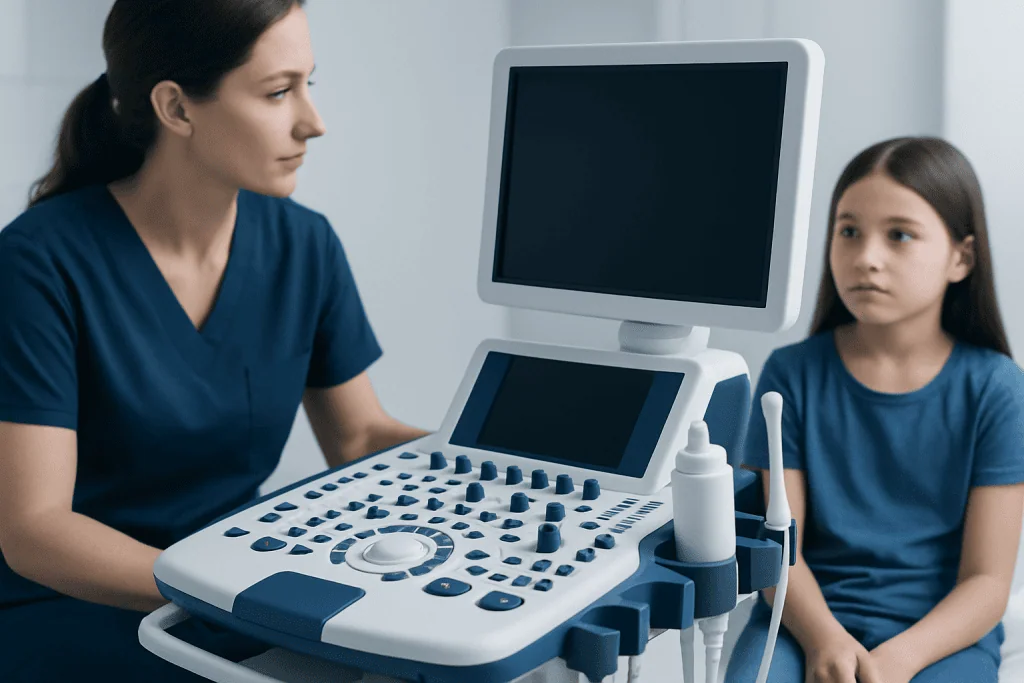
The signs of early puberty disease often mirror normal puberty, but they appear at an unusually young age. In girls, the first sign is commonly breast budding. In boys, early enlargement of the testicles is usually the first reliable sign, though this can be harder for families to notice. Both girls and boys may grow taller quickly over a short period.
Other physical changes can include pubic or underarm hair, stronger body odor, oily skin, and acne. Some girls may later develop menstrual bleeding if puberty continues. Mood changes, growing self-consciousness, or social discomfort can also happen, especially when a child’s body changes earlier than peers.
- Breast development before age 8
- Testicular enlargement before age 9
- Pubic or underarm hair at a young age
- Rapid height increase or growth spurt
- Acne or adult-type body odor
- Early menstrual bleeding in girls
It is important to remember that a single sign does not always mean true early puberty disease. For example, pubic hair alone may be related to early adrenal hormone activity rather than full puberty. A doctor can help distinguish between normal variation, isolated early changes, and a condition that needs treatment.
Why it happens: causes and risk factors

Doctors usually divide early puberty disease into two main types. Central precocious puberty happens when the brain starts the normal puberty process too soon. This is the most common form. In many girls, no specific cause is found. In boys, and in some girls, a medical reason is more likely to be identified and may need further evaluation.
Peripheral precocious puberty is less common and happens when sex hormones are produced without the usual brain signal. This can be linked to conditions affecting the ovaries, testes, adrenal glands, or, rarely, exposure to external hormones. Certain cysts, tumors, or genetic conditions can also play a role.
Risk factors can include a family history of early puberty, some neurologic conditions, previous radiation to the brain, and some endocrine disorders. Excess body weight has also been associated with earlier pubertal timing in some children, especially girls, though weight alone does not explain every case. Occasionally, doctors evaluate for related conditions such as pituitary gland disorders or adrenal problems if symptoms suggest them.
Although possible causes can sound worrying, many children do not have a dangerous underlying illness. The main reason for evaluation is to understand whether puberty is progressing, whether adult height could be affected, and whether the child may benefit from treatment or observation.
How doctors diagnose early puberty disease
Diagnosis begins with a careful medical history and physical exam. The doctor asks when changes began, how quickly they have progressed, whether there is a family pattern of early puberty, and whether the child has had headaches, vision changes, or other symptoms. Height and weight are measured and compared with earlier growth patterns to see whether the child is growing unusually fast.
Blood tests may be used to measure hormones related to puberty. Depending on the situation, the doctor may order tests for luteinizing hormone, follicle-stimulating hormone, estradiol, testosterone, thyroid function, or adrenal hormones. Sometimes a stimulation test is needed to confirm whether the brain has activated puberty.
A bone age X-ray of the hand and wrist is commonly used because it shows whether bones are maturing too quickly. If bone age is advanced, it can suggest that early puberty disease may affect final adult height. Pelvic ultrasound may be helpful in some girls, and testicular or adrenal imaging may be considered in selected cases.
Brain imaging, often with MRI, may be recommended for some children, particularly boys, very young children, or those with neurologic symptoms. This does not mean a serious problem is expected; rather, it helps doctors look for less common causes involving the brain or pituitary area. In many cases, the diagnosis can be made with clinical assessment plus hormone testing and bone age results.
Treatment options and what they aim to do
Treatment for early puberty disease depends on the cause, the child’s age, how quickly puberty is progressing, and whether future height or emotional well-being may be affected. Some children only need regular follow-up visits. If changes are mild and not advancing quickly, careful monitoring may be the safest and most appropriate plan.
For central precocious puberty, doctors may recommend medicines called GnRH analogs, which temporarily pause the brain signals that drive puberty. These medicines do not reverse all body changes immediately, but they can slow further development and help protect adult height. The effect is usually monitored over time with exams, growth measurements, and sometimes repeat tests.
If a specific underlying condition is found, treatment is directed at that cause. For example, a child may need care for a hormone-producing cyst, an adrenal problem, or another endocrine condition. In selected situations, further evaluation may include pediatric endocrinology care and imaging studies or specialist procedures. Related disorders such as adrenal gland tumors are uncommon, but they illustrate why individualized assessment matters.
Families often also need guidance on the emotional side of treatment. Children may feel confused, embarrassed, or different from classmates. Clear explanations at the child’s level, support at school, and reassurance from caregivers can make a meaningful difference during diagnosis and treatment.
Daily support, monitoring, and self-care for families
There is no home remedy that can stop true early puberty disease, but families can play an important role in overall support. Keeping follow-up appointments, tracking growth, and noting new physical changes can help the care team understand whether puberty is stable or progressing. Parents should avoid giving any hormone-containing products unless prescribed and mention any creams, supplements, or medicines the child may have used.
Healthy daily habits are also useful. Balanced nutrition, regular physical activity, and good sleep support a child’s general health. These measures do not replace medical treatment, but they can help with weight management, self-esteem, and routine during a stressful period.
Emotional support is especially important. Children may need simple, age-appropriate explanations about body changes and reassurance that they have done nothing wrong. If a child becomes withdrawn, distressed, or is being teased, parents can speak with the school and ask the medical team whether counseling would help.
In complex cases, multidisciplinary care may be valuable. Near the end of the evaluation pathway, some families choose centers where pediatric, endocrine, radiology, and psychology teams work together. Acibadem International’s multidisciplinary specialists and JCI-accredited hospitals diagnose and treat this condition for international patients when specialized assessment is needed.
When to seek medical care
A child should be evaluated if signs of puberty appear earlier than expected, especially breast development before age 8 or testicular enlargement before age 9. An appointment is also a good idea if pubertal changes seem to be progressing quickly, if a child is growing much faster than usual, or if early menstrual bleeding occurs.
More urgent medical review is important if early puberty signs are accompanied by headaches, vision changes, seizures, severe abdominal pain, or other unusual symptoms. These features do not necessarily mean a serious illness, but they can signal the need for prompt assessment. A qualified doctor can decide which tests, if any, are needed and whether treatment should begin.
Parents should also seek guidance if the child is struggling emotionally, being bullied, or feels distressed by body changes. Early support can help protect confidence and make treatment decisions easier for the family to understand.
Frequently asked questions
Is early puberty disease the same as normal early development?
Not always. Some children have isolated signs such as body odor, pubic hair, or mild breast development without full activation of puberty. A doctor can determine whether these changes represent normal variation, a benign early pattern, or true precocious puberty.
At what age is puberty considered too early?
Doctors generally define early puberty as starting before age 8 in girls and before age 9 in boys. The exact timing and significance depend on the child’s overall growth pattern, exam findings, and how quickly the changes are progressing.
Can early puberty disease affect adult height?
Yes. When puberty starts too soon, bones can mature earlier and growth plates may close sooner than expected. This can lead to a shorter final adult height if progressive early puberty is not recognized and managed when appropriate.
Does every child with early puberty need treatment?
No. Some children only need observation and regular follow-up, especially if signs are mild or not progressing. Treatment is more often considered when puberty is advancing quickly, causing emotional distress, or threatening adult height.
What tests are usually done for early puberty disease?
Doctors often begin with a physical exam, growth review, and blood tests for hormone levels. A bone age X-ray is common, and some children may also need ultrasound or MRI depending on their age, symptoms, and exam findings.
Can early puberty disease be prevented?
Most cases cannot be fully prevented because they are related to internal hormone signaling or medical conditions that families cannot control. Still, avoiding unnecessary exposure to hormone-containing products and attending regular pediatric checkups may help with early recognition.
References
- American Academy of Pediatrics
- National Institute of Child Health and Human Development
- Endocrine Society
- National Institutes of Health
- Mayo Clinic
This article is for general information only and is not a substitute for professional medical advice. Please consult a qualified doctor about your individual situation.
Hair transplant in Turkey — costs, graft counts & a free assessment
JCI-accredited · board-certified surgeons · reply within 24h
Add us as a Preferred Source to see more of our trusted health content across Google Search, AI Overviews and Discover.

More from the Health Library



Related Specialists

Prof. Dr. Hanife Altunkaya
Anesthesiology
Dr. Neslihan Korkmaz
Pediatrics
Dr. Feyha Kahya Aydoğan
Ear Nose & Throat
Prof. Dr. Mehmet Uğur Özbaydar
Orthopedic Surgery & Traumatology