Reconstructive Surgery: Benefits, Risks, and Recovery — A Complete Guide
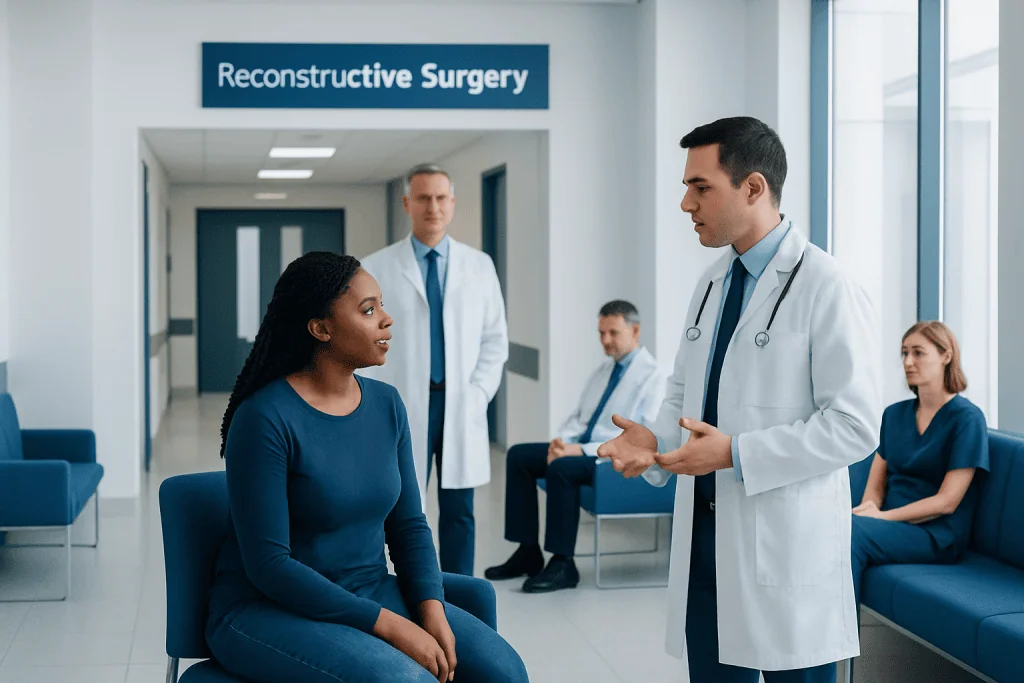
Reconstructive surgery is different from cosmetic surgery because it is performed to repair or restore function, structure, or both. Procedures may involve skin grafts, local tissue rearrangement, implants, or transferring tissue from another part of the body.
Key Takeaways
- Reconstructive surgery is different from cosmetic surgery because it is performed to repair or restore function, structure, or both.
- Procedures may involve skin grafts, local tissue rearrangement, implants, or transferring tissue from another part of the body.
- Benefits can include better healing, improved movement, pain relief, protection of exposed tissues, and a more natural appearance.
- Recovery time varies widely depending on the procedure, body area, and whether microsurgery or tissue transfer is involved.
- As with any operation, risks include bleeding, infection, scarring, anesthesia complications, and the need for further procedures.
- Careful evaluation, realistic expectations, and close follow-up help support safer treatment and better long-term results.
Reconstructive surgery is used to restore appearance, function, or both after injury, illness, cancer treatment, infection, or congenital differences. The best approach depends on the area involved, the person’s overall health, and whether the goal is to improve movement, protect tissues, support healing, or rebuild body shape.
Overview: What reconstructive surgery is and when it is used
Reconstructive surgery is a branch of surgery that repairs body structures affected by injury, disease, cancer treatment, infection, burns, or congenital differences present from birth. Its main purpose is not simply to change appearance, but to restore function, improve healing, protect tissues, and rebuild a more natural form when anatomy has been damaged or altered.
Unlike purely cosmetic procedures, reconstructive surgery is usually recommended because there is a medical need. For example, it may be used to close a wound, rebuild the breast after mastectomy, repair facial injuries, improve hand function, or correct tissue loss after tumor removal. In many cases, the physical and emotional benefits overlap, because restoring shape can also help confidence and day-to-day wellbeing.
The term covers many different operations rather than one single procedure. Treatment can range from relatively small skin repairs to complex microsurgery that moves tissue, blood vessels, and sometimes bone from one area of the body to another. Because the goals vary so much, treatment plans are highly individualized and often involve surgeons from several specialties.
How reconstructive surgery works
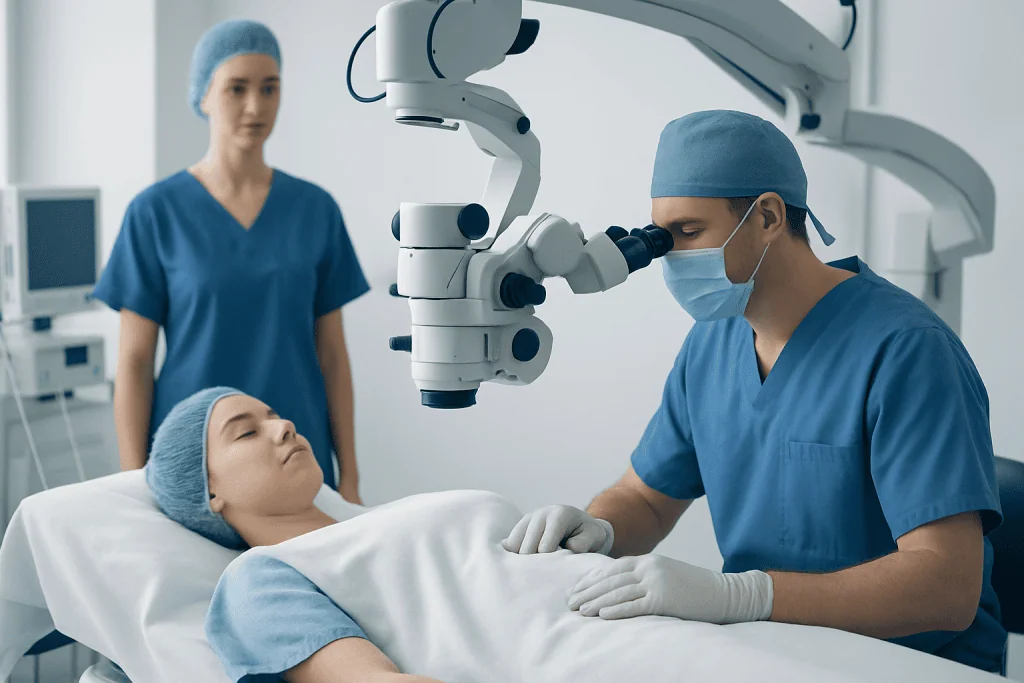
Reconstructive surgery works by replacing, rearranging, supporting, or rebuilding damaged tissue. The technique depends on what has been lost or affected. In some cases, nearby skin and soft tissue can be moved into the area. In others, tissue must be taken from a different body site to provide enough coverage, blood supply, or structural support.
Common methods include primary wound closure, skin grafts, local or regional flaps, free tissue transfer, implant-based reconstruction, scar revision, and staged procedures done over time. Surgeons may also use cartilage, bone, tendon, or synthetic materials when rebuilding complex structures. If function is a major concern, reconstruction may aim to restore movement, speech, swallowing, breathing, or hand use as well as appearance.
Planning usually begins with a detailed assessment of tissue quality, circulation, infection risk, prior surgeries, and overall health. Imaging or specialized tests may be needed for some patients. If cancer treatment is involved, surgeons coordinate timing with oncology, radiation, and other teams. For people who need complex tissue repair, options within plastic and reconstructive surgery may form the basis of care.
Who may be a candidate
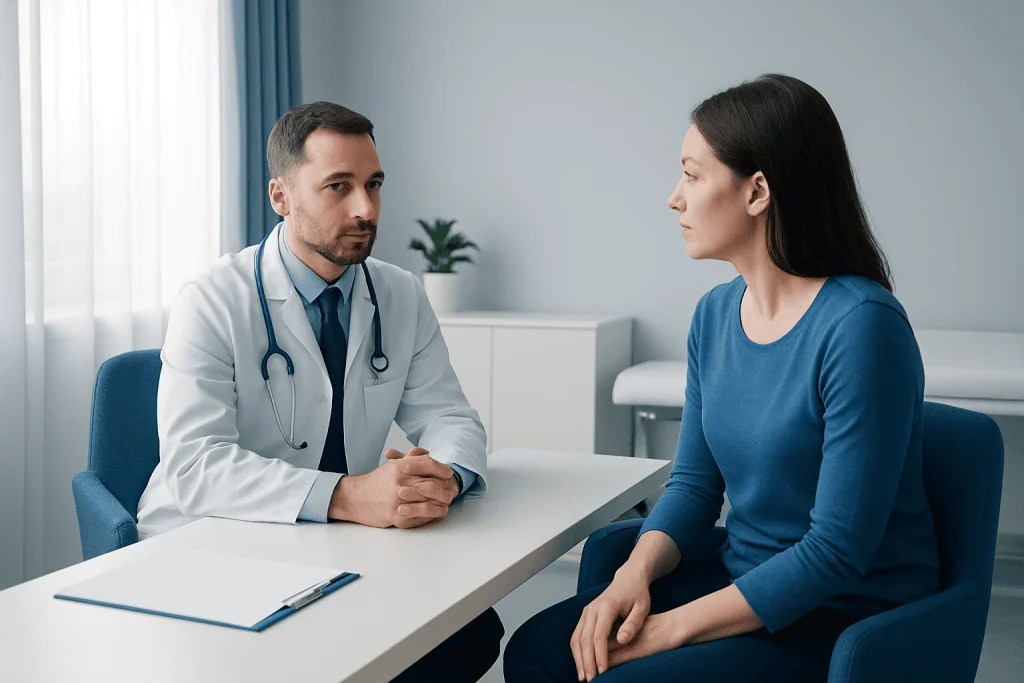
Candidacy for reconstructive surgery depends on the underlying problem and the expected benefit of treatment. A person may be considered when body tissues no longer function properly, when wounds cannot heal well on their own, or when structural changes cause pain, limited movement, difficulty with daily activities, or significant tissue exposure. Reconstruction may also be recommended after treatment for cancer, severe trauma, or major infection.
General health matters because healing depends on circulation, nutrition, and immune function. Smoking, uncontrolled diabetes, certain vascular conditions, and some medications can increase the chance of complications. Age alone does not automatically rule out surgery, but older adults or people with chronic illness may need more careful planning and optimization before an operation.
Good candidates usually understand that reconstruction can improve a problem but may not restore the area exactly to how it looked or worked before. In some situations, several operations are needed to reach the safest and most durable result. A careful consultation helps clarify whether surgery is likely to offer meaningful improvement and what alternatives may exist.
Step by step: what happens before, during, and after the procedure
Before surgery, the patient usually meets the surgical team for examination, photographs, planning, and a discussion of goals. The team reviews medical history, current medicines, allergies, smoking status, prior scars, and any conditions that affect healing. Preoperative testing may include blood work, imaging, or cardiac evaluation when appropriate. Patients are often advised to stop smoking, adjust certain medications, and prepare practical help for the recovery period.
During the operation, anesthesia may be local, regional, sedation-based, or general depending on the complexity of the procedure. The surgeon then removes nonviable tissue if needed, prepares the site, and rebuilds the area using the chosen method. This may involve closing a defect directly, placing a graft, moving a flap, inserting an implant, or reconnecting small blood vessels under magnification in microsurgery. Drains, dressings, splints, or special garments may be used to support early healing.
After surgery, patients are monitored for pain control, circulation, bleeding, wound healing, and signs of infection. Some go home the same day, while others stay in hospital for closer observation, especially after larger reconstructions. Follow-up visits are important to assess how tissues are healing and whether the next stage of care is needed. Depending on the body area, a surgeon may work alongside specialists in wound care, hand surgery, maxillofacial surgery, rehabilitation, or oncology care if reconstruction follows cancer treatment.
Benefits, limits, and possible risks
The benefits of reconstructive surgery depend on the condition being treated. For some patients, the main benefit is restoring function, such as better hand use, easier walking, or protecting structures that would otherwise remain exposed. For others, treatment improves body contour after tissue loss, reduces discomfort from scarring or contracture, or helps clothing and prostheses fit better. Reconstruction can also support emotional recovery by helping the body feel more whole after trauma or illness.
It is equally important to understand the limits of surgery. Reconstructed tissue may look or feel different from the original tissue. Sensation may not fully return, scars are unavoidable, and color or texture may not perfectly match surrounding areas. Some reconstructions are performed in stages, and revision procedures are sometimes needed as swelling settles or healing progresses.
Possible risks include bleeding, infection, fluid collection, poor wound healing, visible scarring, loss of a graft or flap, blood clots, anesthesia-related complications, and unsatisfactory functional or cosmetic outcome. Risk may be higher in smokers, people with poor circulation, those who have had radiation therapy, or patients with complex medical conditions. If reconstruction follows breast cancer or another major illness, the surgeon also considers how timing may affect overall treatment.
Recovery timeline and self-care
Reconstructive surgery recovery can be short or lengthy depending on the extent of tissue repair. Smaller procedures may involve a few days of soreness and a few weeks of wound care, while larger flap-based or microsurgical reconstruction can require a hospital stay and several months of gradual healing. Swelling, bruising, tightness, numbness, and fatigue are common early on and often improve over time.
Patients are usually given instructions on wound care, bathing, activity, positioning, drain care, and when to return for review. Protecting the surgical area is important, especially if the reconstruction affects the face, breast, hand, leg, or an area under pressure. Some people need compression garments, splints, physical therapy, occupational therapy, or scar management to support long-term results. Procedures that restore mobility after burns or trauma may also be coordinated with physical therapy and rehabilitation.
Healing is not only about the incision. Good nutrition, stopping smoking, managing blood sugar, sleeping well, and following movement restrictions can all affect recovery. Patients should contact their care team if they notice worsening pain, fever, spreading redness, foul-smelling drainage, sudden swelling, shortness of breath, or color changes in reconstructed tissue. These symptoms do not always mean a serious problem, but prompt review is important.
When to seek medical care
Medical care should be sought when a wound is deep, does not heal, exposes underlying tissue, or follows major trauma, burns, or surgery. A doctor should also assess scars that limit movement, facial injuries that affect breathing or eating, and defects left after tumor removal. Early referral can expand the range of reconstructive options and may improve tissue preservation.
Urgent evaluation is especially important if there are signs of infection, severe pain, loss of function, reduced blood flow, or rapidly changing skin color around a repaired area. People recovering from surgery should not wait if they have heavy bleeding, sudden swelling, chest pain, or shortness of breath. These symptoms need prompt medical attention.
For planned reconstruction, consultation is helpful when a person wants to understand whether surgery may improve function, healing, or appearance after a medical condition or injury. In complex cases, multidisciplinary assessment can be valuable. Acibadem International’s multidisciplinary specialists in JCI-accredited hospitals diagnose and treat patients who need reconstructive care, including those requiring coordinated breast reconstruction after cancer-related surgery.
Frequently asked questions
What is the difference between reconstructive surgery and cosmetic surgery?
Reconstructive surgery is performed to repair or restore body structures affected by a medical problem such as injury, cancer, burns, infection, or a congenital difference. Cosmetic surgery is generally done to enhance appearance in otherwise healthy tissues. Some procedures can have both reconstructive and cosmetic aspects, depending on the reason for treatment.
Is reconstructive surgery always medically necessary?
Not every case is urgent, but reconstructive surgery is usually recommended because it addresses a functional or structural problem rather than appearance alone. It may help close wounds, improve movement, protect exposed tissue, or rebuild areas altered by disease or treatment. A surgeon can explain whether the expected benefit is mainly functional, protective, aesthetic, or a combination.
How long does reconstructive surgery recovery take?
Recovery varies widely based on the size and complexity of the procedure, the body area involved, and the person’s general health. Minor repairs may heal over a few weeks, while more complex reconstruction can take several months and may include more than one stage. Follow-up visits are important because healing and final results develop gradually.
Will reconstructive surgery leave scars?
Yes, all surgery leaves some degree of scarring. The aim is to place and manage scars carefully while achieving the main goal of restoring function and structure. Over time, many scars soften and fade, and treatments such as silicone therapy, massage, or revision may be advised in selected cases.
What are the main risks of reconstructive surgery?
The main risks include bleeding, infection, delayed healing, fluid buildup, scarring, anesthesia-related problems, and the possibility that a graft, flap, or implant may not heal as expected. Some patients also need further procedures to refine the result. Individual risk depends on the operation and on factors such as smoking, diabetes, circulation, and prior radiation treatment.
Can reconstructive surgery be done after cancer treatment?
Yes, reconstruction is often part of care after cancer surgery, although timing varies. Some procedures are done immediately, while others are delayed until after recovery or additional treatments such as chemotherapy or radiation. Coordination between surgical and oncology teams helps choose the safest and most appropriate plan.
References
- American Society of Plastic Surgeons
- National Health Service
- Mayo Clinic
- MedlinePlus
- National Cancer Institute
This article is for general information only and is not a substitute for professional medical advice. Please consult a qualified doctor about your individual situation.
Reconstructive Surgery in Turkey — costs, top hospitals & a free quote
JCI-accredited · board-certified surgeons · reply within 24h
Add us as a Preferred Source to see more of our trusted health content across Google Search, AI Overviews and Discover.