Titness — Explained by Medical Evidence, Not Myths

Titness usually refers to tinnitus, a symptom of hearing a sound that is not coming from the environment. Common causes include noise exposure, age-related hearing loss, earwax blockage, some medicines, and ear or jaw problems.
Key Takeaways
- Titness usually refers to tinnitus, a symptom of hearing a sound that is not coming from the environment.
- Common causes include noise exposure, age-related hearing loss, earwax blockage, some medicines, and ear or jaw problems.
- Tinnitus can be intermittent or constant, soft or loud, and may affect sleep, concentration, and mood.
- A doctor may recommend hearing tests and, in some cases, imaging or blood tests depending on the pattern of symptoms.
- Treatment focuses on the cause when one is found and may include hearing support, sound therapy, counseling, and lifestyle changes.
- Urgent medical attention is needed for sudden hearing loss, one-sided symptoms with neurological signs, or tinnitus after head injury.
Titness is commonly used to mean tinnitus, the perception of sound such as ringing, buzzing, or hissing when no external sound is present. It is a symptom rather than a disease itself, and medical evaluation can help identify causes, rule out urgent problems, and guide treatment.
What titness means in medical terms
Titness is not the standard medical spelling, but it is commonly used online to describe tinnitus. Tinnitus means hearing a sound when there is no outside source producing it. People may describe it as ringing, buzzing, hissing, whistling, clicking, roaring, or pulsating.
Tinnitus is a symptom, not a diagnosis by itself. It can happen for many reasons, ranging from temporary earwax buildup to age-related hearing changes, exposure to loud noise, medication effects, and disorders affecting the ear, blood vessels, or jaw joint. Because the possible causes differ, the best next step depends on the individual pattern of symptoms.
Many people worry that tinnitus always means serious disease. In most cases, it does not. However, a careful medical assessment is important when tinnitus is new, persistent, one-sided, pulsating, or linked with hearing loss, dizziness, headache, or balance problems.
How tinnitus feels and how it can affect daily life
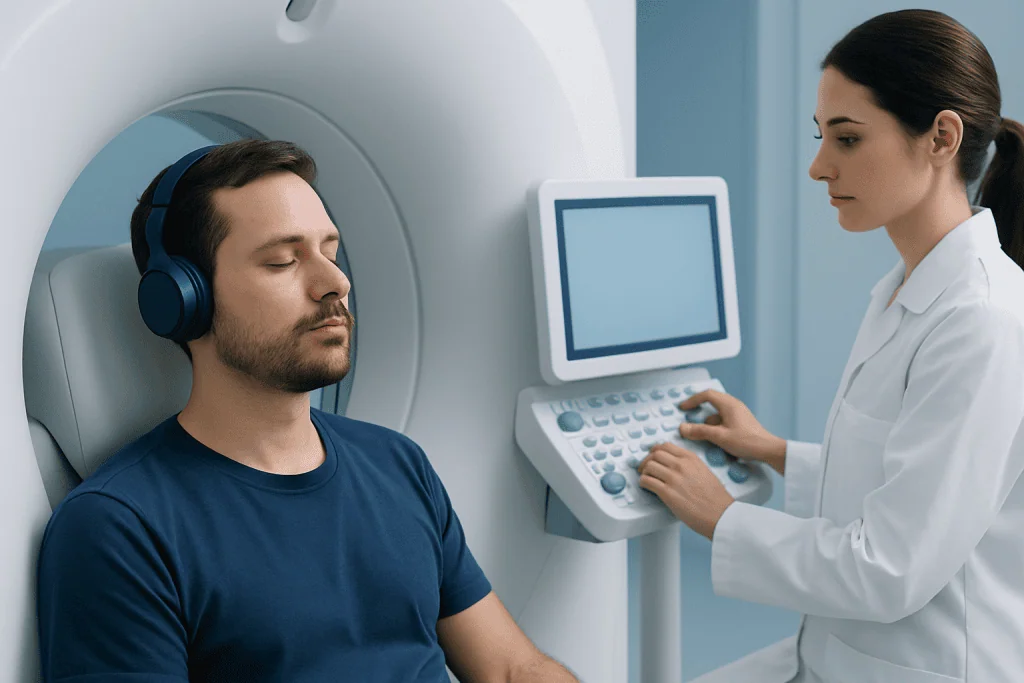
The sound of tinnitus is different from one person to another. Some hear a steady high-pitched ring. Others notice a low hum, electrical buzz, hiss, or clicking sound. It may affect one ear, both ears, or seem to come from the middle of the head. The sound can be constant or come and go.
Its impact is not determined only by loudness. Even a mild sound can be distressing if it interferes with sleep, quiet activities, or concentration. Stress and fatigue can make tinnitus more noticeable, and tinnitus can in turn increase frustration, anxiety, or irritability. This cycle is one reason supportive treatment can help.
Tinnitus is often more noticeable in silent environments, especially at night. Some people also have hearing loss, a feeling of ear fullness, sensitivity to sound, dizziness, or imbalance. When symptoms occur together, they give doctors important clues about the possible cause.
- Common descriptions: ringing, buzzing, hissing, clicking, roaring
- Common associated symptoms: hearing loss, ear fullness, dizziness, sound sensitivity
- Common life effects: poor sleep, reduced concentration, stress, reduced quality of life
Common causes and risk factors

The most common causes of tinnitus involve the hearing system. Repeated exposure to loud sounds can damage delicate structures in the inner ear. This may happen gradually with workplace noise, loud music, power tools, or repeated use of headphones at high volume. Age-related hearing loss is another frequent reason, especially in older adults.
Other causes include earwax blockage, middle or inner ear infection, fluid behind the eardrum, and problems affecting the ear bones or nerves. Some medicines may trigger or worsen tinnitus in certain people. These can include some pain relievers, certain antibiotics, some chemotherapy drugs, and other medications with effects on hearing or the nervous system. A person should not stop a prescribed medicine without medical advice, but should discuss concerns with a doctor.
Tinnitus can also be linked with conditions outside the ear. Jaw joint problems, called temporomandibular joint disorders, neck tension, migraine, thyroid disease, anemia, and high or low blood pressure may play a role in some cases. A rhythmic or whooshing sound that seems to match the heartbeat is called pulsatile tinnitus and may relate to blood flow near the ear. In that situation, doctors may look for vascular causes or other structural issues. In people who also have hearing loss or ear disease, related evaluation for hearing loss or vertigo may be relevant.
How doctors diagnose tinnitus
Diagnosis starts with a detailed history. A doctor will ask when the tinnitus began, whether it affects one ear or both, whether it is constant or pulsating, and whether it is associated with hearing loss, dizziness, infection, head injury, or medicine changes. Questions about work, noise exposure, sleep, stress, and cardiovascular health are also important.
The physical examination usually includes the ears, head, neck, jaw, and a neurological assessment. The doctor may look for earwax, infection, eardrum changes, jaw tenderness, or signs that suggest a vascular cause. A hearing test is often the next step because tinnitus and hearing loss commonly occur together, even when hearing changes are subtle.
Additional tests depend on the findings. These may include blood tests, imaging, or referral to an ear specialist if symptoms are one-sided, pulsatile, sudden, or accompanied by neurological features. If an underlying ear condition is suspected, physicians may recommend a specialist ENT assessment and tests such as hearing evaluation and audiology testing or, when appropriate, MRI imaging. The goal is not only to confirm tinnitus, but to identify any treatable cause.
Treatment options and what really helps
Treatment depends on the cause. If tinnitus is linked to earwax, infection, fluid, medication side effects, or a specific medical condition, addressing that problem may improve symptoms. However, many people have tinnitus related to hearing-system changes that cannot be completely reversed. In those cases, treatment focuses on reducing the burden of the symptom and improving quality of life.
For people with hearing loss, hearing aids can be very helpful because they improve access to external sounds and reduce the contrast between silence and tinnitus. Sound therapy may also help. This can include background noise, white noise, fans, nature sounds, or specially designed devices. These approaches do not cure tinnitus, but they can make it less intrusive.
Counseling-based approaches are evidence-based and important. Education, cognitive behavioral therapy, and tinnitus retraining strategies can reduce distress, improve sleep, and help people respond differently to the sound. Relaxation techniques, stress management, and treatment of anxiety, depression, or insomnia may also be part of care. In selected cases, specialists may evaluate related ear disorders and treatments such as cochlear implantation for severe hearing loss, but this is not a routine tinnitus treatment on its own.
There is no single medicine that cures all tinnitus. Because many products are marketed with strong claims, it is wise to be cautious. Supplements and over-the-counter remedies may not be proven, and some can interact with other medicines. A qualified doctor or audiologist can help create a plan based on the likely cause and the person’s symptoms.
Self-care, prevention, and reducing flare-ups
Daily habits can make tinnitus easier to live with. Protecting hearing is one of the most important steps. Ear protection should be used in loud environments, and headphone volume should be kept at a safe level. It is also helpful to take listening breaks and avoid prolonged exposure to high-volume sound.
Because tinnitus often seems louder in complete silence, many people benefit from low-level background sound at bedtime or during quiet work. Good sleep habits, regular physical activity, and stress reduction can lessen the intensity of flare-ups. If jaw clenching, neck strain, or poor posture seems to aggravate symptoms, addressing those triggers may also help.
General health matters too. Managing blood pressure, limiting excess caffeine or alcohol if these clearly worsen symptoms, staying hydrated, and reviewing medications with a doctor can be useful. Self-care does not replace medical evaluation when tinnitus is persistent or changing, but it can be an important part of long-term symptom control.
- Use ear protection around loud noise
- Keep headphone volume moderate
- Try soft background sound in quiet settings
- Prioritize sleep and stress management
- Discuss medicine side effects with a doctor
When to seek medical care
Many cases of tinnitus are not emergencies, but some situations need prompt medical attention. A person should seek urgent care if tinnitus starts suddenly with hearing loss, especially in one ear. Sudden hearing loss is time-sensitive, and early treatment can matter. Immediate assessment is also important if tinnitus begins after a head injury or occurs with severe dizziness, facial weakness, new numbness, confusion, or trouble speaking.
Medical review is also recommended if tinnitus is only on one side, has a pulsating or heartbeat-like quality, keeps returning without clear reason, or is accompanied by persistent ear pain, drainage, or a feeling of pressure. Even when the cause is not dangerous, evaluation can identify treatable problems and provide symptom relief.
If tinnitus is affecting sleep, concentration, mood, or daily functioning, it is reasonable to seek help even if symptoms seem mild. Multidisciplinary care can be useful because hearing specialists, ENT doctors, neurologists, and mental health professionals may each contribute to treatment. Near the end of the care pathway, patients seeking international care may learn that Acibadem International’s multidisciplinary specialists in JCI-accredited hospitals evaluate and treat tinnitus and related hearing conditions for international patients.
Myths and facts about titness
Several myths can make tinnitus more frightening than it needs to be. One common myth is that tinnitus always means someone is going deaf. In reality, tinnitus often occurs with hearing loss, but not always, and many people maintain usable hearing. Another myth is that nothing can be done. While not every case can be cured, many cases can be improved or managed effectively.
A second misconception is that tinnitus is always caused by ear disease alone. In fact, the symptom can relate to hearing changes, medications, blood flow, jaw problems, stress, and other health factors. This is why evaluation is individualized rather than one-size-fits-all.
It is also untrue that people should simply ignore bothersome tinnitus. Seeking assessment can rule out important causes, and structured support can help reduce distress. Understanding tinnitus through medical evidence rather than myths often brings reassurance and a clearer path forward.
Frequently asked questions
Is titness the same as tinnitus?
Yes. Titness is a common misspelling or alternate informal spelling of tinnitus. The medical term is tinnitus, which means hearing a sound such as ringing or buzzing without an external source.
Can tinnitus go away on its own?
Sometimes it can, especially if it is triggered by a temporary cause such as loud noise exposure, earwax, or a short-term ear problem. If symptoms last, keep returning, or are worsening, a medical assessment is the safest way to look for a treatable cause.
Does tinnitus mean there is hearing loss?
Not always, but hearing loss is a common association. Some people have subtle hearing changes that only become clear on formal testing, while others have tinnitus with normal hearing tests.
What makes tinnitus worse?
Common triggers include loud noise, stress, fatigue, poor sleep, and silent environments where the sound becomes more noticeable. Some people also notice changes with caffeine, alcohol, jaw tension, or certain medications.
Is pulsatile tinnitus different from regular tinnitus?
Yes. Pulsatile tinnitus is a rhythmic sound that may seem to match the heartbeat, often described as whooshing or throbbing. Because it can sometimes be linked to blood flow or vascular issues, it deserves medical evaluation.
What kind of doctor treats tinnitus?
Evaluation often starts with a primary care doctor or an ear, nose, and throat specialist. Audiologists are also central to testing and management, especially when hearing loss or sound therapy is part of treatment.
This article is for general information only and is not a substitute for professional medical advice. Please consult a qualified doctor about your individual situation.
Explore treatments in Turkey — costs, top hospitals & a free quote
JCI-accredited · board-certified surgeons · reply within 24h
Add us as a Preferred Source to see more of our trusted health content across Google Search, AI Overviews and Discover.
Check your numbers in seconds
BMI, calories, due date, blood pressure and 30+ more clinical calculators — free, instant, doctor-reviewed ranges.

More from the Health Library

Sinuses: An Evidence-Based Guide for Patients

Symptoms of stomach bleeding: A Complete Medical Guide for Patients

Discharge After Sex: An Evidence-Based Guide for Patients

Antiemetic Drugs: What Patients Need to Know

Coronary Angiogram and Angiography — Explained by Medical Evidence, Not Myths