

Sigmoidoscopy: Candidacy, Procedure Steps, and Recovery Timeline
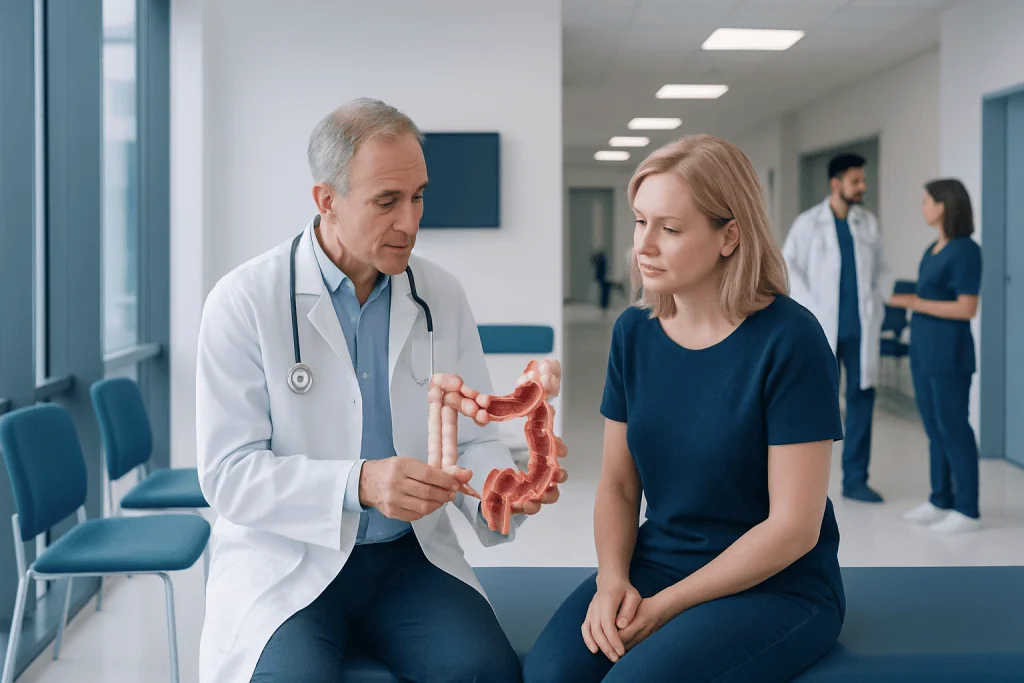
Sigmoidoscopy checks the rectum and sigmoid colon for inflammation, polyps, bleeding, and other abnormalities. It is often recommended for symptoms affecting the lower bowel or for follow-up of certain colon conditions.
Key Takeaways
- Sigmoidoscopy checks the rectum and sigmoid colon for inflammation, polyps, bleeding, and other abnormalities.
- It is often recommended for symptoms affecting the lower bowel or for follow-up of certain colon conditions.
- The procedure is usually brief, and recovery is typically quick with a return to normal activities the same day or soon after.
- Bowel preparation is usually simpler than for a full colonoscopy, but instructions should be followed carefully.
- Although generally safe, sigmoidoscopy can occasionally cause bleeding, discomfort, or rarely a bowel injury.
- Medical advice is important if severe pain, fever, heavy bleeding, or ongoing symptoms develop after the test.
Sigmoidoscopy is a test that lets a doctor examine the rectum and lower part of the colon using a thin, flexible tube with a camera. It is commonly used to investigate symptoms such as rectal bleeding, changes in bowel habits, or abdominal discomfort, and most people go home shortly after the procedure.
Overview: what sigmoidoscopy is and why it is done
Sigmoidoscopy is a procedure used to look inside the rectum and the lower section of the large intestine, called the sigmoid colon. A doctor uses a slender, flexible tube with a light and camera to examine the lining of the bowel. This helps identify visible causes of symptoms and can also allow small tissue samples to be taken for testing.
It is commonly performed when a person has rectal bleeding, ongoing diarrhea, constipation, unexplained changes in bowel habits, lower abdominal pain, or suspicion of inflammation in the lower colon. In some cases, it is also used to monitor known bowel diseases or to follow up abnormal imaging or stool test results.
Compared with a full colonoscopy, sigmoidoscopy examines a shorter portion of the colon. Because of this, preparation is often simpler and the procedure may be quicker. However, it does not evaluate the entire large intestine, so a doctor may recommend a full colonoscopy if symptoms, test results, or personal risk factors suggest that a more complete examination is needed.
Who may need a sigmoidoscopy
A doctor may recommend sigmoidoscopy for adults who have symptoms that appear to come from the lower bowel. These may include blood in the stool, mucus discharge, a change in stool shape, persistent urgency, unexplained anemia, or discomfort around the rectum or lower abdomen. The test can be especially helpful when symptoms have lasted longer than expected or have not improved with initial treatment.
It may also be used in the assessment or follow-up of conditions such as inflammation of the bowel lining, lower-colon polyps, or suspected colon cancer affecting the distal colon. In people with established inflammatory bowel disease, a doctor may use sigmoidoscopy to assess disease activity in the lower colon, particularly when ulcerative colitis is a concern.
Sigmoidoscopy may not be the best choice for everyone. A different test may be advised if the doctor needs to inspect the entire colon, remove larger polyps, evaluate unexplained weight loss, or investigate symptoms that suggest disease higher up in the bowel. Pregnancy, severe active bowel inflammation, recent abdominal surgery, or certain heart and lung conditions may also affect the timing or planning of the procedure, so the medical team will review overall health beforehand.
How to prepare for the procedure
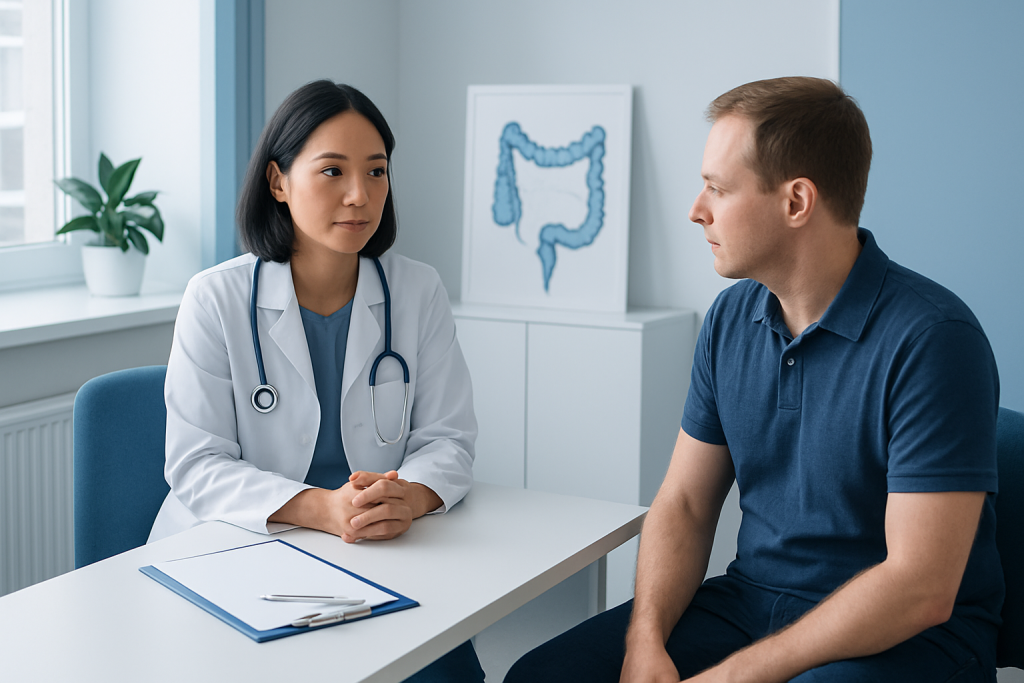
Preparation for sigmoidoscopy is usually more limited than for colonoscopy, but it is still important because any remaining stool can block the view. The exact instructions vary by hospital and by the reason for the test. Many patients are asked to follow a clear-liquid diet for part of the day before the procedure, use an enema shortly beforehand, or take a mild bowel-cleansing medicine.
The doctor will also review current medications, allergies, and medical conditions. Blood thinners, iron supplements, diabetes medicines, and some anti-inflammatory drugs may need special instructions. Patients should never stop prescribed medication without checking with the doctor who ordered the test.
People should ask whether sedation will be used. Many sigmoidoscopies are done without sedation, which means patients may be able to return to normal activities sooner. If sedation is planned, the person usually needs someone to accompany them home and should avoid driving or important decisions until the effects fully wear off.
- Follow bowel prep instructions exactly.
- Tell the care team about all medicines and supplements.
- Report allergies, bleeding disorders, or pregnancy.
- Ask in advance whether sedation will be used.
Step by step: what happens during a sigmoidoscopy
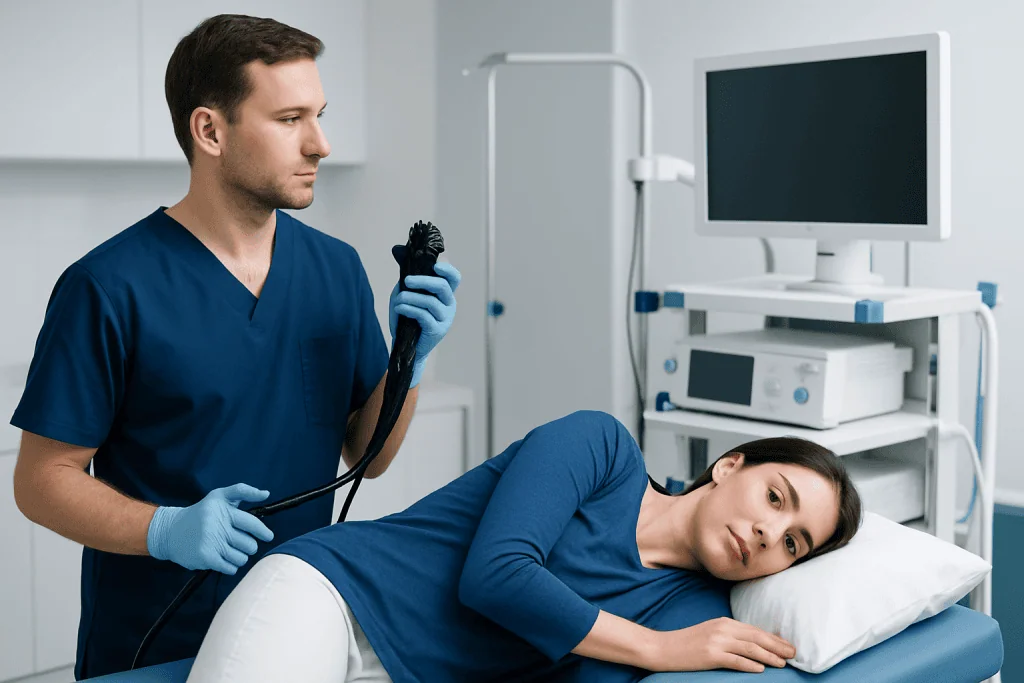
At the hospital or endoscopy unit, the patient changes into a gown and is usually asked to lie on the left side with the knees bent. The care team may first check vital signs and explain the procedure again. If sedation is not being used, the person remains awake but guided throughout the test.
The doctor gently inserts the lubricated sigmoidoscope into the rectum and advances it slowly into the sigmoid colon. A small amount of air or carbon dioxide may be introduced to open the bowel slightly so the lining can be seen more clearly. This can create a sensation of pressure, fullness, or a brief urge to pass gas, but these feelings usually settle once the scope is removed.
As the doctor inspects the bowel lining, images are viewed on a monitor. If an abnormal area is seen, a biopsy may be taken using small instruments passed through the scope. Small polyps may sometimes be removed, though larger growths usually require a different procedure. The examination itself often takes only a short time, though timing can vary depending on whether samples are taken or treatment is needed. In some care pathways, sigmoidoscopy is part of a broader gastroenterology evaluation for ongoing digestive symptoms.
Recovery timeline and what to expect afterward
Most people recover quickly after sigmoidoscopy. If no sedation was used, it is often possible to get dressed, discuss initial findings with the doctor, and go home shortly after the test. Mild bloating, cramping, or gas can occur for a few hours because of the air introduced during the exam.
If sedation was used, a short period of monitoring is usually needed until the person is alert and comfortable. Drowsiness can last for the rest of the day, so rest is recommended. Eating and drinking can usually resume fairly soon unless the doctor gives different instructions.
After a biopsy, there may be a small amount of blood on the toilet tissue or in the first bowel movement. This is often minor and temporary. Biopsy results are not usually immediate, so the full report may come later. Most patients return to routine activities within the same day or by the next day, although the timeline may be longer if additional treatment was performed.
Benefits, limits, and possible risks
The main benefit of sigmoidoscopy is that it gives a direct view of the lower bowel lining and can help explain symptoms more clearly than symptoms alone, stool tests, or physical examination. It can identify inflammation, ulcers, hemorrhoid-related bleeding sources near the lower bowel, diverticular changes in the examined segment, and suspicious growths. It may also provide tissue samples that guide diagnosis and treatment.
Another advantage is that it is often less invasive and easier to prepare for than a full colonoscopy. Some people do not need sedation, which can make recovery faster. For targeted lower-bowel symptoms, this focused approach can be an efficient and practical first step.
Still, sigmoidoscopy has limits. It does not inspect the entire colon, so disease in the upper colon may be missed. Risks are uncommon but can include bleeding, especially after biopsy or polyp removal, infection, temporary abdominal discomfort, and very rarely perforation, which is a tear in the bowel wall. The doctor balances these risks against the expected benefit before recommending the procedure. If more extensive treatment is needed, options may include general surgery or a full endoscopic evaluation, depending on the findings.
When to seek medical care
Medical advice should be sought if bowel symptoms are persistent, worsening, or associated with warning signs. These include repeated rectal bleeding, black stools, unexplained weight loss, ongoing abdominal pain, new constipation lasting more than expected, fever, or fatigue linked to possible anemia. Early assessment can help identify whether sigmoidoscopy or another test is the most suitable next step.
After the procedure, urgent medical care is important if there is severe or increasing abdominal pain, heavy rectal bleeding, dizziness, fainting, fever, or vomiting. These symptoms are uncommon, but they need prompt evaluation because they may suggest a complication.
For international patients who need assessment or treatment planning, Acibadem International’s multidisciplinary specialists in JCI-accredited hospitals diagnose and treat colorectal conditions using modern endoscopic and surgical services. The medical team can explain whether sigmoidoscopy, colonoscopy, imaging, or another approach is most appropriate based on the person’s symptoms and history.
Frequently asked questions
Is sigmoidoscopy painful?
Most people describe sigmoidoscopy as uncomfortable rather than painful. There may be pressure, cramping, or a feeling of needing to pass gas while the scope is in place. These sensations usually improve quickly once the procedure ends.
How long does a sigmoidoscopy take?
The examination itself is usually brief, often around 10 to 20 minutes, though the total visit may take longer. Extra time may be needed for preparation, recovery, or if biopsies are taken. The doctor can give a more specific estimate based on the reason for the test.
What is the difference between sigmoidoscopy and colonoscopy?
Sigmoidoscopy examines the rectum and lower part of the colon, while colonoscopy evaluates the entire colon. Because it covers a shorter area, sigmoidoscopy often requires simpler preparation and may not need sedation. Colonoscopy is preferred when a full-colon examination is necessary.
Can I eat after a sigmoidoscopy?
In many cases, yes, normal eating and drinking can resume soon after the test. If sedation was used or a biopsy was taken, the doctor may suggest waiting briefly or starting with light foods. It is best to follow the discharge instructions given by the care team.
Will I need someone to take me home?
If no sedation is used, many people can go home on their own and return to normal activities fairly quickly. If sedation is given, someone usually needs to accompany the patient home. Driving and important decisions should be avoided until the sedative effects have fully worn off.
Can sigmoidoscopy detect cancer?
Sigmoidoscopy can detect suspicious growths or abnormal tissue in the rectum and sigmoid colon. It can also identify polyps that may need biopsy or removal. However, because it does not examine the whole colon, it cannot rule out abnormalities located higher in the bowel.
References
- American Society for Gastrointestinal Endoscopy
- National Institute of Diabetes and Digestive and Kidney Diseases
- National Health Service
- Mayo Clinic
- American College of Gastroenterology
This article is for general information only and is not a substitute for professional medical advice. Please consult a qualified doctor about your individual situation.
Persistent digestive symptoms? Get evaluated in Turkey
JCI-accredited · board-certified surgeons · reply within 24h
Add us as a Preferred Source to see more of our trusted health content across Google Search, AI Overviews and Discover.

More from the Health Library


Related Specialists

Prof. Dr. Şenol Polat
Otorhinolaryngology
Ody. Özlem Balcı
Audiology
Dr. Sirri Baştürk
Orthopedic Surgery & Traumatology
Assoc. Prof. Dr. Şafak Yılmaz Baran
Gynecology & Obstetrics