Over the Counter Pain Relievers for Tooth Pain: Possible Causes and When to Seek Care

Over-the-counter pain relievers can ease tooth pain temporarily but do not fix the dental problem. Tooth pain may come from decay, infection, gum disease, injury, grinding, or a damaged filling or crown.
Key Takeaways
- Over-the-counter pain relievers can ease tooth pain temporarily but do not fix the dental problem.
- Tooth pain may come from decay, infection, gum disease, injury, grinding, or a damaged filling or crown.
- Pain with swelling, fever, trouble swallowing, or spreading redness needs prompt medical or dental assessment.
- Home care should be gentle and short term, including careful oral hygiene and avoiding triggers such as very hot or cold foods.
- A dentist can identify the source and recommend treatment such as a filling, root canal, gum treatment, or extraction when needed.
Over the counter pain relievers for tooth pain may help reduce discomfort for a short time, especially while a person waits to see a dentist. However, tooth pain often signals an underlying problem such as decay, infection, gum disease, or a cracked tooth, so lasting relief usually depends on treating the cause.
Overview: can over-the-counter pain relievers help tooth pain?
Over the counter pain relievers for tooth pain can help lower pain and inflammation for a limited time, which may make it easier to eat, sleep, or wait for a dental appointment. They are best understood as short-term symptom relief rather than a cure, because tooth pain often comes from a problem inside the tooth or surrounding gum that needs professional treatment.
People commonly develop tooth pain because of cavities, irritation of the tooth nerve, gum infection, a cracked tooth, teeth grinding, or a loose filling or crown. In some cases, pain felt in the teeth may even come from the jaw joint or nearby sinuses. The pattern of pain matters: sharp pain with cold, throbbing pain that lingers, pain when biting, or swelling around the gum can each point to different causes.
A practical approach is to use over-the-counter pain relief only as a temporary measure, while arranging dental care if the pain is more than mild or does not settle quickly. If pain is severe or comes with facial swelling, fever, or difficulty opening the mouth, it should not be treated as a routine toothache.
Which pain relievers are used, and what are their limits?
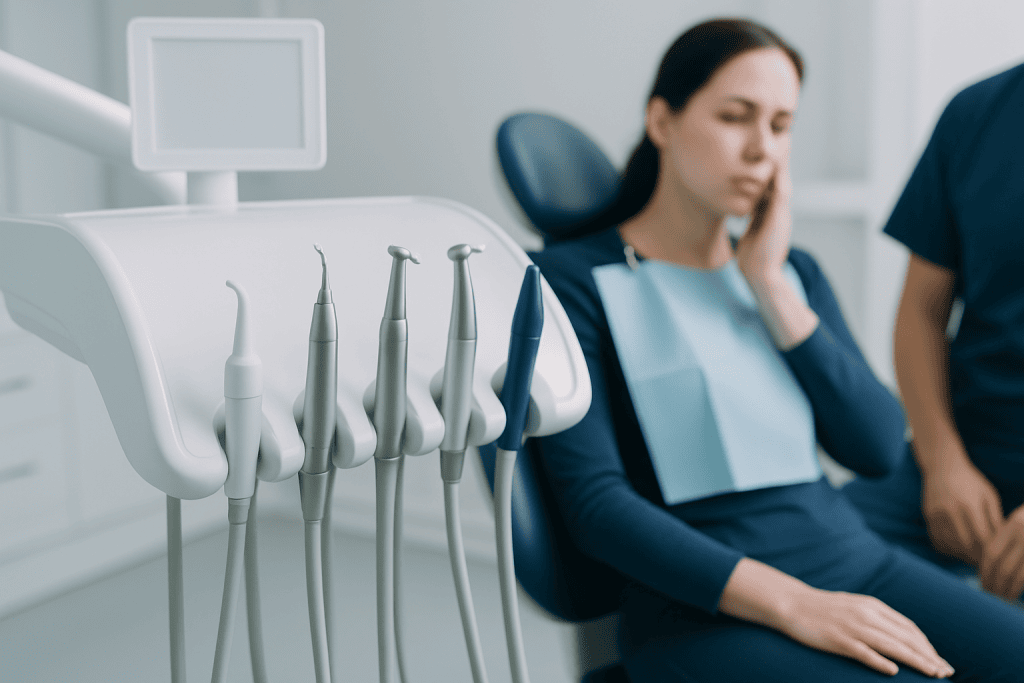
Nonprescription pain medicines commonly used for tooth pain include acetaminophen and nonsteroidal anti-inflammatory drugs, often called NSAIDs, such as ibuprofen or naproxen. These medicines can reduce discomfort, and NSAIDs may be especially helpful when inflammation around the tooth or gum is contributing to pain. For some people, these options provide enough temporary relief until the underlying issue is diagnosed.
Even when they help, these medicines have limits. They do not remove decay, drain an abscess, repair a cracked tooth, or treat gum disease. If pain returns when the medicine wears off, that is a sign the source is still present. Using more than the recommended amount can be harmful, especially for the liver, kidneys, stomach, or heart, depending on the medication and the person’s health history.
Some people should be particularly cautious with over-the-counter pain relievers, including those who are pregnant, take blood thinners, have stomach ulcers, kidney disease, liver disease, uncontrolled high blood pressure, or a history of medication allergies. A pharmacist, dentist, or doctor can help choose the safest option. Aspirin should not be placed directly on the tooth or gum, because it can irritate or burn soft tissue and does not treat the source of pain.
- Use only the label instructions unless a clinician advises otherwise.
- Avoid combining multiple medicines with the same active ingredient.
- Do not rely on pain medicine for ongoing or worsening tooth pain.
- Children should only receive age-appropriate products and dosing guidance.
Possible causes of tooth pain

Tooth pain is a symptom rather than a diagnosis. One of the most common causes is tooth decay, where bacteria damage the enamel and dentin and eventually irritate the inner pulp. If the pulp becomes inflamed or infected, the pain may become deep, throbbing, and persistent. People may notice sensitivity first, then worsening pain that lasts after hot, cold, or sweet foods are removed.
Other causes include a cracked tooth, a damaged filling, worn enamel from grinding, gum recession that exposes sensitive root surfaces, and periodontal infection. Pain with biting can suggest a crack or inflammation around the root. Pain with cold may happen when the tooth surface is exposed, while spontaneous pain that wakes a person at night may suggest deeper nerve involvement. Problems with the jaw joint or sinus pressure can also mimic toothache in the upper teeth.
Sometimes tooth pain develops because infection spreads beyond the tooth into nearby tissues. This may happen with a dental abscess, which can cause swelling, tenderness, bad taste in the mouth, and sometimes fever. Conditions such as gum disease may also cause aching, bleeding gums, or loose teeth over time. Because different causes can feel similar, a dental examination is often needed to tell them apart.
Clues that can help identify the source
The details of the pain can offer useful clues, even before a dentist examines the mouth. Brief sensitivity to cold or sweets may happen with early decay, exposed dentin, or gum recession. Lingering pain after hot or cold exposure can suggest inflammation deeper inside the tooth. Sharp pain when chewing may point to a crack, a loose restoration, or inflammation around the root.
Swelling of the gum, a small pimple-like bump near a tooth, a foul taste, or tenderness to touch can suggest infection. Dull pressure in several upper back teeth together with a blocked nose may reflect sinus-related pain rather than a dental cavity. Jaw soreness in the morning or generalized tooth sensitivity can occur with clenching or grinding, which puts repeated stress on the teeth.
These clues are helpful, but they are not a substitute for diagnosis. Two different conditions may produce similar symptoms, and the same condition can present differently in different people. If pain lasts more than a day or two, is recurrent, or keeps returning after temporary improvement, professional evaluation is the safest next step.
Diagnosis: how dentists find the cause
Diagnosis begins with a conversation about when the pain started, what makes it worse, whether there has been recent dental work, and whether there are symptoms such as swelling, fever, or sensitivity to temperature. The dentist then examines the teeth, gums, bite, tongue, and surrounding soft tissues. Tapping on the tooth, checking gum pockets, and testing response to hot or cold may help identify the involved area.
Dental X-rays are often used to look for decay between teeth, infection around the root, bone loss, or problems under existing fillings and crowns. In some cases, additional imaging or bite tests may be needed if a crack is suspected. If the dentist thinks the pain may be coming from the sinuses, jaw joint, or another non-dental source, they may recommend assessment by the appropriate specialist.
Once the cause is clear, treatment can be directed to the source rather than just the symptom. This is the main reason persistent tooth pain should not be managed only with over-the-counter medicines. The longer the cause is left untreated, the more likely it is to progress into a larger and more complex problem.
Treatment options beyond pain relief
The right treatment depends on the diagnosis. Cavities may be treated with dental fillings if the damage is limited. If the inner pulp is inflamed or infected, root canal treatment may be recommended to remove infected tissue and preserve the tooth. A badly damaged or severely infected tooth may sometimes need tooth extraction when it cannot be restored safely.
If gum disease is contributing to pain, treatment may focus on deep cleaning, better plaque control, and managing inflammation. Cracked or worn teeth may need bonding, a crown, or a night guard if grinding is involved. Sensitivity from exposed root surfaces may improve with desensitizing products and treatment of the underlying gum problem. If a crown or filling is loose or damaged, replacing it can resolve the pain.
Antibiotics are not needed for every toothache and are not a substitute for dental treatment. They may be considered when there is clear evidence of spreading infection, facial swelling, fever, or certain high-risk situations, but the source still needs to be treated directly. Near the end of the care pathway, international patients may also choose centers such as Acibadem International, where multidisciplinary specialists in JCI-accredited hospitals evaluate and treat dental and related conditions.
Self-care while waiting for care
Short-term self-care can make a person more comfortable while waiting for an appointment. Gentle brushing and flossing may remove trapped food and reduce irritation around the tooth. Rinsing with warm salt water can help soothe inflamed tissues, although it will not treat an infection inside the tooth. Eating on the opposite side of the mouth may also reduce pressure if biting triggers pain.
It often helps to avoid very hot, very cold, sweet, or hard foods if they trigger sensitivity. If there is cheek swelling, a cool compress on the outside of the face may provide some comfort. Keeping the head slightly raised at night may reduce throbbing in some cases. These steps are supportive only and should not delay treatment when symptoms are significant.
Some approaches should be avoided. People should not place aspirin, alcohol, or other harsh substances directly on the gums or tooth. They should not start leftover antibiotics without medical advice, because the choice and duration depend on the cause and clinical findings. A recurring toothache nearly always deserves professional attention, even if it improves temporarily.
When to seek medical or dental care
A short-lived mild sensitivity after something cold may not always require urgent care, but true tooth pain that lasts, returns, or interferes with daily life should be assessed by a dentist. A same-day or urgent dental visit is a good idea when there is severe pain, pain after injury, obvious swelling of the gum or face, a broken tooth, or a lost filling or crown with significant discomfort.
Prompt medical care is important if tooth pain is accompanied by fever, rapidly increasing swelling, spreading redness, pus, trouble swallowing, trouble breathing, difficulty opening the mouth, or feeling generally unwell. These symptoms can indicate a dental infection that is moving beyond the tooth and needs urgent treatment. People with weakened immune systems should be especially cautious.
If facial pain is not clearly dental, a clinician may also consider other causes such as sinus disease, nerve-related pain, or jaw disorders. Related conditions can overlap with sinusitis or irritation from impacted teeth such as wisdom tooth problems. When the source is unclear, evaluation by a dentist or doctor helps prevent delays in proper care.
Frequently asked questions
What is the best over-the-counter option for tooth pain?
The best option depends on the person's age, medical history, and the type of pain. Common nonprescription choices include acetaminophen and NSAIDs such as ibuprofen or naproxen, but they are meant for temporary relief only. A pharmacist, dentist, or doctor can help if there are medical conditions, pregnancy, or concerns about interactions.
Can over-the-counter pain relievers cure a toothache?
No. They can reduce pain and sometimes inflammation, but they do not remove decay, repair a crack, or treat an abscess. If the pain keeps coming back, the underlying dental problem still needs attention.
Why does my tooth pain get worse at night?
Tooth pain may feel stronger at night because there are fewer distractions, and lying down can increase pressure in inflamed tissues. Grinding or clenching during sleep can also make pain more noticeable. Nighttime pain that is persistent or throbbing should be assessed by a dentist.
Should antibiotics be taken for a toothache?
Not always. Many toothaches are caused by decay or inflammation that need a dental procedure rather than antibiotics. Antibiotics may be used in selected cases, such as spreading infection, swelling, fever, or certain high-risk situations, but they should be prescribed by a clinician.
When is tooth pain an emergency?
It may be an emergency if there is facial swelling, fever, trouble swallowing, trouble breathing, rapid worsening, or severe pain after trauma. These symptoms can suggest a serious infection or injury. Urgent medical or dental care is recommended.
Can sinus problems feel like tooth pain?
Yes. Pressure from inflamed sinuses can cause aching in the upper back teeth because the sinus spaces sit close to the tooth roots. If several upper teeth hurt together, especially with nasal congestion or facial pressure, a clinician may consider sinus-related pain.
References
- American Dental Association
- National Institute of Dental and Craniofacial Research
- Mayo Clinic
- National Health Service
- Centers for Disease Control and Prevention
This article is for general information only and is not a substitute for professional medical advice. Please consult a qualified doctor about your individual situation.
Explore treatments in Turkey — costs, top hospitals & a free quote
JCI-accredited · board-certified surgeons · reply within 24h
Add us as a Preferred Source to see more of our trusted health content across Google Search, AI Overviews and Discover.
Check your numbers in seconds
BMI, calories, due date, blood pressure and 30+ more clinical calculators — free, instant, doctor-reviewed ranges.

More from the Health Library



Related Specialists

Dr. Muhammed Taha Taş
Emergency Service
Fzt. Fırat Çenberci
Physical Medicine & Rehabilitation
Prof. Dr. Emel Özcan
Physical Medicine & Rehabilitation
Dr. Mehmet Teomete
Medical Oncology