Semispinalis: What Patients Need to Know
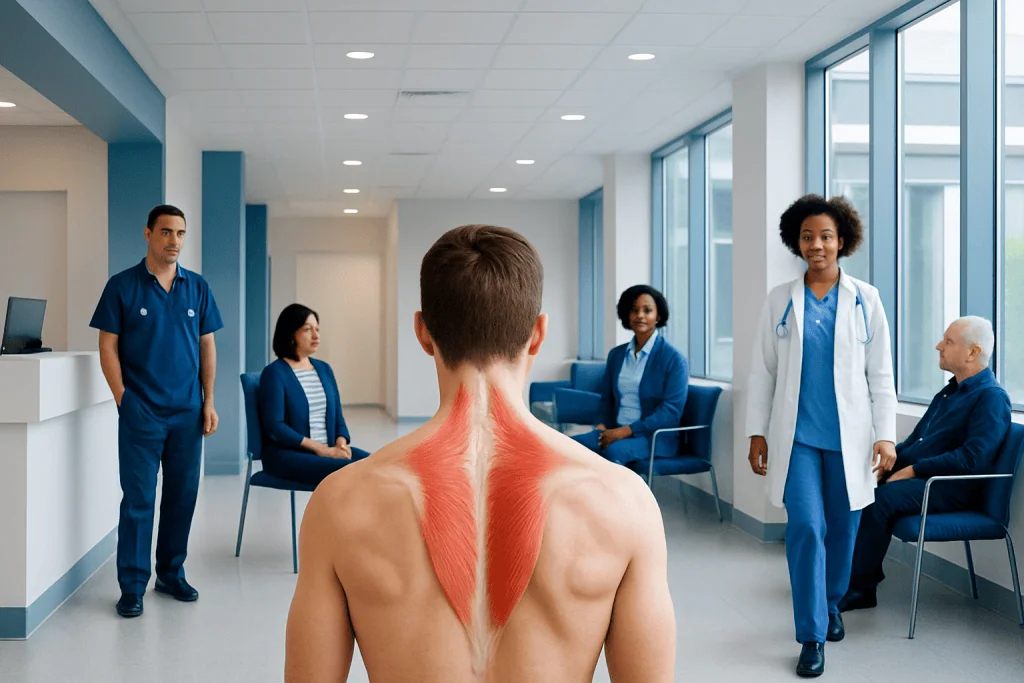
The semispinalis muscles support posture and help extend and rotate the head, neck, and upper spine. Pain in the semispinalis area is commonly linked to muscle strain, prolonged poor posture, or repetitive movement.
Key Takeaways
- The semispinalis muscles support posture and help extend and rotate the head, neck, and upper spine.
- Pain in the semispinalis area is commonly linked to muscle strain, prolonged poor posture, or repetitive movement.
- Symptoms can include neck stiffness, upper back pain, reduced range of motion, and tenderness to touch.
- Evaluation may include a medical history, physical examination, and sometimes imaging to rule out spine-related causes.
- Treatment often starts with rest, activity adjustment, physical therapy, and other conservative measures.
- Medical care is important if pain is severe, persistent, or accompanied by weakness, numbness, fever, or injury.
The semispinalis is a deep muscle group in the neck and upper back that helps keep the head, neck, and spine stable and moving smoothly. Patients most often hear about it when muscle strain, poor posture, or underlying spine conditions cause pain, stiffness, or tenderness in these areas.
Overview: what the semispinalis is
The semispinalis is not a single muscle but a group of deep muscles that run along the back of the neck and upper spine. These muscles are part of the deeper spinal support system and are usually divided into semispinalis capitis, semispinalis cervicis, and semispinalis thoracis, depending on their location. Together, they help support upright posture and coordinate controlled movement of the head, neck, and upper back.
For patients, the semispinalis becomes important when pain or stiffness develops in the back of the neck, around the base of the skull, or in the upper back. Because these muscles sit beneath more superficial muscles, discomfort can feel deep, aching, and hard to pinpoint. Symptoms may arise after long hours at a desk, repetitive overhead work, sports activity, sudden twisting, or muscle overuse.
The semispinalis also works closely with nearby muscles, joints, ligaments, and nerves. That means pain in this region is not always caused by the semispinalis alone. Conditions affecting the cervical spine, posture, or surrounding soft tissues may create similar symptoms, so a careful assessment helps identify the real source of discomfort.
What the semispinalis does in daily movement
The main job of the semispinalis is to stabilize and extend the spine. In simple terms, it helps a person hold the head and upper body upright against gravity. It also assists with turning and slightly tilting the head and neck. These actions are usually subtle, but they are essential for everyday activities such as looking up, turning to check traffic, reading, and maintaining balance while walking or sitting.
Because the semispinalis is a postural muscle group, it often works for long periods at low intensity rather than producing large, obvious movements. This is why it can become irritated with sustained poor posture, especially during computer use, phone use, driving, or prolonged seated work. Even without a sudden injury, low-level strain can build over time.
When these muscles are healthy, they help the neck and upper spine move in a smooth, coordinated way. When they are tight, strained, or fatigued, other muscles may compensate. This can contribute to muscle imbalance, tension headaches, and discomfort that spreads into the shoulders or upper back.
Symptoms linked to semispinalis problems

Semispinalis-related discomfort often causes a deep ache or stiffness in the back of the neck or upper back. Some patients notice soreness after sleeping in an awkward position, after exercise, or after spending many hours leaning forward. Others describe a pulling sensation when turning the head or looking upward.
Common symptoms may include:
- Neck stiffness, especially in the morning or after prolonged sitting
- Tenderness along the back of the neck or upper spine
- Pain when rotating or extending the head
- Upper back tightness between or near the shoulder blades
- Muscle fatigue with desk work or reading
- Headache-like pain that starts near the base of the skull
Symptoms can vary from mild and temporary to more persistent. If irritation affects surrounding tissues, the pain may seem to radiate into the shoulders or scalp. However, true nerve symptoms such as tingling, numbness, or weakness are more likely to suggest a different or additional problem, such as cervical nerve irritation, and should be assessed by a doctor.
Causes and risk factors
The most common cause of semispinalis pain is muscle strain. This may happen after sudden movement, lifting, sports, repetitive reaching, or sleeping with poor neck support. More often, symptoms develop gradually from posture-related overuse. Looking down at a phone, working on a laptop without ergonomic support, or sitting with rounded shoulders can place ongoing demand on the deep neck and upper back muscles.
Other contributing factors include stress-related muscle tension, deconditioning, weak supporting muscles, and limited flexibility in the shoulders or thoracic spine. When one area moves poorly, the semispinalis may work harder to compensate. Repeated minor strain can lead to trigger points, tightness, and pain with movement.
Sometimes semispinalis symptoms occur alongside underlying conditions of the neck or spine. These can include degenerative changes, joint irritation, disc problems, or alignment issues. In some cases, a person may have both muscle strain and a structural problem at the same time. Related disorders such as herniated disc or scoliosis may affect posture and spinal mechanics, which can increase muscle stress in the neck and upper back.
How doctors diagnose semispinalis-related pain
Diagnosis usually begins with a medical history and physical examination. A doctor will ask when the pain started, what makes it better or worse, whether there has been injury, and whether symptoms include headache, arm pain, tingling, or weakness. The pattern of symptoms often gives important clues about whether the source is muscular, joint-related, or nerve-related.
During the examination, the clinician may check posture, neck movement, muscle tenderness, and strength. Pressing on the affected area can sometimes reproduce symptoms if a muscle strain or trigger point is present. The doctor may also assess range of motion in the shoulders and upper back because movement limitations there can contribute to semispinalis overload.
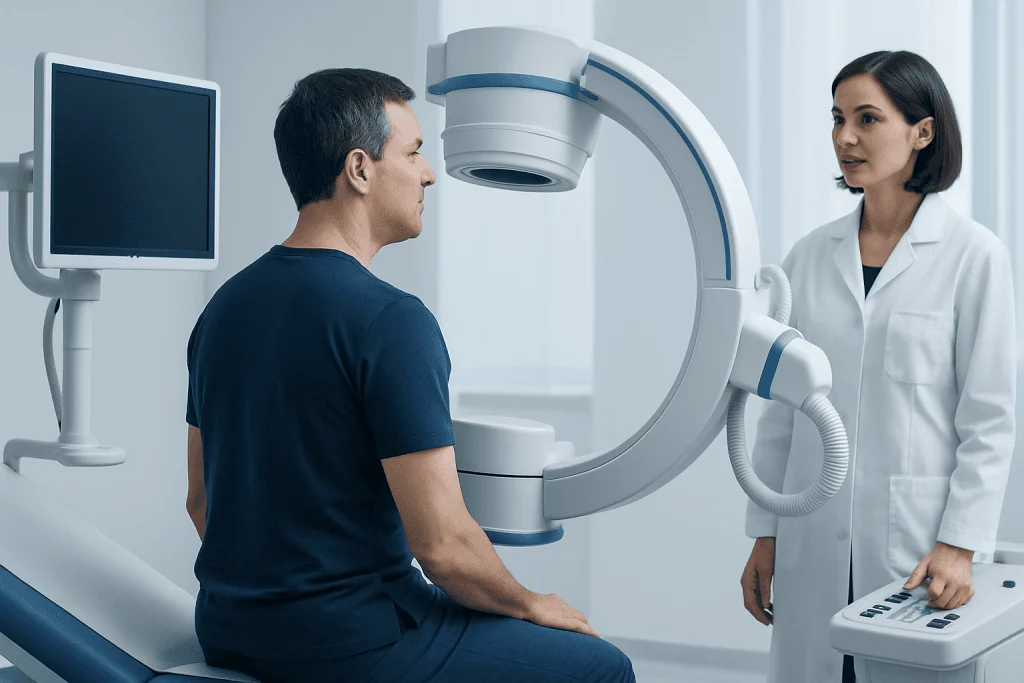
Imaging is not always needed for simple muscle strain. However, X-rays, MRI, or other tests may be recommended if pain is severe, follows trauma, does not improve, or raises concern for a spine condition. In selected cases, further evaluation may help identify issues that need specialized care, including spinal cord stimulation for certain chronic pain situations or robotic spine surgery when structural spinal disease requires surgical management.
Treatment options and recovery
Most semispinalis-related pain improves with conservative treatment. Early care often includes short-term activity modification, avoiding movements that sharply increase pain, and using a balanced return to normal activity rather than prolonged bed rest. Gentle movement is usually helpful because complete inactivity can increase stiffness.
Physical therapy is often a central part of treatment. Therapy may focus on posture correction, stretching of tight surrounding tissues, deep neck and upper back strengthening, and movement retraining. For many patients, the goal is not only to calm current symptoms but also to reduce the chance of recurrence by improving mechanics and endurance. In some cases, doctors may also discuss physical therapy and rehabilitation as a structured recovery plan.
Additional measures can include heat or cold therapy, ergonomic changes, massage, and doctor-guided use of pain-relieving medication. If symptoms are linked to a more significant cervical or spinal problem, treatment depends on the underlying diagnosis. This may include image-guided procedures, specialist referral, or surgery in carefully selected cases. Patients with suspected nerve involvement or ongoing spinal pain may need spine surgery evaluation if conservative options do not provide relief.
Recovery time varies. Mild strain may improve within days to a few weeks, while longer-standing postural pain can take more time and consistency with exercises and workstation adjustments. Steady improvement is generally a reassuring sign, but persistent or worsening symptoms should be reviewed by a clinician.
Self-care and prevention
Preventing semispinalis pain often means reducing repetitive strain on the neck and upper back. Small habits can make a meaningful difference. A screen positioned at eye level, a supportive chair, regular breaks from sitting, and avoiding long periods of looking down may help keep these deep postural muscles from becoming overworked.
Exercise also matters. A balanced routine that includes mobility, upper back strengthening, core stability, and general conditioning helps distribute workload more evenly across the body. Warm-up before sport or exercise is helpful, especially for activities involving the neck, shoulders, or upper back.
Useful self-care habits may include:
- Changing position every 30 to 60 minutes during desk work
- Using pillows that keep the neck in a neutral position
- Practicing gentle stretching recommended by a clinician or therapist
- Building shoulder blade and upper back strength
- Reducing stress-related muscle tension through relaxation techniques
Self-care should not replace medical advice when symptoms are severe or unusual. However, for many patients with mild mechanical pain, practical adjustments and guided exercises can be an effective first step.
When to seek medical care
It is sensible to seek medical care if neck or upper back pain lasts more than a few weeks, keeps returning, or interferes with sleep, work, or daily activities. Assessment is also appropriate if pain follows a fall, sports injury, or vehicle accident, even if symptoms seem manageable at first.
Prompt medical attention is especially important when pain occurs with numbness, tingling, arm weakness, problems with balance, fever, unexplained weight loss, or severe headache. These features can point to causes other than simple muscle strain and deserve professional evaluation.
If specialist care is needed, multidisciplinary teams can assess muscle, nerve, and spine-related causes together. Acibadem International’s JCI-accredited hospitals support international patients with coordinated evaluation and treatment by specialists in orthopedics, neurology, rehabilitation, and spine care.
Frequently asked questions
Is the semispinalis a single muscle or a muscle group?
The semispinalis is a muscle group rather than one single muscle. It includes parts in the head, neck, and upper back regions that work together to support posture and movement.
Where is semispinalis pain usually felt?
Pain is usually felt in the back of the neck, near the base of the skull, or in the upper back. Some people also notice tightness around the shoulders or headache-like discomfort that starts from the neck.
Can poor posture cause semispinalis pain?
Yes, prolonged poor posture is a common cause of semispinalis irritation. Looking down at a phone, slouching at a desk, or sitting for long periods can place repeated strain on these deep support muscles.
How is semispinalis pain different from a nerve problem?
Muscle pain from the semispinalis is more often aching, stiff, or tender and is usually linked to movement or posture. Nerve-related problems are more likely to cause numbness, tingling, shooting pain, or weakness into the arm or hand.
Will semispinalis strain get better on its own?
Many mild strains improve with time, relative rest, and gradual return to activity. However, persistent pain or recurring symptoms should be assessed to rule out an underlying neck or spine condition.
What kind of doctor treats semispinalis problems?
Primary care doctors, physiatrists, orthopedists, neurologists, and physical therapists may all play a role, depending on the cause. If symptoms suggest a spine disorder or nerve involvement, referral to a spine or neurology specialist may be recommended.
This article is for general information only and is not a substitute for professional medical advice. Please consult a qualified doctor about your individual situation.
Joint and spine care in Turkey — expert assessment & treatment
JCI-accredited · board-certified surgeons · reply within 24h
Add us as a Preferred Source to see more of our trusted health content across Google Search, AI Overviews and Discover.

More from the Health Library

High MCV and MCH — Explained by Medical Evidence, Not Myths

Liver function tests normal: A Complete Medical Guide for Patients

How many miles is 10k steps? The Numbers, Explained by Clinicians

Best Non Dairy Milk: An Evidence-Based Guide for Patients

Hyoscyamine: What Patients Need to Know