High Frequency Wand: What Patients Need to Know

A high frequency wand is mainly used for cosmetic skincare, especially for acne-prone or oily skin. Evidence for dramatic long-term results is limited, so expectations should stay realistic.
Key Takeaways
- A high frequency wand is mainly used for cosmetic skincare, especially for acne-prone or oily skin.
- Evidence for dramatic long-term results is limited, so expectations should stay realistic.
- It is not suitable for everyone, including some people with implanted medical devices, epilepsy, or very sensitive skin.
- Skin irritation, dryness, and worsening of some conditions can happen if the device is overused or used incorrectly.
- Persistent acne, changing skin lesions, or recurrent facial redness should be assessed by a qualified doctor.
A high frequency wand is a handheld skincare device that delivers a mild electrical current through a glass electrode. It is commonly used at home or in aesthetic settings for acne-prone skin and temporary skin revitalization, but it is not a substitute for medical diagnosis or treatment.
Overview: what a high frequency wand is
A high frequency wand is a skincare device that uses a low-intensity, high-frequency electrical current delivered through a glass electrode placed on or just above the skin. It is often marketed for acne, oily skin, temporary reduction in puffiness, and a fresher-looking complexion. In clinical and beauty settings, it may be used as part of a facial, while some versions are sold for home use.
Patients often ask whether a high frequency wand truly works. The most practical answer is that it may offer mild, short-term cosmetic benefits for some people, especially those with occasional breakouts or excess oil, but it does not treat the underlying cause of chronic skin disease. Results can vary widely depending on skin type, technique, and the condition being addressed.
These devices are not new, but online interest has grown because they are promoted as easy, noninvasive skincare tools. Even so, “noninvasive” does not always mean risk-free. A person considering a high frequency wand should understand what it can realistically do, what it cannot do, and when medical skin evaluation is more appropriate than self-treatment.
How it works and what it may help with
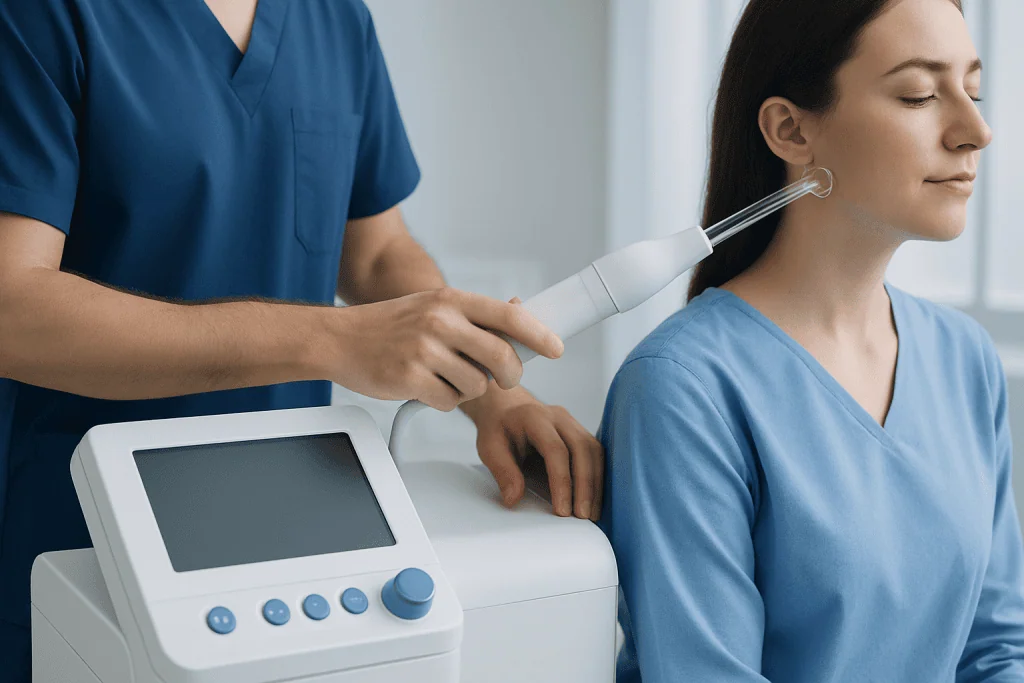
The device creates an alternating electrical current inside a glass electrode filled with gas, commonly argon or neon. When the electrode touches the skin, a mild current passes across the surface. This may create a warming effect and a temporary sensation of tingling. In some applications, a small spark is used over individual blemishes, while other techniques involve gliding the electrode over larger areas of the face.
Supporters of high frequency facials suggest that the treatment may help reduce surface oil, temporarily improve circulation, and create an environment that may be less favorable for acne-causing bacteria on the skin. Some users also report that the skin looks brighter or feels firmer for a short time after use. However, these benefits are usually modest and cosmetic rather than curative.
A high frequency wand is most commonly used for concerns such as:
- Mild acne or occasional pimples
- Oily or congested skin
- Temporary post-facial skin revitalization
- Scalp stimulation in some beauty settings
It is important to remember that persistent acne, significant inflammation, rosacea-like redness, pigment changes, or skin growths may point to medical conditions that require dermatologist assessment rather than repeated home-device use.
What the evidence says: realistic expectations

Research on high frequency wand devices in everyday consumer skincare is limited. Some mechanisms, such as mild heating, improved local circulation, and surface-level antibacterial effects, are biologically plausible. Still, strong evidence for dramatic wrinkle reduction, scar removal, or lasting treatment of moderate to severe acne is lacking.
This means expectations should remain balanced. A high frequency wand may be a supportive step in a broader skincare routine, but it should not be viewed as a replacement for proven treatments such as prescription acne care, sun protection, or dermatologist-guided management of conditions like acne. If a person has ongoing breakouts, scarring, painful cysts, or emotional distress related to skin appearance, a medical plan is usually more effective than relying on a device alone.
Skincare marketing often combines high frequency tools with broad promises about collagen, detoxification, or “instant lifting.” Patients benefit from approaching these claims cautiously. Temporary improvement in skin appearance after a treatment does not necessarily mean there has been a meaningful long-term change in skin health.
Possible risks, side effects, and who should avoid it
Although a high frequency wand is generally considered low risk when used properly, side effects can happen. The most common are temporary redness, dryness, irritation, stinging, or increased sensitivity, especially in people with reactive skin or those already using exfoliating acids, retinoids, or acne medications. Overuse may disrupt the skin barrier and make the skin feel tight or inflamed.
Some people should avoid these devices unless a doctor specifically advises otherwise. This may include individuals with implanted electronic medical devices such as pacemakers, certain seizure disorders, pregnancy concerns depending on clinician guidance, broken skin, active infection, severe rosacea, or a history of unusual sensitivity to electrical stimulation. A person with facial metal piercings may also need to remove them before treatment, based on manufacturer instructions and professional guidance.
A high frequency wand should not be used over suspicious moles, unexplained rashes, open wounds, or skin that may be sunburned. It is also wise to avoid using it around the eyes unless the device is specifically designed and professionally recommended for that purpose. Anyone unsure whether a skin concern is cosmetic or medical should seek medical advice before starting.
If repeated breakouts are severe or lead to marks, specialist care may be helpful. Depending on the cause, clinicians may recommend options such as acne treatment or procedural care for lingering textural changes such as scar revision.
How to use a high frequency wand more safely
Safe use starts with reading the manufacturer’s instructions carefully. The skin should be clean and dry, and the intensity should usually begin at the lowest setting. Short sessions are generally more sensible than long or frequent treatments, especially when first trying the device. Stronger is not necessarily better, and overuse is a common reason for irritation.
People using active skincare ingredients should be cautious. Products containing retinoids, benzoyl peroxide, alpha hydroxy acids, beta hydroxy acids, or alcohol-based formulas may increase dryness or sensitivity when combined with frequent device use. Applying a gentle moisturizer and using sunscreen daily can help support the skin barrier.
Basic safety habits include:
- Do a patch test first if the skin is sensitive
- Do not use on broken, infected, or very irritated skin
- Keep sessions brief and avoid repeated passes over one area
- Clean the electrode according to instructions
- Stop use if burning, prolonged redness, or worsening rash occurs
Patients should also avoid making treatment decisions based only on social media demonstrations. Skin that looks similar in a video may behave very differently in real life depending on age, skin tone, medications, and underlying conditions.
How it compares with medical skin treatments
A high frequency wand sits somewhere between a beauty tool and a supportive cosmetic treatment. It is very different from evidence-based medical therapies used for inflammatory acne, rosacea, suspicious lesions, or chronic skin conditions. It also differs from office-based procedures that use carefully controlled energy devices under professional supervision.
For example, someone with mild occasional breakouts may choose a high frequency facial as part of general skincare, but someone with painful cystic acne, acne scarring, or persistent redness often needs a proper diagnosis and a more targeted plan. In selected patients, dermatologists may suggest prescription medicines, chemical peels, light-based therapies, or other procedures. Some texture and rejuvenation concerns may be addressed with options such as laser skin resurfacing when clinically appropriate.
If a patient is mainly concerned about signs of aging, enlarged pores, or laxity, a doctor can help determine whether the issue is likely to respond to skincare alone or whether another approach would be more suitable. This matters because repeated use of a home device can delay assessment of conditions that look cosmetic at first but deserve professional evaluation.
When to seek medical care
A person should seek medical care if skin symptoms are painful, spreading, recurrent, or not improving with gentle self-care. Breakouts that leave scars, deep nodules, or dark marks should be assessed promptly, especially if over-the-counter products and device use have not helped. Ongoing facial redness, burning, or visible blood vessels may indicate a condition other than acne.
Medical review is also important for any new or changing mole, persistent rough patch, nonhealing sore, unexplained discoloration, or skin lesion that bleeds easily. A high frequency wand should never be used to manage these concerns at home. Early evaluation helps distinguish harmless cosmetic issues from conditions that need treatment.
If a device causes severe irritation, swelling, blistering, numbness, or symptoms that last beyond a short period, use should stop and medical advice should be sought. For international patients who need specialist assessment, Acibadem International’s multidisciplinary teams in JCI-accredited hospitals evaluate and treat a wide range of skin concerns with individualized care.
Frequently asked questions
Is a high frequency wand good for acne?
A high frequency wand may help some people with mild, occasional breakouts by reducing surface oil and providing temporary cosmetic improvement. It is less likely to be enough for moderate or severe acne, painful cysts, or acne that causes scarring. Persistent acne should be evaluated by a doctor or dermatologist.
Can a high frequency wand damage the skin?
It can irritate the skin if it is used too often, at too high a setting, or on skin that is already sensitive. Common problems include redness, dryness, stinging, and barrier disruption. Following instructions carefully and stopping if the skin reacts strongly can reduce risk.
Who should not use a high frequency wand?
People with implanted electronic devices such as pacemakers, certain seizure disorders, broken skin, active infections, or very sensitive inflammatory skin conditions may need to avoid it. Those who are pregnant or have other medical concerns should ask a qualified clinician before use. If there is any doubt, professional advice is the safest approach.
Does a high frequency wand help wrinkles and collagen?
Some users notice temporary plumping or a fresher look after treatment, but evidence for major wrinkle reduction or strong collagen remodeling is limited. These devices are best understood as cosmetic tools with modest effects rather than proven anti-aging treatments. More noticeable age-related changes often need a different medical or procedural approach.
How often should a high frequency wand be used?
The safest frequency depends on the device, the user’s skin type, and the rest of the skincare routine. In general, more frequent use is not automatically better and may increase irritation. It is sensible to start cautiously, use the lowest effective setting, and follow manufacturer instructions or professional advice.
Can a high frequency wand be used with other skincare products?
It can, but caution is important. Using it together with strong exfoliants, retinoids, or drying acne products may make irritation more likely. A gentle routine with moisturizer and daily sunscreen is usually the best foundation when any energy-based skincare tool is being tried.
This article is for general information only and is not a substitute for professional medical advice. Please consult a qualified doctor about your individual situation.
Explore treatments in Turkey — costs, top hospitals & a free quote
JCI-accredited · board-certified surgeons · reply within 24h
Add us as a Preferred Source to see more of our trusted health content across Google Search, AI Overviews and Discover.

More from the Health Library

75 Soft Challenge: An Evidence-Based Guide for Patients

Cooling Pillow Case: An Evidence-Based Guide for Patients

Gynosexuality: A Complete Medical Overview

Avocado — Explained by Medical Evidence, Not Myths

Benazepril: An Evidence-Based Guide for Patients