Pediophobia: An Evidence-Based Guide for Patients

Pediophobia is a specific phobia involving a strong fear response to dolls. Symptoms can include anxiety, physical stress reactions, and avoidance behaviors.
Key Takeaways
- Pediophobia is a specific phobia involving a strong fear response to dolls.
- Symptoms can include anxiety, physical stress reactions, and avoidance behaviors.
- The condition may relate to learned experiences, temperament, or other anxiety conditions.
- Diagnosis is based on clinical evaluation rather than a lab test or scan.
- Treatment commonly includes psychotherapy, especially forms of cognitive behavioral therapy and gradual exposure.
- Medical advice is important when fear disrupts daily life, sleep, relationships, or mental well-being.
Pediophobia is an intense, persistent fear of dolls that goes beyond simple dislike or discomfort. It is a type of specific phobia and can be treated, often with psychological therapies that help reduce fear and avoidance over time.
Overview
Pediophobia is the medical term for an intense fear of dolls. A person with this phobia may feel strong anxiety when seeing a doll, thinking about dolls, or being in places where dolls are likely to appear, such as toy stores, museums, or certain homes. The reaction is usually much stronger than ordinary uneasiness and may lead to active avoidance.
Clinically, pediophobia is considered a type of specific phobia, which is an anxiety disorder centered on a particular object or situation. Like other specific phobias, the fear tends to be persistent, difficult to control, and out of proportion to the actual danger. Even when a person recognizes that dolls are unlikely to cause harm, the body and mind may still respond as if there is a real threat.
This condition can affect children, teenagers, and adults. Some people have had the fear for many years, while others notice it after a distressing event or after their general anxiety worsens. The good news is that effective treatment is available, and many people improve with the right support.
How pediophobia can affect daily life

Pediophobia may seem narrow because it focuses on dolls, but its impact can be broader than expected. A person may avoid visiting family members, attending children’s parties, shopping for gifts, watching certain films, or entering stores with toy displays. If the fear is severe, even images of dolls online or in advertisements can trigger distress.
The emotional effect may include embarrassment, frustration, or isolation. Some people worry that others will not understand their reaction, so they try to hide symptoms. Over time, repeated avoidance can reinforce the fear and make it feel more powerful.
In some cases, pediophobia occurs on its own. In others, it may overlap with broader anxiety patterns, panic symptoms, or fears related to lifelike human figures such as mannequins or animatronics. A careful mental health assessment can help distinguish pediophobia from other forms of anxiety and from conditions such as anxiety disorders.
Symptoms
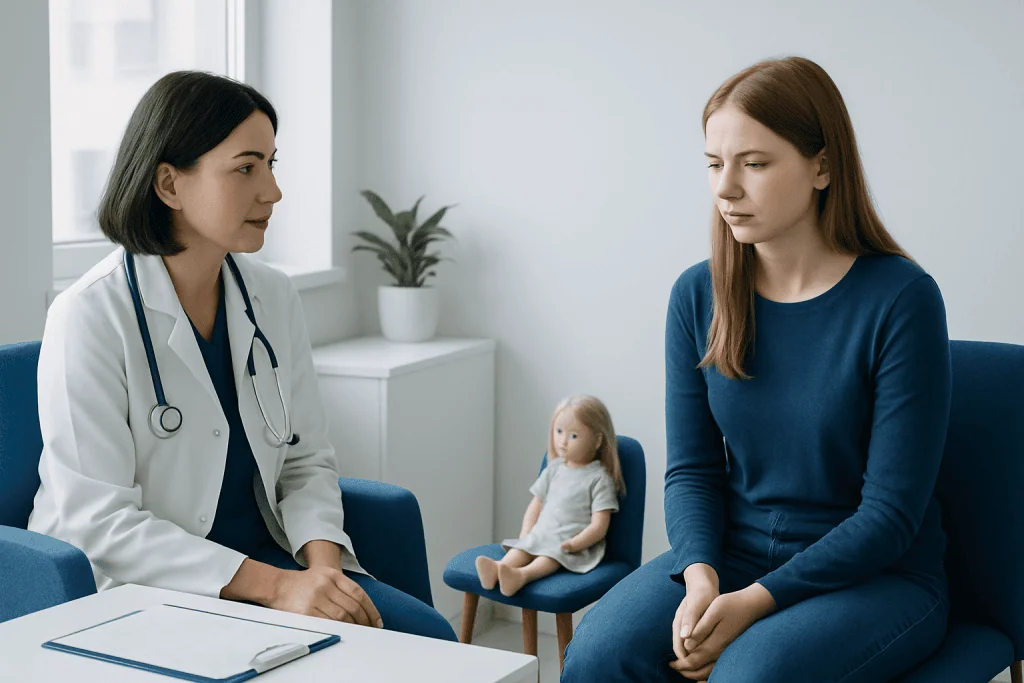
The main symptom of pediophobia is intense fear or anxiety triggered by dolls or doll-like figures. The trigger may be a real doll, a picture, a video, a memory, or even anticipation of encountering one. Symptoms often begin quickly and can range from mild unease to panic.
Common emotional and physical symptoms may include:
- Strong fear, dread, or disgust around dolls
- Rapid heartbeat or pounding chest
- Shortness of breath
- Sweating or trembling
- Nausea, dizziness, or feeling faint
- A strong urge to leave the situation
- Difficulty concentrating or thinking clearly
- Avoidance of places, events, or media involving dolls
For a diagnosis of a specific phobia, the fear is typically persistent and causes meaningful distress or interference in daily life. A brief startle response or a personal dislike of dolls alone does not necessarily mean a person has pediophobia.
Children may express the fear differently from adults. They might cry, freeze, cling to a caregiver, refuse to enter a room, or have nightmares. Adults may be more likely to describe anticipation anxiety, shame about the reaction, or strategies they use to avoid triggers.
Causes and risk factors
There is no single cause of pediophobia. Like many phobias, it likely develops through a combination of biological, psychological, and environmental factors. In some people, the fear starts after a distressing experience involving dolls. In others, it may build gradually without one clear event.
Possible contributing factors include:
- A frightening or unsettling experience involving a doll
- Exposure to horror media that portrays dolls as threatening
- A family history of anxiety or phobias
- A naturally more sensitive or anxious temperament
- Stressful life events that increase general anxiety
- Learning fearful reactions from others during childhood
Some experts also consider the role of the “uncanny” effect, where human-like objects feel disturbing because they look almost, but not quite, real. This may help explain why certain dolls with realistic faces, eyes, or movements trigger stronger fear than simple toys.
Pediophobia can sometimes occur alongside other mental health concerns, including panic symptoms, social anxiety, or trauma-related distress. It may also overlap with related fears involving mannequins, masks, or lifelike figures. A qualified clinician can assess whether the symptoms fit a specific phobia or another condition such as depression when low mood and withdrawal are also present.
Diagnosis
Pediophobia is diagnosed through a clinical evaluation, usually by a psychiatrist, psychologist, or another qualified mental health professional. There is no blood test or imaging study that confirms the condition. Diagnosis depends on discussing symptoms, triggers, avoidance patterns, and how much the fear affects daily functioning.
The clinician may ask when the fear started, what types of dolls trigger the reaction, whether panic symptoms occur, and whether the person avoids specific places or activities. They also look at how long the symptoms have been present and whether another mental health condition may better explain them.
Diagnosis is important because it can guide treatment. Fear of dolls may be part of a broader anxiety picture, or it may be a focused specific phobia that responds well to structured therapy. In some cases, assessment may include screening for sleep problems, panic attacks, or other emotional health concerns to create a more complete care plan.
Treatment options
Treatment for pediophobia usually aims to reduce the fear response, improve coping, and help the person return to normal activities. The most commonly recommended approach is psychotherapy. Many people benefit from psychiatric evaluation and treatment planning to identify the most suitable therapy approach for their needs.
One of the best-studied treatments for specific phobias is cognitive behavioral therapy, often combined with gradual exposure. This process helps a person understand their fear pattern and slowly face triggers in a planned, supportive way. Exposure does not mean forcing sudden contact with a feared object; instead, it is usually built step by step, starting with milder triggers and progressing at a manageable pace.
Other supportive strategies may include relaxation training, breathing techniques, and work on unhelpful thought patterns. Some people also benefit from counseling that addresses related stress, trauma, or general anxiety. Where symptoms are part of a broader mental health picture, psychotherapy can help with both the phobia and associated emotional difficulties.
Medication is not always needed for a specific phobia, but in selected cases a doctor may consider it, especially if there are coexisting anxiety symptoms or panic episodes. Medication decisions are individualized and should be made with a qualified clinician. In more complex cases, a team-based approach involving neurology or other specialties may be used if symptoms such as dizziness or faintness require broader evaluation, although pediophobia itself is primarily a mental health condition.
Prevention and self-care
There is no guaranteed way to prevent pediophobia, but early attention to anxiety symptoms may reduce the chance that avoidance becomes deeply established. When fear starts to interfere with normal life, seeking help sooner can make treatment easier and may prevent the problem from expanding to other settings.
Self-care does not replace professional treatment, but it can support recovery. Helpful measures may include regular sleep, physical activity, balanced meals, limiting excess caffeine if it worsens anxiety, and practicing relaxation skills. Keeping a simple record of triggers, symptoms, and coping responses can also help a clinician understand patterns and track progress.
It is usually best to avoid forcing intense exposure without support, especially if prior reactions have been severe. Instead, gradual, structured steps developed with a professional are safer and often more effective. Family members can help by taking the fear seriously, avoiding judgment, and encouraging treatment rather than reinforcing avoidance.
Near the end of care planning, some people may benefit from follow-up with a multidisciplinary team if symptoms overlap with wider mental health concerns. Acibadem International’s multidisciplinary specialists and JCI-accredited hospitals provide diagnosis and treatment support for international patients with mental health conditions, including specific phobias.
When to seek medical care
A person should consider professional help if fear of dolls causes significant distress, panic-like symptoms, persistent avoidance, or difficulty with work, school, family life, or sleep. Medical care is also appropriate if the person begins to avoid many places or activities because dolls might be present, or if the fear is getting stronger over time.
Urgent mental health evaluation is important if anxiety is accompanied by severe hopelessness, self-harm thoughts, or inability to function safely. Children who have intense fear, nightmares, or distress that disrupts daily routines may also benefit from early assessment. A qualified doctor or mental health professional can confirm the diagnosis and recommend appropriate treatment.
Frequently asked questions
What is pediophobia?
Pediophobia is an intense and persistent fear of dolls. It is considered a type of specific phobia, meaning the fear centers on a particular object and causes anxiety, avoidance, or distress that goes beyond ordinary discomfort.
Is pediophobia a real medical condition?
Yes. While not everyone who dislikes dolls has a phobia, pediophobia can be recognized clinically when the fear is persistent, disproportionate, and disruptive to daily life. A mental health professional can assess whether symptoms meet criteria for a specific phobia.
What causes fear of dolls?
The cause may differ from person to person. It can be linked to a frightening experience, exposure to scary media, an anxious temperament, learned fear, or the unsettling feeling created by human-like objects that seem almost real.
Can pediophobia go away on its own?
Some people notice improvement over time, especially if symptoms are mild. However, persistent avoidance can strengthen the fear, so professional treatment is often helpful when the problem has lasted for months or is affecting normal activities.
How is pediophobia treated?
Treatment commonly involves psychotherapy, especially cognitive behavioral therapy with gradual exposure. This helps the person face triggers in a planned and manageable way while learning skills to reduce the fear response.
Do medications help pediophobia?
Medication is not always necessary for a specific phobia. In some cases, a doctor may consider it if there are additional anxiety symptoms, panic attacks, or related mental health conditions, but treatment is individualized.
When should a child be evaluated for fear of dolls?
A child should be evaluated if the fear is intense, lasts over time, causes nightmares or school difficulties, or leads to major avoidance and distress. Early support can help reduce the chance that the fear becomes more disruptive as the child grows.
References
- American Psychiatric Association
- National Institute of Mental Health
- National Health Service
- Mayo Clinic
This article is for general information only and is not a substitute for professional medical advice. Please consult a qualified doctor about your individual situation.
Explore treatments in Turkey — costs, top hospitals & a free quote
JCI-accredited · board-certified surgeons · reply within 24h
Add us as a Preferred Source to see more of our trusted health content across Google Search, AI Overviews and Discover.