Cyst Removal: A Complete Medical Overview

Cyst removal is not always necessary; some cysts can be monitored safely. The best treatment depends on the type of cyst, symptoms, and whether infection is present.
Key Takeaways
- Cyst removal is not always necessary; some cysts can be monitored safely.
- The best treatment depends on the type of cyst, symptoms, and whether infection is present.
- Simple drainage may relieve pressure, but complete removal lowers the chance of recurrence for many cysts.
- Redness, rapid growth, pain, fever, or drainage should prompt medical assessment.
- A doctor may recommend imaging or laboratory testing when the diagnosis is uncertain or the cyst is deep.
Cyst removal is a medical procedure used when a cyst causes pain, infection, cosmetic concern, repeated swelling, or diagnostic uncertainty. Treatment depends on the cyst’s type, size, location, and whether it is inflamed or infected, and may range from observation to drainage or complete surgical removal.
Overview: what cyst removal means
Cyst removal means treating a fluid-filled, semi-solid, or sac-like lump by draining it, removing part of it, or excising it completely. The right approach depends on what kind of cyst is present, where it is located, and whether it is causing symptoms. In many cases, a cyst is harmless and can simply be observed, but medical removal may be advised if it becomes painful, infected, repeatedly inflamed, or difficult to diagnose with confidence.
A cyst can form in the skin, under the skin, or deeper in the body. Common examples include epidermoid cysts, ganglion cysts near joints, pilonidal cysts near the tailbone, and ovarian cysts. Because these conditions differ, “cyst removal” is not one single procedure. A skin cyst may be handled with a small office-based procedure, while a deeper cyst may require imaging, specialist assessment, or surgery in a hospital setting.
For patients, the key question is usually not only how a cyst is removed, but whether it should be removed at all. Doctors look at symptoms, growth over time, signs of infection, effect on nearby structures, and the possibility that the lump is not a simple cyst. This careful evaluation helps guide safe treatment and reduces unnecessary procedures.
When cyst removal may be recommended
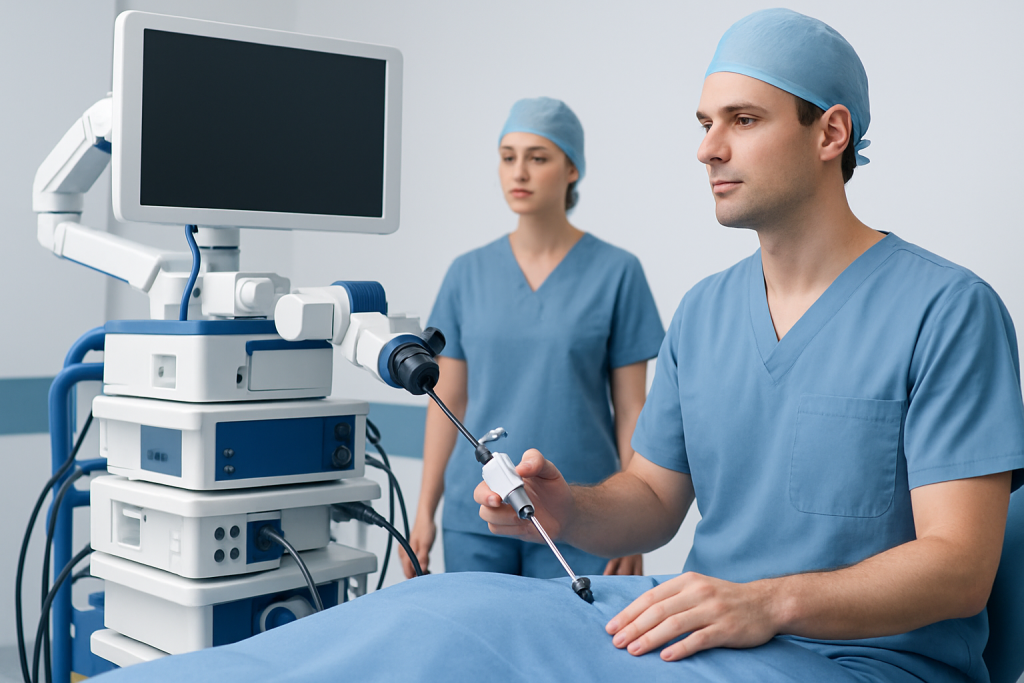
Doctors often recommend cyst removal when a cyst is painful, frequently irritated, infected, draining, or interfering with daily activities. Some cysts press on nearby tissues and cause discomfort, limited movement, or cosmetic concerns. In these situations, treatment can improve comfort and reduce repeat flare-ups.
Removal may also be advised if the diagnosis is uncertain. Not every lump under the skin is a cyst. Lipomas, abscesses, swollen lymph nodes, benign tumors, and, less commonly, cancers can sometimes look similar. A clinician may suggest removal or biopsy if a lump is unusually firm, fixed, rapidly growing, or located in a concerning area.
Some patients seek treatment because a cyst keeps returning after it is squeezed or drained at home. Home popping is not recommended. It can push material deeper, worsen inflammation, cause infection, and make later removal more difficult. Medical evaluation is safer, especially if the area is red, warm, tender, or producing pus.
- Pain, tenderness, or repeated inflammation
- Infection, redness, warmth, or drainage
- Rapid growth or change in appearance
- Pressure on nearby nerves, joints, or organs
- Cosmetic concern or friction from clothing
- Unclear diagnosis that needs confirmation
Types of cysts and how treatment differs

Superficial skin cysts are among the most common reasons people ask about cyst removal. Epidermoid cysts, often called sebaceous cysts in everyday language, usually arise from blocked hair follicles or skin structures. If they are calm and not bothersome, observation may be enough. If they become inflamed or recurrent, complete excision of the cyst wall is often the best way to lower the risk of return.
Some cysts are closely tied to a specific body region. A ganglion cyst forms near joints or tendons, most often in the wrist or hand. Treatment may include observation, aspiration in selected cases, or surgery if pain and recurrence are ongoing. Pilonidal disease affects the cleft near the tailbone and may require drainage during an acute infection or more definitive surgery later. For readers interested in this condition, pilonidal sinus is a related topic.
Deeper cysts may need a very different pathway. Ovarian cysts, for example, are assessed with pelvic examination and ultrasound, and many resolve without surgery. If surgery is needed, minimally invasive techniques may be used, such as laparoscopic surgery in appropriate cases. This is why proper diagnosis matters so much: effective cyst removal starts with understanding what the cyst actually is.
How doctors diagnose a cyst before removal
Diagnosis usually begins with a medical history and physical examination. A doctor asks how long the lump has been present, whether it has changed in size, and whether there is pain, drainage, fever, or skin changes. The texture, mobility, and exact location of the lump can provide important clues about whether it is likely to be a simple cyst or something else.
Imaging is not always necessary for a small, typical skin cyst, but it can be very helpful when the diagnosis is uncertain or the cyst is deep. Ultrasound is commonly used because it can show whether a lump is fluid-filled or solid and how it relates to nearby tissues. In some cases, MRI or CT may be recommended, especially if the cyst is near important structures or surgery is being planned.
If a cyst appears infected, a doctor may treat the infection first. If the lesion is removed, the tissue may be sent to a laboratory for pathology, especially when the appearance is unusual or the diagnosis needs confirmation. This step helps ensure that a more serious condition is not missed and that future treatment decisions are based on a clear diagnosis.
Cyst removal options: drainage, excision, and surgery
The least invasive option is observation. If a cyst is small, not painful, and clearly benign, a doctor may recommend watching it over time. This avoids an unnecessary procedure, although follow-up is important if the cyst changes.
When a cyst is tense, painful, or infected, incision and drainage may be performed to release built-up fluid or pus. This can bring quick relief, but it does not always remove the cyst lining. For that reason, drainage alone may not prevent the cyst from returning. In some situations, antibiotics are used if there is surrounding infection, but they do not remove the cyst sac itself.
Complete surgical excision aims to remove the entire cyst wall and its contents. This approach is often preferred for recurrent epidermoid cysts and other lesions that continue to refill. Depending on the site, the procedure may be done under local anesthesia in a clinic or operating room. Some deeper cysts require specialist care, and if the lump is related to another condition, treatment may overlap with general surgery or other surgical fields.
Minimally invasive approaches may be considered for certain internal cysts, depending on location and cause. The choice of treatment balances symptom relief, cosmetic result, recurrence risk, and safety. A doctor explains the expected benefits and limits of each option before proceeding.
Recovery, risks, and self-care after cyst removal
Recovery after cyst removal depends on the procedure and the body area involved. After a small skin excision, many people return to normal activities quickly, while deeper operations may require more rest and follow-up. Mild soreness, swelling, and bruising can be expected for a short time. The care team usually gives instructions on wound cleaning, dressing changes, bathing, and activity limits.
Possible risks include bleeding, infection, scarring, delayed healing, and recurrence. Recurrence is more likely if the cyst wall is not fully removed or if surgery is performed during active inflammation, when the tissue planes are less clear. In delicate areas, there may also be a small risk of injury to nearby structures, which is one reason why specialist assessment can matter.
Patients should avoid squeezing, picking, or attempting to reopen the site. Good hygiene, following aftercare instructions, and attending follow-up appointments can help support healing. If pathology testing was performed, the results should be reviewed with the doctor so the diagnosis and any further steps are clearly understood.
Near the end of the treatment journey, some patients benefit from multidisciplinary care, especially when cysts are recurrent or located in complex areas. Acibadem International’s multidisciplinary specialists and JCI-accredited hospitals diagnose and treat cyst-related conditions for international patients when specialist evaluation is needed.
Prevention and when to seek medical care
Not all cysts can be prevented, because some develop from blocked follicles, chronic friction, inflammation, or natural tissue changes. Still, a few practical steps may help reduce irritation and complications: avoid squeezing lumps, keep skin clean, manage friction in areas prone to rubbing, and seek early treatment if a cyst becomes inflamed. For recurring cysts related to skin conditions, treatment of the underlying problem may reduce future flare-ups.
Medical care should be sought promptly if a lump becomes red, hot, rapidly larger, or very painful, or if there is fever, foul-smelling drainage, or spreading skin redness. These features can suggest infection or another urgent problem. A doctor should also assess any cyst-like lump that is hard, fixed, bleeding, repeatedly returning, or not clearly diagnosed.
For internal cysts or pelvic symptoms, new severe pain, vomiting, dizziness, or fainting should not be ignored. These symptoms may point to a complication that needs prompt evaluation. In cases where specialists are involved, treatment may connect with broader services such as oncology if a mass is not clearly benign, although many cysts are non-cancerous.
Frequently asked questions
Is cyst removal always necessary?
No. Many cysts are harmless and do not need treatment if they are small, painless, and clearly benign. A doctor may recommend monitoring instead of removal unless the cyst changes, causes symptoms, or the diagnosis is uncertain.
What is the difference between draining a cyst and removing it?
Draining a cyst releases fluid or pus and may quickly reduce pressure and pain. Removing a cyst usually means taking out the cyst wall as well, which is often more effective at lowering the chance that it will come back.
Can a cyst go away on its own?
Some cysts may stay stable for a long time, shrink, or resolve without treatment, depending on the type. Others may persist or recur. Because different lumps can look alike, a doctor should evaluate any cyst that changes or causes concern.
Is cyst removal painful?
Discomfort depends on the cyst type and the procedure used. Many small skin cysts are removed with local anesthesia, which numbs the area during treatment. Some soreness afterward is common, but it is usually manageable with routine aftercare.
Can a removed cyst come back?
Yes, recurrence is possible, especially if the cyst lining is not completely removed or if treatment was limited to drainage. The risk also depends on the cyst type and whether there is ongoing irritation or inflammation in the area.
Should a person try to pop or remove a cyst at home?
No. Trying to squeeze or cut a cyst at home can increase pain, infection, scarring, and recurrence. Medical assessment is safer and helps confirm that the lump is truly a cyst and not another condition.
This article is for general information only and is not a substitute for professional medical advice. Please consult a qualified doctor about your individual situation.
Explore treatments in Turkey — costs, top hospitals & a free quote
JCI-accredited · board-certified surgeons · reply within 24h
Add us as a Preferred Source to see more of our trusted health content across Google Search, AI Overviews and Discover.

More from the Health Library

Nexletol: A Complete Medical Overview

Inflamed Gums: An Evidence-Based Guide for Patients

Lacosamide: A Complete Medical Overview

Peegasm: A Complete Medical Overview

Physical Therapist — Explained by Medical Evidence, Not Myths