Husband Stitch: A Complete Medical Overview

The husband stitch is not a standard or recommended part of postpartum repair. Symptoms may include ongoing perineal pain, painful intercourse, tightness, and scar-related discomfort.
Key Takeaways
- The husband stitch is not a standard or recommended part of postpartum repair.
- Symptoms may include ongoing perineal pain, painful intercourse, tightness, and scar-related discomfort.
- Diagnosis is based on a careful medical history and pelvic examination.
- Treatment depends on the cause and may include pelvic floor therapy, scar care, pain management, or corrective surgery.
- Anyone with persistent postpartum pain, bleeding, or difficulty with sex or bowel movements should seek medical advice.
A husband stitch is a non-medical term for placing an extra stitch during repair of tearing or episiotomy after vaginal birth, with the aim of making the vaginal opening tighter. It is not a medically recommended practice and may lead to pain, scarring, discomfort with sex, and other postpartum symptoms that deserve evaluation and care.
Overview
The term husband stitch refers to an extra stitch that may be placed when repairing the perineum after a vaginal birth. The perineum is the area between the vaginal opening and the anus. Tears in this area, or an episiotomy incision, are commonly repaired after delivery. A so-called husband stitch means the repair is made tighter than medically necessary.
This term is not a formal medical diagnosis. In modern obstetric care, repair should focus on restoring normal anatomy, supporting healing, and preserving comfort and function. Adding unnecessary tightness is not considered appropriate care because it can contribute to pain, narrowing of the vaginal opening, and problems with sexual activity or pelvic floor function.
Some people learn about the issue immediately after childbirth, while others only suspect it later because of persistent pain or discomfort with intercourse. In many cases, symptoms may also relate to scarring, healing changes, pelvic floor muscle tension, or postpartum hormonal changes rather than an intentionally placed extra stitch. Because the symptoms can overlap, a proper medical assessment is important.
How It May Affect the Body
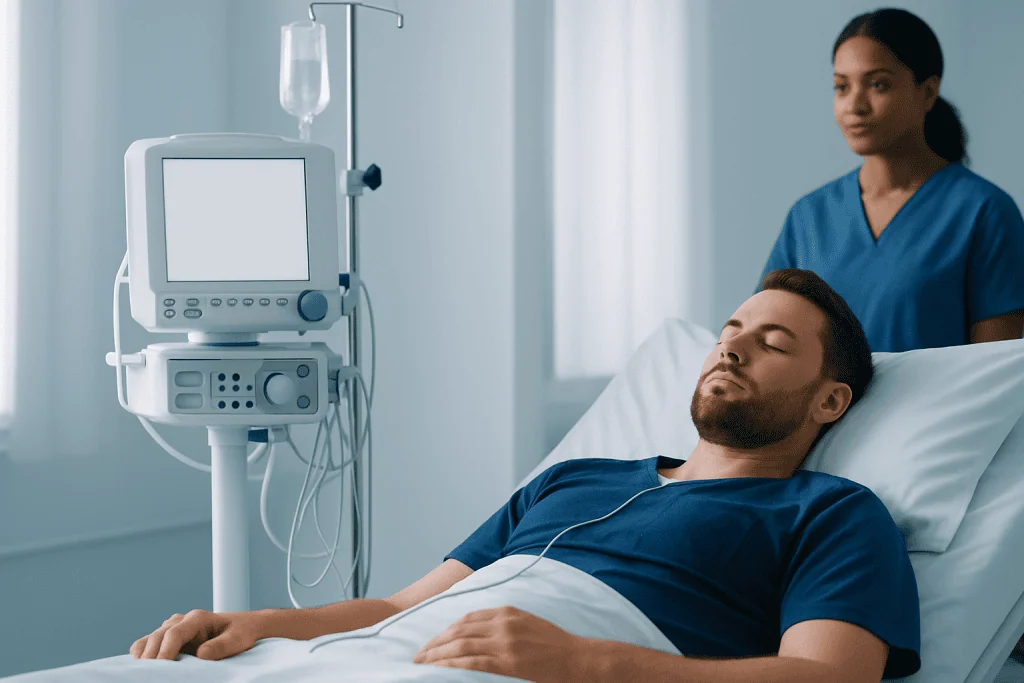
After childbirth, tissues in the vulva, vagina, and perineum need time to heal. If a repair is too tight, the vaginal opening may feel narrowed, and the scar may become tender or restrictive. This can make everyday movement uncomfortable in some people and can cause pain when inserting a tampon, having a pelvic exam, or resuming sexual intercourse.
Symptoms are not always caused by the stitch material itself. Sometimes the problem is related to scar tissue, altered tissue alignment, or pelvic floor muscles that tighten in response to pain. This can create a cycle in which pain leads to muscle guarding, and muscle guarding then causes more pain. Some people also develop fear or anxiety around intercourse because of repeated discomfort.
Postpartum changes such as vaginal dryness, especially during breastfeeding, can add to the problem. Dryness can make already sensitive tissue feel more irritated. For this reason, clinicians look at the whole postpartum picture rather than assuming one single cause.
Symptoms and Possible Complications
Symptoms can begin soon after delivery or become clear only when a person returns to exercise, pelvic exams, or sexual activity. The most common complaint is pain with penetration, also called dyspareunia. Some people describe a pulling sensation, burning, sharp pain at the vaginal entrance, or a feeling of unusual tightness.
Other symptoms may include persistent soreness in the perineum, discomfort while sitting, pain during bowel movements, spotting from scar irritation, or sensitivity when clothing rubs the area. If the tissue healed unevenly, there may be a palpable ridge of scar tissue or tenderness focused in one spot.
Possible complications can include ongoing sexual pain, relationship stress, difficulty tolerating gynecologic exams, and reduced quality of life. In some cases, pain may be accompanied by other postpartum conditions such as pelvic floor dysfunction, infection, or vaginismus, which is involuntary tightening of the pelvic floor muscles during attempted penetration. A clinician can help separate these possibilities and plan treatment.
Causes and Risk Factors
A husband stitch may be discussed as though it is always a deliberate act, but in real clinical settings the situation can be more complex. Persistent tightness or pain after perineal repair can result from an intentionally over-tight repair, but it can also happen because of normal scar formation, tissue swelling during healing, pelvic floor muscle spasm, infection, or changes in estrogen levels after birth.
Risk may be higher after a significant perineal tear, an episiotomy, forceps or vacuum-assisted delivery, wound breakdown and re-repair, or delayed healing. Individuals who form firm scars easily, have a pelvic floor that becomes very tense under stress or pain, or return to intercourse before healing is complete may also have more symptoms.
It is also important to recognize that childbirth-related pelvic symptoms are broad. Pain, pressure, or a sensation of change in the vaginal area can occur alongside conditions such as pelvic organ prolapse or pelvic floor weakness. Because these conditions require different treatment approaches, self-diagnosis is often unreliable.
Diagnosis and Evaluation
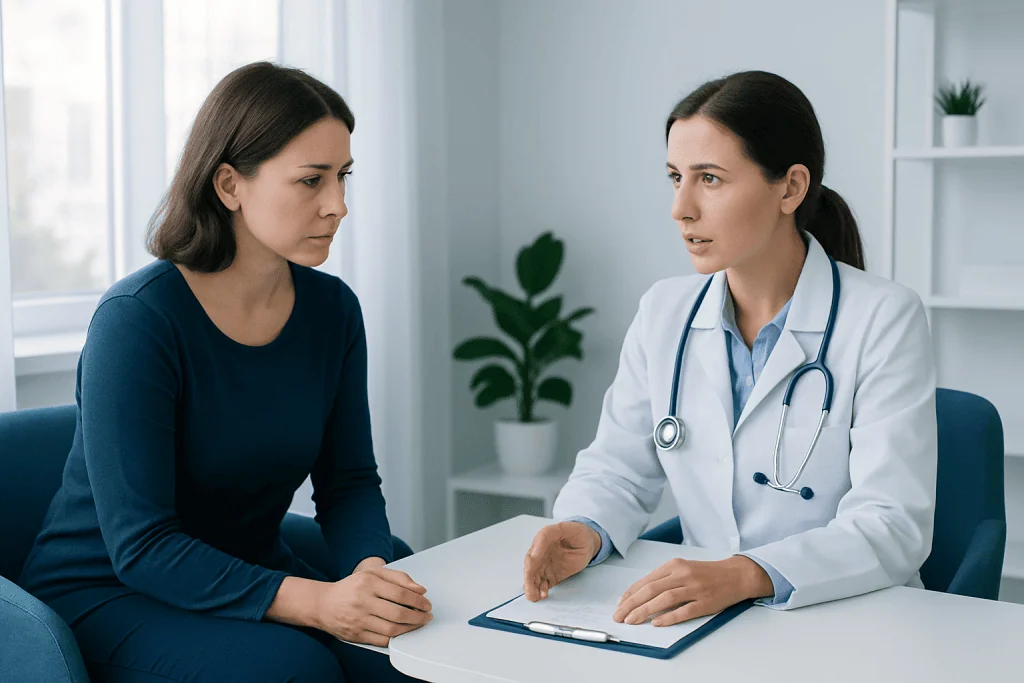
Diagnosis starts with listening carefully to the patient’s symptoms and childbirth history. A doctor may ask about the type of delivery, whether there was tearing or episiotomy, how healing progressed, when pain began, and whether symptoms occur with sex, exercise, bowel movements, or tampon use. This conversation is an important part of care because symptoms after childbirth are sometimes minimized, even though they are treatable.
A pelvic examination can help identify scar tenderness, narrowing of the vaginal opening, tissue dryness, granulation tissue, infection, pelvic floor muscle spasm, or other causes of pain. The exam is usually gentle and guided by the patient’s comfort. If pain is severe, the clinician may adapt the examination or divide it into steps.
Additional tests are not always necessary, but they may be used if another condition is suspected. The doctor may consider hormonal factors, infection, nerve-related pain, or structural issues that affect pelvic support. When the symptoms are complex, referral to specialists in gynecology, urogynecology, colorectal surgery, pain medicine, or pelvic floor rehabilitation may be helpful.
Treatment Options
Treatment depends on the underlying cause of symptoms. If the main issue is scar sensitivity or pelvic floor muscle tension, conservative care is often the first step. This may include lubricants, measures for vaginal dryness, scar massage when appropriate, and pelvic floor therapy to reduce muscle guarding and improve comfort. Pelvic floor physical therapists can teach relaxation techniques, breathing exercises, and graded methods for returning to penetration.
Some patients benefit from medications or topical therapies recommended by a physician, especially if pain is linked to inflammation, hormonal changes, or nerve sensitivity. If there is a localized scar band, tender repair, or clear narrowing that does not improve with conservative care, a gynecologic surgeon may discuss a minor corrective procedure. In selected cases, vaginal reconstructive surgery or revision of the scar may help restore comfort and function.
When symptoms overlap with pelvic support problems or urinary issues, a broader pelvic health evaluation may be useful. Depending on the findings, care may include urogynecologic evaluation and treatment in addition to symptom-directed therapy. The most suitable plan is individualized, and treatment decisions should be made with a qualified clinician who can explain expected benefits, limits, and recovery.
Recovery, Self-care, and Prevention
Good postpartum healing begins with rest, hygiene, and giving the tissues enough time to recover. Patients are usually advised to follow their doctor’s instructions about wound care, bowel habits, activity levels, and when it is safe to resume sex. Intercourse should not be rushed, especially if there is pain, dryness, or fear related to childbirth recovery.
Self-care may include using water-based lubricant during sex, addressing constipation to avoid straining, and seeking help early if pain persists. Communication with a partner can also reduce anxiety and prevent repeated painful attempts at penetration. If pelvic floor muscles feel tight or penetration is difficult, stopping and arranging medical review is usually more helpful than pushing through pain.
Prevention centers on respectful, evidence-based obstetric repair and open postpartum follow-up. Repair of tears or episiotomy should aim to restore normal anatomy rather than create tightness. At follow-up visits, patients should feel able to report pain, scarring, bowel symptoms, urinary symptoms, or sexual concerns without embarrassment. Near the end of recovery, if specialized care is needed, Acibadem International’s multidisciplinary specialists in JCI-accredited hospitals evaluate and treat postpartum pelvic health conditions for international patients.
When to Seek Medical Care
Medical care should be sought if postpartum pain does not improve, if intercourse remains painful after healing time has passed, or if there is persistent tightness at the vaginal opening. Evaluation is also important for bleeding from the scar, discharge, fever, severe tenderness, or a wound that seems to have opened or healed unevenly.
A prompt appointment is advisable when pain prevents pelvic exams, tampon use, or bowel movements, or when symptoms are causing emotional distress. If there is sudden heavy bleeding, signs of infection, severe swelling, or inability to pass urine or stool, urgent medical assessment is needed.
People who are unsure whether their symptoms are due to a husband stitch, scar tissue, dryness, pelvic floor dysfunction, or another postpartum issue should not try to diagnose the problem on their own. A qualified doctor can identify the cause and explain safe treatment options.
Frequently asked questions
Is a husband stitch a real medical procedure?
Husband stitch is not a formal medical term or a recommended obstetric procedure. It describes an unnecessary extra tightening during repair after vaginal birth. Proper repair should restore anatomy and support healing, not make the vaginal opening tighter.
How can someone tell if they may have a husband stitch?
There is no way to confirm this without a medical evaluation. Symptoms that may raise concern include persistent perineal pain, painful intercourse, a feeling of tightness at the vaginal opening, or focal scar tenderness. These symptoms can also happen for other reasons, so a pelvic exam is important.
Can postpartum painful sex happen even without a husband stitch?
Yes. Painful sex after childbirth can result from scar tissue, pelvic floor muscle tension, vaginal dryness, hormonal changes, infection, or other pelvic conditions. Because the causes are varied, treatment should be based on an accurate diagnosis.
Will the symptoms go away on their own?
Some mild discomfort improves as tissues heal and postpartum hormone levels change. However, ongoing pain, marked tightness, or problems with intercourse should not be ignored. Early treatment may help prevent chronic pain and muscle guarding.
What treatments are available?
Treatment may include lubricants, measures for dryness, pelvic floor physical therapy, scar management, and physician-guided pain treatment. If there is a clearly restrictive scar or narrowed opening, a corrective procedure may be considered. The best option depends on the cause of symptoms.
When is it safe to have sex after childbirth?
The timing varies, and a doctor’s advice should be followed based on healing, bleeding, and overall recovery. Even when sex is medically allowed, some people need more time because of pain, dryness, or fatigue. Intercourse should not continue if it is painful.
Should someone feel embarrassed bringing this up with a doctor?
No. Postpartum pelvic pain and sexual discomfort are valid medical concerns and are common reasons for consultation. A qualified clinician should approach the topic respectfully and help explore treatment options.
References
- American College of Obstetricians and Gynecologists
- Royal College of Obstetricians and Gynaecologists
- National Health Service
- World Health Organization
This article is for general information only and is not a substitute for professional medical advice. Please consult a qualified doctor about your individual situation.
Explore treatments in Turkey — costs, top hospitals & a free quote
JCI-accredited · board-certified surgeons · reply within 24h
Add us as a Preferred Source to see more of our trusted health content across Google Search, AI Overviews and Discover.

More from the Health Library

Intersex: An Evidence-Based Guide for Patients

Intertrigo Pictures — Explained by Medical Evidence, Not Myths

Melatonin and Alcohol — Explained by Medical Evidence, Not Myths

Pretibial Myxedema — Explained by Medical Evidence, Not Myths

Exposed Tooth Root — Explained by Medical Evidence, Not Myths