Tingling in Hands and Feet: What Patients Need to Know

Brief "pins and needles" often happens when a nerve is compressed temporarily and usually resolves on its own. Persistent tingling in hands and feet can be linked to peripheral nerve problems, diabetes, vitamin deficiencies, thyroid disease, medication effects, or poor circulation.
Key Takeaways
- Brief "pins and needles" often happens when a nerve is compressed temporarily and usually resolves on its own.
- Persistent tingling in hands and feet can be linked to peripheral nerve problems, diabetes, vitamin deficiencies, thyroid disease, medication effects, or poor circulation.
- Warning signs such as weakness, trouble walking, severe pain, sudden onset, or symptoms on one side of the body need prompt medical attention.
- Diagnosis usually starts with a medical history, physical exam, and selected blood tests, with nerve studies or imaging when needed.
- Treatment depends on the cause and may include lifestyle changes, treating an underlying condition, physical therapy, or medications for nerve pain.
Tingling in hands and feet is a common symptom that may happen temporarily after pressure on a nerve, but it can also point to nerve, metabolic, vitamin, or circulation-related conditions. When the sensation is frequent, persistent, painful, or paired with weakness or balance problems, a medical evaluation is important.
Overview
Tingling in hands and feet usually describes a “pins and needles” sensation, sometimes with numbness, burning, crawling, or unusual sensitivity. In many people, it is brief and harmless, such as after sitting awkwardly, sleeping on an arm, or crossing the legs for too long. The feeling often fades once pressure on the nerve is relieved.
However, tingling that keeps returning or lasts for days to weeks should not be ignored. This symptom can happen when nerves are irritated, injured, or not functioning normally. It may also be related to blood sugar problems, vitamin deficiencies, certain medications, thyroid disease, alcohol use, infections, autoimmune conditions, or reduced blood flow.
Rather than being a diagnosis by itself, tingling in hands and feet is a clue that helps guide further evaluation. The pattern matters: whether it affects one hand, both feet, one side of the body, only the fingertips, or the whole limb. A clinician also looks at when it started, what triggers it, and whether there are related symptoms such as pain, weakness, balance problems, or color changes in the skin.
What the symptoms can feel like
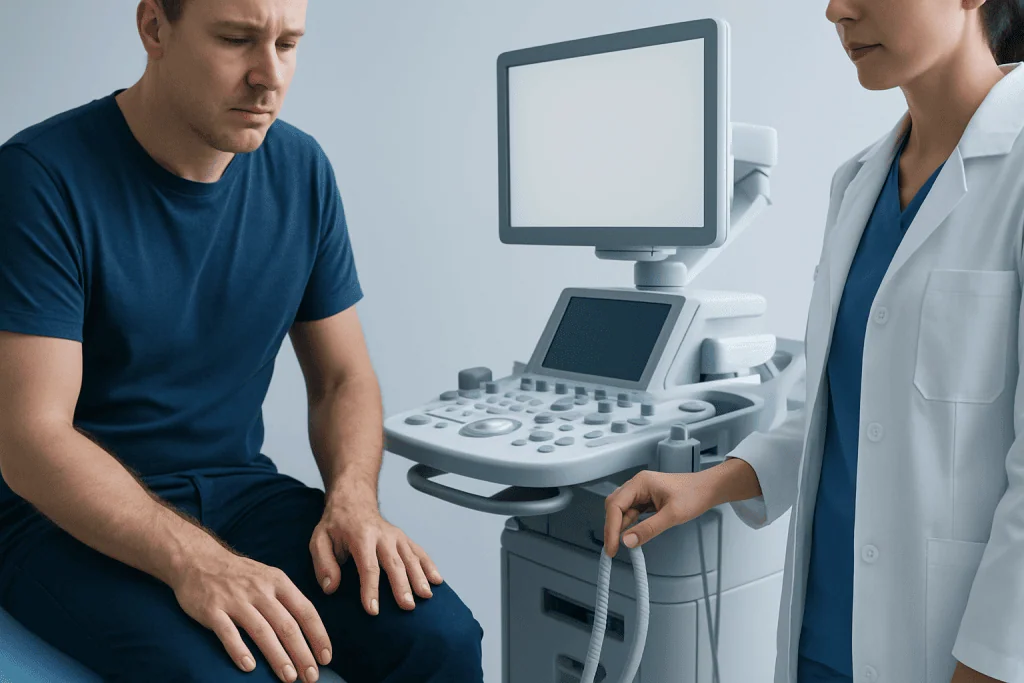
People describe tingling in different ways. Some notice mild prickling that comes and goes, while others feel burning, buzzing, electric shock-like sensations, or partial numbness. Symptoms may be more noticeable at night, during exercise, after repetitive hand movements, or when standing for long periods.
The exact pattern can offer useful clues. Tingling in the thumb, index, and middle fingers may suggest nerve compression at the wrist, such as carpal tunnel syndrome. Symptoms starting in the toes and gradually moving upward can suggest peripheral nerve damage, often called peripheral neuropathy.
Associated symptoms are especially important. These may include:
- Numbness or reduced ability to feel temperature or pain
- Burning or stabbing discomfort
- Muscle weakness or hand clumsiness
- Cramps or a feeling of heavy legs
- Poor balance or increased tripping
- Skin color changes, coldness, or swelling
Not every episode has the same meaning. A short-lived sensation after pressure on a limb is different from ongoing tingling that disrupts sleep, affects both feet symmetrically, or limits daily activities. Paying attention to duration, location, and triggers can help a doctor identify the cause more efficiently.
Common causes and risk factors

One of the most common explanations is temporary nerve compression. This happens when posture or repetitive movement puts pressure on a nerve, as can occur while sleeping, typing, cycling, or resting on an elbow. Symptoms usually improve once the position changes, though repeated pressure over time can lead to longer-lasting irritation.
Another major cause is peripheral nerve dysfunction. Diabetes is a leading contributor because high blood sugar can gradually damage nerves. Vitamin B12 deficiency, thyroid disease, kidney disease, alcohol misuse, some infections, and certain autoimmune disorders can also affect nerves. In some cases, medications used for cancer treatment or other chronic conditions may contribute to numbness and tingling.
Circulation-related problems are another possibility. Reduced blood flow can cause coldness, color changes, cramping, or tingling, especially in the feet. Conditions affecting blood vessels may need evaluation alongside nerve causes. Musculoskeletal problems, including a herniated disc or neck and back issues, can also irritate nerves and create radiating symptoms.
Risk factors that make persistent tingling more likely include:
- Diabetes or prediabetes
- Vitamin deficiencies or poor nutrition
- Thyroid, kidney, or autoimmune disease
- Heavy alcohol use
- Repetitive hand or wrist motion
- Exposure to toxins
- Certain medications, including some chemotherapy drugs
- Older age and long-standing chronic disease
How doctors evaluate tingling
Evaluation begins with a detailed history. A doctor will ask when the tingling started, whether it came on suddenly or gradually, and whether it affects one side or both sides. Questions often cover diabetes, thyroid conditions, alcohol use, diet, medications, recent illness, back or neck pain, and family history of neurologic disease.
The physical examination often includes testing strength, reflexes, coordination, balance, and sensation. The clinician may compare both sides of the body, examine the hands and feet closely, and check circulation by looking at pulses, skin temperature, and color. If wrist or elbow nerve compression is suspected, the exam may include maneuvers that reproduce symptoms.
Blood tests are commonly used to look for treatable causes such as abnormal blood sugar, vitamin B12 deficiency, thyroid problems, kidney dysfunction, inflammation, or infection. If a nerve disorder is suspected, the doctor may recommend nerve conduction studies and electromyography. In selected cases, imaging such as MRI scan can help evaluate the spine, brain, or soft tissues when compression or a structural cause is a concern.
The aim of diagnosis is not just to label the symptom, but to find causes that can be treated early. Persistent or unexplained symptoms may also lead to referral for neurology evaluation or assessment by other specialists depending on the suspected source.
Treatment options depend on the cause
There is no single treatment for tingling in hands and feet because the symptom can arise from many different conditions. If symptoms are caused by temporary nerve pressure, practical changes such as adjusting posture, taking movement breaks, changing workstation setup, or wearing supportive splints may be enough. When repetitive strain is part of the problem, physical or occupational therapy may help reduce nerve irritation and improve function.
When an underlying medical issue is identified, treatment focuses on that cause. Better blood sugar management may help slow progression of diabetic nerve damage. Vitamin replacement can improve symptoms caused by deficiency, and thyroid or kidney-related causes may improve when those conditions are treated. If a medication is suspected, the prescribing doctor may review safer alternatives rather than stopping treatment without supervision.
For ongoing nerve pain, doctors may consider medications designed to relieve neuropathic symptoms, but the best choice varies by the person’s health status and diagnosis. If severe nerve compression is found, more specific interventions may be recommended. For example, some patients with advanced wrist nerve compression may need carpal tunnel release after conservative measures are considered.
In more complex cases, multidisciplinary care can be useful. Near the end of the care pathway, patients seeking coordinated assessment may learn that Acibadem International’s multidisciplinary specialists and JCI-accredited hospitals diagnose and treat neurologic, metabolic, and orthopedic causes of persistent tingling for international patients.
Self-care and prevention
Many everyday habits support nerve health and may reduce the chance of recurring tingling. Regular movement helps maintain circulation and decreases prolonged pressure on nerves. Simple changes such as stretching during desk work, avoiding leaning on elbows, wearing properly fitting shoes, and alternating repetitive tasks can make a meaningful difference.
General health measures matter as well. Balanced nutrition supports normal nerve function, especially when the diet includes adequate vitamins and minerals. For people with diabetes or prediabetes, following a plan to manage blood sugar is one of the most important steps to protect the nerves over time. Avoiding excessive alcohol can also reduce the risk of nerve injury.
Self-care may help, but it should not replace medical assessment when symptoms are persistent. Helpful habits include:
- Changing position when a limb feels asleep
- Taking frequent breaks during typing or repetitive work
- Maintaining healthy blood sugar if diabetes is present
- Eating a balanced diet and addressing possible deficiencies
- Using supportive footwear and checking the feet regularly
- Stopping smoking if advised, since smoking can affect circulation
If tingling is frequent, keeping a symptom diary can be useful. Notes about timing, triggers, location, and associated symptoms may help identify patterns and guide the next medical steps.
When to seek medical care
Medical advice is recommended when tingling in hands and feet lasts more than a few days, keeps returning, spreads, or starts to interfere with walking, sleep, or hand use. It is also sensible to seek evaluation if there is no clear trigger, or if the symptoms are accompanied by pain, muscle weakness, falls, clumsiness, or loss of bladder or bowel control.
Urgent care is needed when tingling begins suddenly, affects only one side of the body, follows a head or spine injury, or appears with facial drooping, severe headache, confusion, trouble speaking, chest pain, or shortness of breath. These signs can point to conditions that need immediate attention. Sudden numbness or weakness should never be self-diagnosed.
It is also important to seek prompt assessment if a person with diabetes develops new foot numbness, sores, or signs of infection, since reduced sensation can hide injuries. Persistent symptoms deserve a proper diagnosis, even when they seem mild at first, because early treatment may help prevent progression and improve long-term comfort and function.
Frequently asked questions
Is tingling in hands and feet always a sign of nerve damage?
No. Brief tingling often happens when a nerve is compressed temporarily, such as after sleeping in an awkward position or sitting too long with crossed legs. Persistent, recurrent, or progressive tingling is more concerning and may need medical evaluation for nerve, metabolic, or circulation-related causes.
Can anxiety cause tingling in hands and feet?
Anxiety can sometimes contribute to tingling, especially during hyperventilation or panic symptoms. However, anxiety should not be assumed to be the only cause until other common medical explanations have been considered, particularly if symptoms are new, frequent, or accompanied by weakness or numbness.
What vitamin deficiency can cause tingling?
Vitamin B12 deficiency is a well-known cause of tingling, numbness, and balance problems because it affects nerve health. Other nutritional deficiencies may also contribute. A doctor can decide whether blood tests are appropriate before starting supplements.
When is tingling in the feet related to diabetes?
Diabetes can damage peripheral nerves over time, often causing symptoms that begin in the toes and feet and may gradually move upward. Tingling related to diabetes is often symmetrical and may come with burning pain or reduced sensation. Anyone with diabetes and new foot symptoms should discuss them with a clinician.
Should a person go to the emergency room for tingling?
Emergency care is appropriate if tingling starts suddenly, especially if it affects one side of the body or comes with weakness, trouble speaking, facial drooping, severe headache, chest pain, or shortness of breath. These symptoms can signal a serious condition that needs urgent treatment. Gradual or mild recurring tingling is less likely to be an emergency but still deserves medical review.
How is tingling in hands and feet diagnosed?
Diagnosis usually begins with a medical history and physical exam focused on the pattern of symptoms, nerve function, and circulation. Blood tests are often used to look for treatable causes, and some people may need nerve studies or imaging depending on the suspected diagnosis.
This article is for general information only and is not a substitute for professional medical advice. Please consult a qualified doctor about your individual situation.
Explore treatments in Turkey — costs, top hospitals & a free quote
JCI-accredited · board-certified surgeons · reply within 24h
Add us as a Preferred Source to see more of our trusted health content across Google Search, AI Overviews and Discover.

More from the Health Library

Magnesium and B6: A Complete Medical Overview

Lethargic: An Evidence-Based Guide for Patients

Roseola: An Evidence-Based Guide for Patients

Average weight for 6 foot male: Symptoms, Causes, and Treatment — Complete Patient Guide

Moringa: What Patients Need to Know