Shin Splints Exercises: An Evidence-Based Guide for Patients
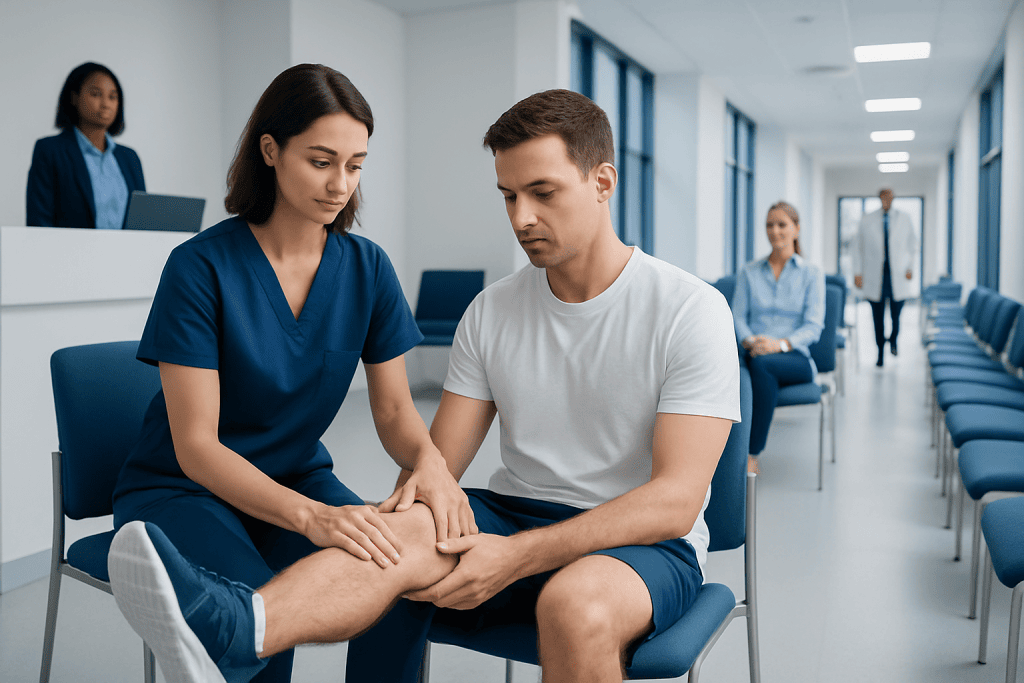
Shin splints usually improve with reduced impact, progressive exercises, and time. The most helpful exercises target the calves, ankles, feet, and hip support muscles.
Key Takeaways
- Shin splints usually improve with reduced impact, progressive exercises, and time.
- The most helpful exercises target the calves, ankles, feet, and hip support muscles.
- Pain that is sharp, one-sided, or focused on a small spot may need medical assessment.
- Training errors, hard surfaces, and unsupportive footwear often contribute to symptoms.
- A gradual return to running or jumping helps lower the chance of recurrence.
Shin splints exercises can help relieve symptoms and support recovery by improving calf strength, ankle mobility, and lower-leg load tolerance. The safest approach combines brief activity modification with a gradual exercise plan and medical review if pain is severe, persistent, or very localized.
Overview: what shin splints exercises are meant to do
Shin splints exercises are movements used to calm pain along the front or inner edge of the shin and help the lower leg tolerate activity again. In many people, shin splints refer to medial tibial stress syndrome, an overuse problem linked to repeated impact from running, jumping, brisk walking, or sudden increases in training. The goal of exercise is not to push through pain, but to restore mobility, strength, and load tolerance in a gradual way.
Exercise is only one part of care. Most patients recover best when exercises are combined with temporary reduction in high-impact activity, supportive footwear, and a planned return to sport or exercise. This article focuses on a practical, evidence-based approach for patients rather than a one-size-fits-all routine, because shin pain can have more than one cause.
It is also important to distinguish shin splints from other conditions. Some people with lower-leg pain may instead have a stress reaction or stress fracture, tendon irritation, nerve-related pain, or problems affecting the compartments of the leg during exercise. If symptoms are unclear or persistent, assessment by a qualified clinician is helpful. Related concerns such as stress fracture may need different management.
Symptoms and how shin splints usually feel
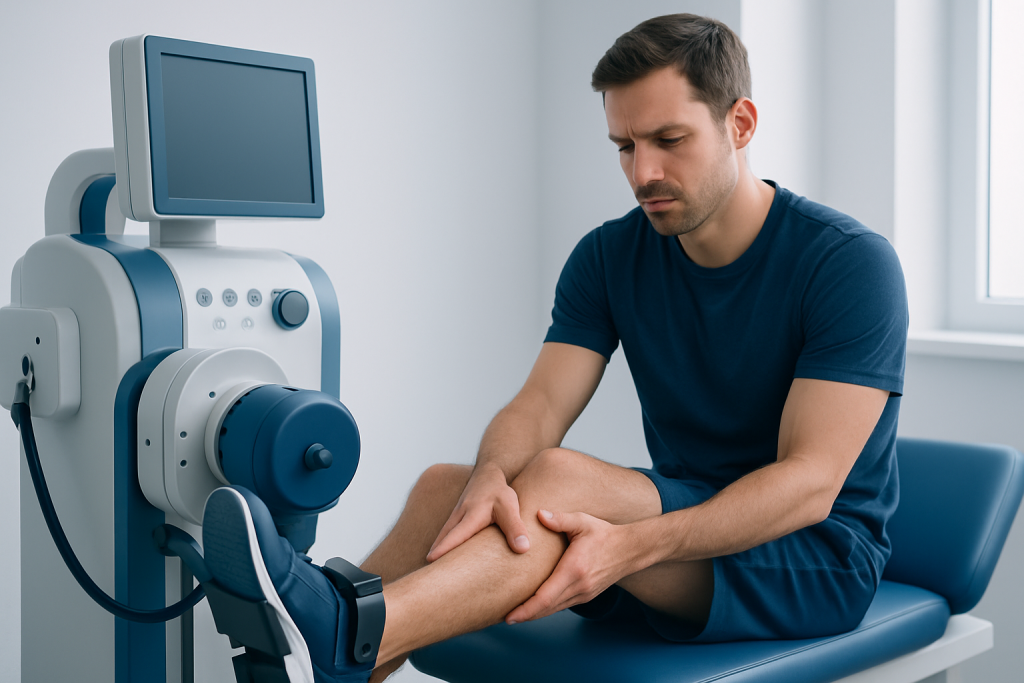
Shin splints often cause aching, tenderness, or soreness along the inner border of the shinbone, usually in the lower two-thirds of the leg. Pain may start during or after exercise and can improve with rest, especially early on. Some people notice mild swelling or stiffness in the lower leg, particularly after activity.
A typical pattern is discomfort that appears after a recent change in training, such as running farther, adding speed work, returning after a break, or switching to harder surfaces. The pain is often spread over a larger area rather than focused on a single point. Pressing along a broad section of the shin may reproduce the soreness.
Not all shin pain is the same. Warning features include pain in one very specific spot, pain at rest or at night, worsening limping, numbness, weakness, or severe swelling. These patterns can suggest a different diagnosis and should not be managed only with home exercises.
Why shin splints happen: causes and risk factors
Shin splints are usually related to repetitive loading that outpaces the body’s ability to adapt. Common triggers include sudden increases in training volume or intensity, frequent jumping, downhill running, military-style marching, or exercising on hard or uneven ground. Even a positive lifestyle change, such as starting a new walking or running program, can overload the tissues if progression is too fast.
Several physical factors may contribute. Tight calf muscles, limited ankle mobility, weakness in the foot or hip muscles, and poor shock absorption can increase strain on the tissues attached to the shinbone. Flat feet or a tendency for the foot to roll inward may play a role for some people, although this is not the only cause.
Footwear matters as well. Worn-out shoes, shoes that do not suit the activity, or abrupt changes in footwear can affect lower-leg loading. In some patients, shin pain overlaps with broader orthopedic issues involving running mechanics, recovery habits, or bone health. Persistent or recurrent symptoms may benefit from an orthopedic review; in some cases, broader care such as orthopedic assessment or structured physical therapy and rehabilitation is appropriate.
An evidence-based exercise plan for shin splints
The best shin splints exercises usually follow a phased approach. In the painful stage, the aim is to settle irritation while keeping the leg moving. Gentle ankle pumps, calf stretching within comfort, and short walks on flat ground may be enough at first. If an activity causes pain to rise clearly during the session or remain worse the next day, it is usually too much for that stage.
As symptoms begin to ease, mobility and strengthening work become the focus. Helpful exercises often include:
- Calf stretch: A gentle stretch for the gastrocnemius and soleus can reduce stiffness in the back of the lower leg.
- Heel raises: Starting with both feet and progressing to one leg builds calf strength and impact tolerance.
- Toe raises: Lifting the forefoot while the heels stay down can strengthen the muscles at the front of the shin.
- Towel scrunches or short-foot work: These help activate the small muscles of the foot that support the arch.
- Balance drills: Standing on one leg can improve lower-limb control.
- Hip strengthening: Side-lying leg lifts, bridges, or band walks can support overall leg alignment during walking and running.
Exercise should feel manageable, not punishing. Mild discomfort during or after strengthening may be acceptable for some patients, but sharp or escalating pain is a sign to reduce the load. The pace of progress depends on how irritable the symptoms are, how long they have been present, and whether the patient is trying to return to walking, running, field sports, or court sports.
Patients who have had symptoms for several weeks may benefit from a more individualized plan that includes gait review, loading advice, and return-to-sport progression. If another condition is suspected, imaging or specialty evaluation may be needed before continuing impact exercise.
How to return to activity without flaring symptoms
Many people feel better once pain settles, but returning too quickly is a common reason for recurrence. A gradual return works better than stopping all movement for a long period and then restarting at full intensity. Low-impact options such as cycling, swimming, or elliptical training can help maintain fitness while the shin recovers.
When walking is comfortable and strengthening exercises are well tolerated, some patients can begin a walk-run progression. This usually means short running intervals mixed with walking, with rest or lower-impact days between sessions. Distance, speed, hills, and jumping drills are added step by step rather than all at once.
It also helps to monitor symptoms over the next 24 hours. If pain remains mild and settles quickly, progression may be reasonable. If pain becomes more intense, lasts longer, or appears earlier in the next session, the load should be reduced. In athletes or active adults with recurring pain, a specialist may assess biomechanics and other contributors through sports medicine care.
Diagnosis and treatment beyond exercise
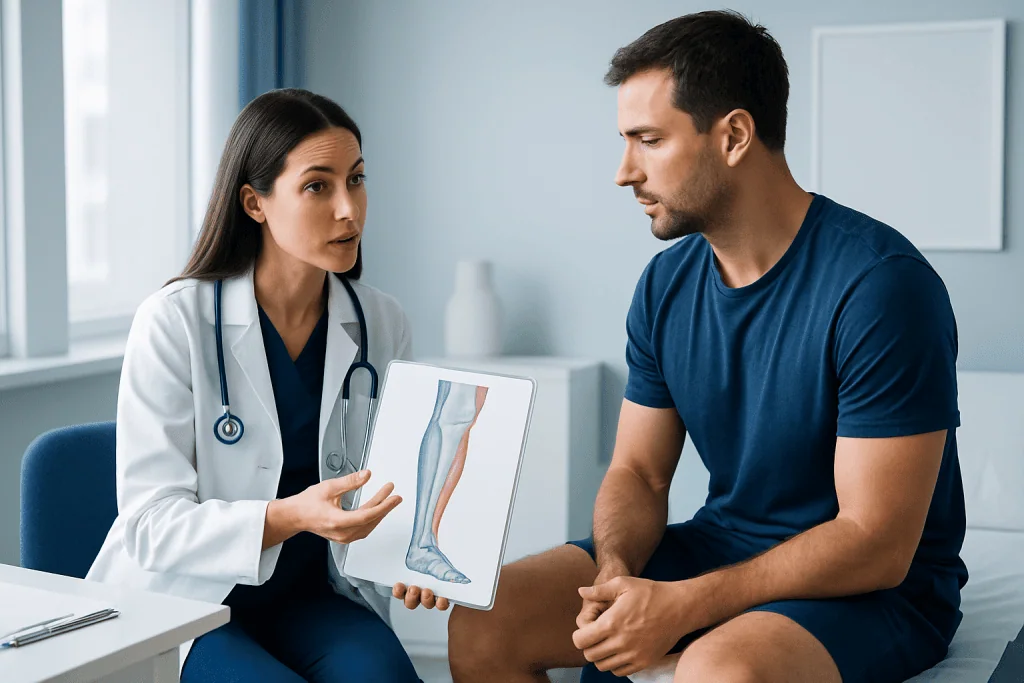
Shin splints are often diagnosed from the history and physical examination. A clinician will usually ask about training changes, the exact location of pain, footwear, previous injuries, and whether symptoms occur only with activity or also at rest. The shin is examined for tenderness, swelling, range of motion, strength, and signs that point to another cause.
Imaging is not always needed, but it may be recommended if pain is severe, very focal, lasts despite appropriate rest, or raises concern for a bone injury. Depending on the situation, tests can help distinguish shin splints from a stress fracture or other causes of lower-leg pain. In some cases, imaging studies such as MRI are useful when the diagnosis is uncertain.
Treatment commonly includes temporary activity modification, ice after exercise if it helps, appropriate footwear, and a graded rehabilitation program. Some patients benefit from arch supports or orthotics if foot mechanics are contributing, though these are not necessary for everyone. Recovery time varies: mild cases may improve in weeks, while longer-standing symptoms can take more time and a more structured plan.
Prevention and self-care strategies that support recovery
Prevention is largely about giving the lower leg time to adapt. Training increases should be gradual, especially after a break, illness, or injury. Alternating hard and easy days can reduce overload, and adding strength work to a running or exercise plan may improve resilience over time.
Footwear should match the activity and be replaced when worn out. Running on varied surfaces rather than only hard pavement may help some people, although sudden terrain changes can also be stressful if introduced too quickly. Warming up before intense exercise and cooling down afterward can be useful, especially if calf tightness is a recurring issue.
Self-care should stay practical and patient-centered. Helpful steps may include relative rest from painful impact, ice for short-term comfort, gentle stretching, and regular performance of the prescribed exercises. Nutrition, sleep, and overall recovery habits also matter because bone and soft tissues adapt best when the body is well supported.
For international patients needing evaluation, Acibadem International’s multidisciplinary specialists in JCI-accredited hospitals diagnose and treat overuse leg injuries with rehabilitation and orthopedic support tailored to the individual.
When to seek medical care
Medical assessment is sensible if shin pain does not begin to improve after a period of reduced impact and guided exercises, or if it keeps returning whenever activity resumes. A doctor or physiotherapist can help confirm the diagnosis, identify contributing factors, and design a safer progression plan.
Prompt medical care is more important when pain is severe, affects only one small point on the shin, causes limping, occurs at rest or at night, or comes with swelling, numbness, or weakness. These features may suggest a condition other than routine shin splints and may require further testing.
Children, teenagers, competitive athletes, and adults with bone health concerns should not ignore persistent shin pain. Early review can reduce the chance of a longer recovery and help patients return to normal activity with more confidence.
Frequently asked questions
What are the best shin splints exercises to start with?
Gentle calf stretches, ankle pumps, toe raises, and double-leg heel raises are common starting points. The best choice depends on pain level, so exercises should be easy to tolerate and should not cause clear worsening later that day or the next morning.
Should a person rest completely if they have shin splints?
Complete rest is not always necessary. Many patients do better with relative rest, meaning they reduce painful impact activities but continue comfortable movement and lower-impact exercise while starting rehabilitation.
How long does it take for shin splints to improve?
Recovery time varies with severity, training load, and whether the person continues to overload the leg. Mild cases may settle in a few weeks, while more persistent symptoms can take longer and may need structured rehabilitation.
Can someone keep running while doing shin splints exercises?
Sometimes, but only if symptoms are mild and do not worsen with running or over the following 24 hours. If pain increases, becomes more localized, or changes the person's gait, impact activity should be reduced and medical advice may be needed.
Are shin splints the same as a stress fracture?
No. Shin splints usually cause more diffuse pain along a broader area of the shin, while a stress fracture often causes more focal tenderness in one spot and may hurt even at rest. Because symptoms can overlap, persistent or severe pain should be assessed by a clinician.
Do shoe inserts or orthotics help shin splints?
They may help some people, especially if foot mechanics or poor support seem to contribute. However, they are not a universal solution and usually work best as part of a broader plan that includes load management and exercises.
This article is for general information only and is not a substitute for professional medical advice. Please consult a qualified doctor about your individual situation.
Explore treatments in Turkey — costs, top hospitals & a free quote
JCI-accredited · board-certified surgeons · reply within 24h
Add us as a Preferred Source to see more of our trusted health content across Google Search, AI Overviews and Discover.

More from the Health Library

Flexibility: What Patients Need to Know

Otc Meds for Acid Reflux: What Patients Need to Know

Nasacort: What Patients Need to Know

Sex Change Operation Procedure: Procedure, Recovery and Results

Walking Stick: An Evidence-Based Guide for Patients