Understanding Oligodendroglioma: A Complete Patient Guide

Oligodendroglioma is a primary brain tumor that often grows slowly but still needs specialist evaluation. Common symptoms can include seizures, headaches, changes in thinking, weakness, or speech difficulties.
Key Takeaways
- Oligodendroglioma is a primary brain tumor that often grows slowly but still needs specialist evaluation.
- Common symptoms can include seizures, headaches, changes in thinking, weakness, or speech difficulties.
- Diagnosis usually combines brain imaging, surgery or biopsy, and molecular testing such as IDH mutation and 1p/19q codeletion.
- Treatment may involve surgery, radiation therapy, chemotherapy, or careful monitoring in selected cases.
- Regular follow-up is important because treatment decisions depend on tumor grade, location, symptoms, and changes over time.
Oligodendroglioma is a type of brain tumor that starts in cells that support nerve fibers in the central nervous system. It can behave differently from person to person, so care usually focuses on confirming the diagnosis, understanding the tumor’s biology, and choosing treatment based on symptoms, growth rate, and overall health.
Overview
Oligodendroglioma is a rare type of brain tumor that begins in oligodendrocytes, the cells that help support and protect nerve fibers in the brain and spinal cord. In most cases, it develops in the brain rather than the spinal cord. Many oligodendrogliomas grow relatively slowly, but they are still considered serious medical conditions because they can affect important brain functions and may change over time.
This tumor belongs to a broader group called gliomas. Modern diagnosis does not rely only on how the tumor looks under a microscope. It also depends on molecular features, especially whether the tumor has an IDH mutation and a combined loss of chromosome arms 1p and 19q, known as 1p/19q codeletion. These features help doctors confirm that a tumor is an oligodendroglioma and guide treatment planning.
Some people learn they have an oligodendroglioma after a seizure or persistent headaches, while others are diagnosed after imaging done for another reason. Because symptoms can overlap with those of other brain conditions, a careful evaluation is important. A specialist team may also compare it with related tumors such as brain tumors or glioma when deciding on the best next step.
Symptoms and How It May Affect Daily Life
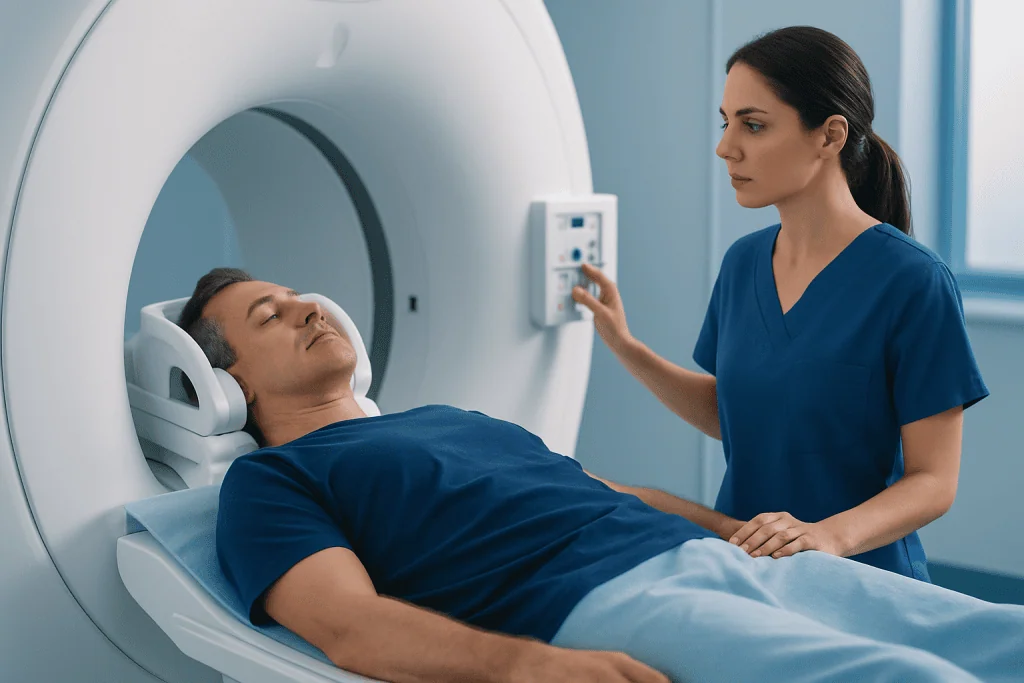
Symptoms of oligodendroglioma depend mainly on where the tumor is located, how large it is, and whether it is increasing pressure inside the skull. Seizures are a common early symptom, especially when the tumor affects the cerebral hemispheres. Headaches may also occur, although headache alone does not mean a person has a brain tumor.
Other symptoms can include changes in memory, concentration, mood, or personality. Some people notice weakness on one side of the body, numbness, vision changes, balance problems, or difficulty speaking. If the tumor is near areas that control language or movement, even a small lesion can have a meaningful effect on everyday activities.
Daily life may be affected in practical ways. A person may need help with work, driving, or complex tasks if seizures or thinking changes are present. Family members often notice subtle changes before the patient does. New or worsening neurological symptoms should be discussed with a doctor promptly, especially if they are accompanied by vomiting, confusion, or reduced alertness.
- Seizures
- Persistent or worsening headaches
- Memory or concentration problems
- Speech or language difficulties
- Weakness, numbness, or coordination problems
- Changes in behavior or personality
Causes, Risk Factors, and Tumor Grading

In most people, the exact cause of oligodendroglioma is not known. It is not usually linked to anything a patient did or did not do. Unlike some cancers, there are no well-established lifestyle causes. Most cases appear sporadically, meaning they develop without a clear inherited pattern.
Researchers understand more about the tumor’s biology than about its original cause. Oligodendrogliomas are typically associated with an IDH gene mutation and 1p/19q codeletion. These molecular findings are central to diagnosis today. They also help doctors estimate how the tumor may behave and which treatments are more likely to be considered.
Doctors classify oligodendroglioma by grade. Lower-grade tumors generally grow more slowly, while higher-grade tumors behave more aggressively and may need more intensive treatment. Even so, grade is only one part of the picture. Age, tumor location, symptoms, extent of surgical removal, and molecular results all matter when discussing outlook and planning long-term care.
How Oligodendroglioma Is Diagnosed
Diagnosis usually starts with a neurological evaluation and brain imaging. Magnetic resonance imaging, or MRI, is the main test used to look at the tumor’s size, location, and effect on surrounding tissue. In some situations, additional imaging may help doctors understand blood flow, metabolism, or whether the lesion looks active or slow growing.
Imaging alone cannot always give a final diagnosis. To confirm oligodendroglioma, doctors usually need a tissue sample obtained through surgery or biopsy. A pathologist examines the tumor under a microscope and performs molecular testing. This step is essential because treatment decisions increasingly depend on the tumor’s genetic profile, not just its appearance.
The diagnostic process may feel overwhelming, but each step serves a clear purpose. The team often includes neurologists, neuroradiologists, neurosurgeons, pathologists, radiation oncologists, and medical oncologists. In centers with advanced imaging and pathology services, MRI scanning and brain tumor surgery are often part of a coordinated pathway designed to define the diagnosis as accurately as possible.
Doctors may also evaluate seizure history, cognitive function, and general health before treatment begins. These details help shape decisions about the timing of surgery, the need for rehabilitation, and how treatment might affect work, school, family life, and independence.
Treatment Options
Treatment for oligodendroglioma is individualized. Surgery is often the first major step when it can be done safely. The goals are to obtain tissue for diagnosis, reduce pressure on the brain, improve symptoms, and remove as much of the tumor as possible without harming important brain functions. In some cases, surgery also helps reduce seizure burden.
After surgery, some patients are monitored with regular MRI scans, especially if the tumor is lower grade, symptoms are controlled, and much of the tumor was removed. Others may need additional treatment. Radiation therapy can help control remaining tumor cells, and chemotherapy may be recommended depending on the grade and molecular profile. A commonly used approach combines radiation with chemotherapy for selected patients.
Supportive treatment is also important. Anti-seizure medicines may be prescribed if seizures have occurred. Some patients may need corticosteroids for swelling, along with rehabilitation therapies for speech, movement, or cognitive changes. If the tumor cannot be safely removed completely, long-term follow-up becomes especially important to watch for regrowth or progression.
Care is often delivered through a multidisciplinary team, sometimes including stereotactic radiosurgery or radiation oncology services when appropriate. Near the end of the care journey, some international patients choose centers such as Acibadem International, where multidisciplinary specialists in JCI-accredited hospitals evaluate and treat complex brain tumors with coordinated neurosurgical and oncology expertise.
Living With Oligodendroglioma and Follow-Up Care
Living with oligodendroglioma often means balancing treatment, monitoring, and everyday life. Even when the tumor grows slowly, follow-up is essential because changes can happen months or years later. Routine MRI scans help doctors look for tumor stability, recurrence, or progression after surgery, radiation, or chemotherapy.
Recovery and adjustment can involve more than the tumor itself. Some people experience fatigue, difficulty concentrating, anxiety about scan results, or changes in work and family roles. Rehabilitation may help with speech, memory, strength, coordination, and coping skills. Emotional support from counseling, support groups, or trusted family members can also be valuable.
Patients are usually advised to keep a clear record of symptoms, medications, and scan dates. Questions about driving, exercise, travel, pregnancy, employment, and seizure precautions are best discussed directly with the treating team. Regular communication helps patients understand what symptoms to watch for and when a change may require medical attention.
When to Seek Medical Care
A person should seek medical care if there are unexplained seizures, headaches that are persistent or worsening, new weakness, speech difficulty, personality change, or other neurological symptoms. These symptoms do not always mean oligodendroglioma, but they do need assessment, especially if they are new or progressive.
Urgent medical attention is needed for a first seizure, sudden confusion, severe drowsiness, repeated vomiting, a rapidly worsening headache, or sudden loss of strength, speech, or vision. These symptoms can signal increased pressure in the brain or another serious neurological problem. Immediate evaluation is the safest course.
After diagnosis, patients should contact their care team if symptoms change between scheduled visits. New seizures, increasing headaches, medication side effects, or declining memory or balance may mean the treatment plan needs to be adjusted. Early communication often helps manage problems before they become more disruptive.
Frequently asked questions
Is oligodendroglioma cancer?
Oligodendroglioma is a type of primary brain tumor and is generally considered a form of brain cancer. However, its behavior can vary widely, and many cases grow more slowly than other malignant brain tumors. The exact outlook depends on tumor grade, location, and molecular features.
What are the first signs of oligodendroglioma?
Seizures are one of the most common early signs. Other first symptoms may include headaches, changes in thinking, speech problems, weakness, or subtle personality changes. Symptoms depend on which part of the brain is affected.
How is oligodendroglioma confirmed?
Doctors usually begin with MRI of the brain, but a definite diagnosis typically requires a biopsy or surgery to obtain tumor tissue. The tissue is examined under a microscope and tested for markers such as IDH mutation and 1p/19q codeletion. These results are important for both diagnosis and treatment planning.
Can oligodendroglioma be cured?
Some oligodendrogliomas can be controlled for many years, especially when they are lower grade and respond well to treatment. Whether doctors use the word cure depends on the individual case and long-term follow-up. Even after successful treatment, ongoing monitoring is usually necessary.
Does everyone with oligodendroglioma need chemotherapy and radiation?
No. Some patients may be monitored after surgery if the tumor is lower grade, symptoms are limited, and imaging is stable. Others may benefit from radiation therapy, chemotherapy, or both, depending on age, tumor grade, residual tumor, and molecular findings.
What is the prognosis for oligodendroglioma?
Prognosis varies from person to person. Factors that influence outlook include tumor grade, how much of the tumor can be removed, the patient’s age and general health, and molecular features such as IDH mutation and 1p/19q codeletion. A treating specialist can give the most meaningful estimate after full evaluation.
References
- World Health Organization
- National Cancer Institute
- American Brain Tumor Association
- National Institute of Neurological Disorders and Stroke
- European Association of Neuro-Oncology
This article is for general information only and is not a substitute for professional medical advice. Please consult a qualified doctor about your individual situation.
Joint and spine care in Turkey — expert assessment & treatment
JCI-accredited · board-certified surgeons · reply within 24h
Add us as a Preferred Source to see more of our trusted health content across Google Search, AI Overviews and Discover.

More from the Health Library



Related Specialists

Prof. Dr. Hasan M. Tanyeri
Ear Nose & Throat
Assoc. Prof. Dr. Nuri Peker
Gynecology & Obstetrics
Dr. Yakup Tire
Cardiovascular Surgery
Assoc. Prof. Dr. Mustafa Taş
Gynecology & Obstetrics