Adonis Belt: What Patients Need to Know

The adonis belt is a visible anatomical groove, not a distinct muscle. Its appearance depends on genetics, body fat distribution, muscle development, and skin characteristics.
Key Takeaways
- The adonis belt is a visible anatomical groove, not a distinct muscle.
- Its appearance depends on genetics, body fat distribution, muscle development, and skin characteristics.
- There is no healthy way to reduce fat from only one area of the body.
- Extreme dieting, dehydration, or overtraining to create a more visible adonis belt can be harmful.
- Medical advice is important if body-shape goals lead to pain, rapid weight changes, or disordered eating behaviors.
The adonis belt is the visible V-shaped line that runs from the hips toward the pubic area. It is not a separate muscle, but a surface contour formed by normal anatomy, muscle tone, skin, and relatively low body fat.
Overview: What the adonis belt actually is
The adonis belt refers to the V-shaped lines sometimes seen at the lower abdomen and front of the hips. Many people know it as the “V line” or “sex lines.” In medical terms, this visible contour relates to the inguinal region and the way skin, connective tissue, pelvic bones, and nearby abdominal muscles appear at the surface.
It is important to clarify that the adonis belt is not a separate muscle that can be isolated and built on its own. Instead, it becomes more noticeable when several factors come together: lower overall body fat, developed abdominal and hip muscles, and a body structure that naturally shows this area more clearly. Some people can be very fit and still have only a faint V line, while others may show it more easily because of genetics.
Because online discussions often focus on appearance, patients may assume the adonis belt is a sign of health by itself. It is not a medical marker of fitness, hormone balance, or athletic ability. A person can be healthy without visible lower-abdominal definition, and a visible adonis belt does not automatically mean someone is healthier than others.
Anatomy behind the V-shaped lower abdominal line
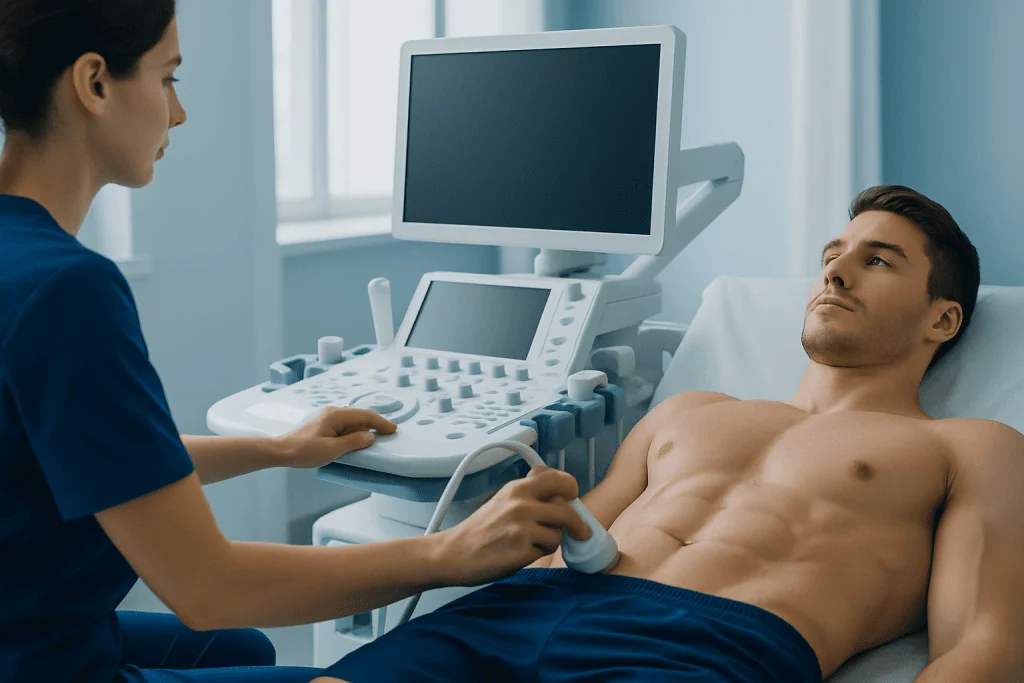
The visible groove commonly called the adonis belt is shaped by normal anatomical landmarks. These include the iliac crest of the pelvis, the inguinal ligament region, the lower portion of the abdominal wall, and the overlying layers of skin and fat. When the tissues above these structures are relatively thin, the V shape may become easier to see.
The nearby muscles include the rectus abdominis, internal and external obliques, and deep core muscles such as the transversus abdominis. These muscles support posture, breathing, trunk movement, and core stability. They do not exist to create a cosmetic line, but strengthening them can contribute to a firmer abdominal wall and more visible definition in some people.
Sex, age, hormone patterns, and inherited body shape all influence how this region looks. Men may develop a more visible adonis belt more commonly because of typical patterns of fat storage, but women can also have a V-shaped lower abdominal contour. The exact appearance varies widely and should be understood as a normal difference in human anatomy rather than an ideal everyone should pursue.
What affects whether the adonis belt is visible

The main factors that affect visibility are overall body fat, muscle mass, genetics, and skin quality. Lower body fat can reveal more contour in the abdomen and hips, but there is no exact level at which the adonis belt will appear for every person. Some bodies store more fat in the lower abdomen even when the arms, face, or upper abdomen look lean.
Genetics strongly influence fat distribution, pelvic width, muscle shape, and connective tissue. This means two people following similar eating and exercise plans may look very different. Skin elasticity and previous weight changes can also affect the smoothness and definition of the lower abdomen.
Lifestyle factors matter as well. Strength training can improve muscle tone, and balanced nutrition can support healthy body composition. In contrast, crash diets, severe dehydration, stimulant misuse, or excessive exercise may temporarily change appearance but can harm physical and mental health. If someone is considering body contouring because of persistent fat deposits or skin concerns, a doctor may discuss options such as liposuction or abdominoplasty when appropriate, but these are individualized decisions rather than routine solutions.
Can exercises create an adonis belt?
Exercise can strengthen the core and improve overall body composition, but it cannot guarantee an adonis belt. No single workout can selectively remove fat from the lower abdomen. This is a common misunderstanding. The body loses fat according to genetics, hormones, age, and total energy balance, not because one area is exercised more often.
That said, a well-designed routine may help the lower abdomen look firmer over time. Programs often include compound strength training, core stabilization work, regular physical activity, and recovery. Examples of useful core exercises include planks, dead bugs, side planks, and controlled leg-lowering movements. These support the trunk and may improve abdominal tone, but they should be done with correct form to avoid strain.
Exercise should be approached as part of overall health rather than a cosmetic test. For some people, especially after pregnancy, major weight change, or abdominal surgery, the shape of the midsection may also be affected by separation of the abdominal muscles, such as diastasis recti. In those cases, tailored guidance from a clinician or physiotherapist may be more helpful than intensive abdominal workouts alone.
Nutrition, body fat, and realistic expectations
Nutrition plays a central role in body composition, but healthy eating should not be reduced to trying to make one body feature visible. A balanced eating pattern usually includes adequate protein, fiber-rich foods, fruits, vegetables, whole grains, and healthy fats. Enough fluid intake, sleep, and stress management also support metabolic health and exercise recovery.
Trying to achieve a very lean appearance too quickly can carry risks. Restrictive dieting may lead to nutrient deficiencies, fatigue, dizziness, menstrual changes, low mood, irritability, or loss of muscle mass. In some people, appearance-focused dieting can trigger unhealthy patterns such as binge-restrict cycles or excessive body checking.
Rapid shifts in weight may also affect skin quality and abdominal contour. For people with overweight or obesity who are seeking medically supervised weight reduction for health reasons, clinicians may discuss structured nutrition plans, exercise support, medication, or selected procedures such as gastric balloon in appropriate cases. The goal should be long-term health and sustainable habits, not extreme short-term definition.
Medical and cosmetic considerations
Most questions about the adonis belt are cosmetic rather than medical. However, changes in the lower abdomen can sometimes reflect issues that deserve assessment, such as a hernia, abdominal wall weakness, chronic bloating, or skin laxity after weight loss. Pain, asymmetry, or a new bulge should not be assumed to be part of normal body definition.
Patients occasionally ask whether surgery can “create” an adonis belt. Cosmetic procedures may improve contour in selected cases, but they do not replace healthy habits and are not suitable for everyone. Doctors assess overall health, skin quality, body stability, expectations, and the reason for the concern before recommending any intervention. In some cases, a lower-abdominal lump may instead relate to a condition such as inguinal hernia, which requires a different medical approach.
At the end of the evaluation process, the safest plan is the one that matches the individual’s health needs and realistic goals. Near the end of a care journey, some international patients choose assessment at Acibadem International, where multidisciplinary specialists in JCI-accredited hospitals diagnose and treat abdominal wall and body-contouring concerns based on clinical findings.
Healthy self-care and body-image awareness
For most people, the best self-care approach is to focus on strength, function, and overall well-being instead of one visual feature. A sustainable routine usually includes regular movement, progressive strength training, enough protein and micronutrients, good sleep, and avoiding smoking or misuse of supplements. Visible definition may or may not happen, and either outcome can still fit within good health.
It can also help to be cautious with social media images. Lighting, posture, dehydration, photo editing, and temporary muscle “pump” can all exaggerate the V line. Comparing the body to curated images may create unrealistic expectations and unnecessary stress.
Someone who feels preoccupied with body shape, avoids eating normally, or exercises despite injury or exhaustion may benefit from speaking with a doctor, dietitian, or mental health professional. Support is especially important if appearance goals are interfering with work, school, relationships, or self-esteem.
- Choose balanced meals rather than severe restriction.
- Train the full body, not only the abdomen.
- Allow rest days and recovery.
- Seek qualified advice before using supplements or pursuing procedures.
When to seek medical care
Medical care is worth seeking if there is lower abdominal pain, a visible bulge, tenderness in the groin, sudden asymmetry, or symptoms that worsen with coughing or lifting. These signs may point to a hernia or another condition rather than normal anatomy. Persistent bloating, unexplained weight loss, fever, or digestive symptoms also deserve professional assessment.
A doctor should also be consulted if efforts to achieve an adonis belt involve extreme calorie restriction, repeated dehydration, laxative misuse, compulsive exercise, or rapid weight change. These behaviors can affect heart rhythm, kidney function, hormones, bone health, mood, and long-term metabolism.
In general, the adonis belt itself is simply a variation in body contour. When questions arise, a qualified clinician can help distinguish between normal anatomy, fitness goals, and conditions that require treatment. Personalized guidance is safer and more effective than relying on internet advice alone.
Frequently asked questions
Is the adonis belt a muscle?
No. The adonis belt is not a separate muscle. It is a visible groove created by the shape of the pelvis, the lower abdominal wall, nearby muscles, and relatively low overlying body fat.
Does having an adonis belt mean a person is healthy?
Not necessarily. A visible adonis belt is an appearance feature, not a medical measure of health. A person can be healthy without it, and someone with it may still have unrelated health concerns.
Can lower-ab exercises make the adonis belt appear?
Exercises can strengthen the core and improve muscle tone, but they cannot selectively remove fat from the lower abdomen. Visibility depends on overall body composition, genetics, and normal anatomical differences.
Why do some people never develop a visible adonis belt?
Genetics plays a major role in fat distribution, pelvic shape, and how muscles and connective tissue appear under the skin. Even with regular training and healthy habits, some people will not show a strong V line, and that is normal.
Is it safe to diet aggressively to get an adonis belt quickly?
No aggressive approach is considered ideal or risk-free. Severe dieting, dehydration, and overtraining can lead to fatigue, nutrient deficiencies, hormonal changes, dizziness, and unhealthy relationships with food or exercise.
When should someone worry about changes near the adonis belt area?
Concern is appropriate if there is pain, a lump or bulge, redness, sudden asymmetry, or symptoms that get worse with coughing or lifting. Those signs may reflect a hernia or another medical issue and should be checked by a doctor.
References
- Cleveland Clinic
- Mayo Clinic
- American Council on Exercise
- National Institute of Diabetes and Digestive and Kidney Diseases
- MedlinePlus
This article is for general information only and is not a substitute for professional medical advice. Please consult a qualified doctor about your individual situation.
Medical weight-loss options in Turkey — costs & eligibility
JCI-accredited · board-certified surgeons · reply within 24h
Add us as a Preferred Source to see more of our trusted health content across Google Search, AI Overviews and Discover.
Check your numbers in seconds
BMI, calories, due date, blood pressure and 30+ more clinical calculators — free, instant, doctor-reviewed ranges.

More from the Health Library

Astraphobia: A Complete Medical Overview

Catheter Bag: An Evidence-Based Guide for Patients

Cream for Haemorrhoid — Explained by Medical Evidence, Not Myths

Catatonia: An Evidence-Based Guide for Patients

Op Hartmann: A Complete Medical Overview