Op Hartmann: A Complete Medical Overview

Op Hartmann is usually used for serious colon problems when immediate reconnection of the bowel is not safe. The operation removes the affected section of colon and creates a temporary or permanent colostomy.
Key Takeaways
- Op Hartmann is usually used for serious colon problems when immediate reconnection of the bowel is not safe.
- The operation removes the affected section of colon and creates a temporary or permanent colostomy.
- Recovery includes wound care, stoma care, pain control, and gradual return to eating and activity.
- In selected patients, the colostomy may later be reversed with another operation.
- Urgent symptoms such as severe abdominal pain, fever, vomiting, or no stool or gas need prompt medical assessment.
Op Hartmann is a surgical procedure in which a diseased part of the large bowel is removed, the rectal stump is closed, and a colostomy is created to divert stool. It is most often performed when the bowel is inflamed, blocked, perforated, or infected and a direct reconnection would be unsafe at that time.
Overview: what op Hartmann means
Op Hartmann, also called the Hartmann procedure, is an operation on the large intestine. In this surgery, the surgeon removes the diseased or injured segment of the colon, closes the lower end leading to the rectum, and brings the upper end of the bowel out through the abdominal wall as a colostomy. This allows stool to leave the body into a stoma bag while the lower bowel is left to heal or is bypassed permanently.
This procedure is commonly chosen when the bowel is too inflamed, infected, damaged, or unstable for the surgeon to safely reconnect the two bowel ends during the same operation. It is often done urgently in conditions such as perforated diverticulitis, bowel obstruction, traumatic injury, or some colorectal cancers. In these situations, controlling infection and protecting the patient are the main priorities.
Op Hartmann can be planned or performed as an emergency operation. For some people, the colostomy is temporary and may be reversed later. For others, depending on overall health, the original disease, and the remaining bowel, the colostomy may be long term or permanent.
Why this operation is performed
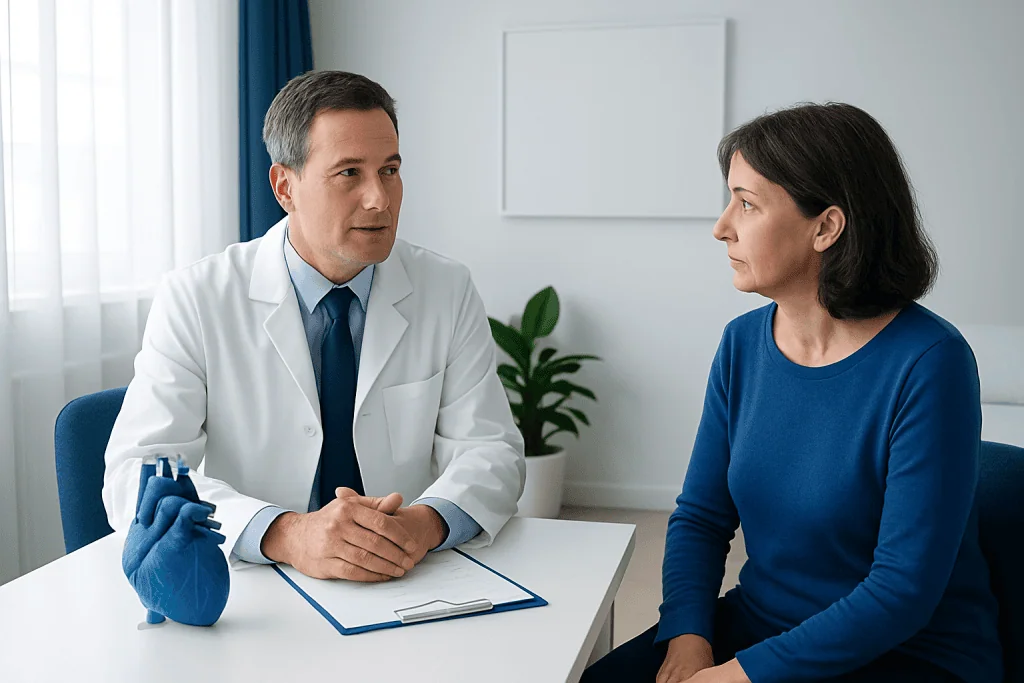
The Hartmann procedure is used when a section of the colon cannot safely remain in place and when immediate reconnection of the bowel would carry a high risk of leakage or serious infection. The operation is especially valuable in emergency settings, when the bowel may be swollen, contaminated, poorly supplied with blood, or surrounded by infection.
Common reasons include complicated diverticular disease, a blocked colon, bowel perforation, severe infection in the abdomen, bowel injury, and certain cancers of the left side of the colon. In some cases, it may be part of treatment planning for colon cancer or severe diverticulitis when inflammation has made safer alternatives less suitable.
Surgeons individualize the decision. Factors such as age, other medical conditions, nutritional status, immune function, prior operations, and the severity of sepsis or contamination can influence whether op Hartmann is the safest choice.
How the procedure is done
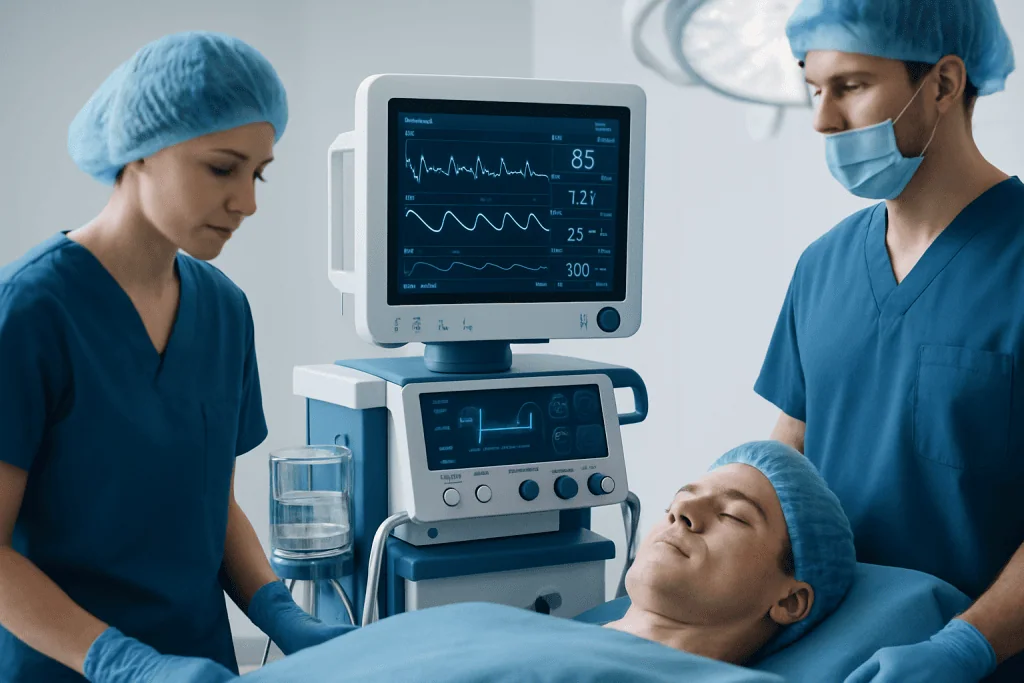
Before surgery, the patient is assessed with blood tests, imaging, and a physical examination. In emergencies, preparation may be brief and focused on stabilizing the patient with intravenous fluids, antibiotics when needed, and treatment of pain or infection. The operation is performed under general anesthesia.
The surgeon may use an open approach through a larger incision or a minimally invasive approach in selected cases. The diseased part of the colon is removed, the rectal stump is sealed, and the healthy upstream bowel is brought to the skin surface to form a stoma. The choice between open and minimally invasive techniques depends on the underlying problem, the amount of inflammation, previous surgery, and the patient’s condition. In some patients, aspects of laparoscopic surgery may be appropriate if the situation allows.
At the end of the operation, drains may or may not be used, and the abdomen is closed. The stoma is checked carefully to ensure it has good blood flow and sits properly on the abdominal wall. After surgery, the hospital team monitors bowel function, pain, hydration, and signs of infection.
Recovery and living with a colostomy
Recovery after op Hartmann varies depending on whether the operation was planned or done in an emergency, and on the patient’s general health. Most people spend several days in the hospital. During this time, the team supports pain control, fluid balance, early movement, and gradual return to eating as bowel activity resumes.
Learning stoma care is an important part of recovery. A stoma nurse or trained clinician teaches how to empty and change the pouch, protect the skin, and recognize normal changes. At first, this may feel unfamiliar, but many people become confident with routine care over time. Good stoma care can reduce irritation, leakage, and odor concerns.
At home, recovery usually includes avoiding heavy lifting for a period, walking regularly, eating according to medical advice, and attending follow-up visits. Some people experience changes in appetite, bowel output, fatigue, or emotional adjustment. Support from clinicians, family, and ostomy education can be very helpful.
- Follow wound and stoma care instructions carefully.
- Drink enough fluids unless the doctor advises otherwise.
- Increase activity gradually rather than staying in bed for long periods.
- Ask about diet, travel, work, and exercise as recovery progresses.
Possible risks and complications
Like any major abdominal surgery, op Hartmann carries risks. These may include bleeding, wound infection, pneumonia, blood clots, urinary problems, or delayed return of bowel function. The underlying condition that led to surgery, especially sepsis or perforation, can also affect recovery.
Stoma-related complications can occur as well. These may include skin irritation, retraction, prolapse, narrowing, leakage around the appliance, or a hernia near the stoma site. Early assessment by the surgical team or stoma nurse often helps manage these issues effectively.
The closed rectal stump can rarely become inflamed or leak, and some patients may continue to pass mucus from the rectum. This is often expected and not always a sign of a problem, but heavy bleeding, pain, fever, or foul discharge should be discussed with a doctor. Long-term follow-up helps detect and manage complications promptly.
Can op Hartmann be reversed?
In some patients, the colostomy created during op Hartmann can later be reversed. Reversal means reconnecting the bowel to restore the normal route for stool. Whether this is possible depends on the original disease, the length and health of the remaining bowel, healing of the rectal stump, scar tissue, and the patient’s overall fitness for another operation.
Before reversal, doctors may use imaging, endoscopy, and clinical examination to assess whether reconnection is safe. The timing varies; it is generally considered only after the patient has recovered from the first surgery and inflammation or infection has settled. Not everyone is a candidate for reversal, and in some cases the stoma remains permanent.
Reversal surgery also has risks, including infection, bowel leakage, obstruction, and temporary changes in bowel habits such as frequency or urgency. A colorectal surgeon can explain the likely benefits and risks in an individual case. If specialist assessment is needed, treatment planning may involve teams experienced in colon surgery and gastroenterology.
When to seek medical care
Medical advice should be sought promptly if there is severe or worsening abdominal pain, fever, vomiting, increasing abdominal swelling, or inability to pass stool or gas when expected. These symptoms can suggest obstruction, infection, or another postoperative problem and should not be ignored.
After discharge, a doctor should also be contacted for redness or drainage from the wound, a stoma that becomes dark, pale, or very swollen, persistent leakage around the pouch, signs of dehydration, chest pain, or shortness of breath. Ongoing rectal bleeding or heavy discharge from the rectum also needs assessment.
For people living with a colostomy, regular follow-up is important even when recovery is going well. If further evaluation or surgery is needed, Acibadem International’s multidisciplinary specialists at JCI-accredited hospitals diagnose and treat complex colorectal conditions for international patients, including care related to colorectal surgery.
Frequently asked questions
Is op Hartmann the same as a colostomy?
Not exactly. Op Hartmann is a specific bowel operation, and one part of that operation is creating a colostomy. A colostomy can also be created for other reasons and in other types of surgery.
Why do surgeons choose op Hartmann instead of reconnecting the bowel right away?
Surgeons may avoid immediate reconnection when the bowel is badly inflamed, infected, perforated, or poorly supplied with blood. In these situations, joining the bowel ends may have a higher risk of leakage, which can be dangerous.
Is the stoma after op Hartmann always temporary?
No. In some patients, the stoma can be reversed later, but in others it becomes permanent. The decision depends on the original disease, recovery, remaining bowel health, and the person’s overall medical condition.
How long does recovery usually take?
Recovery time varies widely. Hospital recovery often takes several days, while full recovery at home may take weeks to a few months depending on the reason for surgery and any complications. The surgical team provides individualized guidance.
What can a person eat after op Hartmann?
Diet usually progresses gradually, starting with fluids and moving toward regular foods as bowel function returns. Some people may need temporary adjustments to reduce gas, manage stool output, or avoid dehydration. Specific advice should come from the treating doctor or dietitian.
Can a person live normally with a colostomy?
Many people return to daily routines, work, travel, and gentle exercise after recovery. There is an adjustment period, but education, the right stoma products, and follow-up support often help people regain confidence and independence.
This article is for general information only and is not a substitute for professional medical advice. Please consult a qualified doctor about your individual situation.
Persistent digestive symptoms? Get evaluated in Turkey
JCI-accredited · board-certified surgeons · reply within 24h
Add us as a Preferred Source to see more of our trusted health content across Google Search, AI Overviews and Discover.

More from the Health Library

Black Soap: What Patients Need to Know

Situationship: A Complete Medical Overview

Globus Sensation: What Patients Need to Know

Serratus Anterior: A Complete Medical Overview

Ankle Weights: What Patients Need to Know