Anal Cancer Pictures: Diagnosis, Outlook, and Modern Treatment Approaches
Anal cancer pictures are useful for awareness, not for self-diagnosis. Common signs can include anal bleeding, pain, itching, a lump, or changes in bowel habits.
Key Takeaways
- Anal cancer pictures are useful for awareness, not for self-diagnosis.
- Common signs can include anal bleeding, pain, itching, a lump, or changes in bowel habits.
- Diagnosis usually involves physical examination, anoscopy, biopsy, and imaging tests.
- Many people are treated with combined chemotherapy and radiation, while surgery may be used in selected cases.
- Early evaluation of persistent anal symptoms can improve treatment planning and outcomes.
Anal cancer pictures may help a person understand what visible changes can look like, but images alone cannot confirm whether a lesion is cancer. A proper diagnosis usually requires a medical examination, biopsy, and imaging, followed by treatment planning based on the stage and overall health.
Overview: What Anal Cancer Pictures Can and Cannot Show
Anal cancer pictures can show some of the visible changes that may occur around the anus, such as a small growth, an ulcer-like sore, skin irritation, swelling, or an area that looks different from the surrounding tissue. For people searching online, these images can provide context and help explain why symptoms should not be ignored. However, photographs vary greatly depending on lighting, skin tone, the type of lesion, and whether the cancer is internal rather than visible on the outside.
Many conditions can resemble anal cancer in pictures, including hemorrhoids, anal fissures, skin tags, infections, warts, eczema, abscesses, or inflammatory skin disease. Because of this overlap, even a clear image cannot reliably distinguish cancer from a noncancerous cause. A symptom that looks minor in a photo may still need medical attention if it persists, bleeds, or causes pain.
Anal cancer begins in the tissues of the anal canal or around the anal opening. It is different from colorectal cancer, although the symptoms can sometimes overlap. In some people, there may be visible changes on the skin surface; in others, the abnormal area is deeper in the anal canal and cannot be assessed from pictures alone.
The most helpful role of anal cancer pictures is educational: they may prompt earlier evaluation when something does not look or feel normal. A clinician uses the whole picture—medical history, physical examination, biopsy results, and imaging—to decide whether a lesion is benign, precancerous, or cancerous and to plan appropriate care.
Possible Symptoms and Visible Signs
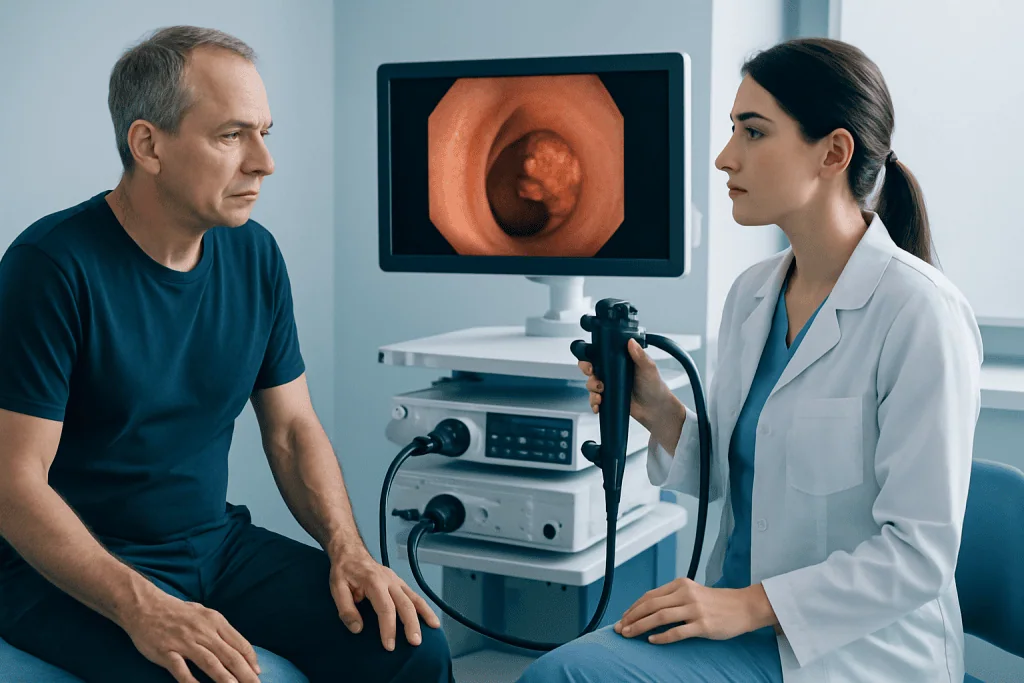
Symptoms of anal cancer often begin gradually and may be mistaken for more common conditions. The most frequent warning signs include rectal or anal bleeding, pain or pressure in the anal area, itching, a persistent lump, unusual discharge, or a feeling of fullness. Some people notice changes in bowel habits, such as narrower stools, urgency, or difficulty passing stool.
When a visible lesion is present, anal cancer pictures may show a sore that does not heal, a raised growth, a wart-like area, thickened skin, discoloration, or an ulcerated patch. These changes are not specific to cancer, but they deserve evaluation if they last more than a short time or continue to worsen. In darker or lighter skin tones, the appearance may differ, which is another reason images have limits.
Not everyone with anal cancer has a dramatic or obvious lesion. Some tumors are small and located inside the anal canal, where they may cause bleeding or discomfort without clear external changes. Others may be found after enlarged lymph nodes in the groin are noticed, because anal cancer can spread to nearby lymph nodes.
- Anal or rectal bleeding
- Pain, soreness, or pressure
- Itching that does not improve
- A lump near the anus
- Discharge or mucus
- Changes in bowel movements or stool shape
- Swollen lymph nodes in the groin
These symptoms do not always mean cancer, but persistent anal symptoms should be assessed rather than self-treated repeatedly. In some cases, the cause may be hemorrhoids or another benign condition; in others, a biopsy is needed to be sure.
Causes and Risk Factors

Anal cancer is strongly associated with infection by certain types of human papillomavirus, or HPV. HPV is common, and in most people the immune system clears it naturally. In some cases, however, persistent infection can lead to abnormal cell changes over time that may progress to cancer. This is why prevention and regular medical care matter, especially for people with higher risk.
Other risk factors include a history of anal warts, smoking, immunosuppression, HIV infection, previous cervical, vulvar, or vaginal precancer or cancer, and chronic inflammation or irritation in the anal area. Risk tends to rise with age, although anal cancer can occur in younger adults as well. Having risk factors does not mean a person will develop cancer, but it may increase the importance of prompt evaluation of symptoms.
There is also an important distinction between precancerous changes and invasive cancer. Some patients are diagnosed with anal intraepithelial neoplasia, in which abnormal cells are present but have not invaded deeper tissue. This condition may be monitored or treated to reduce the risk of progression. In educational reading, it may be helpful to understand related anal cancer topics and how specialists separate early cellular change from established disease.
Because symptoms can overlap with digestive and rectal conditions, doctors may also consider other diagnoses before confirming the cause. The presence of a risk factor should not cause alarm, but it should encourage timely discussion with a healthcare professional if any ongoing anal or rectal symptoms develop.
How Anal Cancer Is Diagnosed
Diagnosis begins with a careful history and physical examination. A doctor may ask about bleeding, pain, itching, bowel changes, prior HPV-related disease, smoking, and immune health. The physical exam often includes inspection of the anal area and a digital rectal exam to feel for masses or abnormal tissue. If anything suspicious is found, further evaluation is arranged.
Anoscopy or proctoscopy allows the clinician to look inside the anal canal with a small instrument. This step is important because a tumor may not be visible in external pictures. If an abnormal area is seen, a biopsy is usually required. A biopsy is the only reliable way to confirm cancer, identify the cell type, and guide treatment decisions.
Once cancer is confirmed, imaging is used for staging. Tests may include MRI, CT, PET-CT, or ultrasound in selected cases. These studies help show the size of the tumor, whether nearby lymph nodes are involved, and whether the disease has spread. Staging is essential because treatment and outlook depend on how limited or advanced the cancer is at diagnosis.
Specialists may also evaluate related areas or possible spread patterns. Depending on symptoms and findings, care can involve colorectal surgery, oncology, radiation oncology, pathology, and imaging teams. When broader cancer planning is needed, patients may benefit from a center experienced in cancer treatment and multidisciplinary assessment.
Modern Treatment Approaches and Outlook
Modern treatment for anal cancer is usually based on the tumor stage, the exact location, whether lymph nodes are involved, and the person’s overall health. For many patients with localized anal canal cancer, the main treatment is a combination of chemotherapy and radiation therapy given together. This approach is commonly used because it can treat the tumor while preserving normal anatomy in many cases.
Radiation therapy targets the tumor and nearby at-risk areas, while chemotherapy can make cancer cells more sensitive to radiation and help control microscopic disease. In practical terms, patients may hear this described as chemoradiation. For some, additional evaluation after treatment is needed before deciding whether more therapy is necessary, because tumors may continue to shrink over time.
Surgery has a more selective role than many people expect. It may be used for small, well-positioned tumors, for certain cancers arising from the anal margin, or if disease persists or returns after chemoradiation. Supportive care is also important and may include pain management, skin care during radiation, bowel symptom management, nutrition support, and close follow-up. Depending on the treatment plan, patients may discuss radiation oncology and medical oncology options as part of coordinated care.
The outlook varies widely. Earlier-stage anal cancer generally has a more favorable outlook than disease that has spread to lymph nodes or distant organs. Even so, stage is only one factor: response to treatment, general health, and regular follow-up also matter. It is most accurate for a treating team to discuss prognosis after reviewing biopsy and imaging results rather than relying on generalized information online.
Prevention, Screening Awareness, and Self-care
There is no single routine screening program for anal cancer for the general population, but prevention and early awareness can still make a meaningful difference. HPV vaccination helps protect against certain high-risk HPV types and is an important preventive strategy when given according to public health recommendations. Smoking cessation is also valuable, since smoking is linked with many cancers, including anal cancer.
People at higher risk may need more individualized follow-up. This can include clinical examinations, anal cytology, or high-resolution anoscopy in selected settings, depending on local practice and specialist advice. Monitoring is especially important for individuals with prior HPV-related disease, immunosuppression, or persistent anal symptoms.
At home, self-care should focus on observation rather than self-diagnosis. If a person notices a sore, lump, repeated bleeding, or irritation that does not improve, taking a photo over time may help document change for a medical visit, but it should not replace evaluation. It is reasonable to avoid harsh creams or repeated over-the-counter treatments unless a doctor has identified the cause.
Good bowel habits, adequate hydration, a balanced diet, and gentle hygiene may help reduce irritation from benign conditions, but they do not treat cancer. The key preventive message is simple: persistent symptoms deserve attention, especially in someone with risk factors or recurring unexplained bleeding.
When to Seek Medical Care
Medical care should be sought if anal bleeding, pain, itching, discharge, or a lump continues, returns repeatedly, or worsens despite basic measures. A visible sore that does not heal, skin changes around the anus, or a new growth should also be checked. While many causes are noncancerous, it is safer and more reassuring to have symptoms assessed properly.
Urgent evaluation is especially important if bleeding is heavy, bowel movements become difficult, pain becomes significant, or swollen lymph nodes appear in the groin. People with a weakened immune system, a history of HPV-related disease, or previous abnormal anal findings should be particularly careful not to delay care. Early assessment can help identify both benign conditions and cancers at a more treatable stage.
Care often involves more than one specialist. If a suspicious lesion is found, referral may be made for biopsy, imaging, and oncology consultation. In complex cases, a multidisciplinary team may coordinate diagnosis and treatment planning, including colorectal surgery when appropriate.
For international patients needing evaluation or treatment, Acibadem International offers diagnosis and care through multidisciplinary specialists in JCI-accredited hospitals. The most appropriate next step is a consultation with a qualified doctor who can interpret symptoms, exam findings, and test results together.
Frequently asked questions
Can anal cancer be diagnosed from pictures alone?
No. Anal cancer pictures may help show what some warning signs can look like, but they cannot confirm whether a lesion is cancer. Diagnosis requires a medical evaluation and usually a biopsy.
What can anal cancer look like?
It may appear as a sore that does not heal, a lump, a wart-like growth, an ulcerated area, or irritated or thickened skin near the anus. However, many noncancerous conditions can look similar, so appearance alone is not reliable.
Are hemorrhoids often confused with anal cancer?
Yes. Hemorrhoids can cause bleeding, discomfort, and swelling, which may overlap with anal cancer symptoms. If symptoms persist, recur, or do not respond as expected, a doctor should evaluate the area.
What tests are used to confirm anal cancer?
Doctors usually begin with a physical exam and inspection of the anal area, often followed by anoscopy or proctoscopy. A biopsy is needed to confirm the diagnosis, and imaging tests such as MRI or CT are used for staging.
Is anal cancer treatable?
Yes, many cases are treatable, especially when found before the disease has spread widely. Treatment often includes chemotherapy and radiation together, with surgery used in selected situations.
Does anal cancer always cause visible changes?
No. Some tumors are located inside the anal canal and may not be visible externally. In these cases, symptoms such as bleeding, pain, or bowel changes may be the main clues.
References
- National Cancer Institute
- American Cancer Society
- National Comprehensive Cancer Network
- World Health Organization
- Centers for Disease Control and Prevention
This article is for general information only and is not a substitute for professional medical advice. Please consult a qualified doctor about your individual situation.
Persistent digestive symptoms? Get evaluated in Turkey
JCI-accredited · board-certified surgeons · reply within 24h
Add us as a Preferred Source to see more of our trusted health content across Google Search, AI Overviews and Discover.