Sit Ups: A Complete Medical Overview

Sit ups mainly work the abdominal muscles and hip flexors, but they do not by themselves reduce belly fat. Good form, gradual progression, and adequate recovery help lower the risk of neck and lower back strain.
Key Takeaways
- Sit ups mainly work the abdominal muscles and hip flexors, but they do not by themselves reduce belly fat.
- Good form, gradual progression, and adequate recovery help lower the risk of neck and lower back strain.
- People with back pain, neck pain, pregnancy, recent surgery, or hernias may need modified exercises or medical advice first.
- A balanced core program often includes planks, dead bugs, bridges, and mobility work in addition to or instead of sit ups.
- Persistent pain, weakness, numbness, or pain after exercise should be assessed by a qualified clinician.
Sit ups are a common core exercise that can help strengthen the abdominal muscles, but they are not the only or always the best way to train the core. When performed with poor technique, too much volume, or existing back or neck problems, sit ups may contribute to discomfort or overuse injury.
Overview
Sit ups are a traditional bodyweight exercise used to strengthen the front of the trunk, especially the abdominal muscles. They are familiar, require no equipment, and can be part of a general fitness routine. However, from a medical and exercise-health perspective, sit ups are best understood as one option among many for core training rather than a required exercise for everyone.
The movement usually starts lying on the back with bent knees, followed by lifting the upper body toward the thighs. This action involves not only the rectus abdominis, often called the “six-pack” muscle, but also the hip flexors and other stabilizing muscles. Because the spine and neck are involved in the motion, technique matters.
Many people ask whether sit ups are good or bad. The answer depends on the person’s health status, goals, and form. For some healthy adults, sit ups can be appropriate in moderation. For others, especially those with existing spinal, neck, or pelvic concerns, different core exercises may be safer and more comfortable.
How Sit Ups Affect the Body
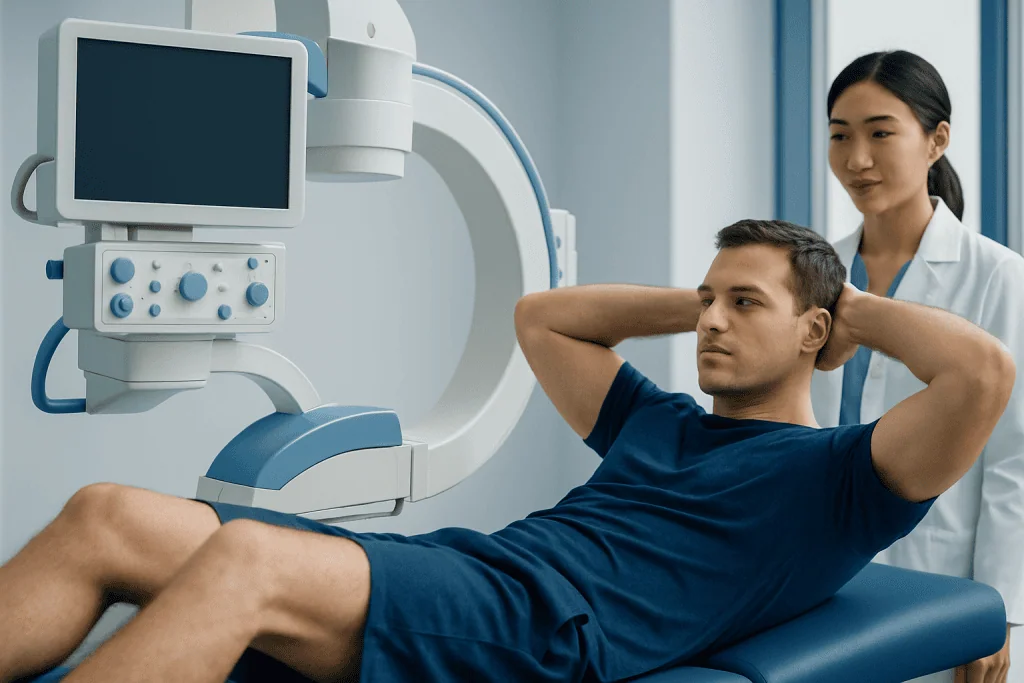
Sit ups primarily challenge the abdominal wall, including the rectus abdominis and the deeper muscles that help stabilize the trunk. They also recruit the hip flexors, which help bring the torso toward the legs. This combined action can improve muscular endurance in the front of the body when practiced appropriately.
At the same time, the exercise places repeated flexion through the spine. In some people, this is well tolerated. In others, especially those with poor posture, weak supporting muscles, limited hip mobility, or existing lower back problems, repeated spinal bending can provoke pain or stiffness.
Sit ups are also sometimes misunderstood as a way to “burn belly fat.” In reality, no single exercise can selectively remove fat from one area. Changes in body composition depend on overall activity, nutrition, sleep, stress, and long-term energy balance. Sit ups may contribute to core strength, but they are not a stand-alone strategy for weight loss or abdominal definition.
Benefits and Limitations of Sit Ups

When used thoughtfully, sit ups can have benefits. They may improve abdominal endurance, help some people learn trunk control, and support performance in activities that require bending, bracing, or getting up from the floor. Athletes in certain sports may also include them as one part of a broader conditioning program.
Still, sit ups have clear limitations. They do not train every core function equally well. The core must also resist movement, not just create it. Exercises such as planks, side planks, bird dogs, and dead bugs often train stability more directly and may produce less strain for some individuals.
Another limitation is that more is not always better. Very high repetition sets done with fatigue can lead to poor mechanics, neck pulling, breath-holding, and hip-flexor dominance. A well-rounded program usually combines strengthening, mobility, posture awareness, and aerobic activity rather than relying heavily on sit ups alone.
- Possible benefits: abdominal endurance, convenience, no equipment needed
- Possible limitations: neck strain, lower back stress, overuse if repeated excessively
- Best use: one component of a balanced core routine
Common Risks, Mistakes, and Who Should Be Careful
The most common problems linked to sit ups are neck discomfort, lower back pain, and hip-flexor tightness. People often pull on the head with the hands, round the neck forward, or swing the body to gain momentum. These patterns reduce exercise quality and can increase strain on sensitive tissues.
Lower back discomfort may happen when the abdominal muscles are not controlling the movement well or when the hip flexors dominate. Existing conditions such as muscle strain, disc-related pain, or poor movement control can make symptoms more likely. People who already have back pain may need a different exercise plan and should avoid pushing through pain.
Some people should be especially cautious before doing sit ups, including those with recent abdominal or spinal surgery, pregnancy-related changes, hernias, osteoporosis, significant neck problems, or unexplained pain. Anyone with recurring pain during exercise may benefit from evaluation and, if needed, a structured rehabilitation plan such as physical therapy and rehabilitation.
Proper Sit Up Form and Safer Alternatives
Good sit up form starts with a neutral, comfortable position rather than forcing the neck or flattening the back aggressively. Many people do best lying on the back with knees bent and feet lightly anchored or resting on the floor. The hands should support the sides of the head or cross over the chest without pulling the neck forward.
The movement should be slow and controlled. The person gently braces the abdominal wall, exhales during the upward phase, and lifts only as far as they can without jerking. It is not necessary to move quickly or rise all the way to the knees if control is lost. The lowering phase should also be deliberate.
For people who find sit ups uncomfortable, alternatives can train the core effectively with less spinal bending. Options include curl-ups, dead bugs, planks, side planks, bridges, and bird dogs. Individuals recovering from injury or dealing with persistent symptoms may need assessment through orthopedics and traumatology or a rehabilitation specialist to identify the most suitable approach.
- Keep the chin relaxed rather than tucked tightly to the chest
- Avoid pulling on the head with the hands
- Move through a pain-free range
- Start with low repetitions and focus on control
- Stop if sharp, radiating, or worsening pain occurs
When Pain During Sit Ups May Suggest an Underlying Problem
Not all discomfort during exercise means injury. Mild muscle fatigue in the abdominal area can be normal, especially after a new routine. Pain is more concerning when it is sharp, one-sided, radiates into the leg or arm, causes numbness, or lingers beyond usual post-exercise soreness.
Neck pain during sit ups may reflect poor form, weakness, or an underlying cervical issue. Lower back pain may relate to muscular overload, movement control problems, or conditions affecting the discs, joints, or surrounding tissues. If symptoms keep returning, a doctor may consider whether further evaluation is needed for issues such as herniated disc or other spinal causes.
Abdominal pain, visible bulging, or pressure in the groin or abdominal wall during exertion can also warrant assessment, particularly if a hernia is possible. In rare cases, chest pain, severe shortness of breath, dizziness, or fainting during exercise requires prompt medical attention rather than simple rest.
Prevention, Self-care, and Building a Balanced Core Routine
Prevention begins with realistic expectations and gradual progression. A person returning to exercise after a break should not start with a high number of sit ups every day. Muscles, tendons, and joints adapt better when the workload increases slowly over time with rest days included.
Warming up can help prepare the body. Gentle walking, marching in place, pelvic tilts, and light mobility drills may improve comfort before core exercises. It also helps to strengthen nearby areas such as the gluteal muscles, diaphragm, and deep trunk stabilizers, because the core works as a system rather than a single muscle group.
Self-care includes stopping an exercise that repeatedly causes pain, reviewing technique, and substituting better-tolerated movements. Persistent or recurrent symptoms deserve professional guidance. Near the end of a treatment pathway, some people may also need imaging or specialist assessment through spine surgery services if there are structural concerns, though most exercise-related pain does not require surgery. Acibadem International’s multidisciplinary specialists and JCI-accredited hospitals diagnose and treat musculoskeletal and spine-related conditions for international patients.
When to Seek Medical Care
Medical care is appropriate if pain from sit ups is severe, keeps returning, or does not improve after rest and exercise modification. A doctor should also assess symptoms such as pain that spreads into the buttock or leg, numbness, tingling, weakness, or loss of coordination. These features can suggest more than simple muscle soreness.
Urgent assessment is important for chest pain, breathing difficulty, fainting, severe abdominal pain, loss of bladder or bowel control, or sudden weakness. These symptoms are not typical effects of routine exercise and should not be ignored.
For non-urgent concerns, a clinician may review exercise technique, medical history, posture, flexibility, and strength. They may recommend rest, targeted rehabilitation, other core exercises, or further tests based on the pattern of symptoms. Early guidance often helps people return to activity more comfortably and safely.
Frequently asked questions
Are sit ups good for core strength?
Sit ups can help strengthen parts of the core, especially the front abdominal muscles. However, they do not train all core functions equally, so many exercise plans also include planks, bridges, and stability exercises.
Can sit ups cause back pain?
They can in some people, especially if form is poor, the volume is too high, or there is an existing back problem. Repeated spinal bending and heavy hip-flexor use may increase discomfort if the exercise is not well matched to the person's body and fitness level.
Do sit ups burn belly fat?
No single exercise can target fat loss in one area of the body. Sit ups may strengthen abdominal muscles, but reducing body fat depends on overall lifestyle factors such as nutrition, total physical activity, sleep, and long-term habits.
What is a safer alternative to sit ups?
For many people, curl-ups, dead bugs, planks, side planks, bridges, and bird dogs are useful options. The best choice depends on comfort, health status, and goals, so a clinician or physical therapist can help tailor the program if needed.
Should someone do sit ups every day?
Daily sit ups are not necessary for most people. Muscles usually benefit from recovery time, and a varied routine is often more effective and better tolerated than repeating the same exercise every day.
When should someone stop doing sit ups?
They should stop if the exercise causes sharp pain, radiating pain, numbness, dizziness, chest discomfort, or worsening symptoms. It is also sensible to stop and seek advice if discomfort keeps returning despite correcting technique and reducing intensity.
References
- American College of Sports Medicine
- National Institute of Arthritis and Musculoskeletal and Skin Diseases
- MedlinePlus
- National Health Service
- World Health Organization
This article is for general information only and is not a substitute for professional medical advice. Please consult a qualified doctor about your individual situation.
Explore treatments in Turkey — costs, top hospitals & a free quote
JCI-accredited · board-certified surgeons · reply within 24h
Add us as a Preferred Source to see more of our trusted health content across Google Search, AI Overviews and Discover.

More from the Health Library
Kinesio Tape Plantar: A Complete Medical Overview

Girl Butt: A Complete Medical Overview

Golden Rice: A Complete Medical Overview

Lad Artery: What Patients Need to Know

Lifespan: What Patients Need to Know