Prophylaxis Dental: What Patients Need to Know

Prophylaxis dental is a routine preventive cleaning performed by a dental professional. It helps remove plaque and tartar that brushing and flossing cannot fully clear.
Key Takeaways
- Prophylaxis dental is a routine preventive cleaning performed by a dental professional.
- It helps remove plaque and tartar that brushing and flossing cannot fully clear.
- Regular cleanings can support healthier gums, fresher breath, and earlier detection of oral problems.
- The procedure is usually quick, well tolerated, and tailored to a person's gum and tooth health.
- People with gum symptoms, heavy tartar buildup, or ongoing dental concerns may need more frequent care.
Prophylaxis dental is a preventive professional cleaning that removes plaque, tartar, and surface stains from the teeth and along the gumline. It supports oral health, lowers the risk of gum disease and cavities, and is usually part of regular dental checkups.
Overview: What prophylaxis dental means
Prophylaxis dental means a professional preventive cleaning of the teeth and gums. In everyday practice, it usually includes removing plaque, tartar, and some surface stains, followed by polishing and advice on home oral care. For many people, this is the cleaning done during a regular dental visit.
The main purpose of prophylaxis dental is prevention. Plaque is a sticky film of bacteria that forms on teeth every day. If it is not removed well, it can harden into tartar, which cannot be brushed away at home. Over time, this buildup can irritate the gums and increase the risk of cavities, gingivitis, and more advanced gum disease.
Professional cleaning is not the same as treatment for severe periodontal disease, although both involve improving gum health. A routine prophylaxis is generally recommended when the gums are relatively healthy or only mildly inflamed. If there are signs of deeper gum pockets or bone loss, a dentist may recommend more specialized periodontal care instead.
Because oral health is closely linked with overall well-being, preventive cleanings can play a wider role in health maintenance. They also give the dental team a chance to check for early problems such as tooth decay, gum inflammation, worn fillings, or signs of conditions that may need further evaluation.
Why regular professional cleaning matters
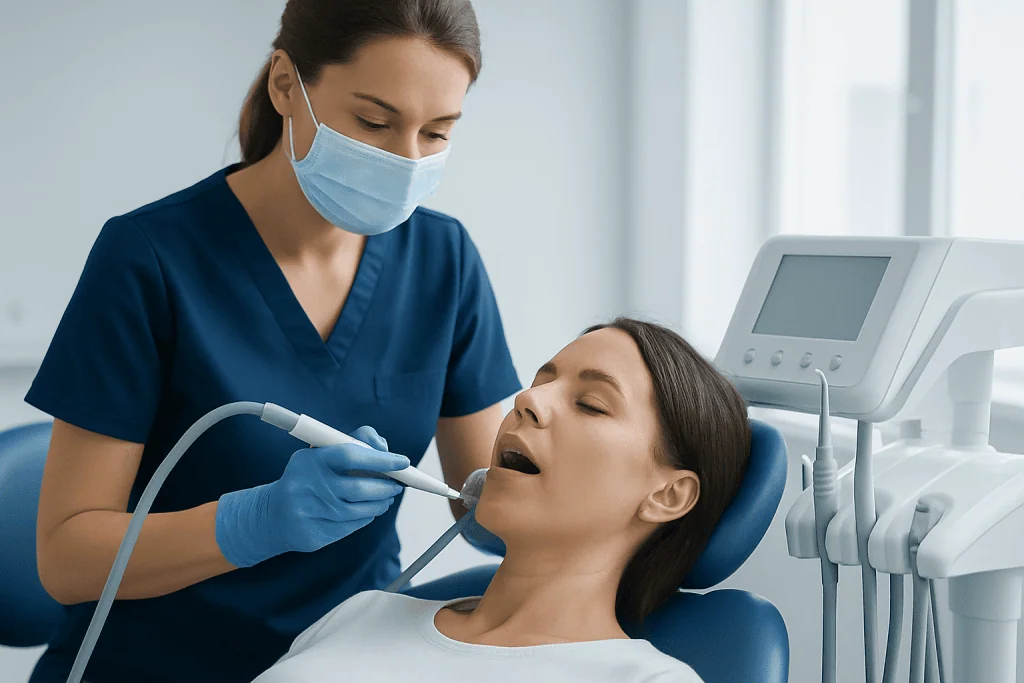
Even people who brush and floss carefully can miss areas where plaque collects. Tight spaces between teeth, the gumline, and rough or crowded tooth surfaces often allow buildup to remain. Over time, this can lead to tartar deposits that are difficult to remove without professional instruments.
Routine prophylaxis dental visits help interrupt that process. By reducing bacterial buildup, professional cleaning can lower the chance of inflamed gums, persistent bad breath, and decay. It can also improve comfort when chewing and help teeth feel smoother and cleaner.
Another important benefit is early detection. A dentist or dental hygienist may notice warning signs before symptoms become obvious, such as minor gum bleeding, enamel wear, or a cavity starting between teeth. Early treatment is often simpler than waiting until pain or swelling develops.
For some patients, prophylaxis dental is also part of managing broader oral problems. For example, regular preventive care may help limit complications related to dental caries or support gum health in people at risk for periodontal disease.
What happens during a prophylaxis dental appointment
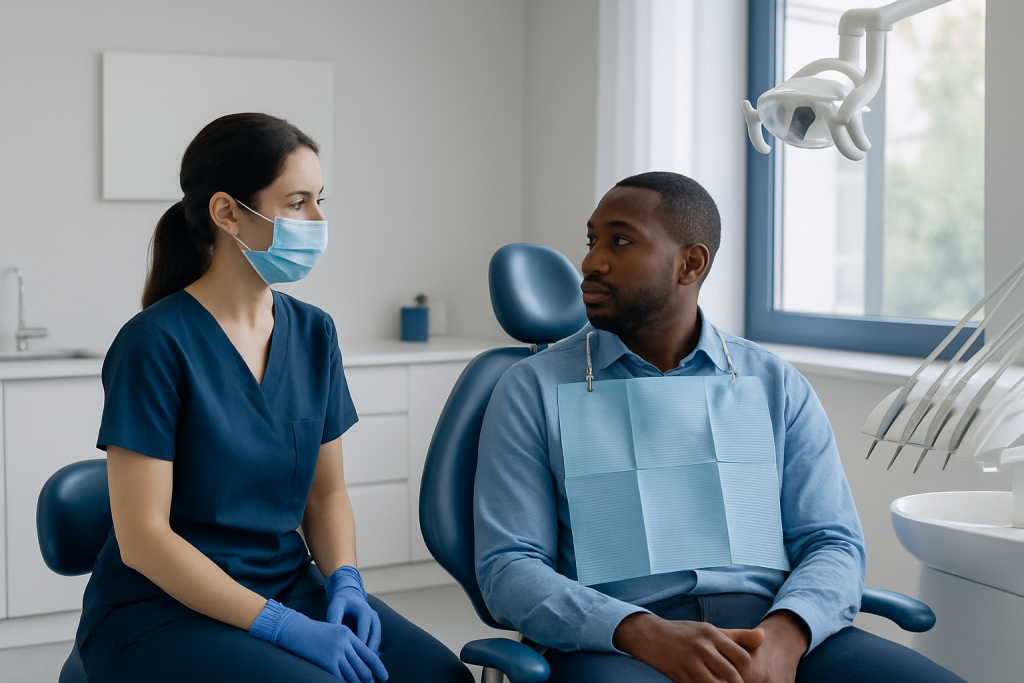
A prophylaxis dental visit usually begins with a brief review of symptoms, medical history, and home care habits. The dental team may ask about bleeding gums, tooth sensitivity, dry mouth, medications, smoking, or changes in health. A visual exam helps identify areas of plaque, tartar, stain, or gum irritation.
The cleaning itself often includes scaling, which is the careful removal of plaque and tartar from the teeth and around the gumline using hand instruments or an ultrasonic device. This is followed by polishing to smooth the tooth surfaces and reduce superficial stains. In some cases, flossing and a fluoride application may also be included.
Most routine cleanings are straightforward and do not require special preparation. If the gums are sensitive or inflamed, some areas may feel mildly uncomfortable during cleaning, but many people tolerate the procedure well. The experience can vary depending on how much tartar is present and whether the teeth are sensitive.
At the end of the appointment, the dental professional may review brushing and flossing technique, discuss diet and habits that affect oral health, and suggest timing for the next visit. If deeper cleaning or additional treatment is needed, options such as dental treatment may be explained in a stepwise and individualized way.
Who may need it more often
Many adults and children benefit from regular dental cleanings, but the ideal schedule is not identical for everyone. Some people develop plaque and tartar more quickly because of crowded teeth, braces, dry mouth, smoking, or difficulty cleaning thoroughly at home. Others may have health conditions or medications that affect gum health.
Patients with a history of cavities or gum inflammation may be advised to have prophylaxis dental visits more frequently than the standard interval commonly suggested for routine prevention. Pregnant patients, older adults, and people with diabetes may also need closer monitoring because gum health can change more easily in these situations.
Children and teenagers can also benefit from professional cleanings as part of preventive care. During growth, changing teeth alignment, orthodontic appliances, and frequent snacking may increase the challenge of keeping teeth clean. Regular checkups create opportunities for coaching, prevention, and early treatment when needed.
A dentist determines the right schedule by looking at the person’s gums, tartar buildup, cavity risk, and overall oral health history. A personalized plan is often more useful than following a one-size-fits-all timetable.
Possible side effects and aftercare
After prophylaxis dental, the teeth often feel cleaner and smoother right away. Mild gum tenderness, slight bleeding, or temporary tooth sensitivity can happen, especially if there was a lot of tartar buildup or the gums were inflamed beforehand. These effects are usually short-lived.
Most people can return to normal activities immediately after the visit. If fluoride was applied, the dental team may advise waiting a short time before eating or drinking. Following any individual instructions given at the appointment is important, particularly for children or people with sensitive teeth.
Good aftercare helps maintain the results. Helpful habits include brushing twice daily with fluoride toothpaste, cleaning between the teeth every day, limiting frequent sugary snacks and drinks, and staying well hydrated. Tobacco avoidance is also important because smoking can worsen gum disease and stain the teeth.
If sensitivity continues, the gums remain swollen, or there is pain that seems out of proportion to a routine cleaning, a dental review is sensible. In some cases, symptoms may point to untreated decay, gum recession, or a need for more advanced periodontal care rather than a standard preventive cleaning.
How prophylaxis dental differs from deep cleaning and other dental care
Patients often hear several terms used for dental care, and they are not interchangeable. Prophylaxis dental usually refers to preventive cleaning above and slightly below the gumline when gum disease is absent or mild. Its goal is maintenance and prevention rather than treatment of deeper infection.
A deep cleaning, often called scaling and root planing, is typically recommended when there is more significant gum disease. In that situation, bacteria and tartar extend deeper below the gums, and treatment aims to clean root surfaces and reduce inflammation in the periodontal pockets. This is more involved than a standard prophylaxis visit.
Prophylaxis dental is also different from restorative care. If the dental team finds decay, broken teeth, or worn restorations, the patient may need targeted procedures such as dental implant care discussions for missing teeth or root canal treatment when infection reaches the inner tooth. Those procedures address existing disease rather than routine prevention.
Understanding these differences can make treatment plans easier to follow. A routine cleaning is valuable, but it works best when combined with timely treatment of any cavities, gum disease, or structural dental problems identified during the examination.
Prevention and self-care between visits
Daily home care remains the foundation of oral health, even when professional cleanings are done regularly. Brushing for two minutes twice a day with fluoride toothpaste helps remove plaque before it hardens. Cleaning between the teeth with floss or other interdental tools reaches spaces a toothbrush cannot.
Food and drink choices also matter. Frequent sugar exposure feeds the bacteria that contribute to plaque and acid production. Choosing water regularly, limiting sugary snacks, and rinsing the mouth after acidic or sweet drinks may help reduce risk. For some patients, a dentist may recommend fluoride products or sealants based on cavity risk.
It is also helpful to pay attention to the early signs of gum trouble, such as bleeding during brushing, persistent bad breath, or gums that look red and puffy. These symptoms do not always mean severe disease, but they should not be ignored. Addressing them early can help avoid more complex treatment later.
For international patients needing coordinated oral care, Acibadem International’s multidisciplinary specialists and JCI-accredited hospitals diagnose and treat dental conditions with individualized planning. Prevention remains the starting point, but follow-up care can be arranged when routine cleaning identifies broader needs.
When to seek medical care
A routine prophylaxis dental visit should not be delayed if a person notices frequent gum bleeding, ongoing bad breath, visible tartar buildup, or increased tooth sensitivity. These symptoms may reflect plaque accumulation, gingivitis, tooth decay, or another oral problem that benefits from professional assessment.
Prompt dental care is especially important if there is facial swelling, pus around a tooth, severe pain, fever, or difficulty chewing. These are not typical reasons for a preventive cleaning alone and may indicate infection or a more urgent dental condition requiring targeted treatment.
People with diabetes, immune system disorders, dry mouth, or a history of gum disease should also seek regular professional advice rather than relying only on home care. Their oral tissues may be more vulnerable to complications, and prevention often works best when monitored closely.
If there is any uncertainty about whether symptoms are minor or urgent, contacting a qualified dentist is the safest step. A professional examination can clarify whether the person needs routine prophylaxis dental, deeper periodontal therapy, or another kind of treatment.
Frequently asked questions
Is prophylaxis dental the same as a regular cleaning?
In many dental offices, prophylaxis dental refers to the regular professional cleaning done to help prevent oral disease. It usually includes removing plaque and tartar, polishing the teeth, and reviewing home care. If gum disease is more advanced, a different procedure may be recommended.
How often should a person have prophylaxis dental?
The best schedule depends on the person's oral health, tartar buildup, gum condition, and cavity risk. Many people have routine cleanings at regular intervals, but some need them more often. A dentist can recommend a personalized plan after an examination.
Does prophylaxis dental hurt?
Most people tolerate the procedure well, especially when it is done regularly. Some mild discomfort, gum tenderness, or temporary sensitivity can occur if there is significant tartar or gum inflammation. If a patient is sensitive, they should tell the dental professional so the visit can be adjusted for comfort.
Can prophylaxis dental whiten teeth?
A professional cleaning can remove some surface stains, so teeth may look brighter afterward. However, it does not change the natural shade of the teeth in the way whitening treatments do. If discoloration is deeper, a dentist may discuss other cosmetic or restorative options.
What is the difference between prophylaxis dental and deep cleaning?
Prophylaxis dental is preventive care for teeth and gums that are healthy or only mildly inflamed. Deep cleaning is generally used when gum disease has caused deeper pockets below the gumline and needs more extensive treatment. The choice depends on the findings during the dental examination.
What should a person do after prophylaxis dental?
Most people can resume normal daily activities right away. It is helpful to continue brushing twice daily, cleaning between the teeth, and following any instructions given by the dental team, especially if fluoride was applied. Temporary sensitivity or mild gum tenderness usually settles quickly.
This article is for general information only and is not a substitute for professional medical advice. Please consult a qualified doctor about your individual situation.
Explore treatments in Turkey — costs, top hospitals & a free quote
JCI-accredited · board-certified surgeons · reply within 24h
Add us as a Preferred Source to see more of our trusted health content across Google Search, AI Overviews and Discover.

More from the Health Library

Physio Tape Rotator Cuff: An Evidence-Based Guide for Patients

Organic Yogurt: An Evidence-Based Guide for Patients

8 week ultrasound: Symptoms, Causes, and Treatment — Complete Patient Guide

Peptides: A Complete Medical Overview

Phenylephrine Hcl: An Evidence-Based Guide for Patients

Ceftazidime: An Evidence-Based Guide for Patients
Oral & Dental Health Specialists at Acibadem

Dt. Alara Naz Kenir Çelik
Oral & Dental Health
Dr. Alen Palancıoğlu
Oral Dental & Maxillofacial Surgery
Dt. Ali Osman Maviş
Oral & Dental Health
Dr. Ali Riza Özdurmuş
Oral & Dental Health