Pregnant Anal: What Is Normal, What Is Not, and When to Seek Care
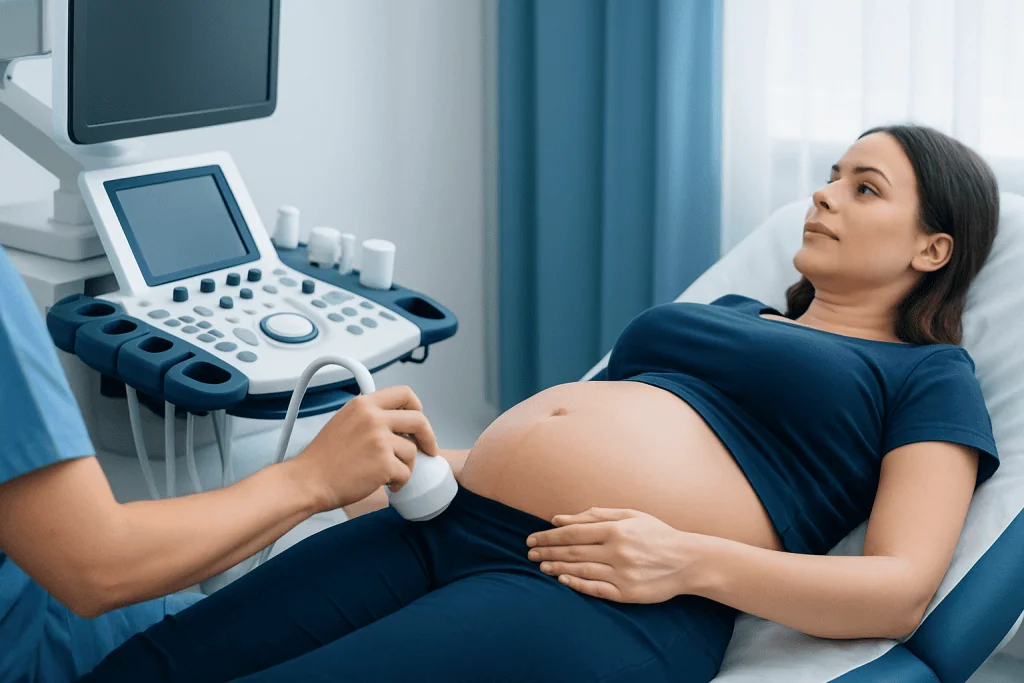
Anal discomfort in pregnancy is commonly linked to constipation, hemorrhoids, and pressure from the growing uterus. Mild itching, pressure, or small amounts of bleeding with bowel movements may be common, but they should still be discussed at prenatal visits.
Key Takeaways
- Anal discomfort in pregnancy is commonly linked to constipation, hemorrhoids, and pressure from the growing uterus.
- Mild itching, pressure, or small amounts of bleeding with bowel movements may be common, but they should still be discussed at prenatal visits.
- Severe pain, persistent bleeding, fever, pus, or trouble passing stool can signal a condition that needs prompt medical care.
- Dietary fiber, fluids, regular movement, and safer bowel habits can often reduce symptoms and prevent flare-ups.
- A clinician can distinguish common pregnancy-related hemorrhoids from fissures, infection, prolapse, or other digestive conditions.
Pregnant anal symptoms usually refer to changes around the anus during pregnancy, such as hemorrhoids, itching, pressure, constipation, or mild bleeding. Many of these problems are common and manageable, but severe pain, heavy bleeding, fever, or a new lump should be assessed by a doctor.
Overview: what “pregnant anal” usually means
The phrase “pregnant anal” is commonly used online to describe anal or rectal symptoms that happen during pregnancy. In most cases, it refers to pressure, itching, swelling, constipation, painful bowel movements, hemorrhoids, or light rectal bleeding. These symptoms can feel worrying, but they are often related to normal physical changes that happen as pregnancy progresses.
Pregnancy affects the digestive tract, pelvic floor, and blood vessels. Hormonal changes can slow bowel movement, making constipation more likely. At the same time, increased blood volume and pressure from the growing uterus can enlarge veins around the anus, leading to hemorrhoids. Straining during bowel movements can make these symptoms more noticeable.
Even though many anal symptoms in pregnancy are common, they should not automatically be ignored. Rectal bleeding is not always from hemorrhoids, and severe pain is not considered a normal part of pregnancy. A proper medical assessment can help identify the cause and guide safe treatment.
What can be normal during pregnancy
Some anal and rectal changes are relatively common in pregnancy, especially in the second and third trimesters. Mild discomfort after bowel movements, a feeling of fullness or pressure, itching around the anus, or small streaks of bright red blood on toilet paper can occur with hemorrhoids or an anal fissure. These issues often become more noticeable if constipation is present.
Hemorrhoids are swollen veins in or around the anus. They may cause itching, burning, tenderness, or a small lump. Constipation can also lead to hard stools that stretch the anal tissue and cause tiny tears called fissures, which may result in sharp pain during a bowel movement and a few drops of blood.
It is also common for symptoms to fluctuate. A person may feel worse after sitting for long periods, straining, or becoming dehydrated. Some symptoms improve after delivery, when pressure on the pelvic area decreases and bowel habits return closer to normal.
Normal does not necessarily mean that symptoms should simply be endured. Mentioning them at a prenatal visit is useful, because simple measures can often bring relief and reduce the risk of worsening.
What is not normal: symptoms that need closer attention
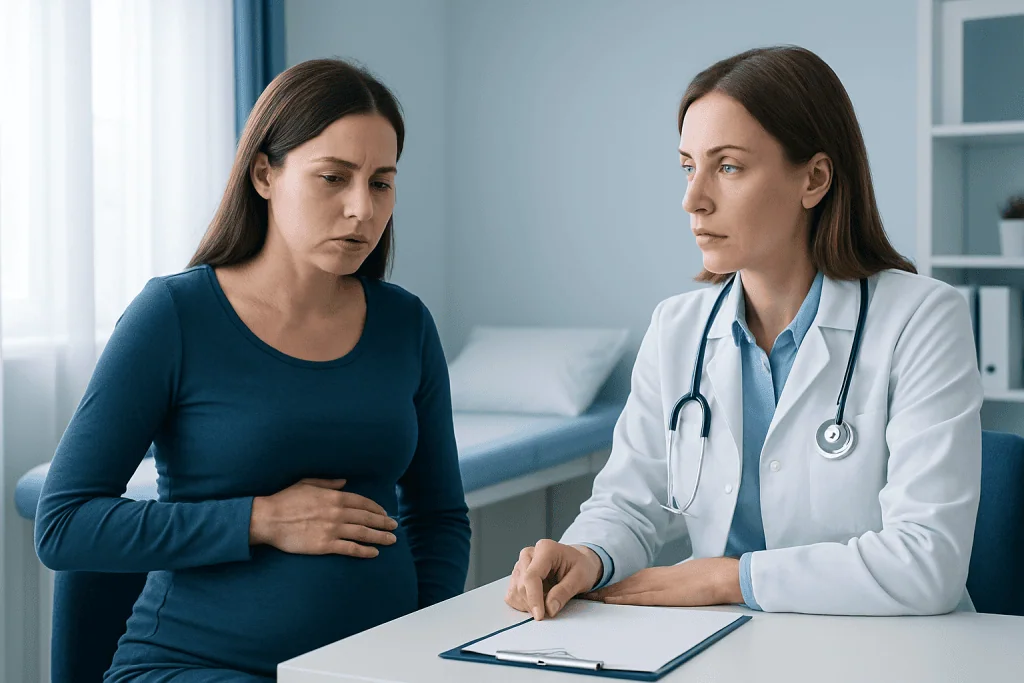
Certain symptoms are not considered routine and should be evaluated more promptly. Heavy rectal bleeding, blood mixed in the stool, black or tarry stools, severe or constant anal pain, or pain that prevents sitting or walking may point to something more than uncomplicated hemorrhoids. A painful lump can sometimes be a thrombosed hemorrhoid, while intense pain with swelling and fever can suggest infection.
Other warning signs include pus or drainage, redness spreading around the area, a fever, inability to pass stool or gas, or worsening constipation despite self-care. If anal symptoms are associated with abdominal pain, persistent vomiting, dizziness, fainting, or signs of dehydration, medical review is important.
Not every rectal symptom in pregnancy is caused by pregnancy itself. Conditions such as hemorrhoids, anal fissures, inflammatory bowel disease, infection, or rectal prolapse may need different treatment. Rarely, bleeding or bowel changes can be related to another digestive disorder that should not be missed.
Common causes and risk factors
The most common cause of pregnant anal symptoms is constipation. Progesterone, a hormone that rises in pregnancy, can slow intestinal movement. Iron supplements, reduced physical activity, dehydration, and changes in eating habits may add to the problem. Hard stools then increase pressure on the anal area and can trigger pain, fissures, or hemorrhoids.
Hemorrhoids are also very common during pregnancy because veins in the pelvic and rectal area are under more pressure. As the uterus grows, it can make it harder for blood to return from the lower body. This leads to swelling of veins, especially when combined with straining or long periods of sitting.
Less common causes include anal fissures, skin irritation from frequent wiping, fungal or bacterial infection, and preexisting digestive conditions. People with a history of hemorrhoids, chronic constipation, pelvic floor weakness, or prior rectal symptoms may be more likely to develop discomfort in pregnancy. Those who have digestive symptoms outside pregnancy may need review for Crohn’s disease or other bowel disorders if symptoms do not fit a simple hemorrhoid pattern.
Labor and vaginal delivery can also temporarily worsen anal symptoms because of intense pressure and pushing. This does not always mean there is a serious problem, but postpartum symptoms should still be monitored, particularly if pain or bleeding is increasing rather than improving.
How doctors diagnose the cause safely in pregnancy
Diagnosis starts with a careful history. A clinician will ask when symptoms began, whether bleeding is bright red or dark, how bowel habits have changed, and whether there is pain, itching, discharge, fever, or a visible lump. Medication use, including prenatal vitamins and iron, can also help explain constipation.
A physical examination may include inspection of the area and, when appropriate, a gentle rectal examination. In many cases, this is enough to identify external hemorrhoids, fissures, skin irritation, or signs of infection. The goal is to confirm a likely cause while avoiding unnecessary procedures.
If symptoms are persistent, unusual, or severe, further evaluation may be needed. This could include blood tests to check for anemia or infection, stool testing, or referral to a digestive specialist. In selected cases, doctors may consider endoscopic assessment, but they balance the need for accurate diagnosis with pregnancy safety and timing.
When constipation is prominent, the clinical focus is often on identifying contributing factors and creating a bowel plan that is safe in pregnancy. If there is concern for a broader digestive problem, a specialist in gastroenterology care may be involved.
Treatment options and symptom relief
Treatment depends on the cause, but many pregnancy-related anal symptoms improve with conservative care. The first goals are to soften stools, reduce straining, and calm local irritation. Clinicians often recommend increasing dietary fiber gradually through foods such as vegetables, fruit, legumes, and whole grains, along with drinking enough fluids unless there is a medical reason to limit them.
Regular gentle movement can help bowel function. Short walks, changing position often, and avoiding long periods of sitting on the toilet may reduce pressure on the anal veins. Warm sitz baths can soothe discomfort, and careful cleansing with water or soft unscented tissue may help if the area is irritated.
Doctors may also suggest pregnancy-appropriate stool softeners, fiber supplements, or topical treatments, depending on symptoms and individual health needs. It is important not to start rectal creams, suppositories, or laxatives without professional advice, because not every product is suitable during pregnancy. If symptoms are severe or persistent, targeted care from general surgery evaluation or a colorectal specialist may be needed.
Procedures are not commonly the first step during pregnancy unless there is significant pain, thrombosis, infection, or another complication. The clinician will weigh symptom burden, gestational stage, and safer timing. If symptoms continue after birth, treatment options may broaden and can include dedicated hemorrhoid treatment when appropriate.
Prevention and self-care habits
Prevention focuses on maintaining regular, comfortable bowel movements and reducing pressure in the pelvic area. Many people benefit from responding to the urge to pass stool without delaying, because waiting can make stools harder and more difficult to pass. Good hydration and steady fiber intake are usually more effective than making sudden, extreme dietary changes.
Helpful habits may include:
- Eating fiber-rich meals and snacks throughout the day
- Drinking adequate fluids, as advised by the obstetric care team
- Walking or doing other pregnancy-safe movement regularly
- Avoiding straining and spending long periods on the toilet
- Using a footstool during bowel movements if it improves comfort
- Keeping the anal area clean and dry, without harsh soaps or vigorous wiping
If iron supplements seem to worsen constipation, a patient should not stop them independently. Instead, it is sensible to ask the prenatal team whether a different formulation or bowel-support plan would help. Small adjustments can often reduce symptoms while keeping pregnancy care on track.
People with recurring symptoms may also benefit from discussing pelvic floor health. In some cases, guidance from obstetric, digestive, or pelvic floor specialists helps address the combination of bowel habits, pressure symptoms, and recovery after delivery.
When to seek medical care
Medical advice should be sought if anal symptoms are new, persistent, or causing significant distress. A pregnant person should contact a doctor promptly if there is heavy bleeding, severe pain, a hard or rapidly enlarging lump, fever, pus, spreading redness, or inability to pass stool or gas. Symptoms associated with weakness, dizziness, or worsening abdominal pain also need assessment.
Even milder symptoms deserve mention during routine prenatal care, especially if constipation lasts more than a few days, bowel movements are regularly painful, or bleeding keeps returning. Early treatment can prevent discomfort from becoming more severe and may reduce the chance of complications.
For international patients who need further evaluation, Acibadem International’s multidisciplinary specialists and JCI-accredited hospitals diagnose and treat digestive and pregnancy-related conditions with coordinated care. The most appropriate specialist may include obstetrics, gastroenterology, general surgery, or colorectal expertise depending on the symptoms.
Frequently asked questions
Is anal pain normal during pregnancy?
Mild discomfort can happen during pregnancy, especially with constipation, hemorrhoids, or an anal fissure. However, severe, constant, or worsening pain is not something to ignore and should be assessed by a doctor.
Can pregnancy cause hemorrhoids?
Yes. Pregnancy increases pressure on pelvic veins and can slow bowel movement, which makes constipation and hemorrhoids more likely. They often improve after delivery, but symptoms may still need treatment.
Is rectal bleeding during pregnancy always from hemorrhoids?
No. Hemorrhoids are a common cause of bright red blood on toilet paper, but bleeding can also come from fissures or other digestive conditions. Any rectal bleeding in pregnancy should be discussed with a clinician.
What helps with constipation-related anal symptoms in pregnancy?
General measures include increasing fiber gradually, drinking enough fluids, staying active, and avoiding straining. A doctor may also recommend a pregnancy-safe stool softener or fiber supplement if needed.
When should a pregnant person worry about an anal lump?
A small tender lump can be caused by an external hemorrhoid, but a painful, hard, or rapidly enlarging lump should be checked. Medical review is especially important if there is severe pain, bleeding, fever, or discharge.
Can anal symptoms get worse after giving birth?
Yes. Labor and pushing can temporarily worsen hemorrhoids or anal discomfort. If symptoms are not improving, or if pain and bleeding are increasing after delivery, medical advice is recommended.
References
- American College of Obstetricians and Gynecologists
- National Institute of Diabetes and Digestive and Kidney Diseases
- National Health Service
- Mayo Clinic
- World Gastroenterology Organisation
This article is for general information only and is not a substitute for professional medical advice. Please consult a qualified doctor about your individual situation.
Persistent digestive symptoms? Get evaluated in Turkey
JCI-accredited · board-certified surgeons · reply within 24h
Add us as a Preferred Source to see more of our trusted health content across Google Search, AI Overviews and Discover.