Epispadias: What Patients Need to Know

Epispadias is present at birth and affects the position and development of the urethra. It can occur alone or as part of a more complex condition involving the bladder and pelvic structures.
Key Takeaways
- Epispadias is present at birth and affects the position and development of the urethra.
- It can occur alone or as part of a more complex condition involving the bladder and pelvic structures.
- Common concerns include urine leakage, an abnormal urinary stream, and differences in genital appearance.
- Diagnosis is usually made by physical examination and may be supported by imaging and urinary tract tests.
- Treatment often involves reconstructive surgery and long-term follow-up with pediatric or adult urology specialists.
Epispadias is a rare congenital condition in which the tube that carries urine from the body does not form in the usual position. It can affect urination, continence, and genital appearance, but careful evaluation and treatment can often improve function and quality of life.
Overview of epispadias
Epispadias is a rare birth condition in which the urethra, the tube that carries urine out of the body, opens on the upper surface of the penis in males or in an abnormal position near the clitoris or urethral area in females. Because the urinary passage and surrounding tissues do not develop in the typical way during fetal growth, urination and urinary control may be affected. The condition may be noticed immediately after birth, although the degree of severity can vary.
Some people have isolated epispadias, meaning it occurs on its own. Others have it as part of the exstrophy-epispadias complex, a group of developmental abnormalities that can involve the bladder, abdominal wall, pelvis, and genital structures. This distinction matters because associated findings can influence both treatment planning and long-term follow-up.
Epispadias is different from hypospadias, a more common condition in which the urethral opening is on the underside of the penis. In epispadias, the opening is on the upper side, and urinary continence problems are more common. Understanding that difference can help families and patients know why specialist assessment is important and why treatment may focus not only on appearance but also on bladder control and kidney health.
How epispadias may affect children and adults
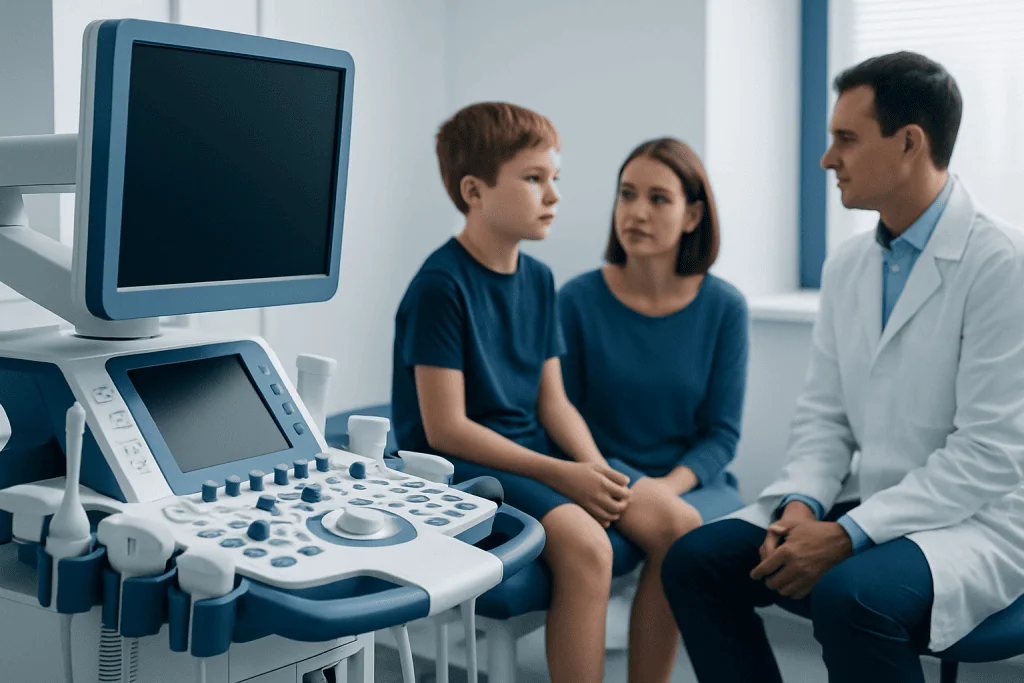
The effects of epispadias depend on how the urinary tract and nearby structures formed. In mild cases, the main concern may be an unusual urine stream or visible changes in the genital area. In more significant cases, the bladder neck and sphincter may not close well, leading to urinary leakage or difficulty staying dry between toilet visits.
In boys, the penis may appear shorter, broader, or curved upward, and the urethral opening may be located along the top of the shaft rather than at the tip. In girls, the clitoris may appear split, and the urethral opening may be wider or differently positioned than usual. These differences do not always cause pain, but they can affect function, confidence, and future sexual health if left unaddressed.
Although epispadias is usually identified in infancy, some concerns become more noticeable later. Toilet training may be difficult if urinary control is limited. Adolescents and adults may have questions about sexual function, body image, fertility, or recurrent urinary issues. For that reason, care often continues beyond childhood and may involve coordination between urology, pediatrics, pelvic floor, and reconstructive specialists.
Symptoms and possible complications

Symptoms of epispadias can range from mild to more complex. The most obvious sign is an abnormal position of the urethral opening. However, the day-to-day symptoms that matter most to patients often relate to urination and continence rather than appearance alone.
Possible symptoms and associated concerns include:
- Urine leakage or poor bladder control
- An upward, split, or spraying urine stream
- Visible difference in the appearance of the penis, clitoris, or urethral opening
- Frequent wetness, especially during infancy or toilet training years
- Recurrent urinary tract infections in some patients
- Difficulty emptying the bladder completely in certain cases
Potential complications can include skin irritation from constant wetness, repeated infections, emotional stress, and in some people, effects on sexual function later in life. When epispadias is part of a broader urinary tract condition, doctors may also monitor for reflux of urine toward the kidneys, bladder dysfunction, or other anatomical problems. Related congenital urinary conditions such as hypospadias may be discussed during evaluation because they affect the urethra differently and require different treatment approaches.
Causes and risk factors
Epispadias develops before birth, during the formation of the urinary and genital systems. It is not caused by anything a parent or patient did or did not do. In most cases, there is no single clear explanation. Instead, specialists believe it results from an early disruption in the normal development of the lower abdominal wall, bladder region, urethra, and genital tissues.
Because epispadias is uncommon, research into exact causes is ongoing. Some cases occur as isolated findings, while others appear as part of a larger developmental pattern. Genetic and environmental influences may both play a role, but for most families, no preventable trigger is identified. This can be reassuring, especially for parents who worry they may have caused the condition during pregnancy.
Risk factors are not well defined in the same way they are for many acquired diseases. A family history of certain congenital urinary tract differences may sometimes be considered during counseling, but epispadias often appears without any known family pattern. If the condition is diagnosed in a newborn, the next important step is usually a careful anatomical evaluation rather than focusing on assigning blame or finding a single cause.
How epispadias is diagnosed
Diagnosis usually begins with a physical examination soon after birth. A pediatrician or pediatric urologist can often identify the position of the urethral opening and assess the appearance of the external genital structures. The examination also helps determine whether epispadias is isolated or whether signs suggest a more complex condition involving the bladder or pelvis.
Further testing may be recommended to understand urinary function and anatomy in more detail. Depending on the situation, this may include ultrasound of the kidneys and bladder, urine tests, voiding studies, or other imaging that shows how urine moves through the urinary tract. These tests help doctors check for reflux, bladder emptying problems, or associated structural differences.
Long-term evaluation may also include continence assessment as the child grows. In older children and adults, the doctor may ask about urinary leakage, infections, sexual function, and quality of life. When needed, patients may be referred for urology care and coordinated assessment with imaging or reconstructive teams to build a treatment plan that fits both anatomy and function.
Treatment options and surgery
Treatment for epispadias is individualized. In many patients, surgery is the main treatment because it can reposition or reconstruct the urethra, improve urinary control, and address differences in genital structure. The exact operation depends on the patient’s sex, age, severity of the condition, bladder neck function, and whether epispadias occurs alone or with other abnormalities.
Reconstructive goals often include creating a more typical urinary channel, improving continence, preserving kidney and bladder health, and supporting future sexual function. Some children need a single operation, while others may need staged procedures over time. Follow-up is important because bladder control and urinary function can change as a child grows.
Supportive care may also include bladder training strategies, infection prevention, skin care, and psychological support when body image or self-esteem is affected. In selected cases, care may involve broader pediatric surgery and reconstructive planning. If symptoms overlap with other urinary tract concerns, doctors may also evaluate for conditions such as urinary incontinence to guide management of leakage and continence goals.
For international patients seeking coordinated care, Acibadem International offers multidisciplinary specialist evaluation in JCI-accredited hospitals, including diagnosis and treatment planning for congenital urologic conditions. In complex cases, reconstruction may be coordinated with teams experienced in reconstructive surgery when anatomy and function both need to be addressed.
Daily care, long-term follow-up, and self-care
Families often focus first on surgery, but ongoing care is just as important. Children with epispadias may need regular checkups to monitor urinary control, bladder function, kidney health, and healing after any procedure. As the child grows, goals may shift from anatomy alone to continence, independence, social comfort, and healthy development.
Practical self-care depends on age and symptoms. For infants and young children, keeping the skin clean and dry can help prevent irritation if urine leakage is present. Older children and adults may benefit from timed voiding, fluid guidance tailored by their doctor, and prompt treatment of urinary infections. Emotional support also matters, especially when toileting challenges or visible differences affect confidence.
Transitioning into adolescence and adulthood may raise new questions about relationships, fertility, sexual function, and long-term continence. Honest discussion with a qualified urologist can help patients understand what to expect and what treatments may still be helpful later in life. Because epispadias is uncommon, continuity of care with an experienced team can make follow-up more organized and reassuring.
When to seek medical care
Medical evaluation is important whenever epispadias is suspected in a newborn, child, or adult. Early specialist assessment can clarify the anatomy, identify any associated urinary tract problems, and help families understand the best timing for treatment. Even if symptoms seem mild, continence and bladder function deserve proper evaluation.
Patients or caregivers should seek medical advice promptly if there is persistent urine leakage, repeated urinary tract infections, fever with urinary symptoms, difficulty passing urine, worsening wetness, or concerns about genital appearance and development. After surgery, follow-up is especially important if there is pain, bleeding, swelling, a change in the urine stream, or new incontinence.
Adults who were treated in childhood should also return for care if they develop urinary problems, discomfort during sexual activity, or questions about fertility and reproductive health. A timely review with a urologist can often address symptoms early and reduce the risk of longer-term complications.
Frequently asked questions
Is epispadias rare?
Yes. Epispadias is considered a rare congenital condition. Because it is uncommon, assessment by a team with experience in pediatric or reconstructive urology is often helpful.
Can epispadias be seen at birth?
In most cases, yes. The position of the urethral opening and the appearance of the genital area are often noticed during the newborn examination. Additional tests may then be done to check bladder and urinary tract function.
Does epispadias always require surgery?
Many patients do need surgery, especially if urinary control or anatomy is significantly affected. However, the timing and type of treatment depend on the severity of the condition and whether other urinary tract abnormalities are present.
Can people with epispadias have normal bladder control?
Some can, especially in milder forms, but urinary leakage is common because the bladder neck and sphincter may not function typically. Treatment is often designed to improve continence as much as possible.
Is epispadias the same as hypospadias?
No. In hypospadias, the urethral opening is on the underside of the penis, while in epispadias it is on the upper side or otherwise abnormally placed. The two conditions differ in anatomy, symptoms, and treatment planning.
Can epispadias affect sexual function or fertility later in life?
It can in some patients, depending on severity and associated anatomical differences. Early treatment and long-term follow-up can help address concerns related to genital structure, continence, and sexual health.
References
- National Institute of Diabetes and Digestive and Kidney Diseases
- Urology Care Foundation
- American Urological Association
- National Organization for Rare Disorders
- MedlinePlus
This article is for general information only and is not a substitute for professional medical advice. Please consult a qualified doctor about your individual situation.
Explore treatments in Turkey — costs, top hospitals & a free quote
JCI-accredited · board-certified surgeons · reply within 24h
Add us as a Preferred Source to see more of our trusted health content across Google Search, AI Overviews and Discover.

More from the Health Library

Dry Brushing — Explained by Medical Evidence, Not Myths

Sinus Anatomy — Explained by Medical Evidence, Not Myths

Ezekiel Bread: What Patients Need to Know

Silodosin: A Complete Medical Overview

Complement System: What Patients Need to Know