Carbamide Peroxide: An Evidence-Based Guide for Patients

Carbamide peroxide is commonly used in ear drops for earwax and in whitening gels for teeth. It works by releasing oxygen, which helps break down earwax and lighten tooth stains.
Key Takeaways
- Carbamide peroxide is commonly used in ear drops for earwax and in whitening gels for teeth.
- It works by releasing oxygen, which helps break down earwax and lighten tooth stains.
- It should be used only as directed, because overuse can irritate the ear canal, gums, or tooth surfaces.
- It is not suitable for everyone, especially people with ear pain, a perforated eardrum, mouth sores, or significant dental disease.
- A doctor or dentist can help if symptoms persist, side effects develop, or the diagnosis is uncertain.
Carbamide peroxide is a medicine and dental ingredient used mainly to soften earwax and to whiten teeth. It can be effective and generally safe when used as directed, but the right product, dose, and duration depend on why it is being used and whether the ear or mouth is healthy.
Overview: what carbamide peroxide is and what it does
Carbamide peroxide is a compound that breaks down into hydrogen peroxide and urea. In practical terms, that means it releases oxygen in a controlled way. This oxygen-releasing action is why carbamide peroxide is used in two common patient settings: to soften and loosen earwax, and to help remove certain stains from teeth during whitening treatment.
Although the same ingredient is involved, ear products and dental products are not interchangeable. Ear drops are formulated for the ear canal, while whitening gels are designed for contact with teeth for a limited period and often under the guidance of a dentist. Using the wrong product in the wrong place can cause irritation or injury.
For many people, carbamide peroxide can be helpful when used correctly. However, it is not a general remedy for every ear symptom or every change in tooth color. Ear pain, hearing loss, gum disease, broken teeth, or mouth sores may point to problems that need medical or dental assessment rather than self-treatment alone.
Common uses of carbamide peroxide

One of the best-known medical uses of carbamide peroxide is in ear drops for earwax buildup. Earwax, also called cerumen, normally protects the ear canal. Sometimes, though, it becomes impacted and may cause fullness, reduced hearing, itching, ringing, or difficulty examining the ear. Carbamide peroxide ear drops help soften and break up wax so it can come out more easily.
Carbamide peroxide is also widely used in teeth whitening products. In dentistry, it helps lighten stains caused by aging, foods and drinks, smoking, or other surface discoloration. Depending on the product and the person’s dental health, whitening may be done with dentist-supervised trays, take-home systems, or other methods. Some patients being evaluated for tooth discoloration may also need broader dental assessment, including dental treatment if decay, gum disease, or restorations are affecting the result.
In both settings, carbamide peroxide is a supportive treatment rather than a cure for every underlying problem. Ear symptoms may be caused by infection or hearing loss unrelated to wax, and tooth discoloration may reflect enamel wear, medications, trauma, or internal staining that whitening may not fully correct.
How carbamide peroxide works
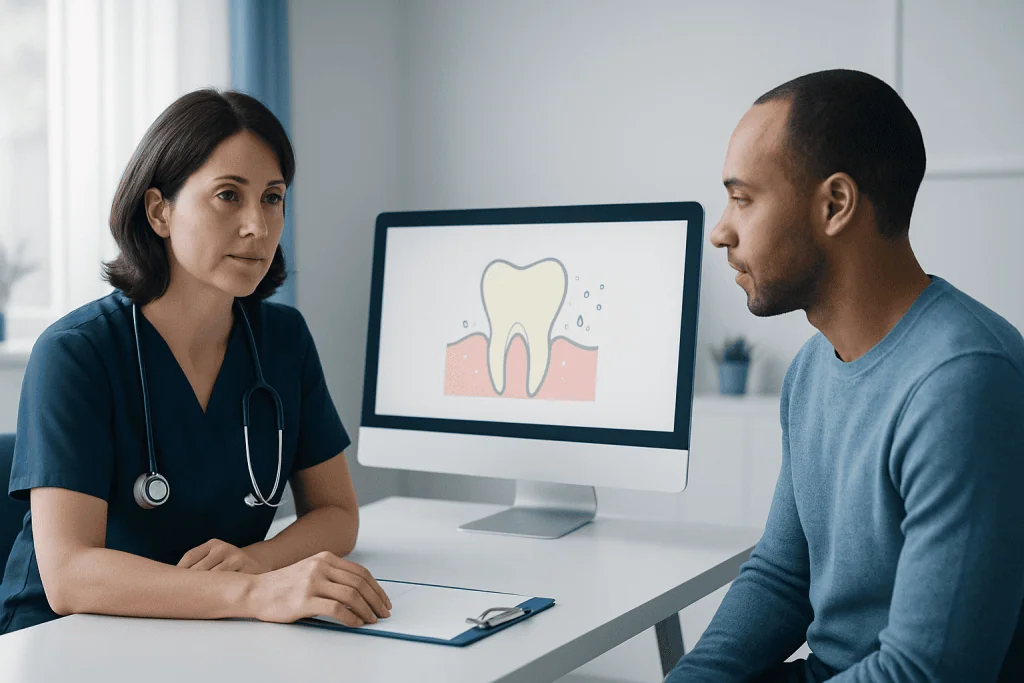
Carbamide peroxide works by releasing active oxygen. In the ear canal, this bubbling action helps soften compacted wax and loosen debris. The goal is not to scrub the ear clean, but to make wax easier to come out naturally or easier for a clinician to remove safely if needed.
On teeth, the oxygen released from carbamide peroxide penetrates the outer tooth surface and helps break down compounds that cause discoloration. This can make teeth appear lighter over time. Results vary from person to person because not all stains are the same. Yellowing from common external stains often responds better than deep internal discoloration.
Because this mechanism can also irritate tissues, the concentration of the product, the length of contact, and the condition of the ear or mouth all matter. A healthy ear canal or healthy gums may tolerate treatment well, while inflamed skin, ulcers, exposed tooth roots, or cracked enamel may react more strongly.
Possible side effects, risks, and who should avoid it
Carbamide peroxide is usually well tolerated when used as directed, but side effects can happen. With ear drops, mild bubbling, a temporary sensation of fullness, or slight irritation can occur. If use continues too long or if the ear canal is already inflamed, people may notice discomfort, itching, redness, or worsening symptoms. Ear drops should not be used if there is ear drainage, significant pain, known eardrum perforation, ear tubes, or recent ear surgery unless a doctor advises otherwise.
With teeth whitening products, common side effects include temporary tooth sensitivity and gum irritation. These effects are often related to concentration, contact time, or ill-fitting trays. Whitening should be approached carefully in people with cavities, cracked teeth, worn enamel, gum disease, exposed roots, or mouth sores. If there are concerns about sensitivity, gum problems, or oral inflammation, a dentist may recommend evaluation first and, if needed, periodontal care before whitening is considered.
Carbamide peroxide may also be a poor choice if the problem is not actually due to wax or common staining. For example, a blocked feeling in the ear could reflect infection or inflammation, and changes in tooth color could result from decay, trauma, or old fillings and crowns. In these situations, treating the cause matters more than applying a peroxide product.
- Avoid placing cotton swabs or other objects into the ear after using ear drops.
- Do not swallow dental whitening gels.
- Stop use and seek advice if severe pain, rash, swelling, bleeding, or persistent irritation develops.
Diagnosis and safe use: why the reason matters
Before using carbamide peroxide, it helps to know what problem is actually being treated. Earwax blockage may cause fullness, reduced hearing, or a blocked sensation, but similar symptoms can occur with infection, fluid behind the eardrum, eczema, or other ear conditions. A clinician can look into the ear canal and confirm whether wax is the main issue. If hearing seems reduced for reasons beyond wax, further assessment such as hearing testing may be useful.
In dental care, the cause of discoloration influences whether carbamide peroxide is likely to help. Surface stains and age-related darkening may respond, but internal discoloration, restorations, and certain developmental or medication-related changes often require different approaches. A dental examination can also identify problems such as cavities, gum inflammation, or enamel defects that should be treated before whitening.
Using the product safely means following the instructions on the specific formulation and not exceeding the recommended duration. Ear drops are typically used for a short period only. Dental gels should be used according to the dentist’s or product’s instructions, with care to avoid unnecessary contact with gums and soft tissues. More frequent or longer use does not always produce better results and may increase irritation.
Treatment options and alternatives
When carbamide peroxide is used for earwax, it is one option among several. Some people improve with watchful waiting, because wax may move outward naturally. Others may need wax-softening drops, gentle irrigation by a trained professional, or manual removal using appropriate equipment. If wax buildup keeps recurring, a doctor can help identify triggers such as hearing aids, ear canal shape, or skin conditions.
For tooth whitening, carbamide peroxide is one of several evidence-based choices. Some patients use dentist-supervised trays, while others may be candidates for different whitening systems or cosmetic dental options if stains are deep or restorations are present. If the tooth color change is linked to structural dental problems, options may extend beyond bleaching, such as repair, cleaning, or other restorative care.
Importantly, treatment should fit the person rather than the ingredient alone. In people with repeated wax blockage, chronic ear symptoms, or a history of infection, evaluation by an ear specialist may be appropriate. In those with marked sensitivity, gum disease, or uneven tooth color, dental guidance can help avoid frustration and side effects while setting realistic expectations.
Self-care tips and prevention
For ear health, it is usually best to let the ears clean themselves naturally. Wax normally moves outward on its own. Pushing cotton swabs, hairpins, or other objects into the ear often pushes wax deeper and can injure the canal. People who are prone to wax buildup should ask a clinician about safe routines rather than trying repeated home removal methods.
For dental health, daily brushing with fluoride toothpaste, flossing or interdental cleaning, and regular dental checkups can reduce stain buildup and support safer whitening. Limiting tobacco and reducing frequent exposure to strongly staining drinks such as coffee, tea, and red wine may also help maintain results. Good oral hygiene does not guarantee white teeth, but it creates a healthier foundation for any cosmetic treatment.
If whitening is being considered, it is sensible to address dental problems first. Teeth that are sensitive, decayed, or cracked can react poorly to bleaching. A dentist can also explain that fillings, crowns, and veneers do not whiten the same way natural teeth do, so color matching may need planning. Near the end of the care pathway, patients seeking coordinated assessment may wish to know that Acibadem International’s multidisciplinary specialists and JCI-accredited hospitals diagnose and treat ear and dental conditions for international patients.
When to seek medical care
Medical or dental advice is important if symptoms are severe, unusual, or not improving. For ear-related use, prompt care is needed for significant ear pain, fever, discharge, dizziness, sudden hearing change, bleeding, or symptoms after an ear injury. These are not typical signs of simple wax buildup and should not be managed only with over-the-counter drops.
For dental use, a dentist should be consulted if there is intense tooth sensitivity, gum swelling, white patches or burns on the soft tissues, tooth pain that lingers, or discoloration that seems localized to one tooth after trauma. People with braces, extensive dental work, mouth ulcers, or untreated gum disease also benefit from professional guidance before whitening.
If there is uncertainty about the diagnosis, repeated need for carbamide peroxide, or little benefit despite proper use, evaluation can help identify the real cause and the safest next step. This may be especially important for children, older adults, and anyone with a history of ear surgery, chronic ear disease, or complex dental conditions.
Frequently asked questions
What is carbamide peroxide used for?
Carbamide peroxide is most commonly used to soften and loosen earwax and to whiten teeth. The same ingredient is used in different formulations, so ear drops and dental whitening products are made for different purposes and should not be interchanged.
Is carbamide peroxide safe?
Carbamide peroxide is generally safe when used as directed and when the ear or mouth is otherwise healthy. It may not be suitable for people with ear pain, ear drainage, a perforated eardrum, gum disease, mouth sores, or damaged teeth, so medical or dental advice may be needed first.
Can carbamide peroxide damage teeth?
When used properly, carbamide peroxide does not usually damage healthy teeth, but it can cause temporary sensitivity or gum irritation. Overuse, high concentrations, or use on teeth with cracks, cavities, or exposed roots may increase the risk of discomfort and other problems.
Can carbamide peroxide be used for earwax at home?
Some people use carbamide peroxide ear drops at home for short-term earwax softening. However, it should not be used if there is ear pain, drainage, bleeding, a known eardrum hole, ear tubes, or recent ear surgery unless a doctor recommends it.
How long does carbamide peroxide take to work?
The timing depends on why it is being used. Earwax softening may begin quickly but sometimes still requires professional removal, while tooth whitening usually happens gradually over days to weeks depending on the product, the stains, and how consistently it is used.
What are the most common side effects of carbamide peroxide?
For ear products, mild irritation, bubbling, or a temporary blocked sensation can occur. For dental products, the most common issues are tooth sensitivity and gum irritation, which are often temporary but should not be ignored if they are severe or persistent.
References
- U.S. Food and Drug Administration
- American Dental Association
- American Academy of Otolaryngology–Head and Neck Surgery
- National Institute on Deafness and Other Communication Disorders
- Mayo Clinic
This article is for general information only and is not a substitute for professional medical advice. Please consult a qualified doctor about your individual situation.
Explore treatments in Turkey — costs, top hospitals & a free quote
JCI-accredited · board-certified surgeons · reply within 24h
Add us as a Preferred Source to see more of our trusted health content across Google Search, AI Overviews and Discover.

More from the Health Library

Pimple on Vegina: What Patients Need to Know

Levetiracetam: A Complete Medical Overview

Tekisin: What Patients Need to Know

Left Hand Itching — Explained by Medical Evidence, Not Myths

Vitiligo Hair: A Complete Medical Overview